From night walks with children to switching off streetlights and rewilding areas, naturalists are working to save Europe’s dwindling populations
A
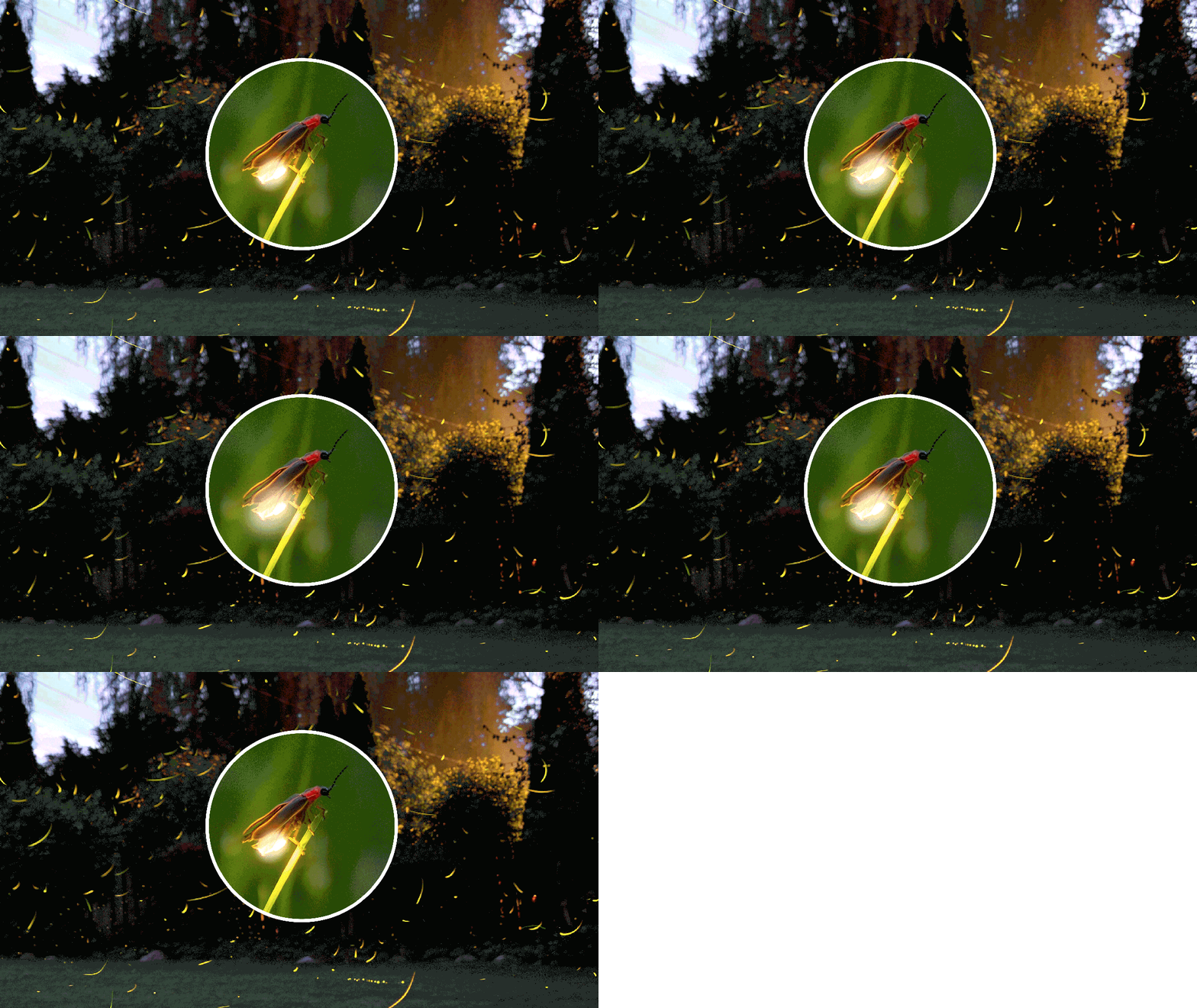
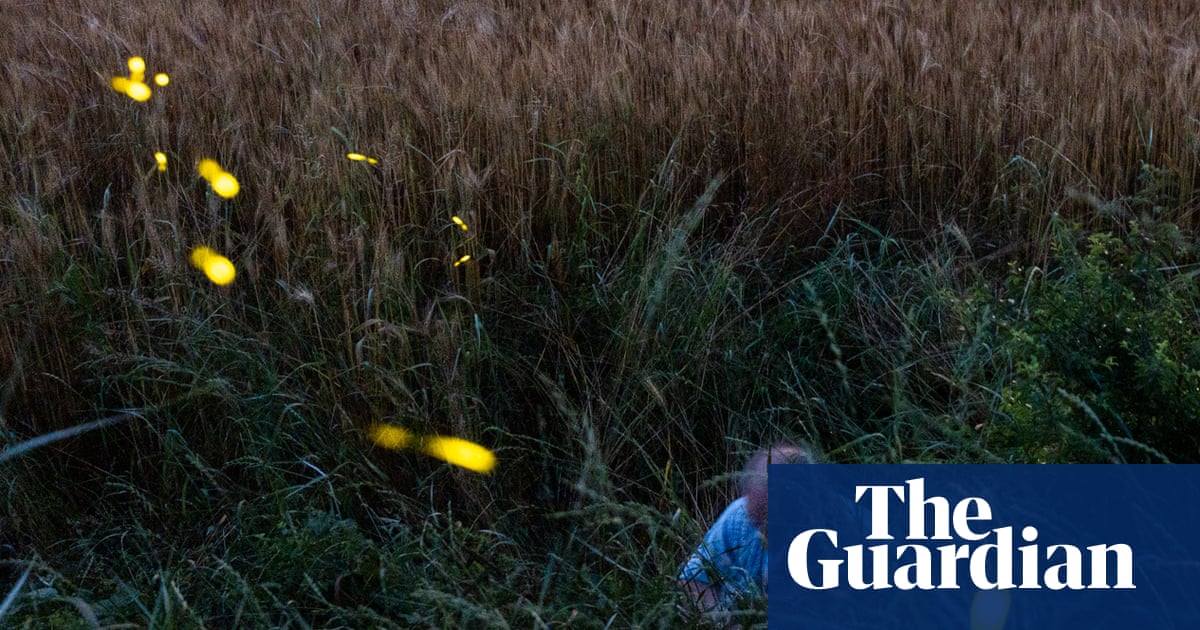
n hour or so after sunset, green twinkles of possibility gleam beneath the hedgerows of Westbury-sub-Mendip in Somerset. Under an orange August moon, the last female glow-worms of the season are making one final push at finding a mate.
For almost 20 years, Peter Bright and other volunteers have combed the village’s shrubberies and grasslands, searching for the bioluminescent beetles as part of the UK glow-worm survey. Most years, they have counted between 100 and 150, rising to 248 in 2017.
During last year’s wet summer and this year’s dry one, they found barely 50, says Bright, a retired science teacher taking a group on a late-night glow-worm walk. By August, the remaining lights are something of a lonely hearts club – many of the adult males have already died.