Study of Met Office data one of first to show how nocturnal insects affected by factors such as light pollution
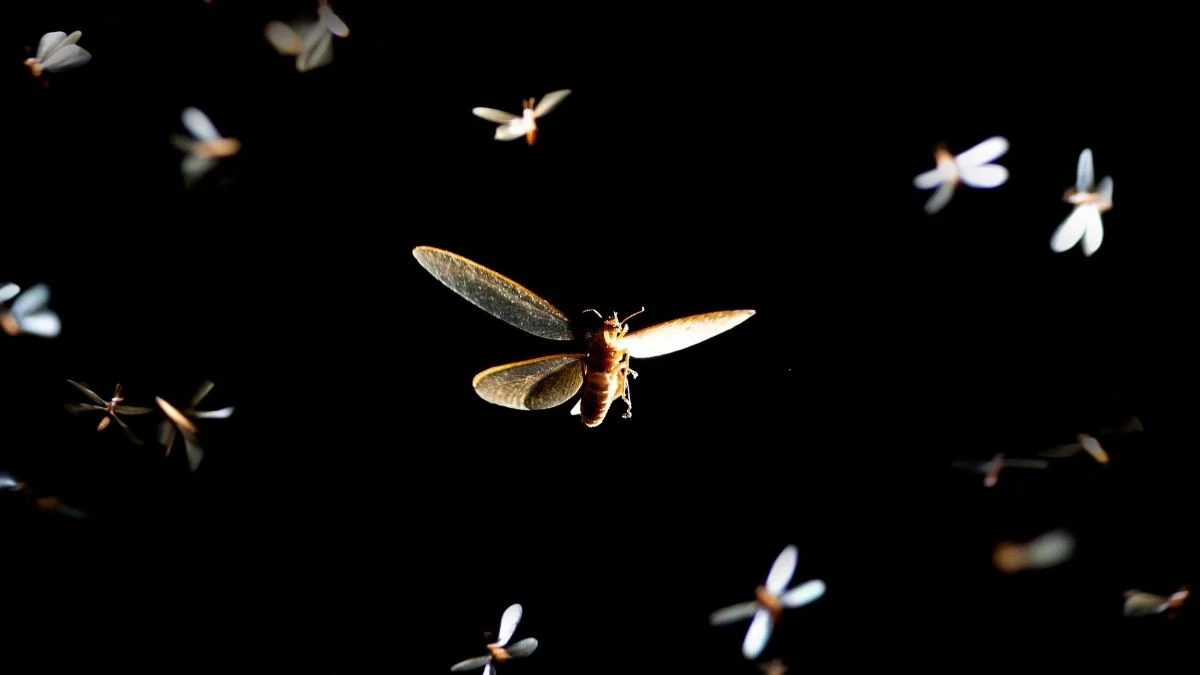
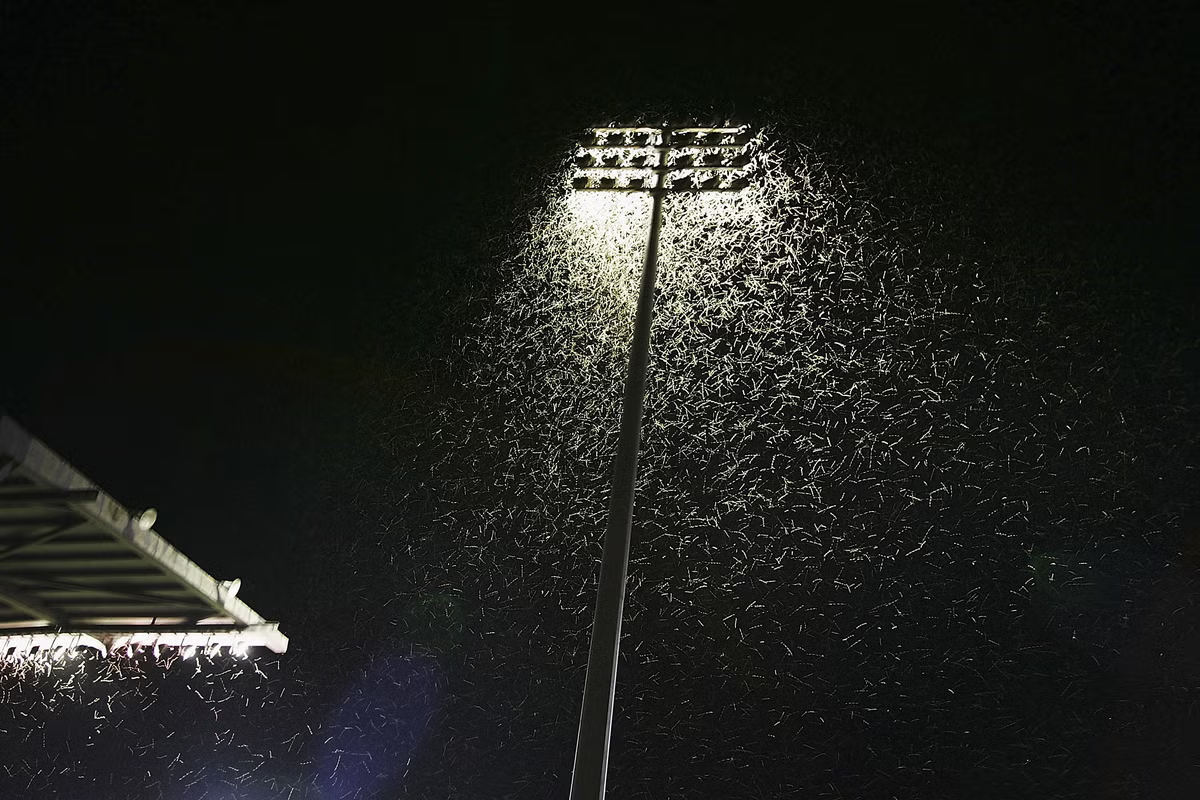
Scientists have used Met Office radar data to track the trillions of insects flying above the UK for the first time, revealing a concerning decline in nocturnal species.
The team repurposed data from the UK’s network of 15 weather surveillance radars, which scan the sky hundreds of times a day.
Between 2014 and 2021, daytime insect numbers remained relatively stable or even increased in southern regions, but night-time-airborne insects declined overall, especially in the far north, the analysis suggests.
“This is one of the first studies to show how day- and night-flying insects are being affected differently, and how their habitats influence those patterns,” said Dr Mansi Mungee, who led the work as a postdoctoral researcher at the University of Leeds, and is now based at Azim Premji University in India. “It’s a crucial step toward understanding where to focus conservation efforts.”