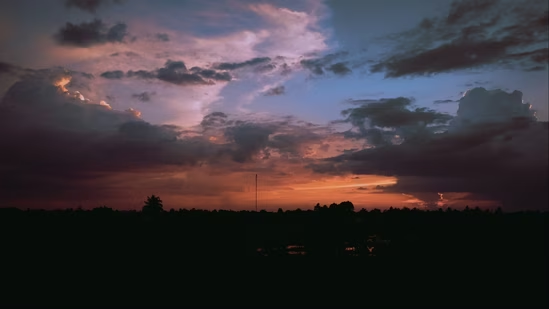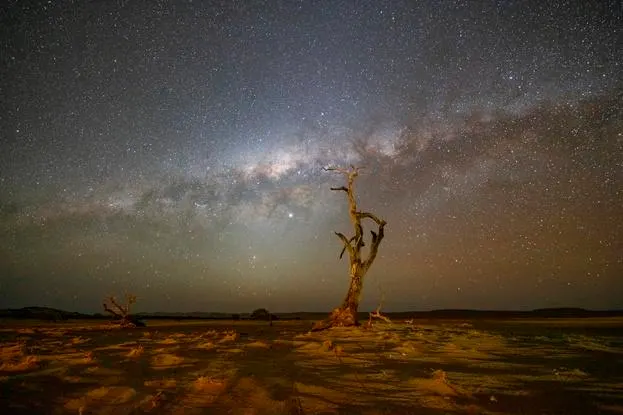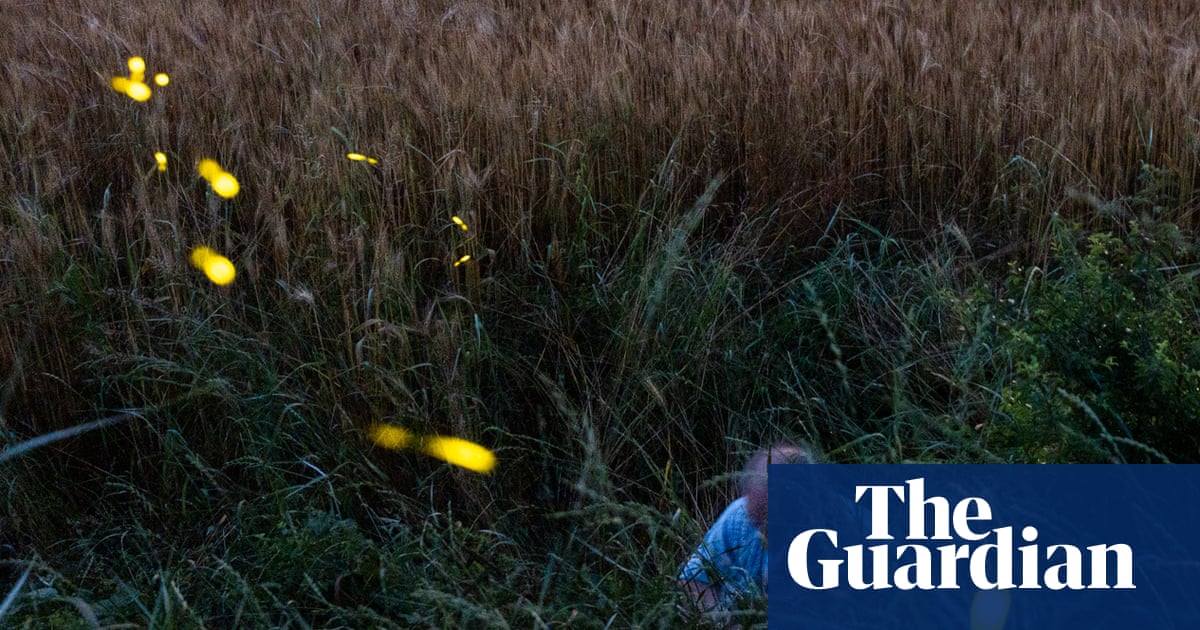
An old Dutch ritual of going outside to watch the coming of night – or dusking – is having a revival across Europe. Fans of the practice say it’s a great way to disconnect from screens and find peace
I
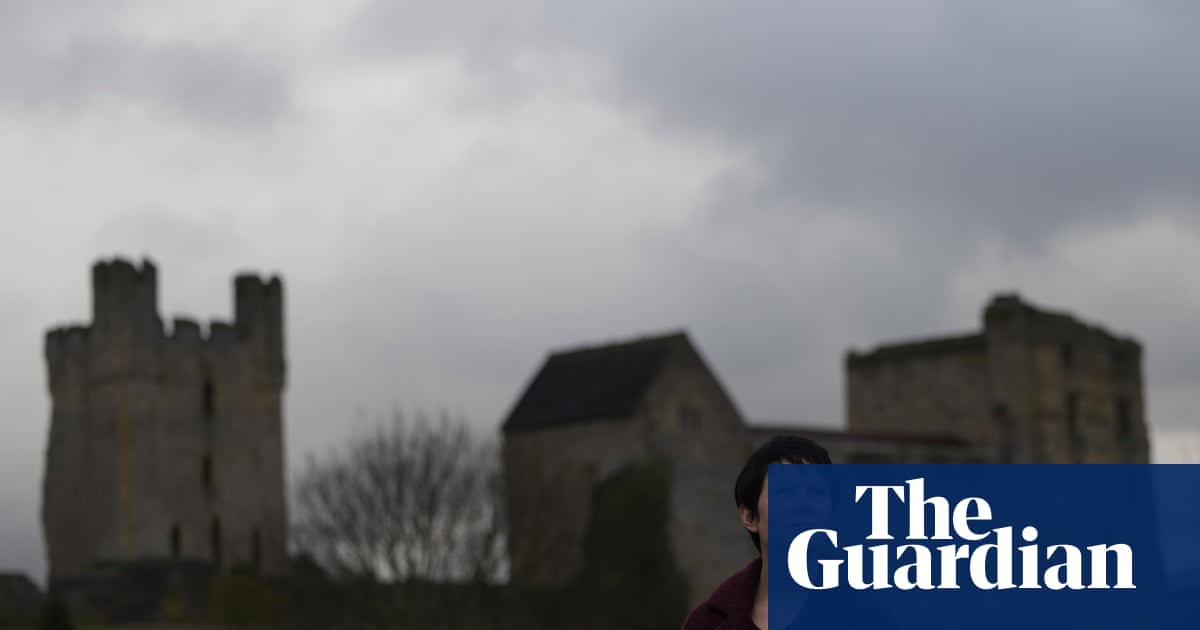
’m wandering around a walled garden on the edge of the North York Moors at dusk. The darkening sky is faintly illuminated by a sharp sliver of crescent moon and the first stars. Bats are swooping in search of supper, an owl is softly hooting and the dark outline of a ruined castle looms beyond the walls.
But what is really striking about the scene is what’s missing: artificial light. There are no solar lamps or electric bulbs; no torches or phone screens. As parts of the garden recede into the gloom, others are thrown into sharp relief: the bare branches of winter trees; a russet-coloured hedge; clumps of snowdrops, glowing bright in the moonlight.
I’ve spent the past hour at the UK’s first “dusking” event. About 20 of us gathered in a glasshouse at twilight to watch darkness descend. In the Netherlands, dusking, or schemeren, was once an everyday ritual, with families sitting together to observe the end of the day and the coming of night. The custom had all but died out until it was revived by Dutch poet and author Marjolijn van Heemstra a few years ago. Now she is encouraging other countries to adopt dusking, running events in Ireland, Germany and here in Yorkshire.