The dark nights are here and staying in is more appealing than ever. But there’s a very real cost to not venturing out
S
ince the clocks changed, a damp, dark blanket settles over York from about 5pm – and it’s brilliant; the perfect excuse to stay in. I love every quiet corner of home: my armchair, angled for a perfect view of bird goings-on and bleak skies outside; my marshmallowy bed; the sofa, stacked with blankets; the kitchen (I don’t cook, but it’s where snacks live). What could be nicer than sinking into the stifling embrace of multiple heated throws as a jacket potato crisps up in the oven and I succumb to a smorgasbord of good winter telly? Why would I ever move?
Me and everyone else. Right? We’re sleepmaxxing and soup-making in our slippers, sparking up fairy lights and enthusiastically appropriating hygge and gezellig (Dutch for cosy). We’re sharing memes on the thrill of someone else cancelling social plans before we’re forced to and proclaiming our Jomo. It’s natural to retreat in winter: we’re animals. But it’s not just a seasonal phenomenon now, and I’m conscious I need, and maybe you also need, to get a grip and go out.
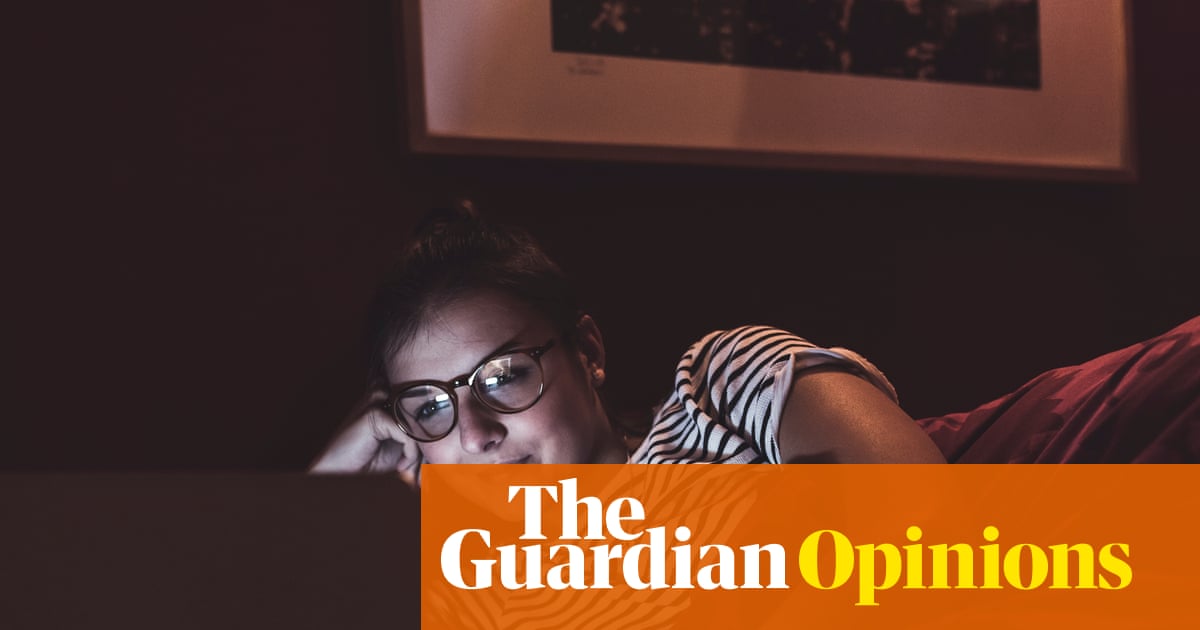
Staying in got too easy. We can get food – anything we want, actually – delivered; we can exercise and socialise. We can amuse ourselves, endlessly, indoors: smartphones and streaming mean kids today will never know the crushing tedium of 1980s Sunday nights, funereally soundtracked by Harry Secombe’s baritone. Home – if we’re lucky – feels like a haven, a feeling compounded by Covid (which reframed staying there as a civic virtue) and even if we’re not lucky, it’s cheaper, during a cost-of-living crisis. But as the urban policy specialist Diana Lind wrote in the Washington Post in August, “The cheapest and easiest option – staying in – is costing us something else.”