E
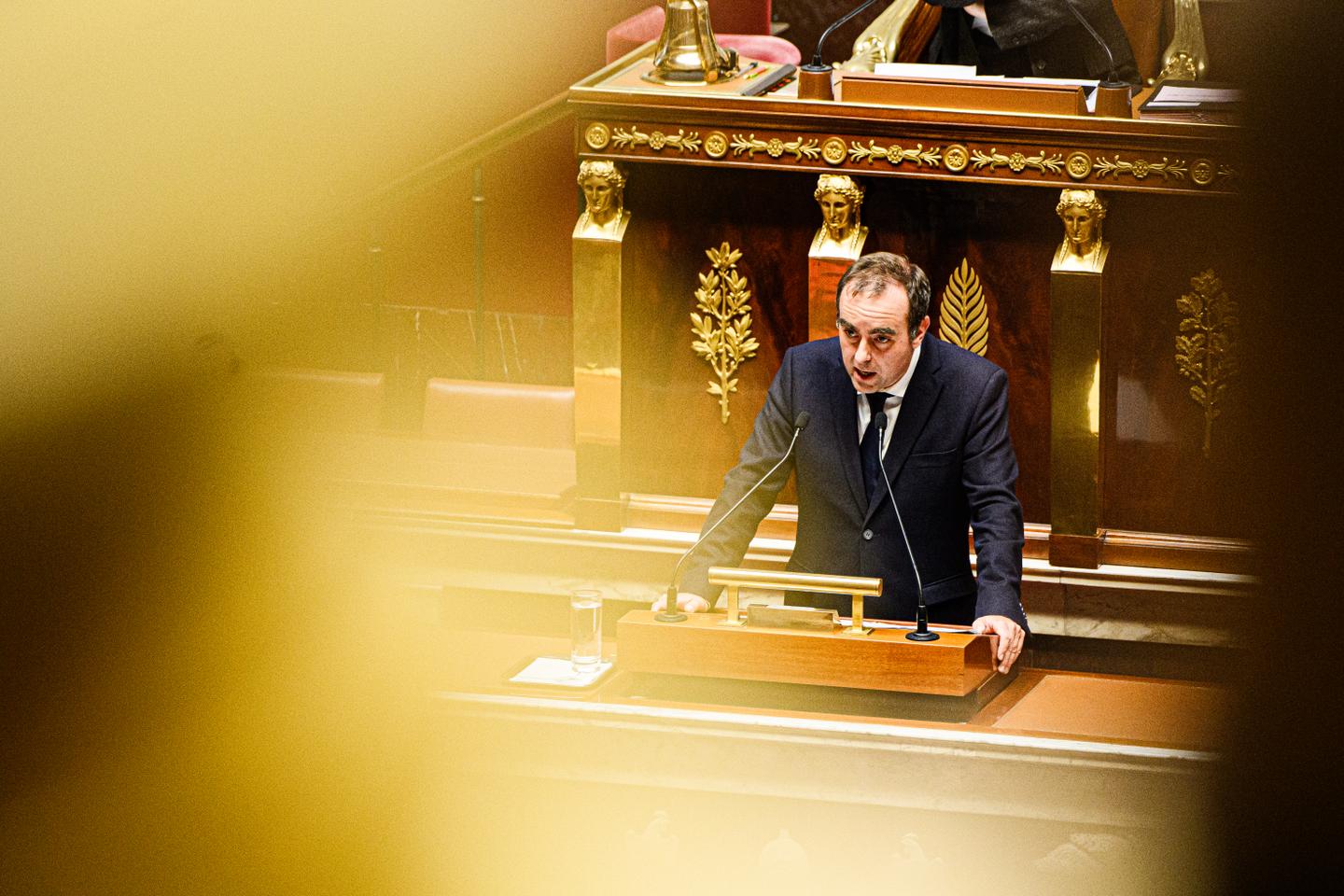
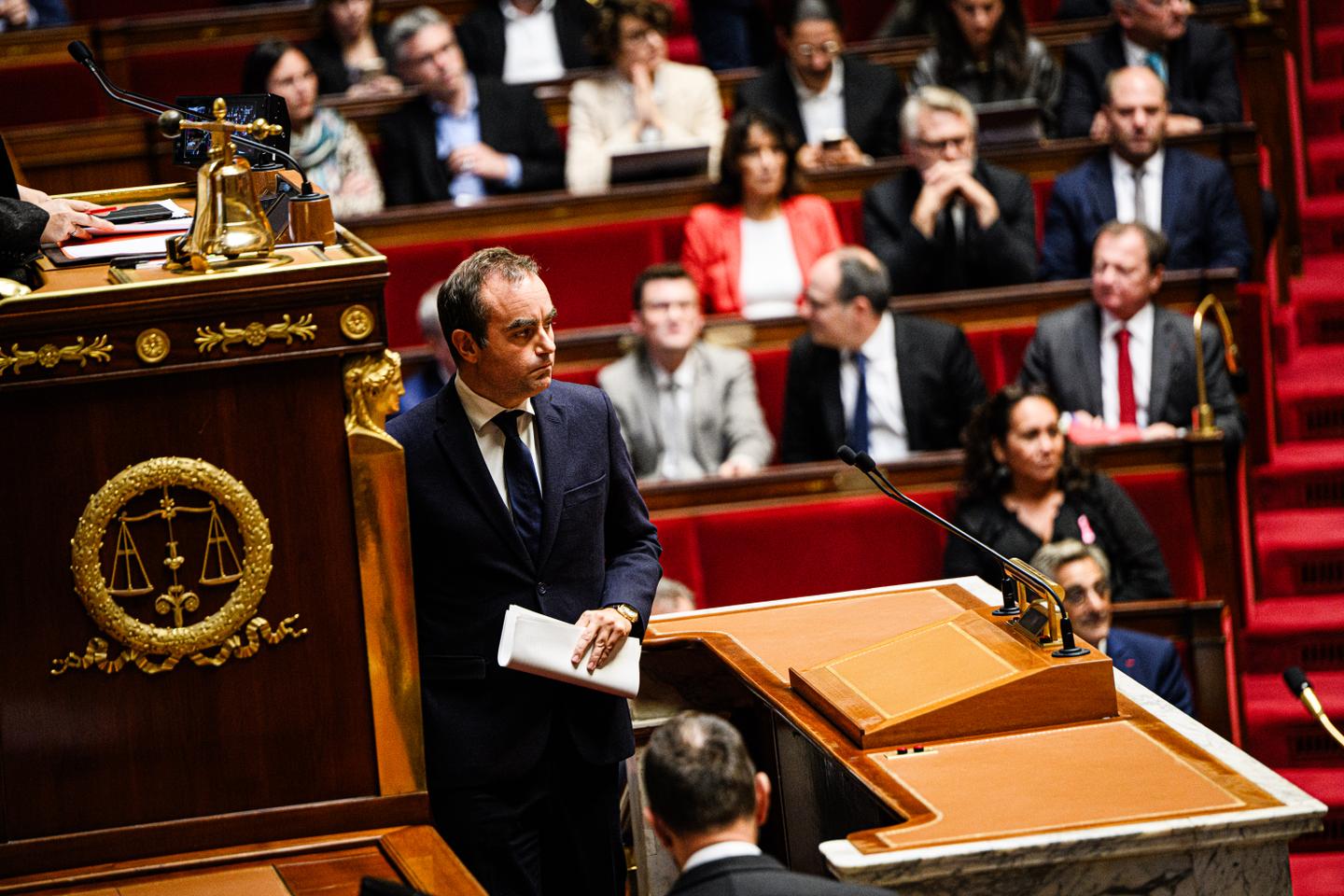
ven if they went largely unnoticed, Prime Minister Sébastien Lecornu announced several crucial shifts during his government policy statement at the Assemblée Nationale on October 14. In addition to suspending the 2023 pension reform, Lecornu notably proposed holding a "conference on pensions and work" in the near future, finally connecting these two issues. This was long overdue, as the massive rejection of the pension reform stemmed from a failure to make this connection from the outset. It is now clear that progress on pensions will only be possible after addressing the major issue of working conditions.
All parties now need to acknowledge the diagnosis that studies from the Directorate of Research, Economic Studies and Statistics (DARES) have laid bare for years, a reality that many political and business leaders still refuse to see: France has a very serious problem with working conditions, encompassing both physical and psychological hardship, pay, lack of recognition and, ultimately, the sharing of power within companies.
The "conclave" – the talks held at the request of François Bayrou in the first half of 2025 – did attempt to put hardship at work back on the agenda. Unfortunately, MEDEF, the largest employers' federation in France, persisted in its denial, resulting in failed negotiations. One way forward now would be to reinstate the four hardship factors that were eliminated in 2017 (manual handling of heavy loads, strenuous postures, mechanical vibrations, exposure to hazardous chemicals), or to officially recognize certain jobs as arduous, as our Italian neighbors have done.