O
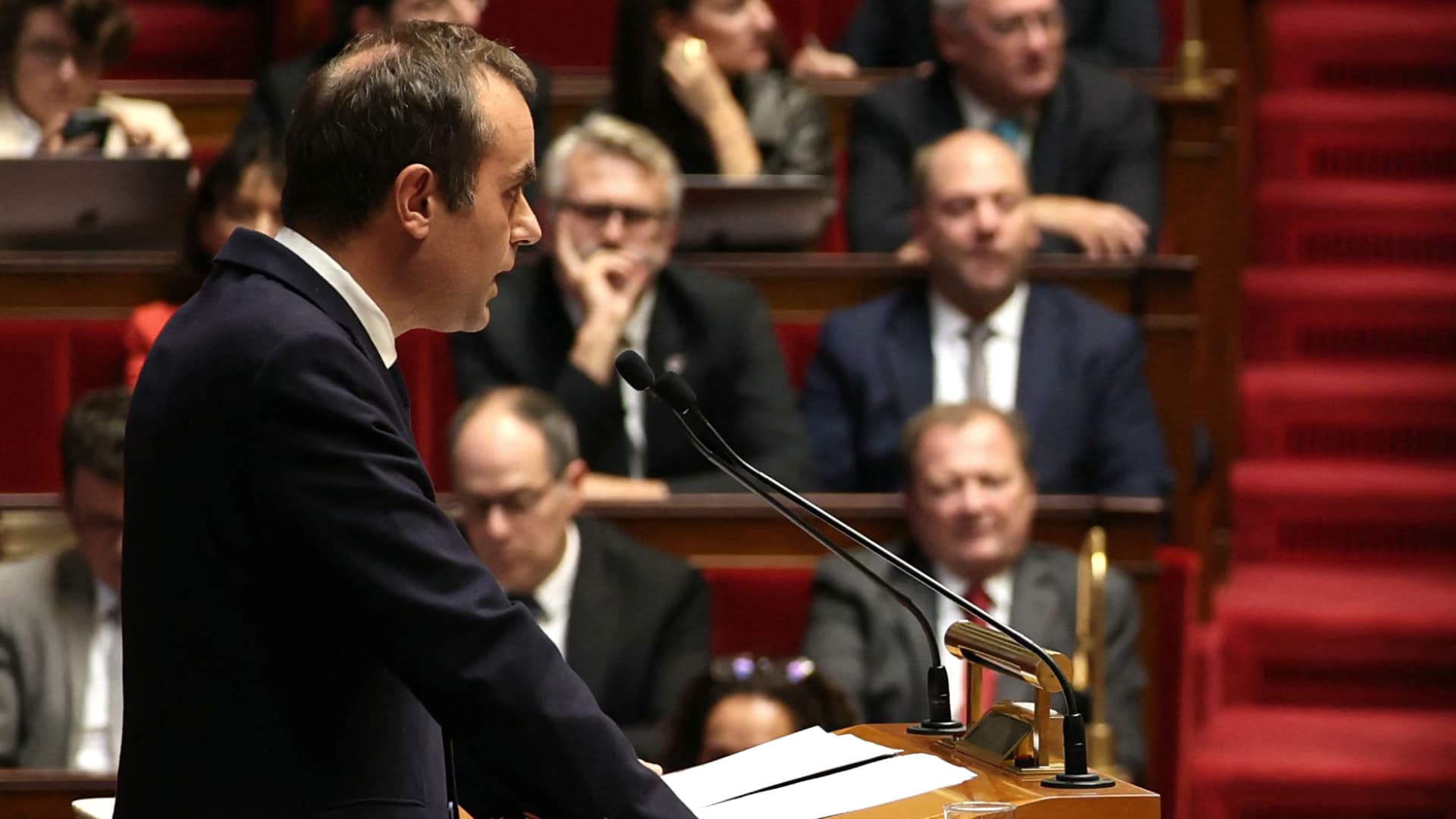
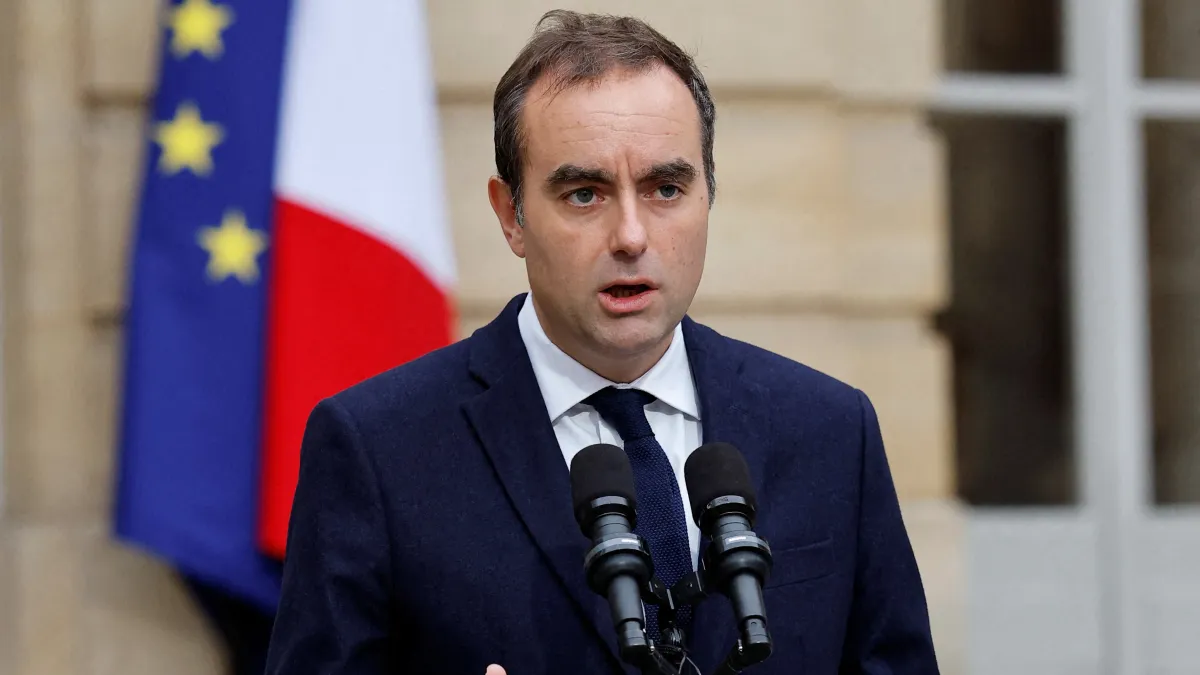
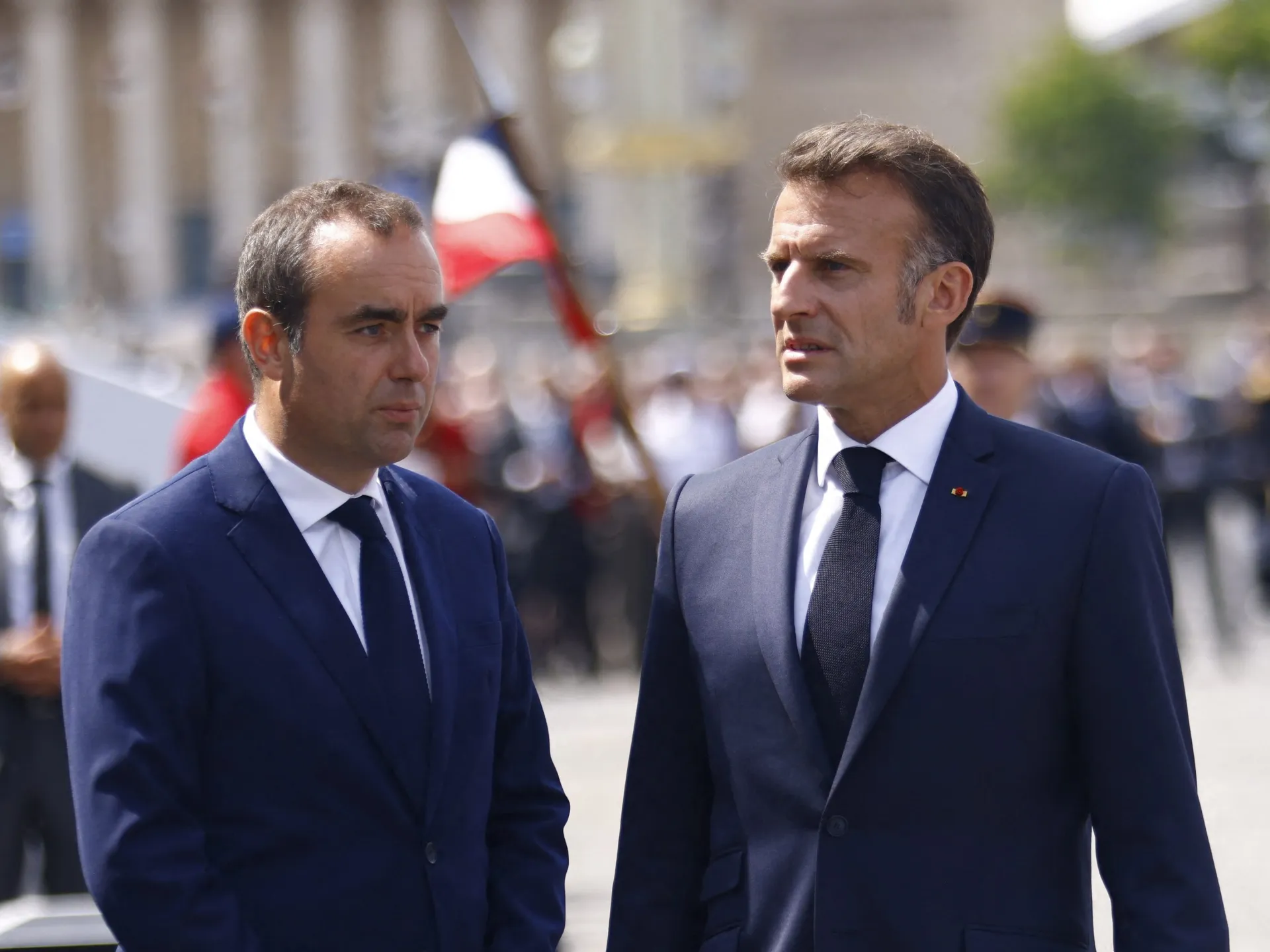
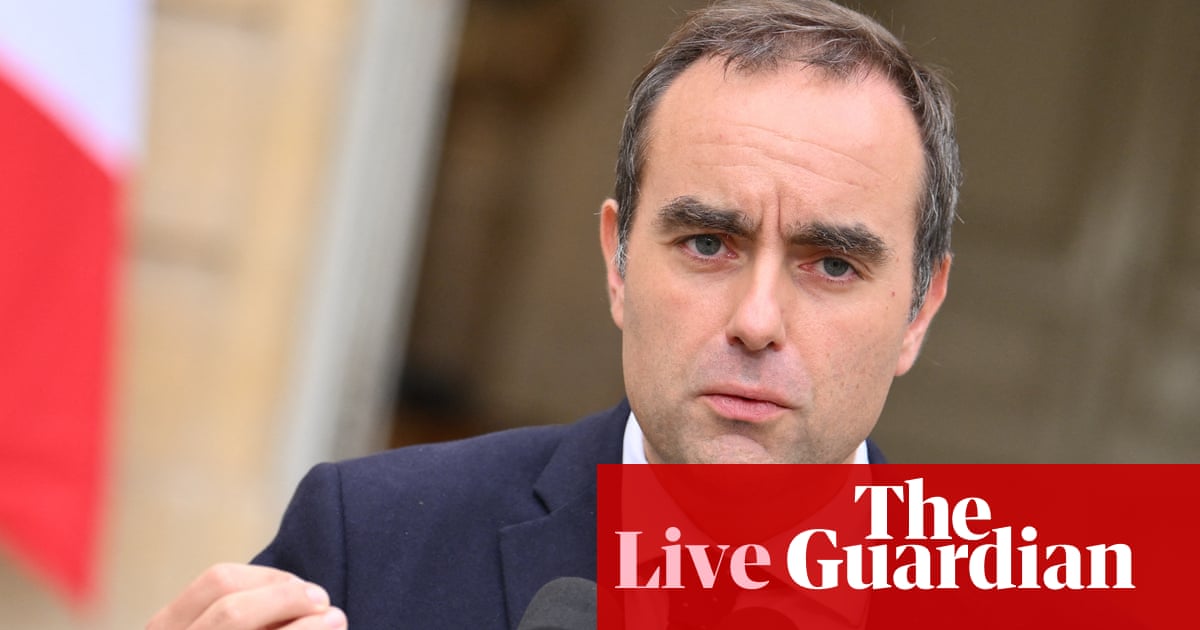
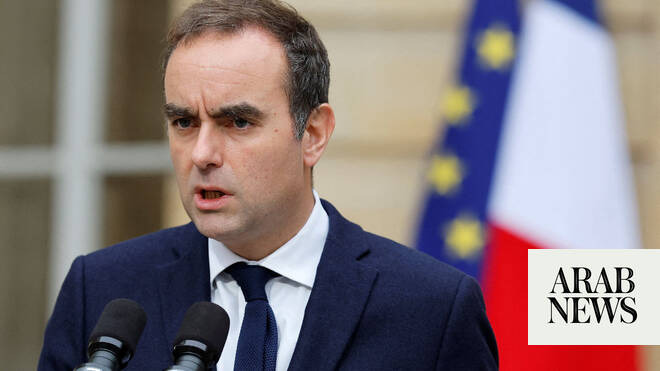
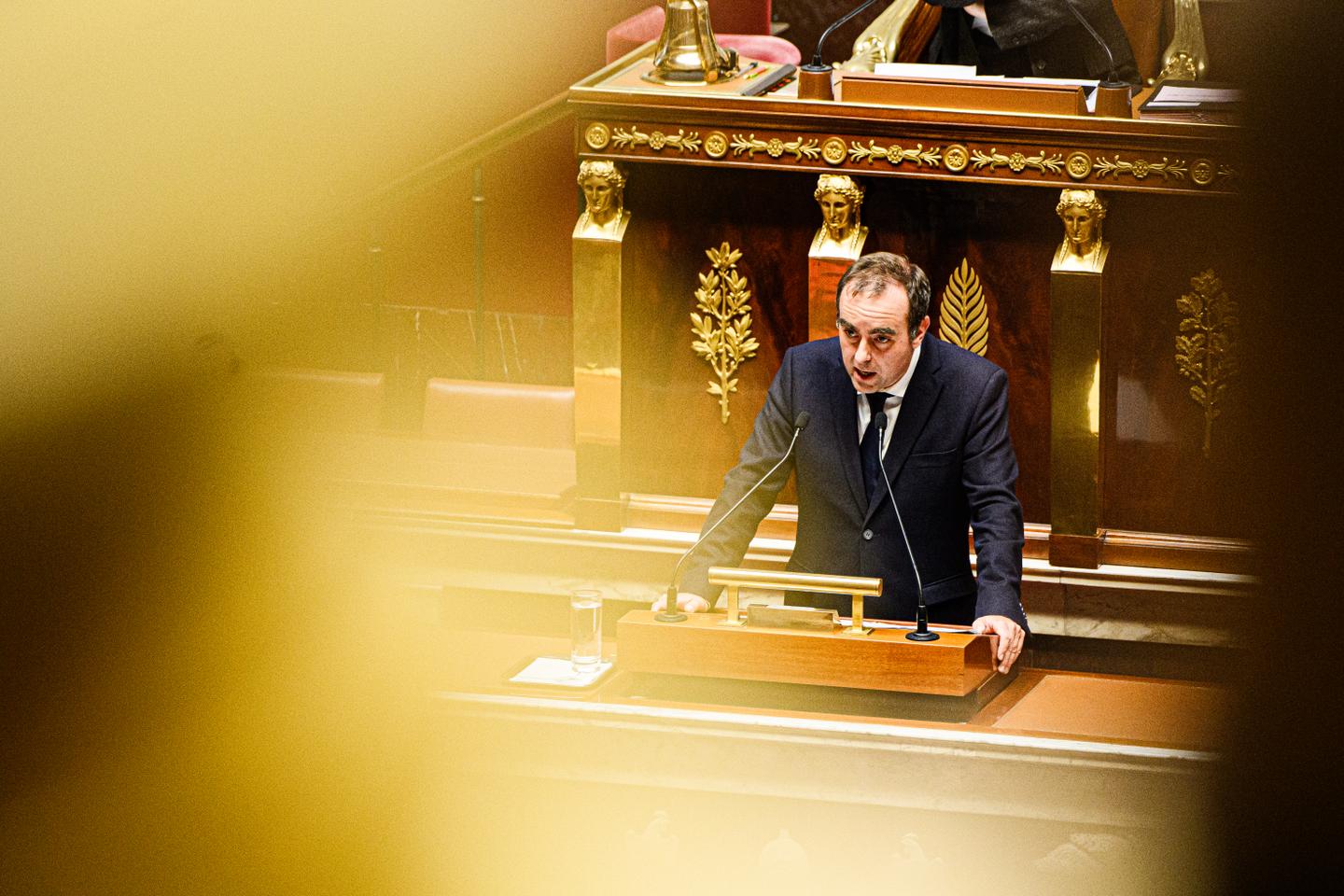
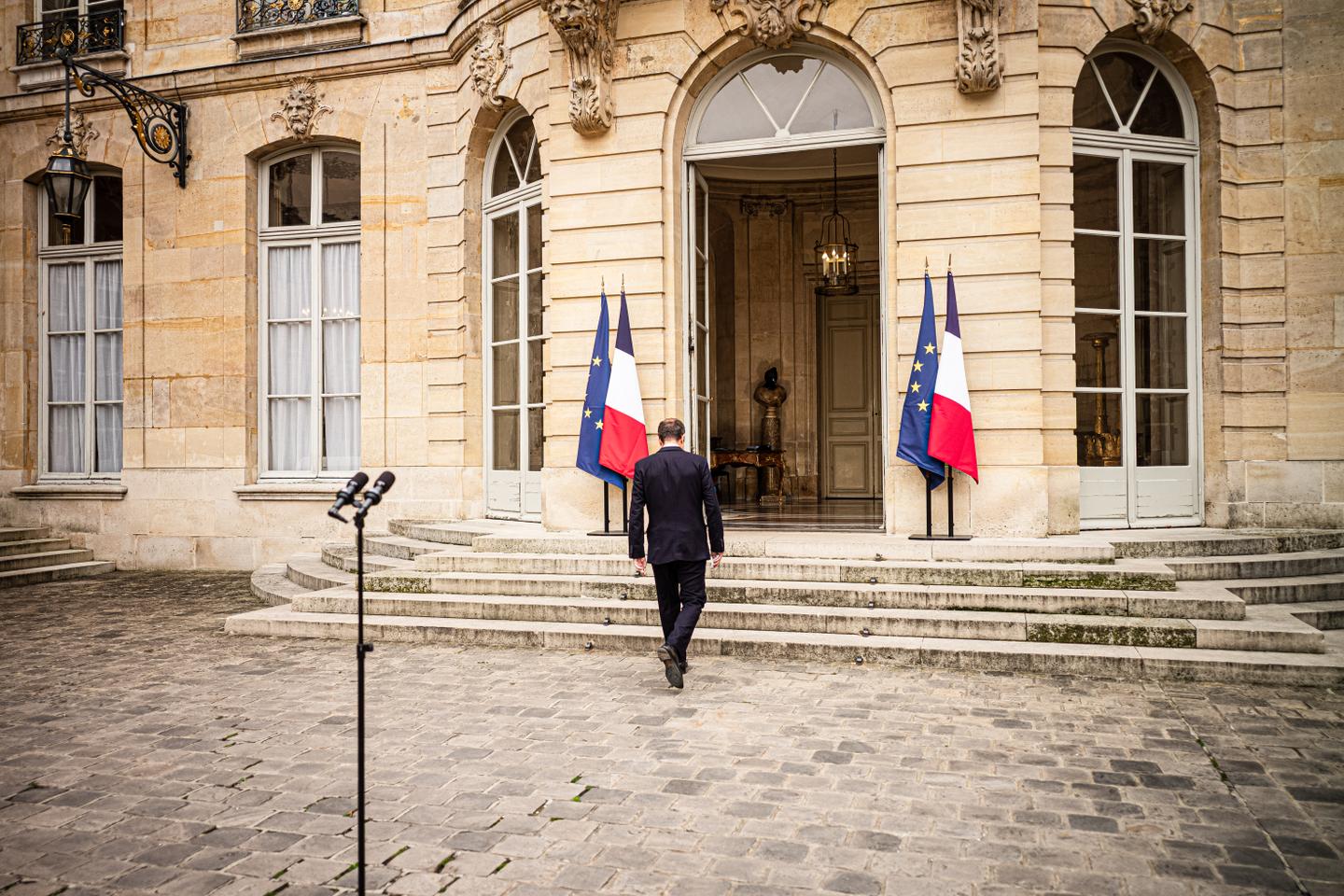
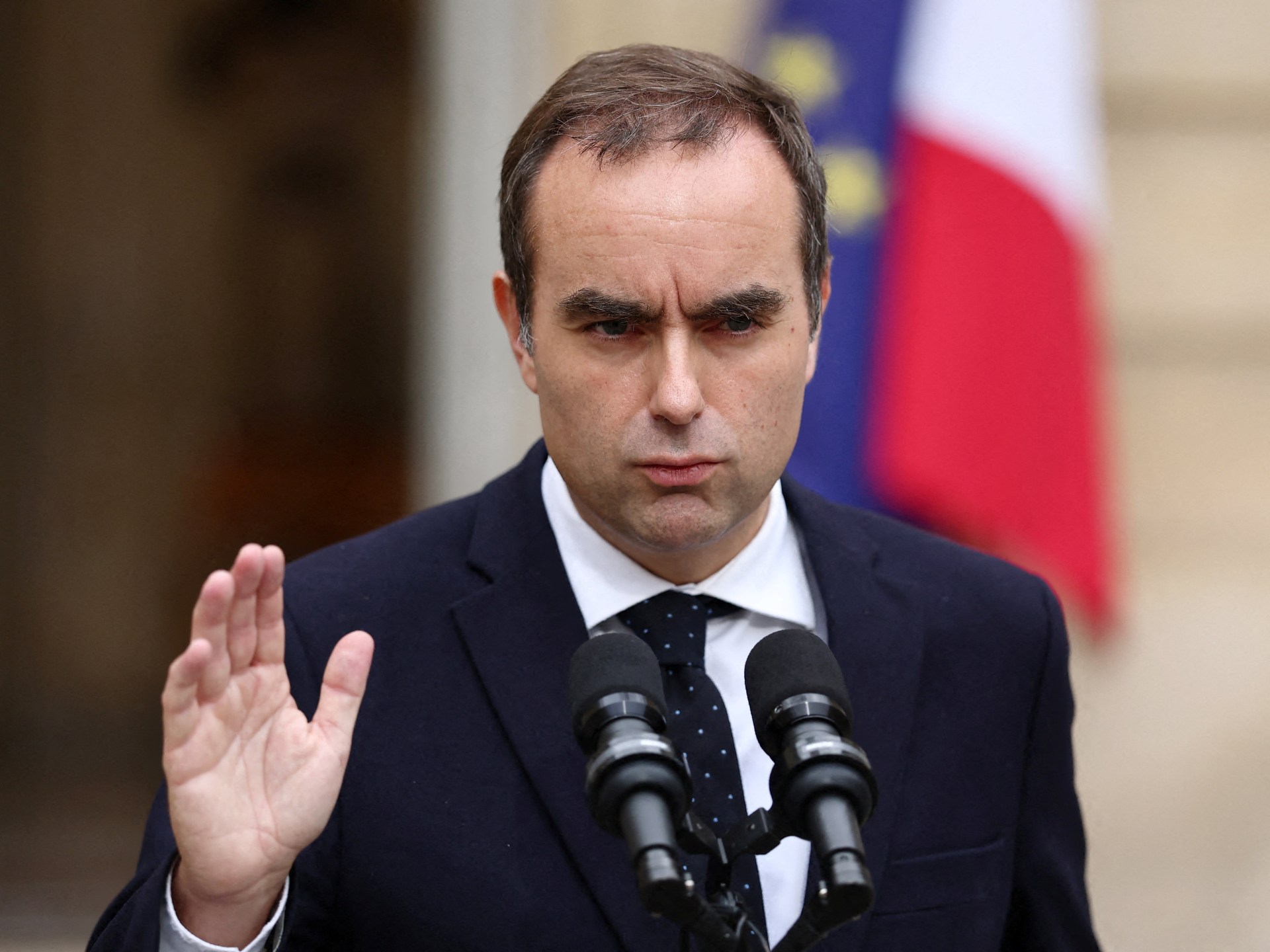
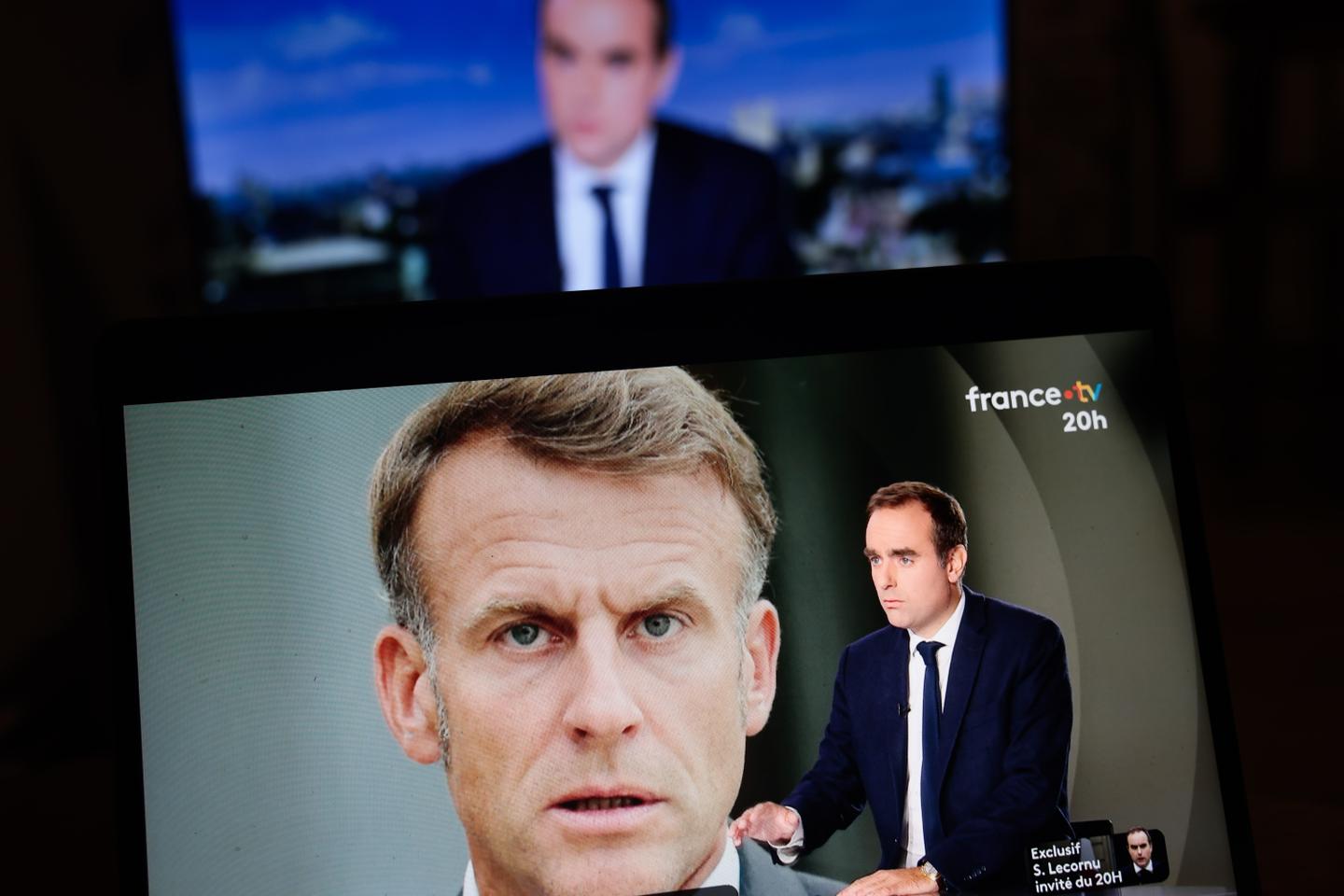
utgoing Prime Minister Sébastien Lecornu has completed his "warrior monk" mission. Appearing on French television on Wednesday, October 2, Lecornu said he could not reveal much but that a "path" was emerging and that "a very relative majority of political groups are ready to agree on a shared budget." The responsibility for ending this major political crisis now lies with President Emmanuel Macron, who alone has the authority to appoint a new prime minister or dissolve the Assemblée Nationale – a prospect that terrifies every party except the far-right Rassemblement National and the radical-left La France Insoumise. To remain in power through the end of his second term, the president has no choice but to make concessions, not only in form but also on substance.
Since Sunday evening, Macron has watched new parts of his power collapse. His second term, already weakened by the 2022 parliamentary elections that gave him only a plurality, and again by the disastrous 2024 snap elections that gave him not even that, now hangs by a thread. This time, even some prominent Macronists have called for change.
In just a few days, two of his former prime ministers, Gabriel Attal and Edouard Philippe have sharpened their criticisms: The first said he no longer understood Macron; the second called on him to resign, a scenario unimaginable just a few weeks ago. On Tuesday evening, another of Macron's former prime ministers, Elisabeth Borne, even suggested suspending the contested 2023 pension reform, which had been pushed through Parliament without a vote, despite widespread protests. The issue, described as an obstacle by Lecornu, is the key to resolving the crisis.