O
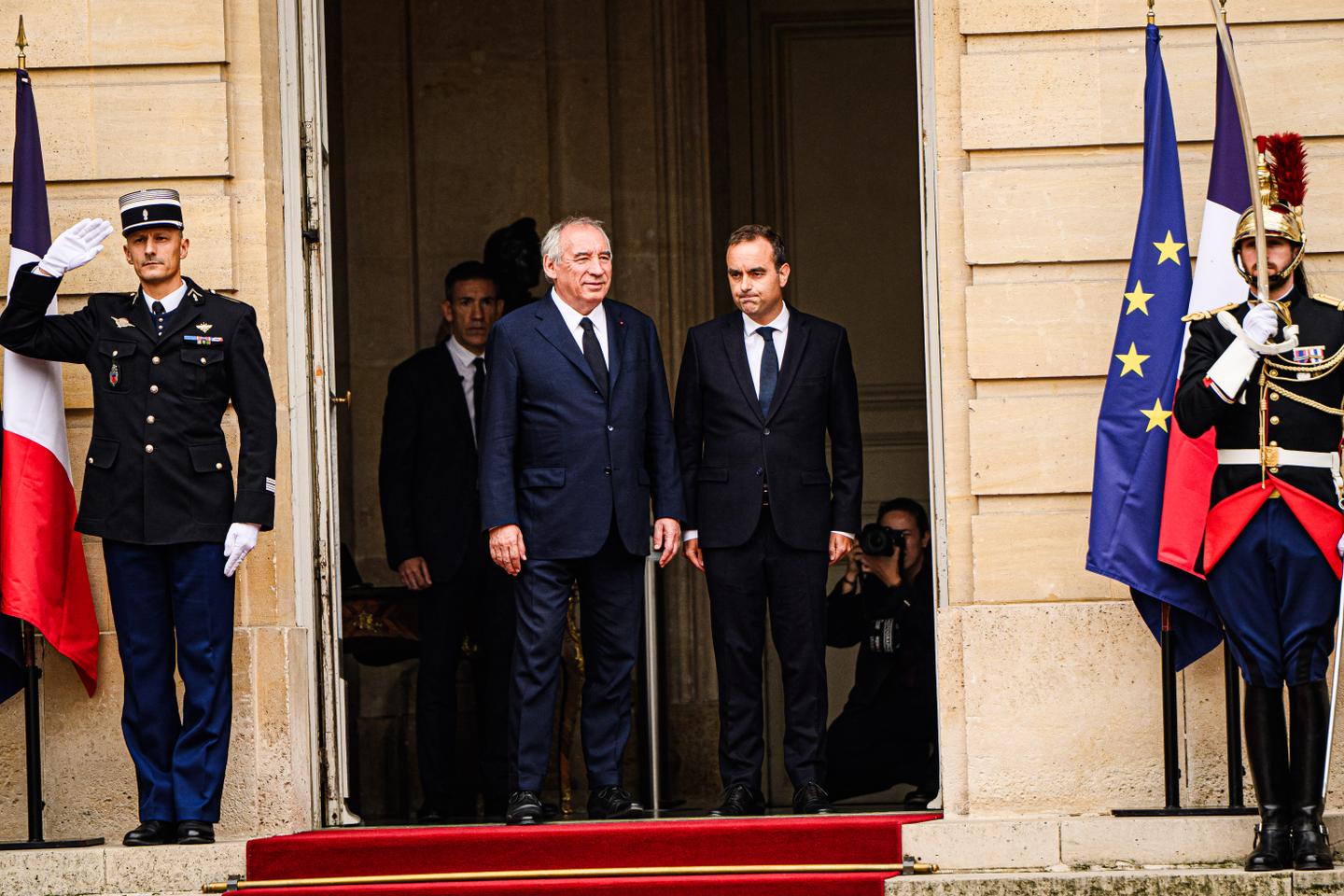
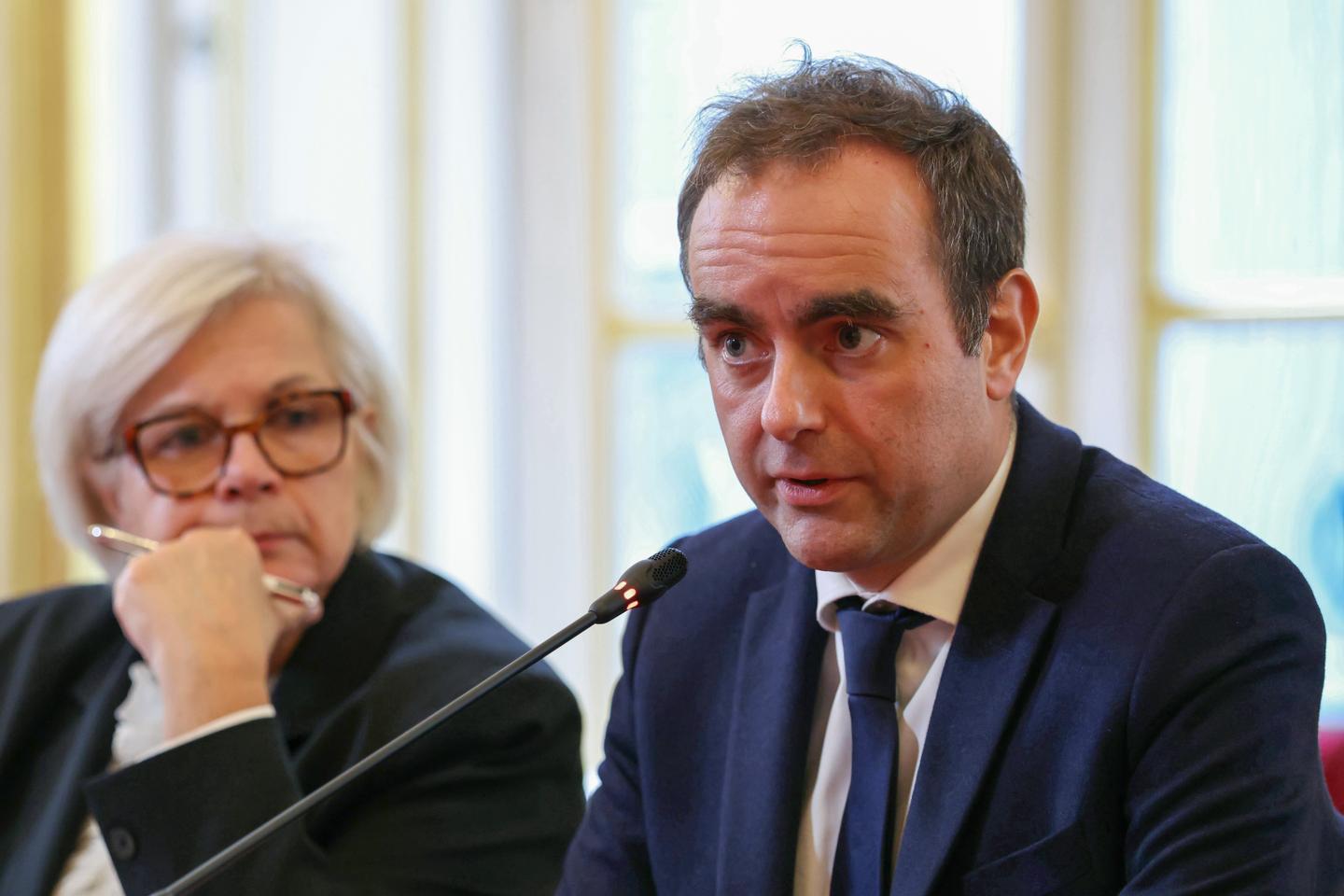
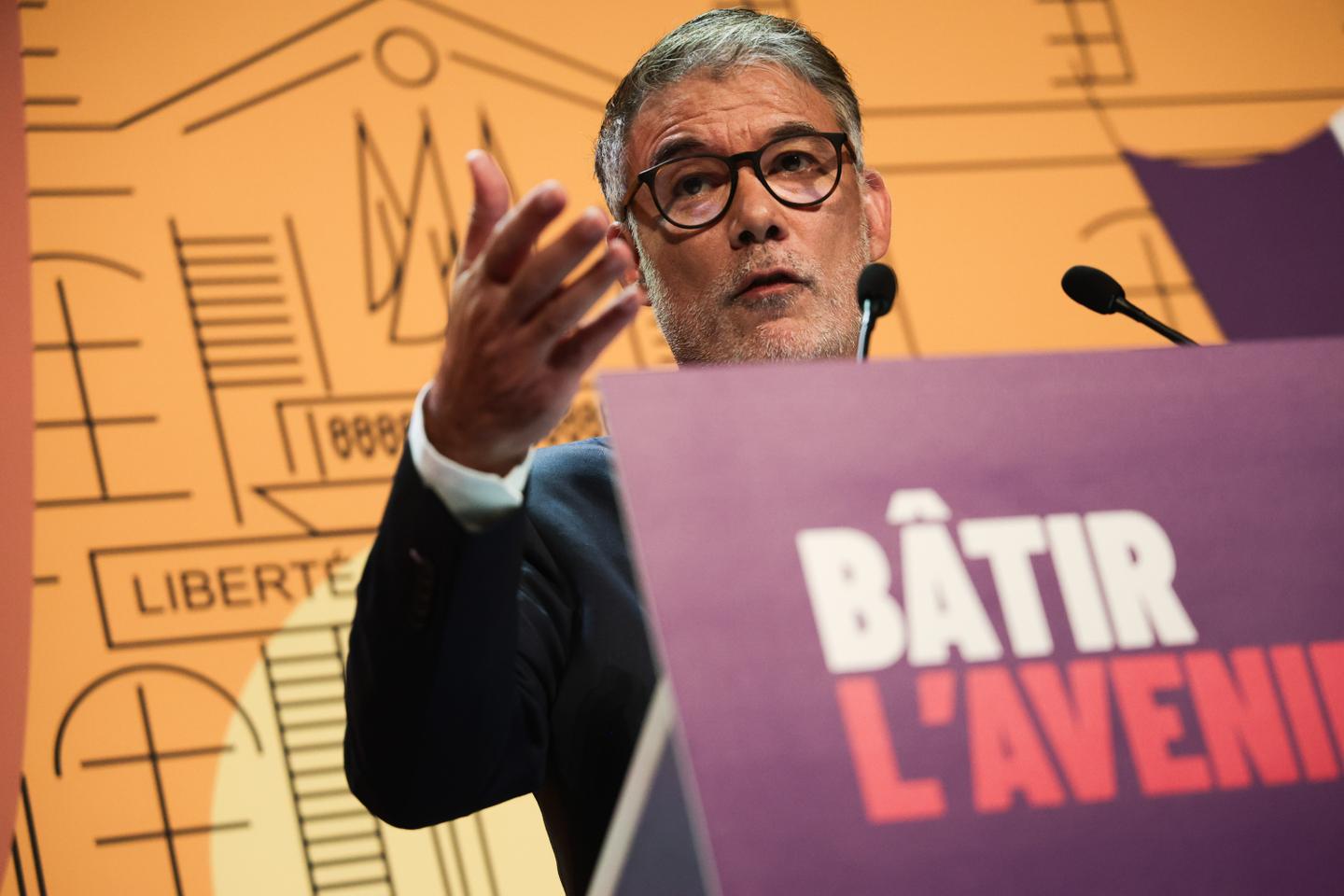
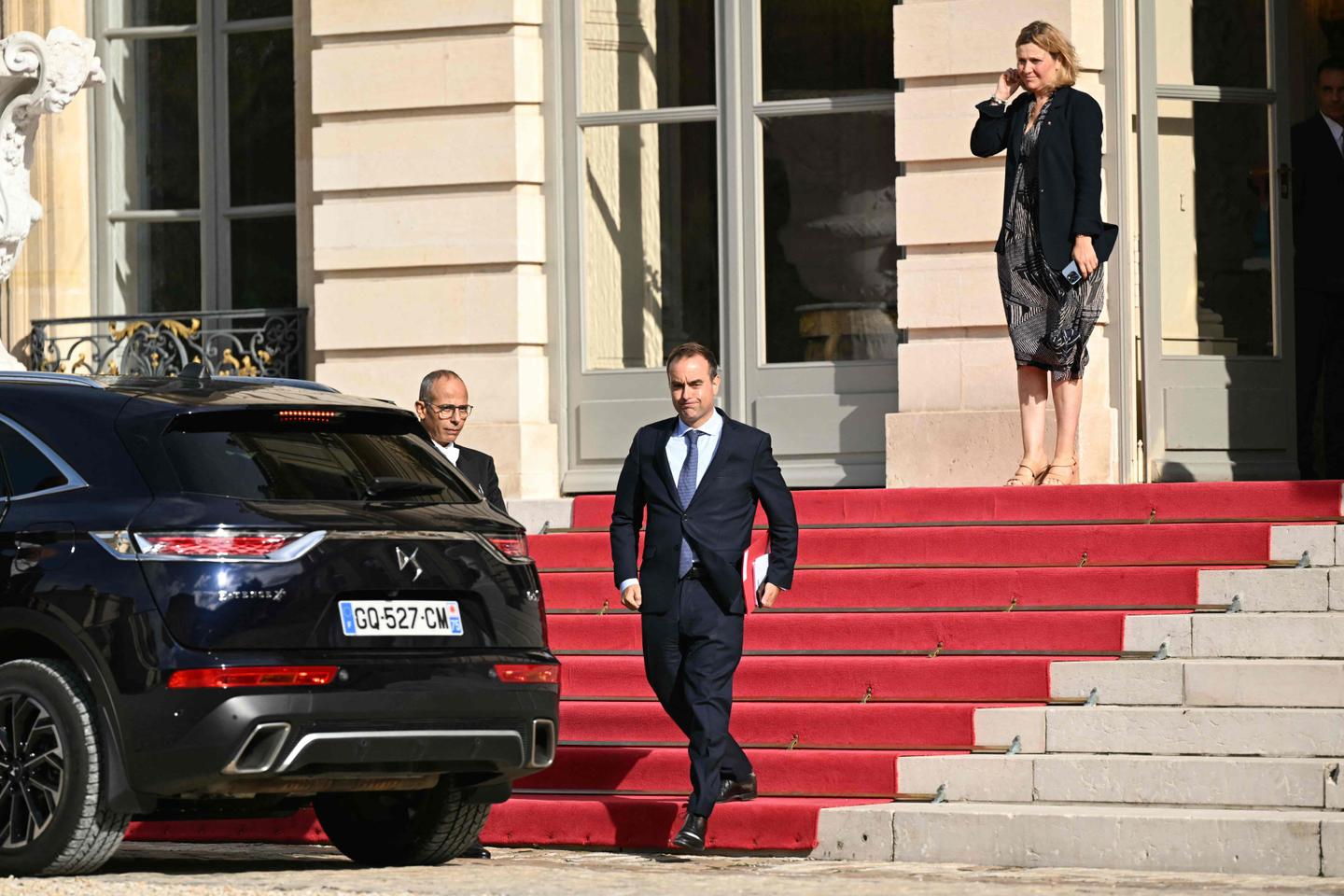
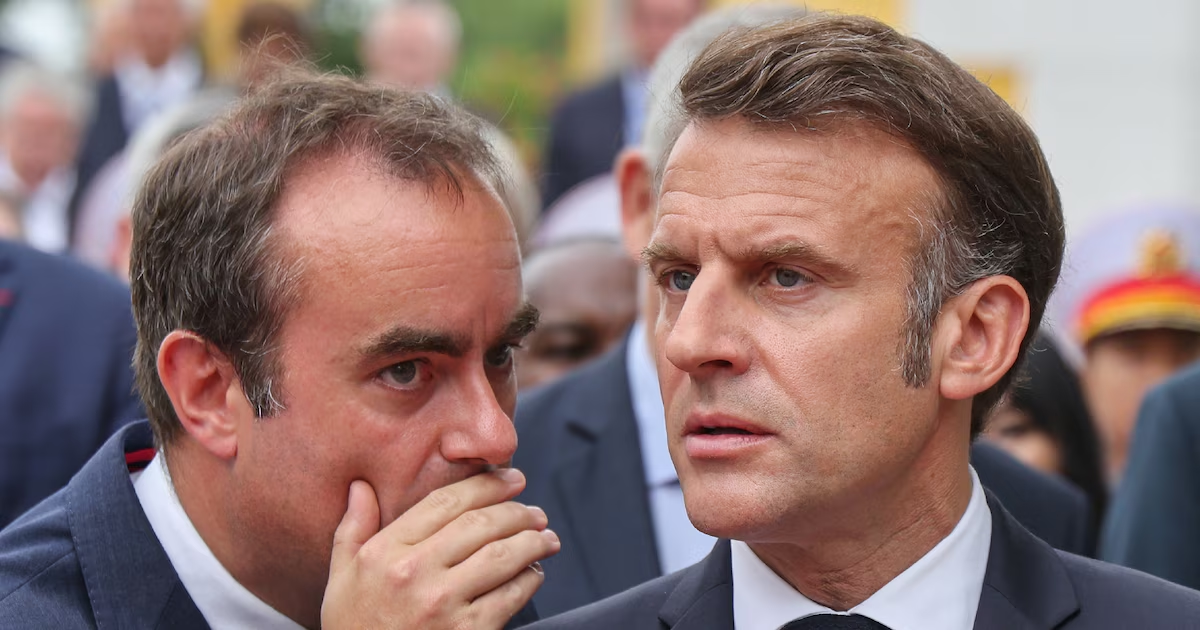
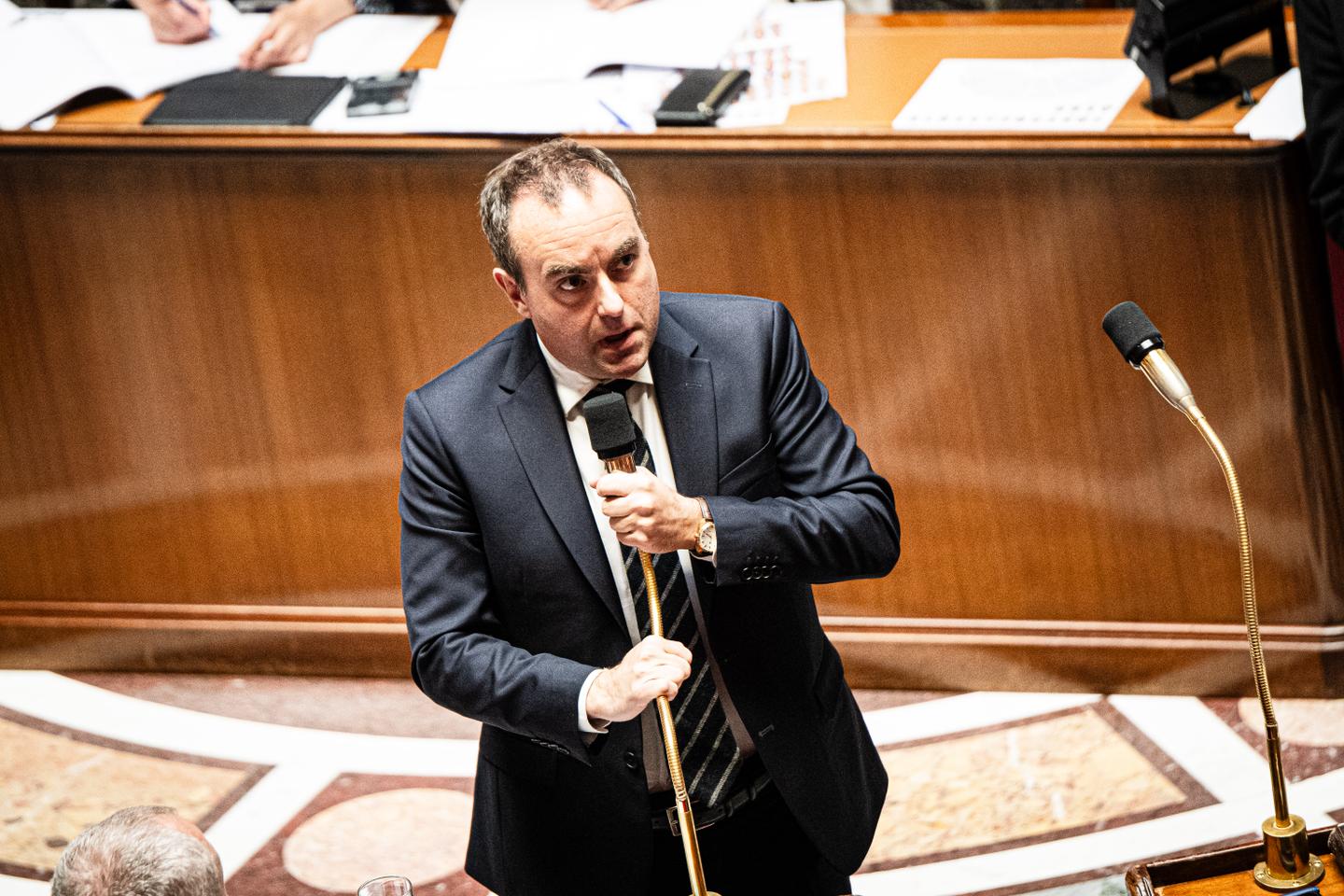
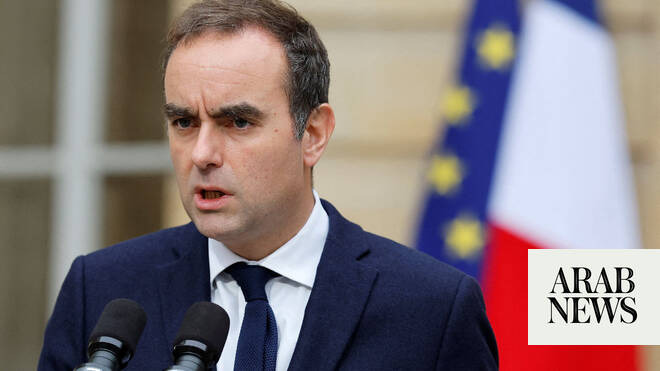
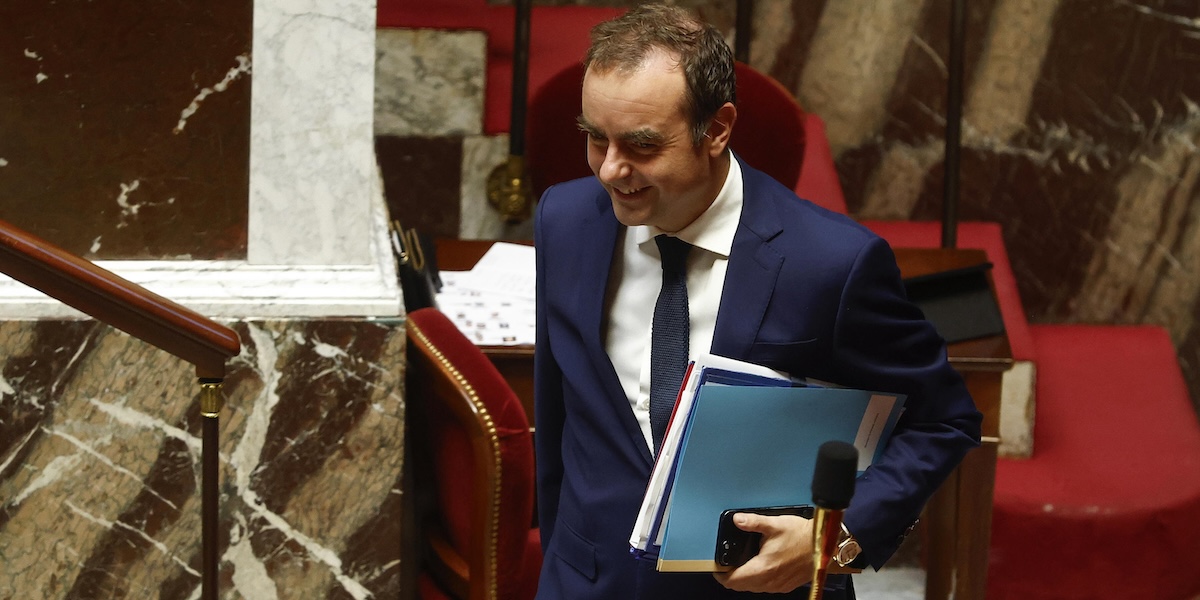
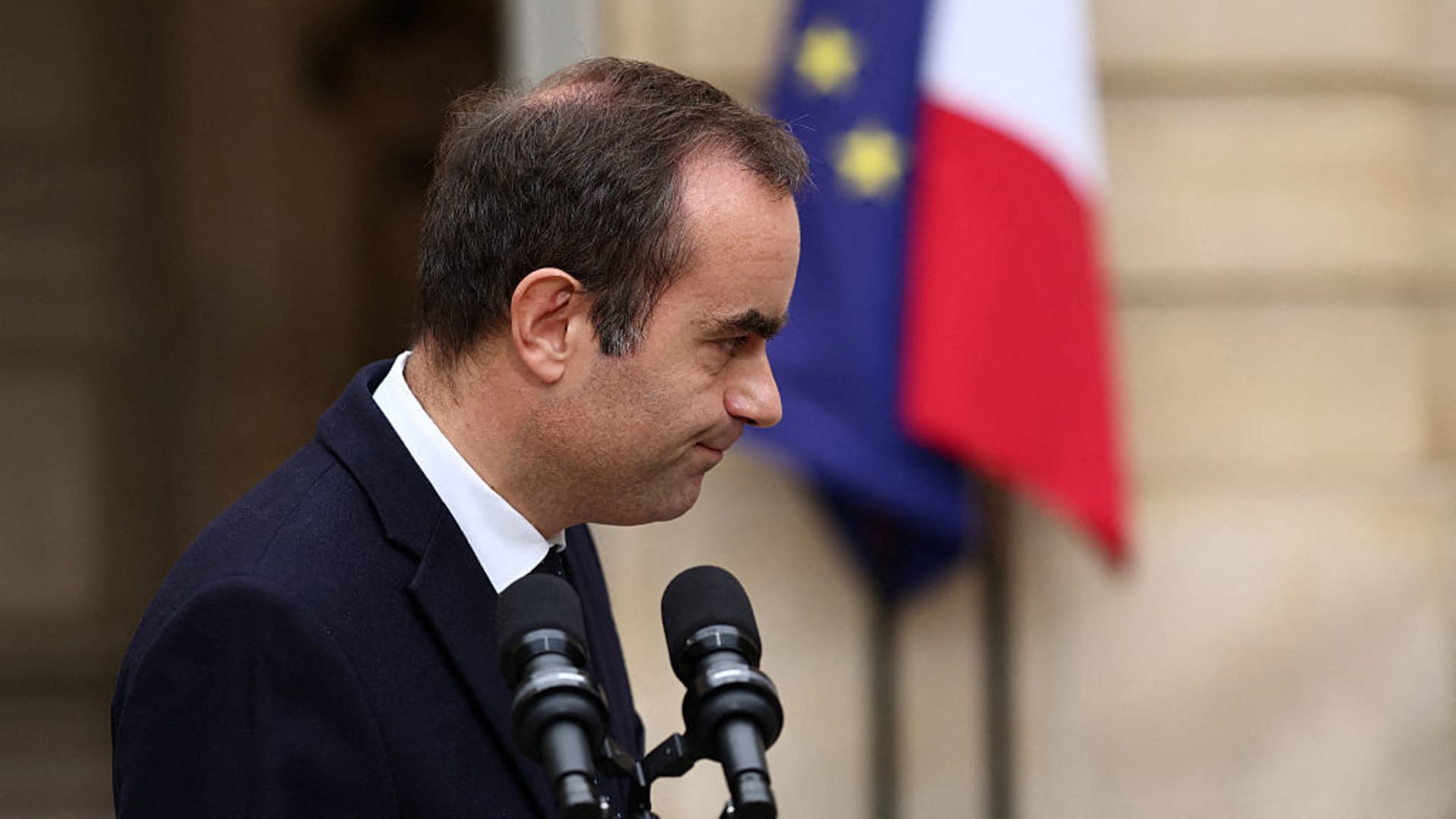
livier Faure, the leader of France's Socialists, did not become prime minister. Instead, President Emmanuel Macron on Friday reappointed Sébastien Lecornu, who had resigned days earlier. For the fourth time since the legislative elections of July 2024, the left watched the position slip away. The Socialists in particular had hoped, after successfully pushing their issues into the public debate (the Zucman tax and a suspension of the contested 2023 pension reform, among others).
The disappointment was genuine among those nostalgic for the Socialists' golden era. Having been out of power since 2017, many were ready to return, determined not to disprove the saying that "a party of government governs," even under hostile conditions and at the risk of damaging their prospects for 2027, as the prime minister's office rarely leads to the Elysée Palace.
How could the party have done better than the two previous prime ministers, Michel Barnier and François Bayrou, both of whom were toppled by no-confidence votes? And this, despite the risky promise Faure made to forgo, under all circumstances, Article 49.3 of the Constitution, which allows a law to be passed without a vote, as well as other procedural tools such as the ban on "legislative riders."