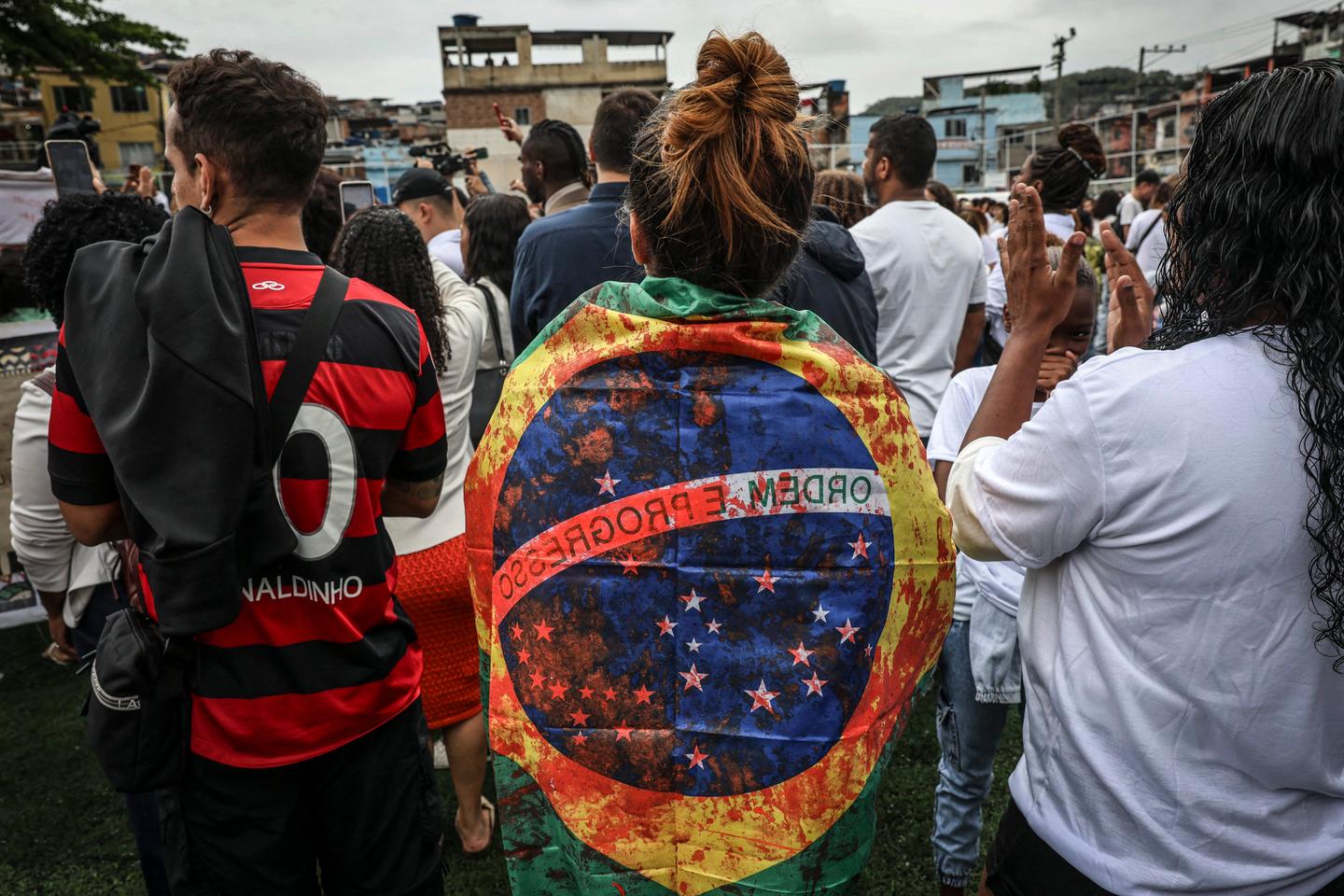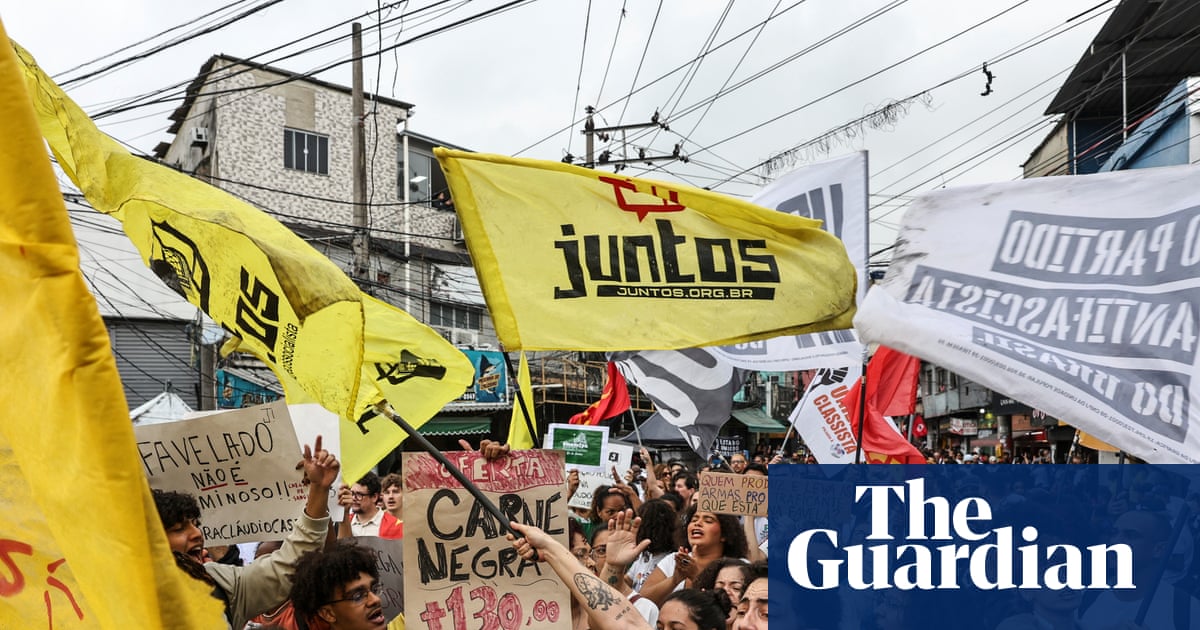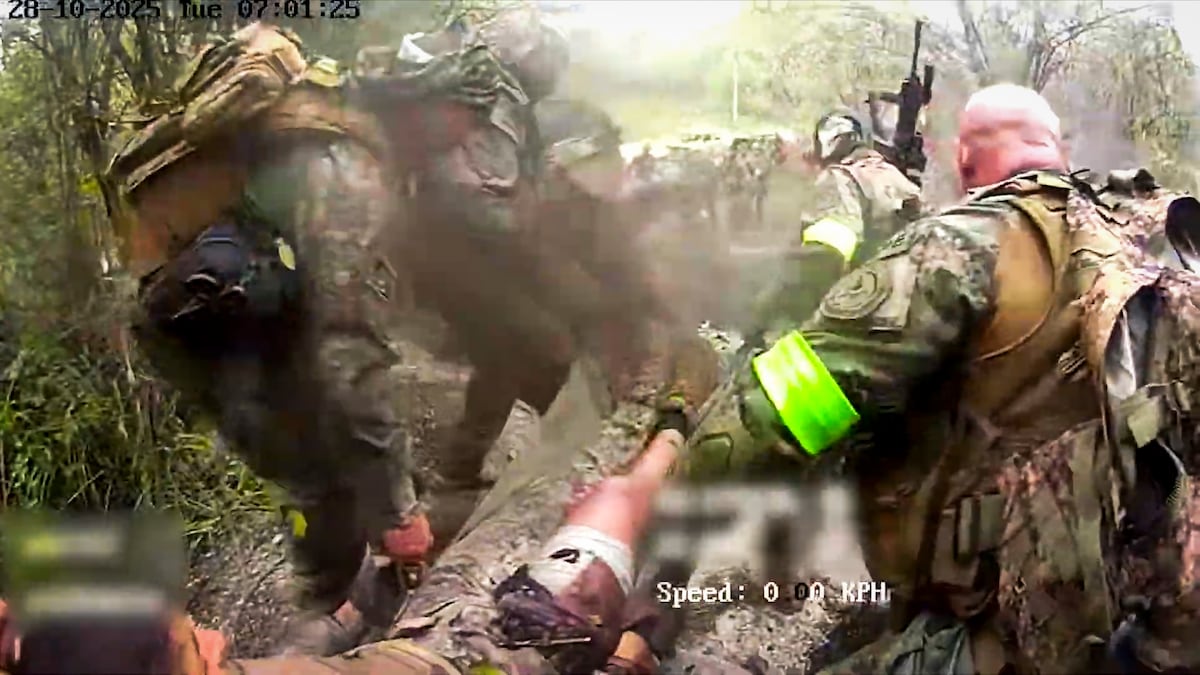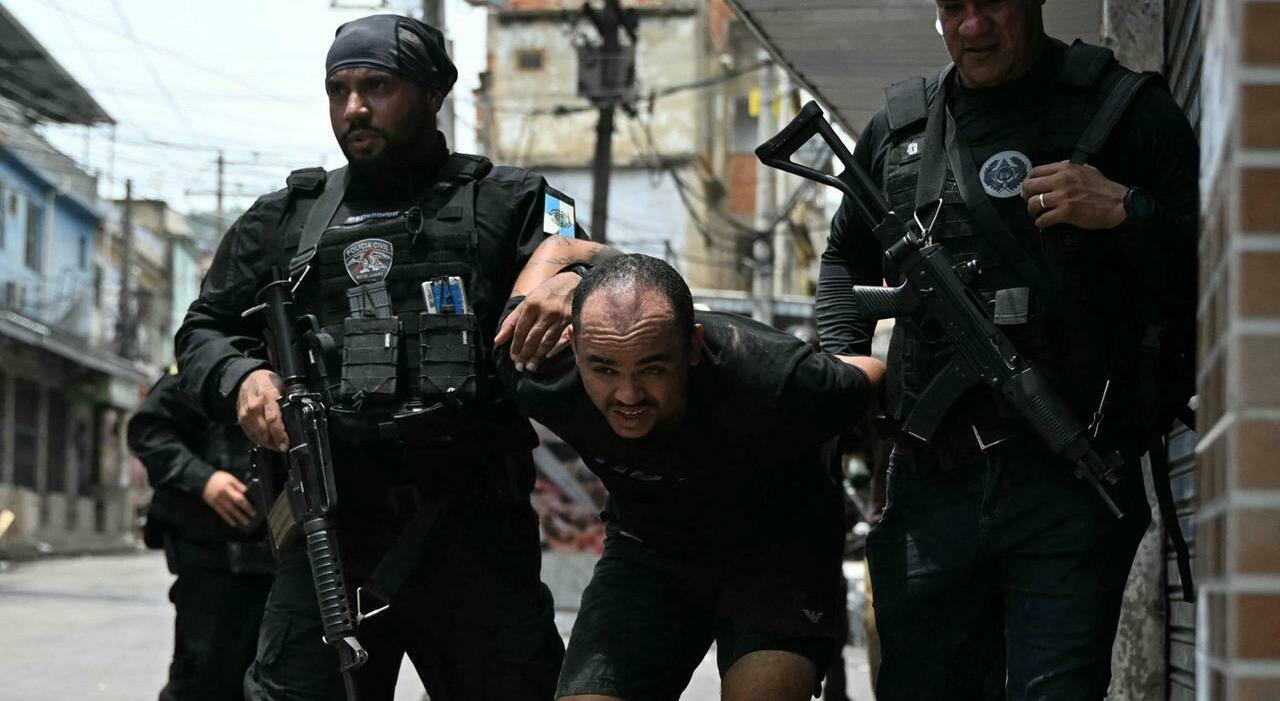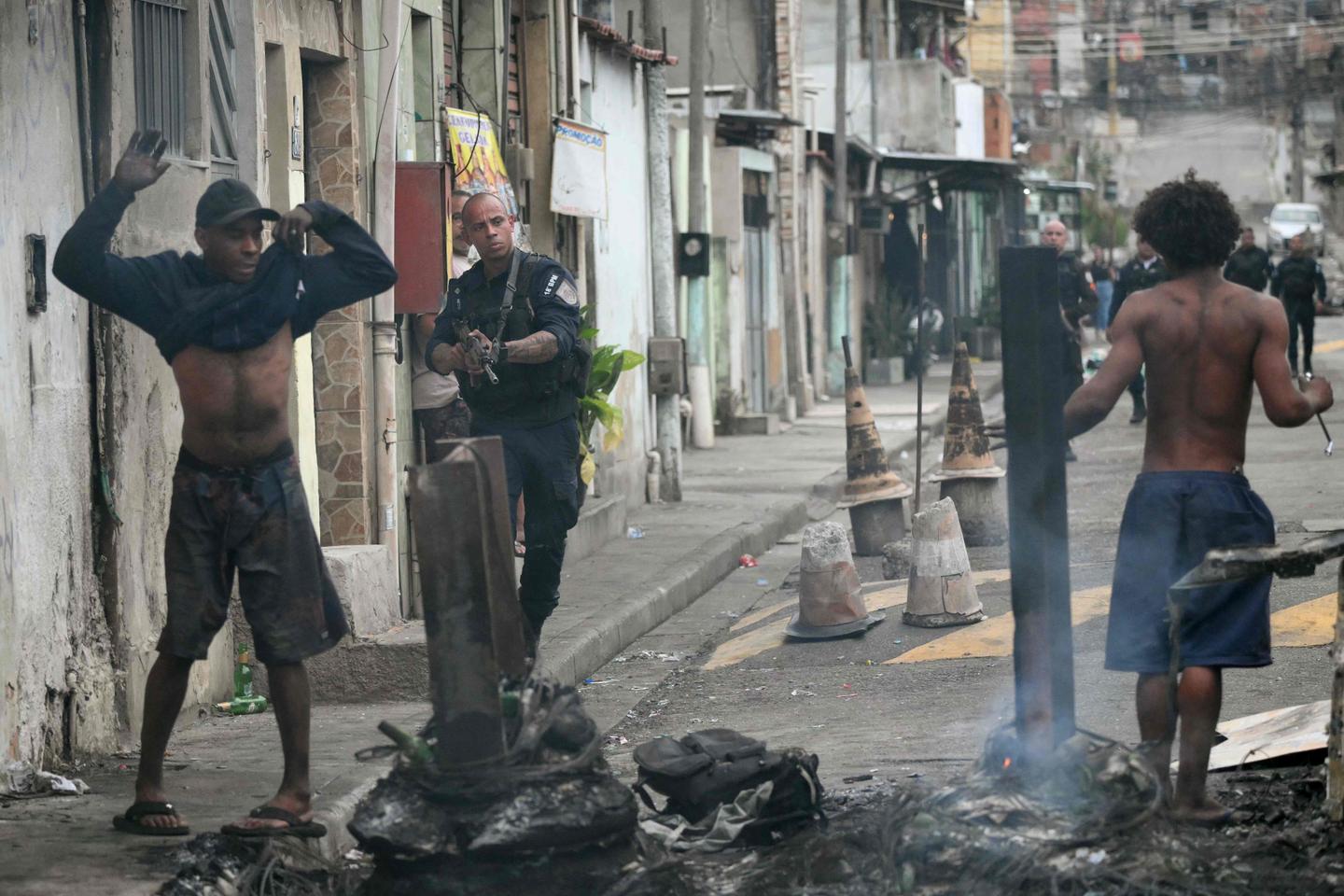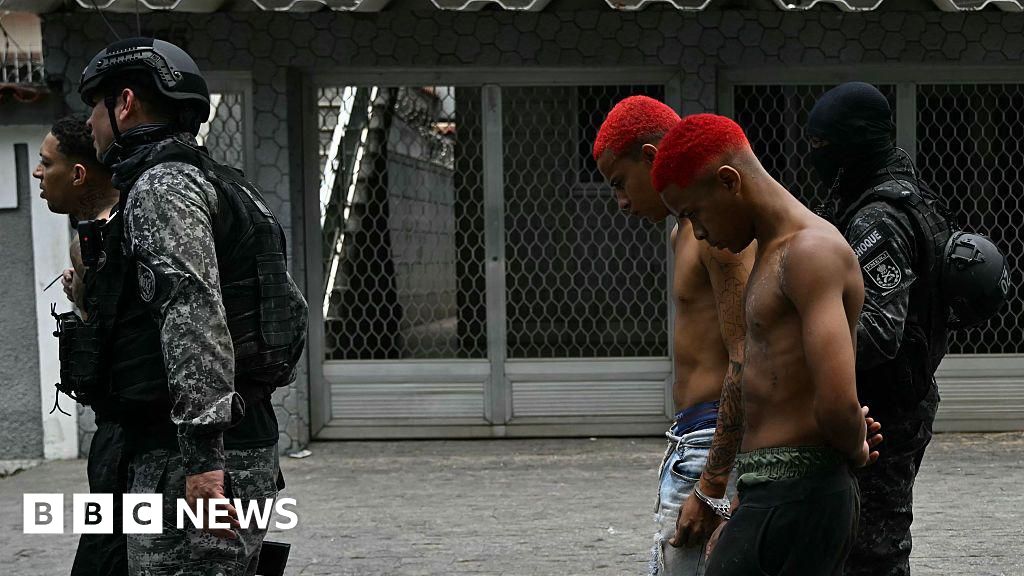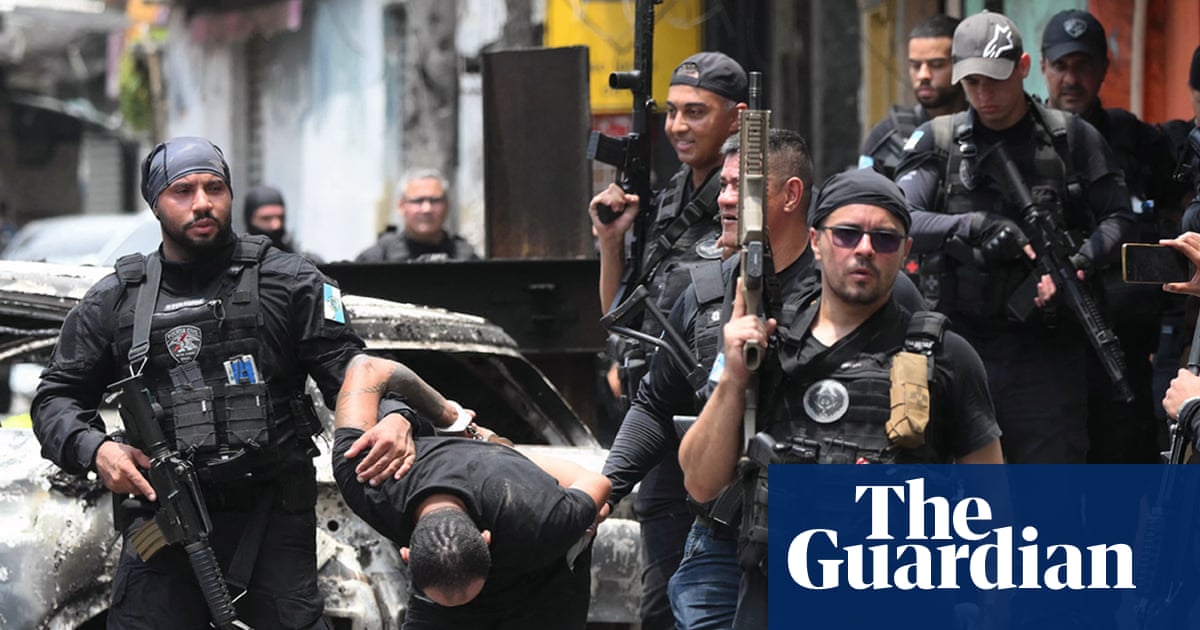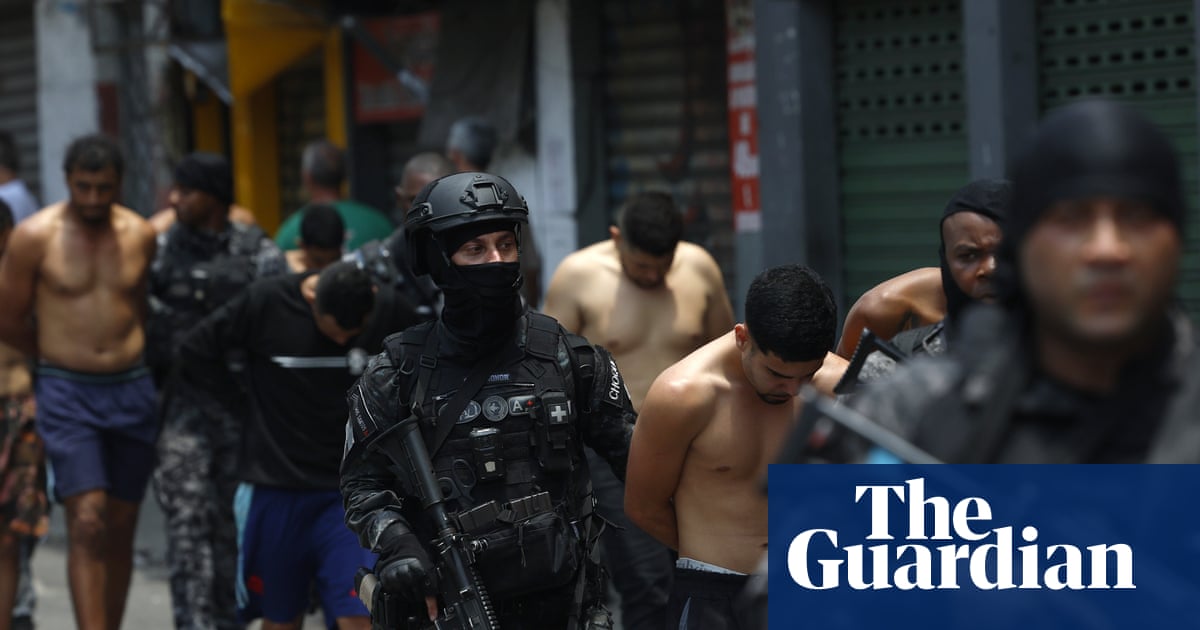
Last Tuesday (October 28, 2025), before the sun had risen over Rio de Janeiro’s low hills, two favelas (shantytowns) on the city’s northern fringe were surrounded by heavily-armed troops as their armoured cars growled through narrow lanes and bursts of gunfire rattled the red-brick dwellings. The operation against the Comando Vermelho (Red Command) gang, which controls the city’s drug trade, lasted for hours.
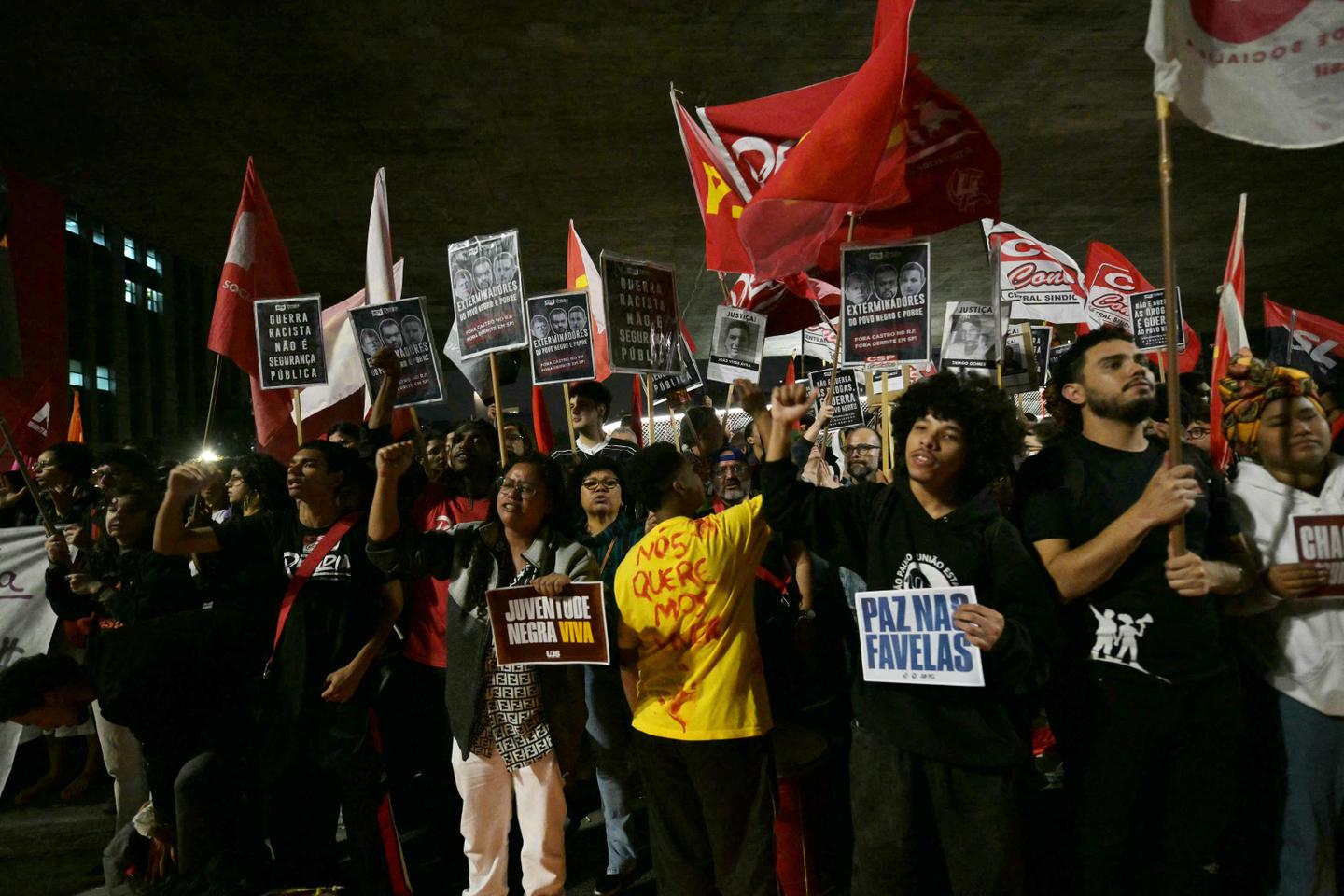
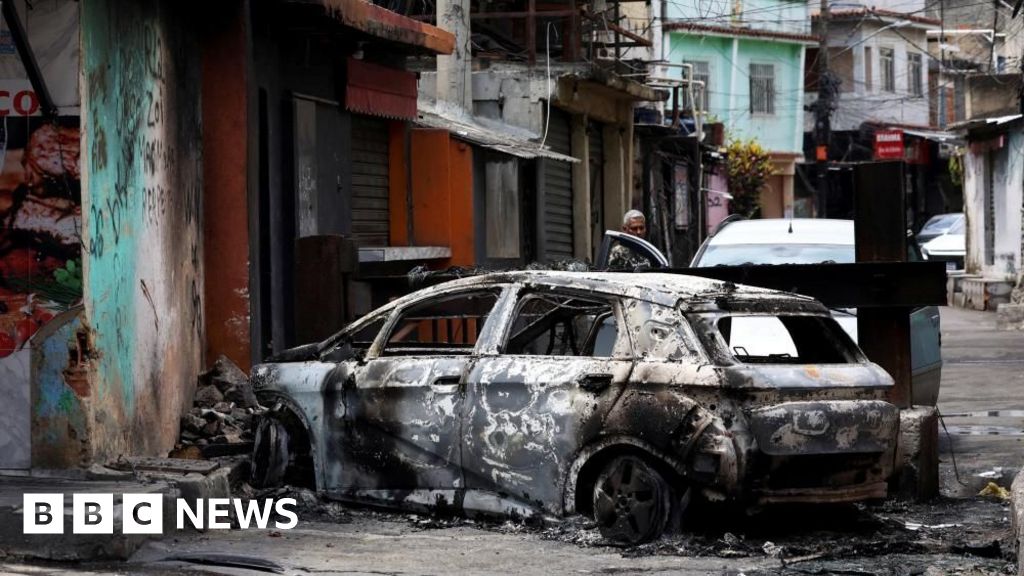
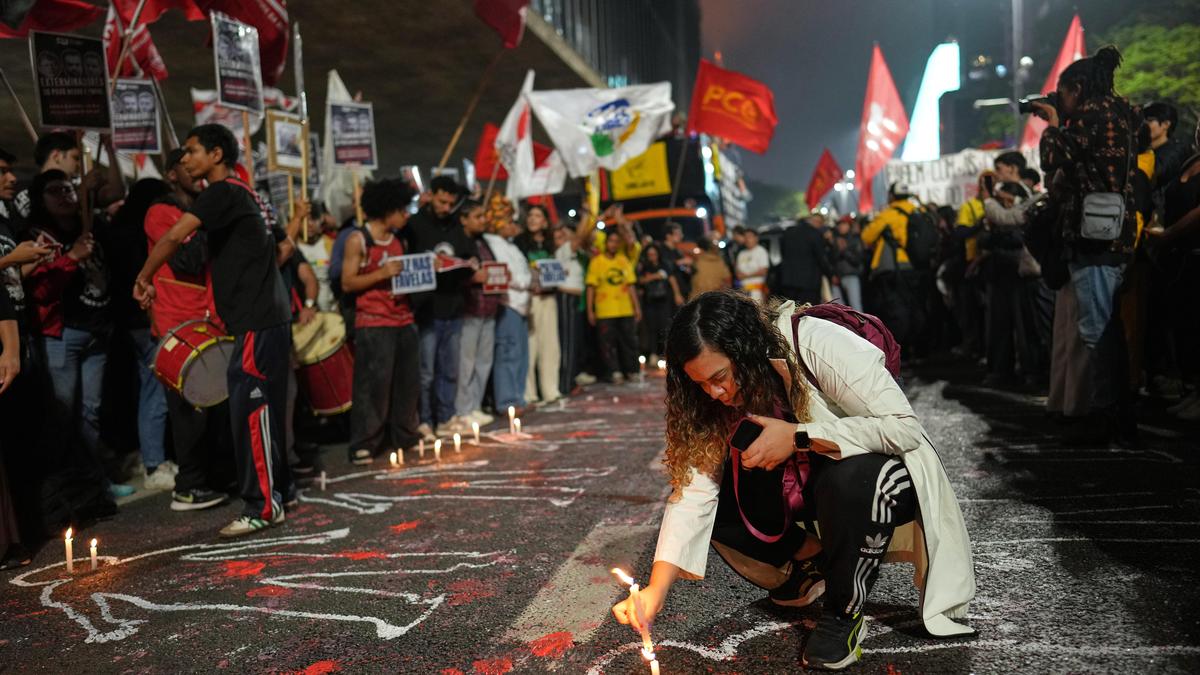
By afternoon, the favelas had turned into a war zone — smoke billowed from cars burning in the streets, bodies lay in side alleys, and an acrid haze swept through the sprawl where residents hid in their tiny homes. By the time fingers were lifted from the triggers of automatic rifles, 64 people — including four police officers — lay dead. Within hours, Rio de Janeiro’s governor Cláudio Castro appeared before cameras, hailing the operation as a “great success,” even as Brazil erupted in debate over its purpose and cost.
At least nine killed, 6 injured in police raids in Rio de Janeiro favelas
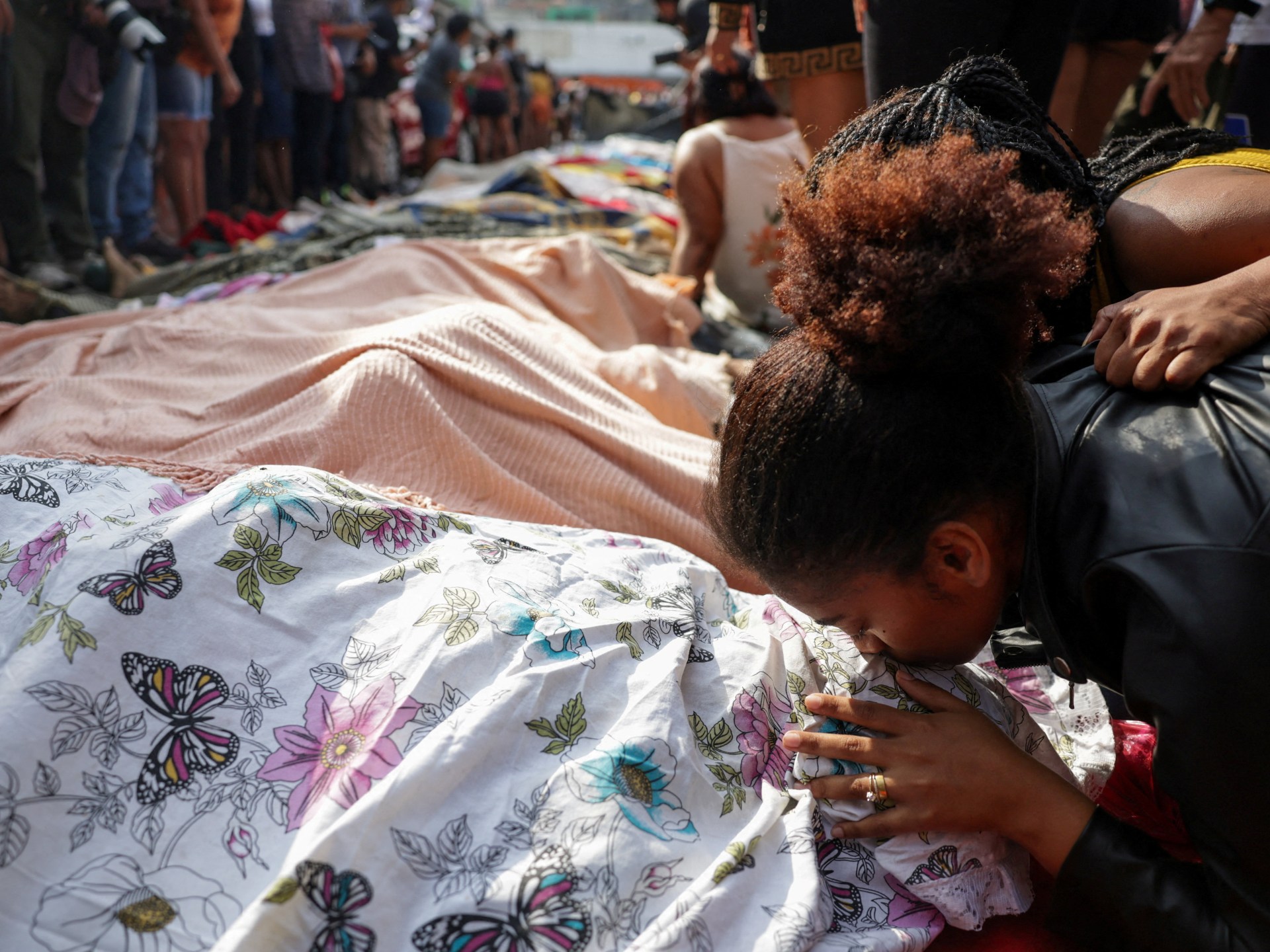
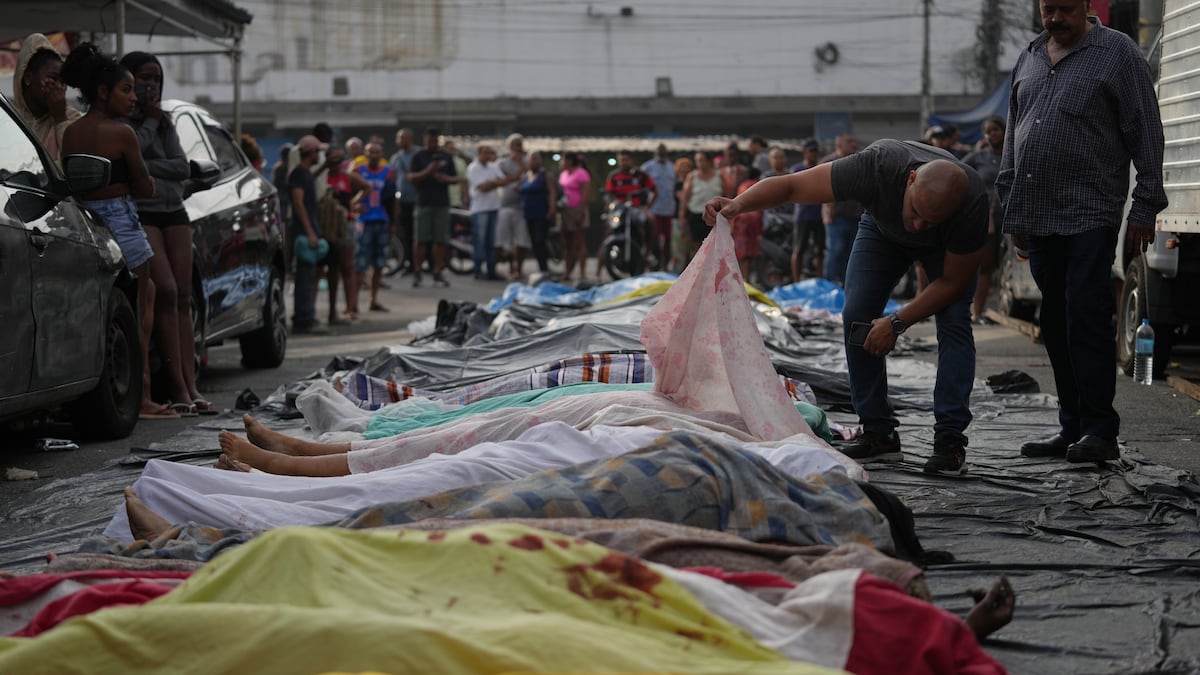
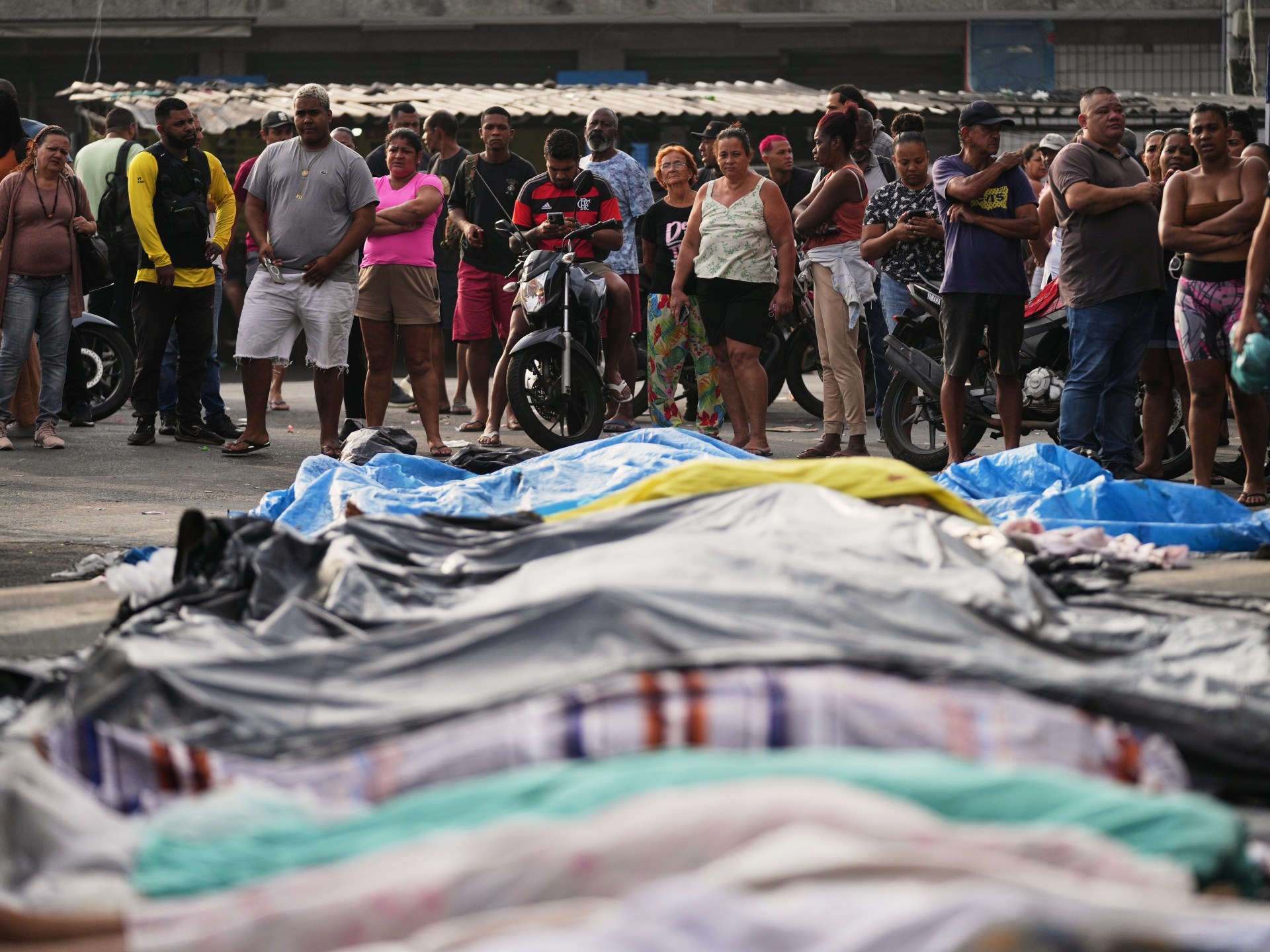
The next morning, some favela residents went up the forested hills on the edge of their community. It was a scene of horror: dozens of bodies lay scattered in the bushes — many shirtless young men shot in the head, others with their throats slit, and one decapitated body with its head dangling from a tree. By day’s end, volunteers had carried the bodies to the favela’s main square, where desperate women searched for their sons, brothers, and husbands. “We brought down a total of 80 bodies with our own hands. We asked residents to bring sheets, towels or anything they had to help with the removals,” said Erivelton Correa, president of the community association, which represents the working-class and poor who live in these densely-packed areas.