What is and is not constitutional is determined, in effect, by loyalists on the supreme court and their bad-faith enablers
T
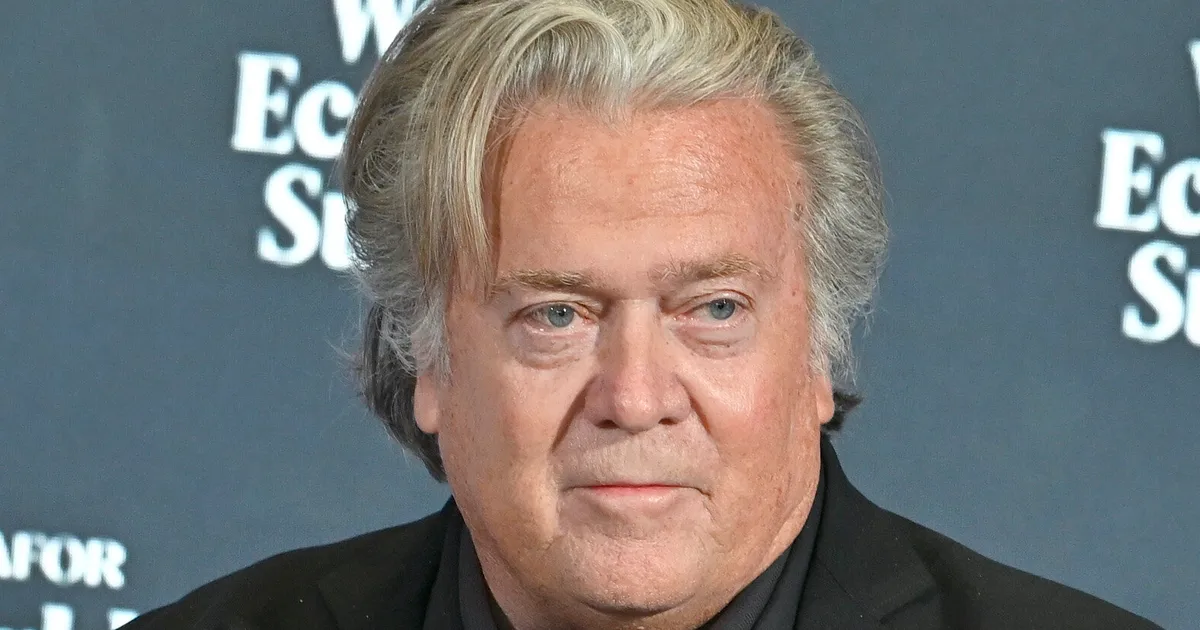
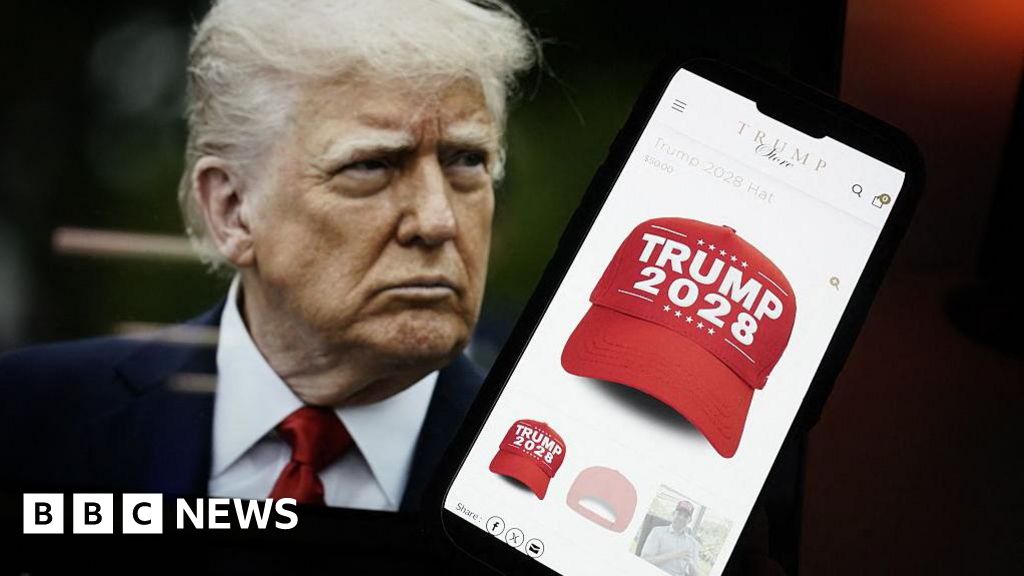
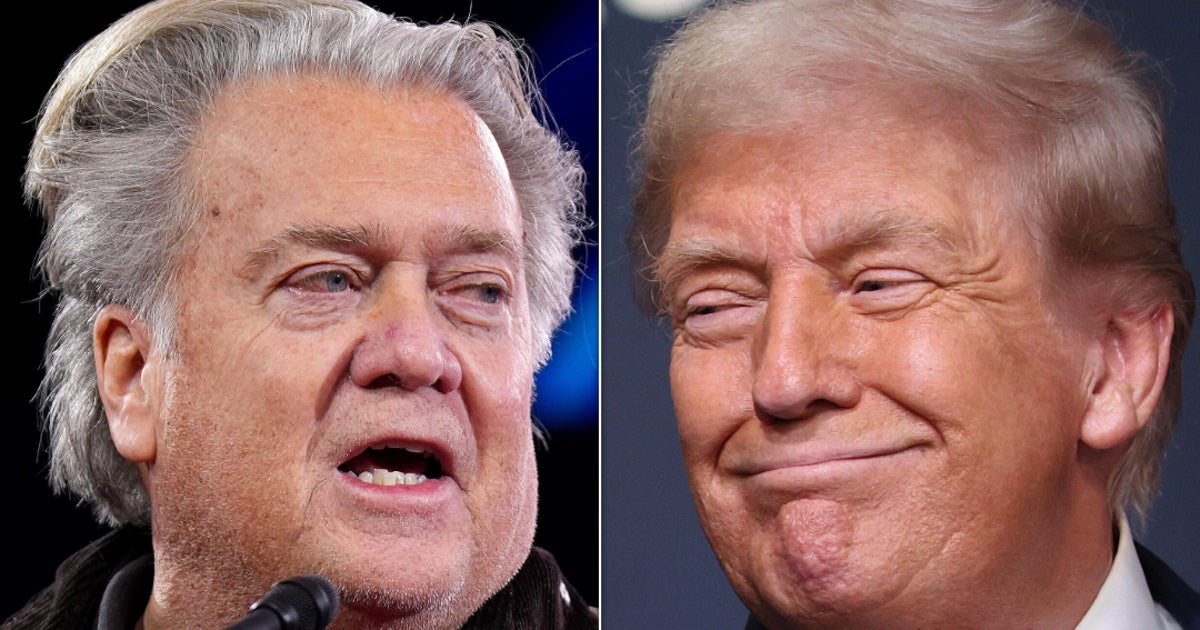
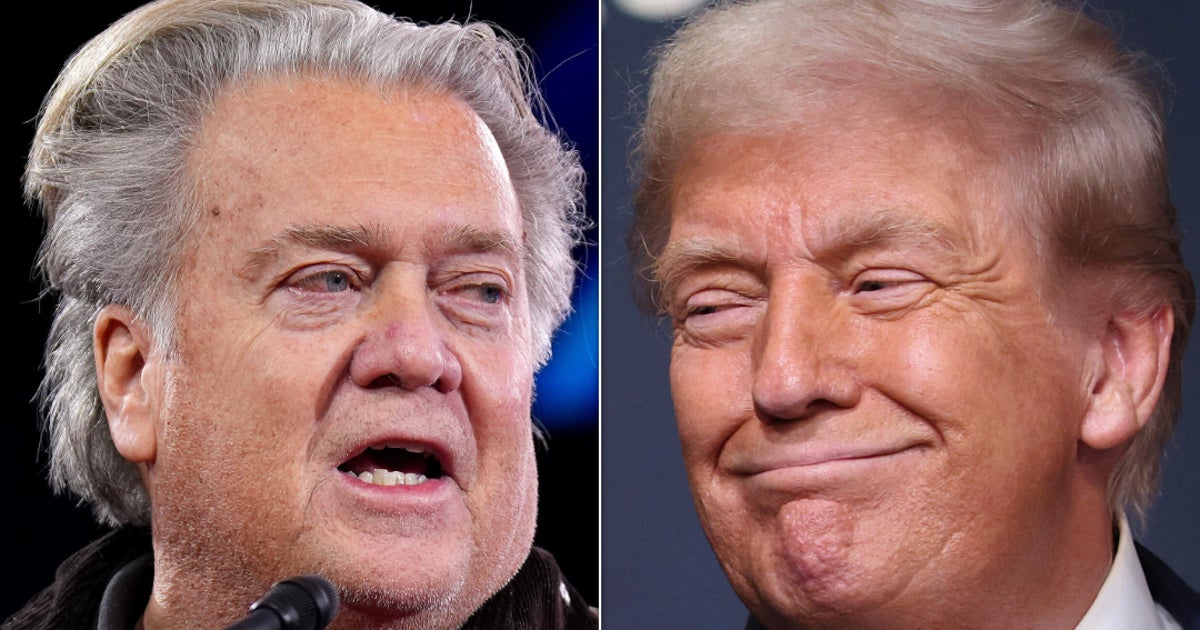
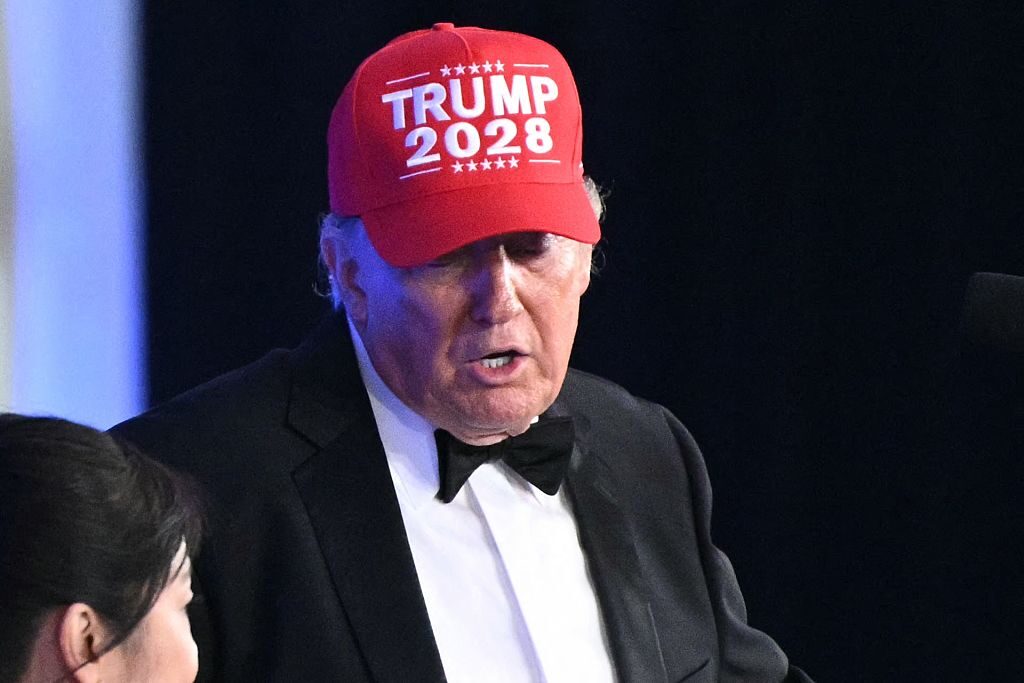
he news cycle has continued in a predictable arc. Last week, Steve Bannon, the far-right provocateur and one-time Donald Trump adviser, said in an interview with the Economist that the president would seek an unconstitutional third term. “Trump is going to be president in 28, and people ought to just get accommodated with that,” Bannon said. (He seemed to be referring to Trump winning the presidential election in 2028 – Trump’s current term will last through 20 January 2029.) “At the appropriate time, we’ll lay out what the plan is.”
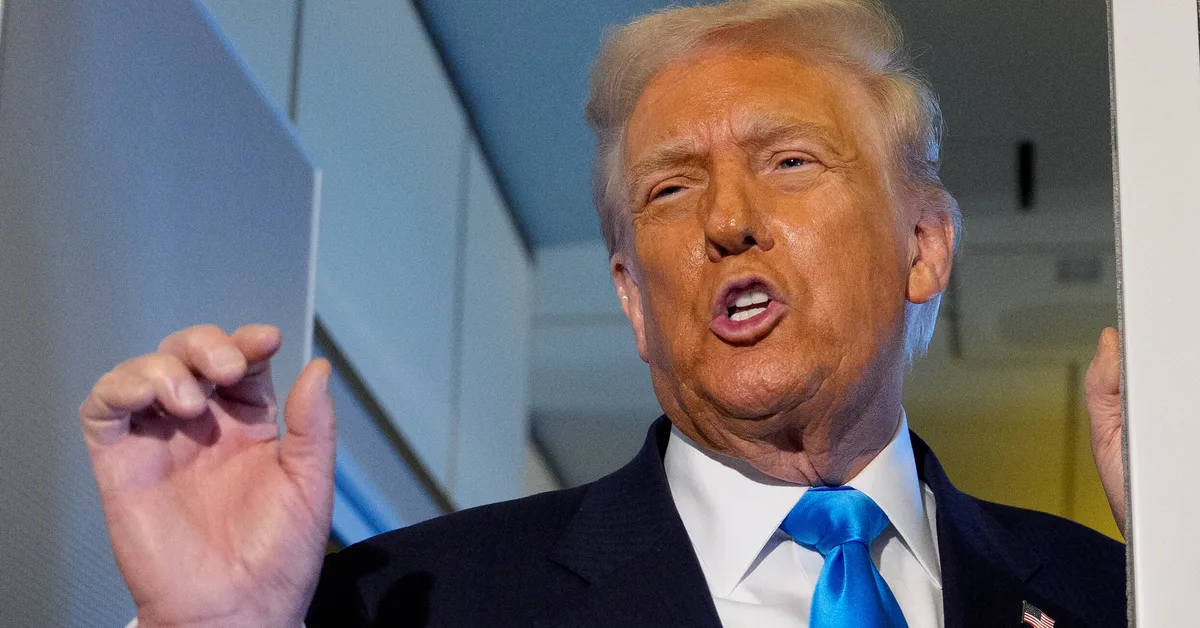
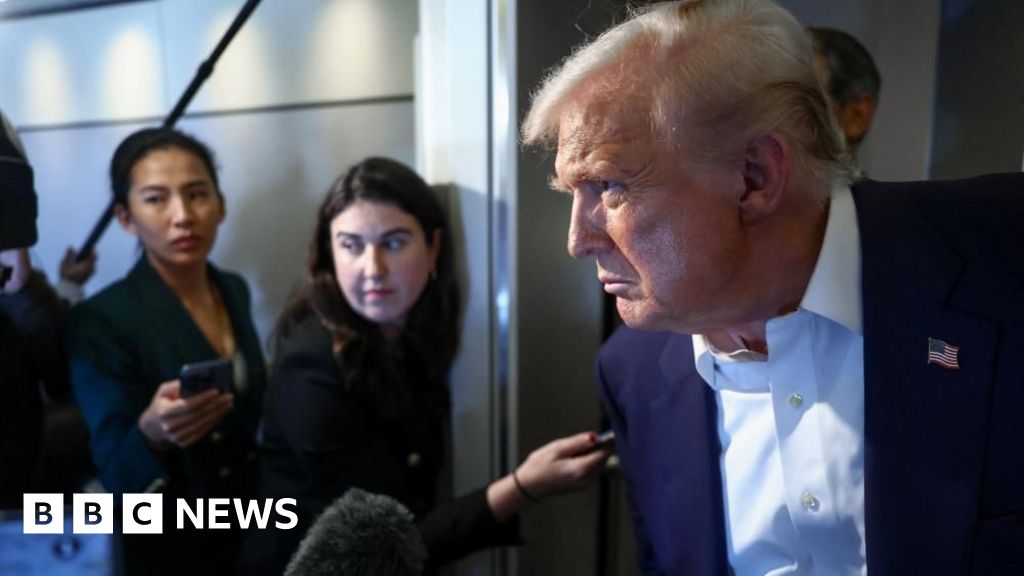
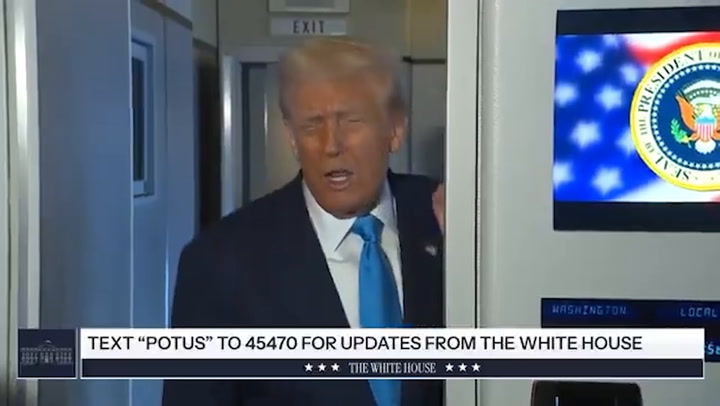
Like clockwork, Trump commented on the idea soon after, telling reporters following him on Air Force One as he flew from Kuala Lumpur to Tokyo: “I would love to do it.”
Initially, he said: “I haven’t really thought about it. But I have the best poll numbers I’ve ever had.” (This is not true; Trump’s approval has sunk considerably, with a new poll released this week showing him at a net -19 point approval rating, the lowest of his second term.) Still, Trump said he would be legally able to run again in a scheme in which he was placed on the ticket as a vice-presidential nominee, only for the puppet placed in the presidential slot to resign once taking office, thereby granting him the presidency. But he suggested that he would prefer to run himself, casting aspersion on the vice-presidential campaign option. “I don’t think people would like that,” he said. “It would be too cute, it wouldn’t be right.” In fact, it would also be unconstitutional, violating the 12th amendment’s prohibition on anyone ineligible for the presidency to be elected as vice-president.