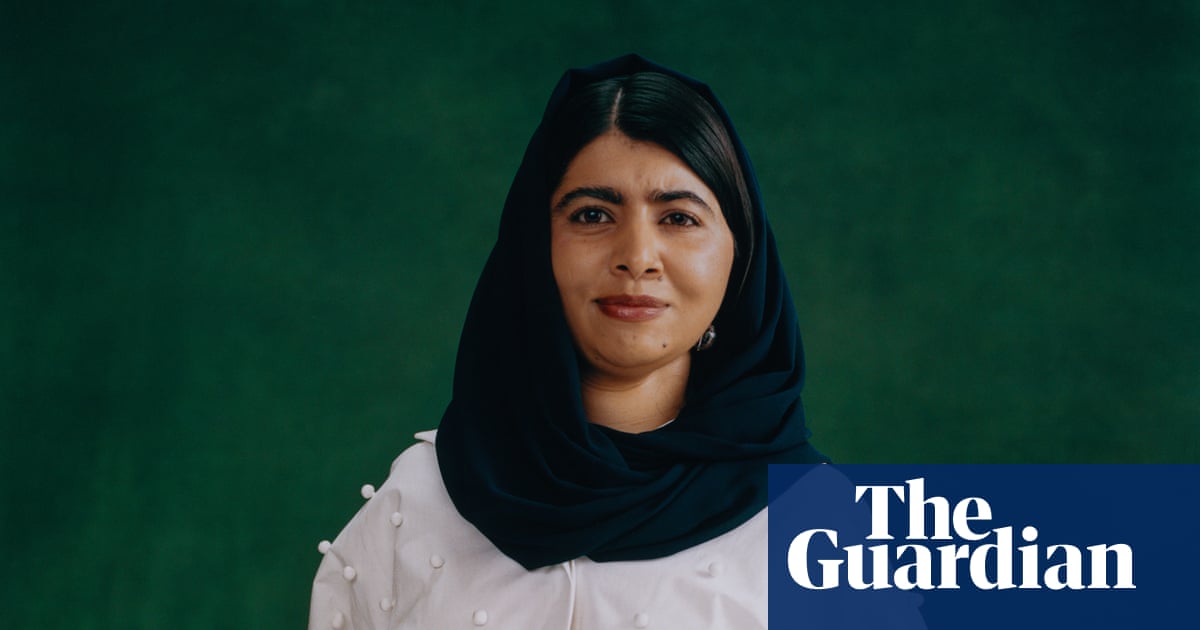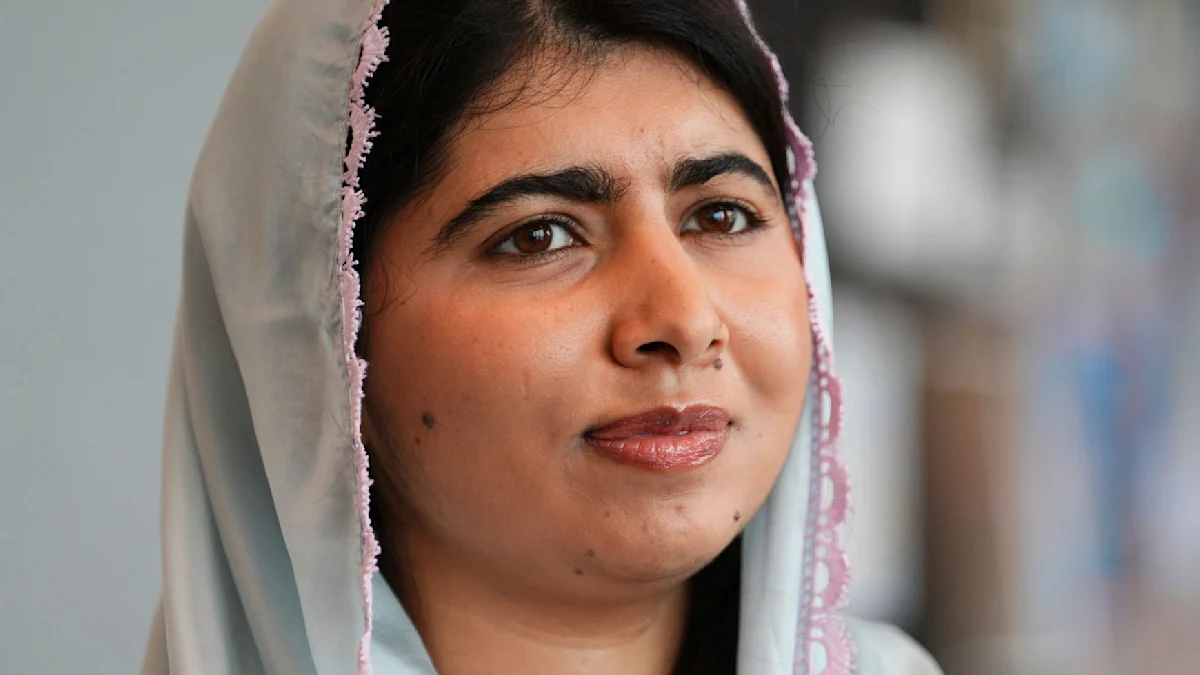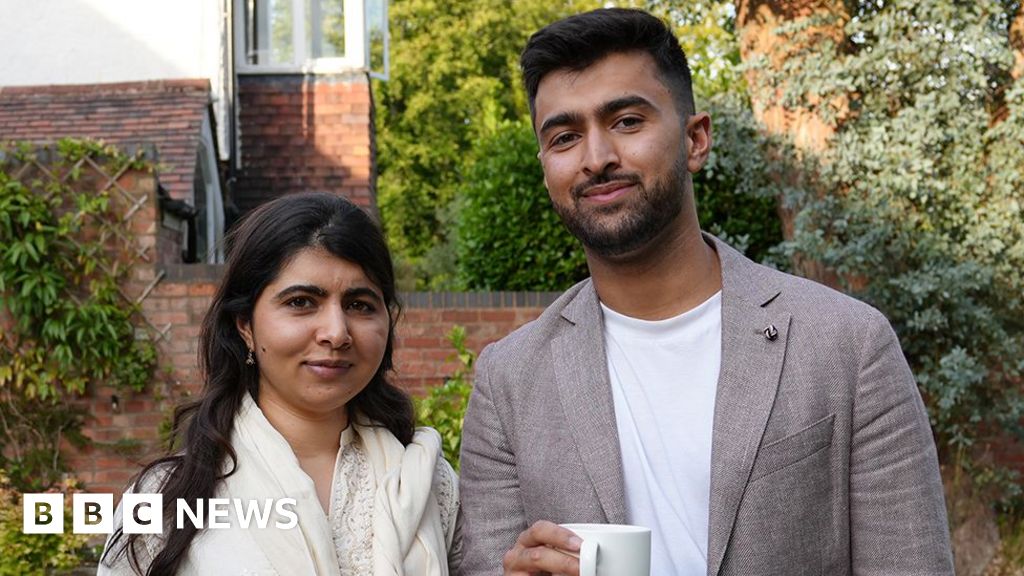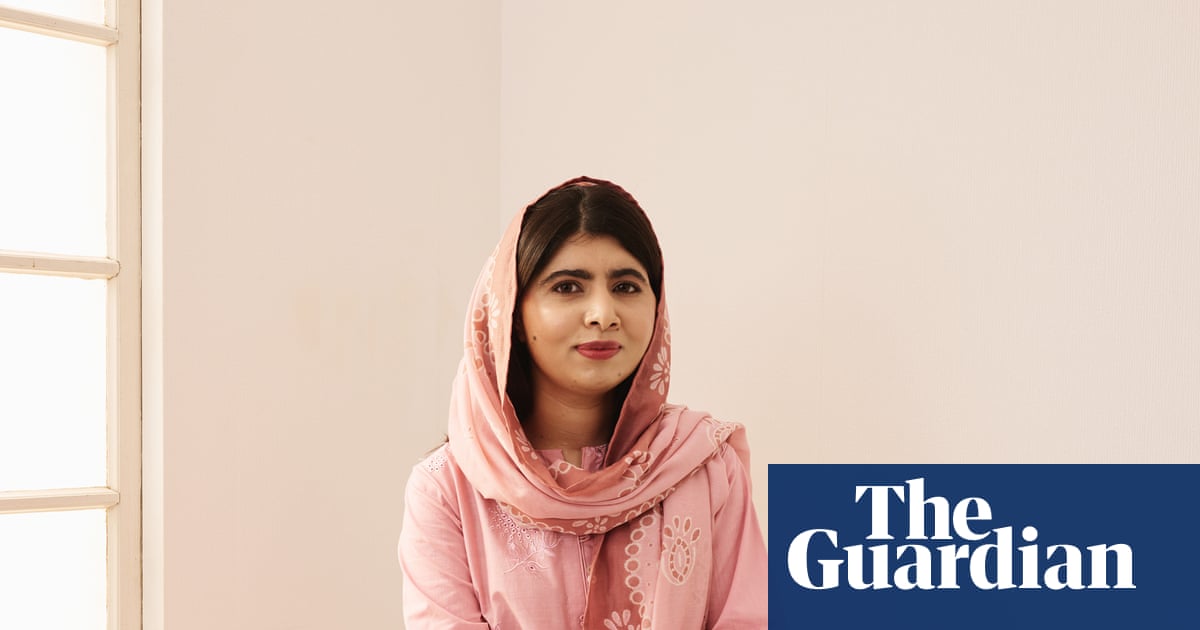
Clambering up bell towers, dancing the night away and falling in love – how ‘saint’ Malala forged a new identity
L
ying in her Birmingham hospital bed in the weeks after she’d been shot in the head by a Taliban assassin, 15-year-old Malala Yousafzai used to imagine the conversation she would have with Taliban leadership. “If they would just sit down with me … I could reason with them and convince them to end their reign of misogyny and violence,” she writes in her new memoir.
Malala kept a notebook by her bed, filled with rhetorical strategies and talking points – the names of journalists who might be able to broker a meeting with the Taliban, the Qur’an verses she could cite to show that girls do have a right to education in Islam, the things she could say to establish her own credentials as a God-fearing Muslim. Of course, that conversation never happened. Much later, after the fall of Afghanistan in 2021, it made her wince to recall her naive belief that the Taliban would ever listen to her.
What did happen is that, little by little, Malala grew up. She’s told her story before, most notably in I Am Malala, co-written with Christina Lamb and published in 2013, the year before she won a Nobel peace prize. Finding My Way picks up the story of her life as she navigates young adulthood.