The global icon of women’s education is ready to tell the full story of her turbulent recent life, from arguing with her parents to being ghosted by the statesmen who were once desperate to be seen with her
I
am at the shed where Nobel laureate Malala Yousafzai smoked her first bong. No, there’s no punchline – it’s not that kind of anecdote. “My life has changed for ever,” Yousafzai says sadly, as we gaze at the semi-derelict structure. “Everything changed for ever, after that [night].”
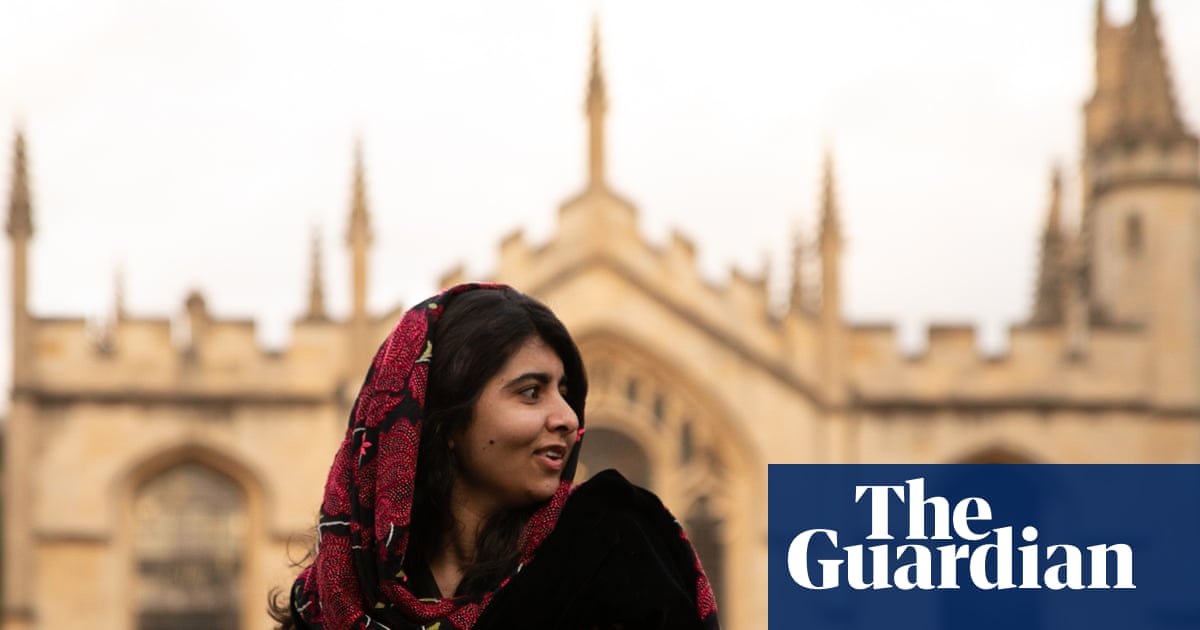
The shed is tucked away at the back of Lady Margaret Hall, away from the prying eyes of Oxford’s college life. You have to know how to find it. Yousafzai leads me through quadrangles and out into a hidden garden. Inside are dusty pint glasses and spiderwebs, and board games with the pieces missing.
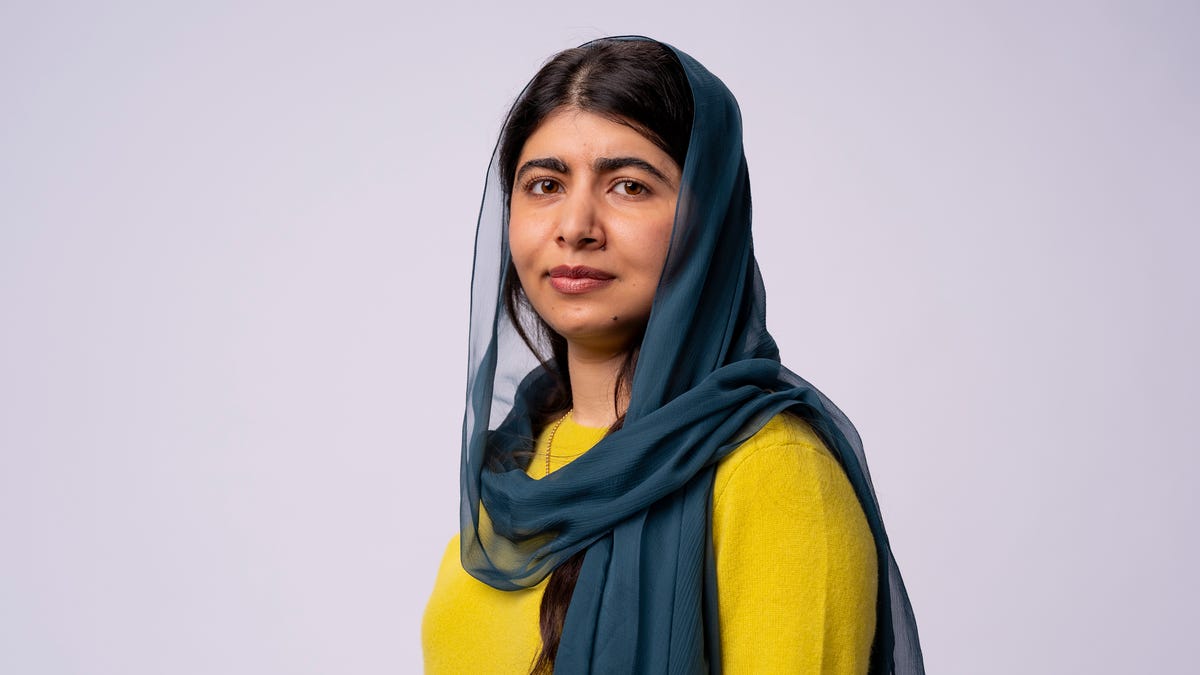
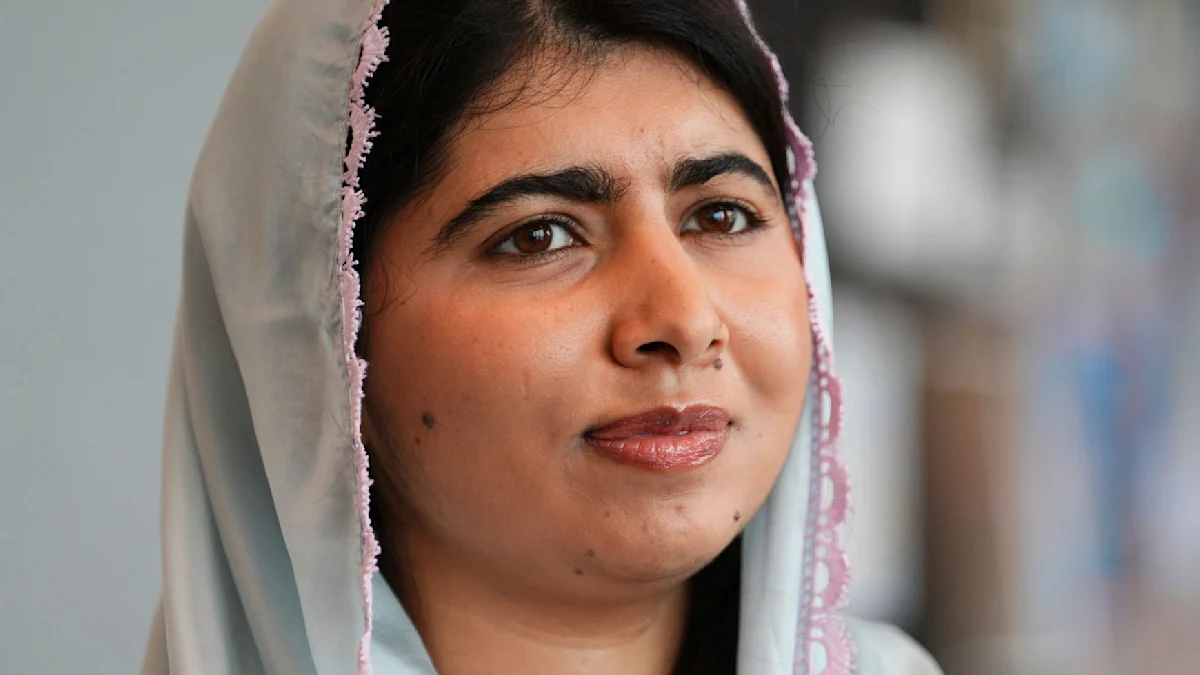
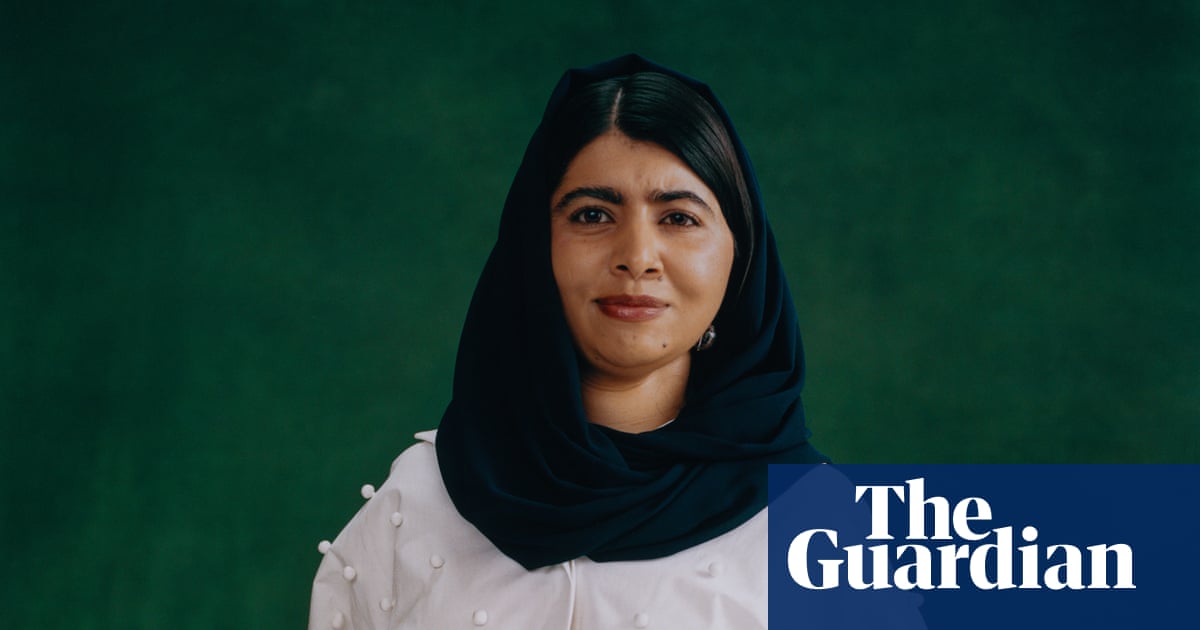
We are meeting on a bright summer afternoon, ahead of the release of her memoir, Finding My Way, a sequel to her 2013 bestseller I Am Malala. Dressed in a blue shirt, jeans and a headscarf, Yousafzai is accompanied, at a discreet distance, by two close-protection officers. The college is quiet – it’s the summer holidays – and Yousafzai attracts no attention from the few students who remain as she tramps across the grass.