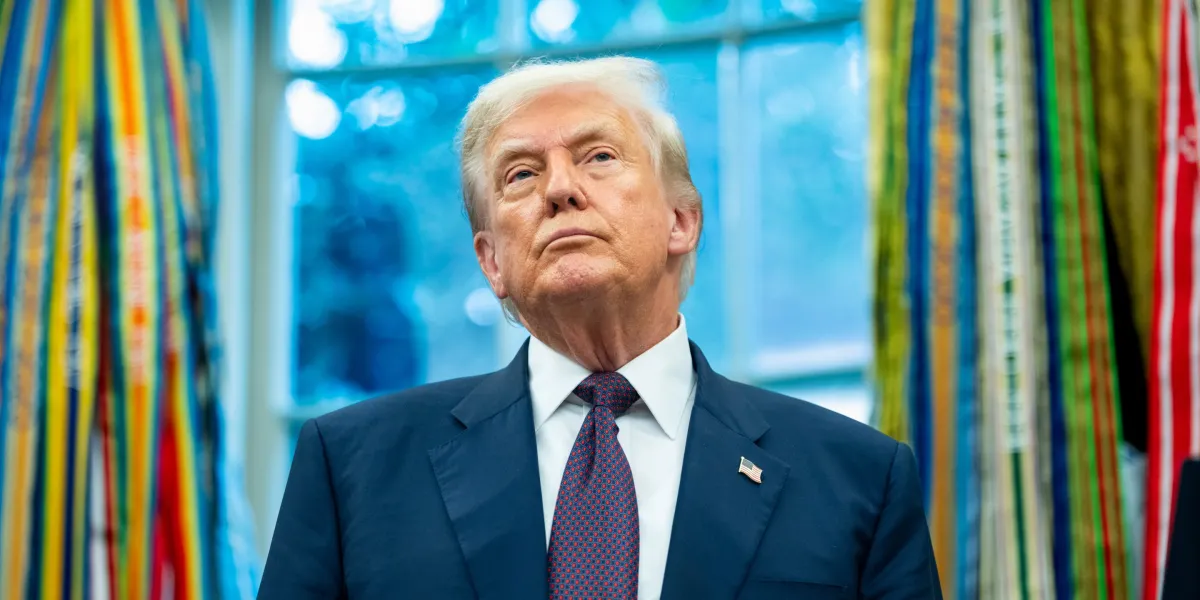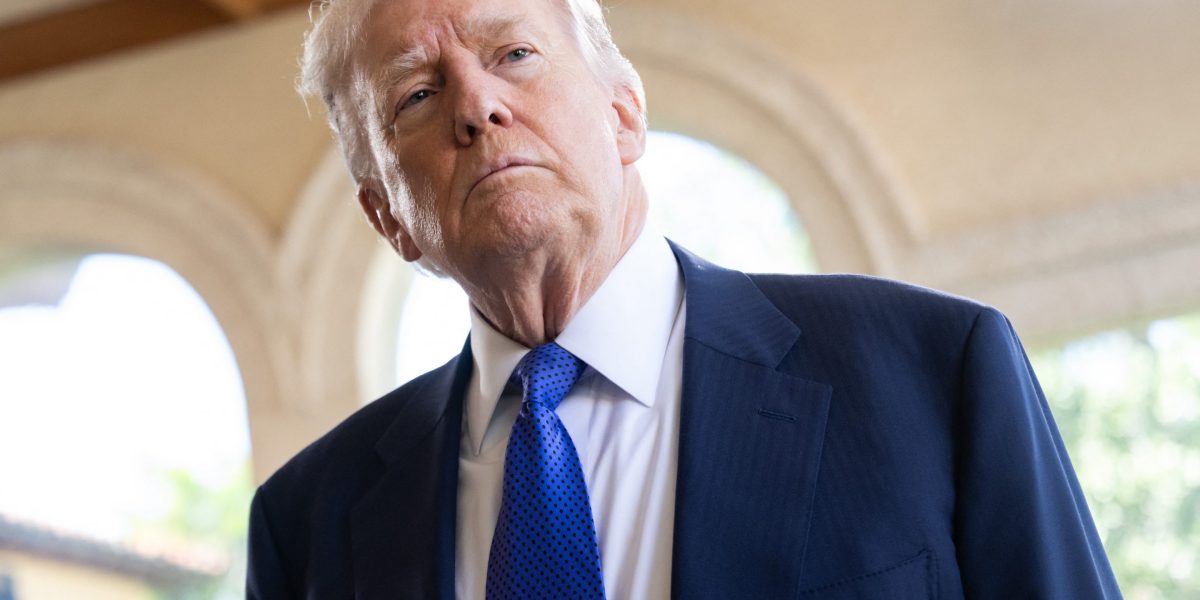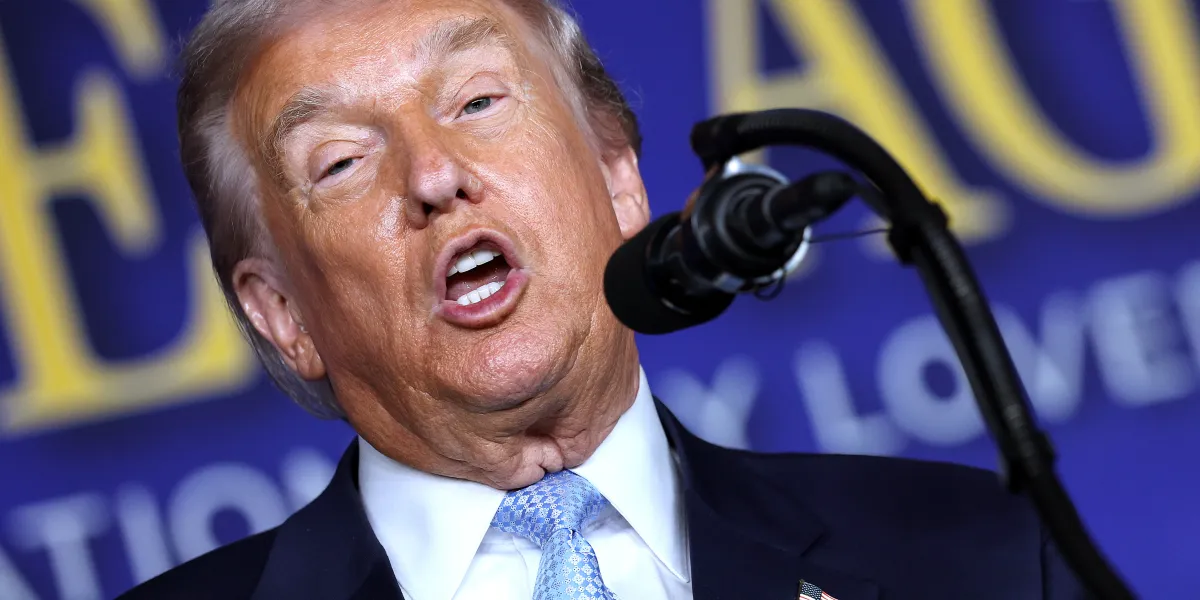
“We are becoming a country that is so rich, so powerful,” he said. “With the kind of growth we have now, the debt is very low, relatively speaking. You grow yourself out of that debt.”
Real GDP rose at a solid 3.8% annualized pace in Q2 2025, but the debt picture isn’t “very low.” Gross federal debt still sits at around $37.4 trillion, and the debt-to-GDP ratio is about 100% for 2025, according to Treasury- and CBO-linked dashboards.
Tariff receipts are up sharply this year, but estimates show roughly $165 billion by August and about $300 billion on an annualized basis, far short of the trillion needed for paying down the debt.
On top of that, Trump also suggested the government could use tariff revenue to send Americans “distributions” of up to $2,000, which would go into consumers’ pockets instead of helping to offset budget deficits.
But Dalio, who has studied dozens of major debt cycles, wrote in his 2018 book Principles for Navigating Big Debt Crises that during booms, “lending supports spending and investment, which in turn supports incomes and asset prices,” temporarily pushing growth “above the consistent productivity growth of the economy.” But that can’t last, he warned—“eventually income will fall below the cost of the loans.”