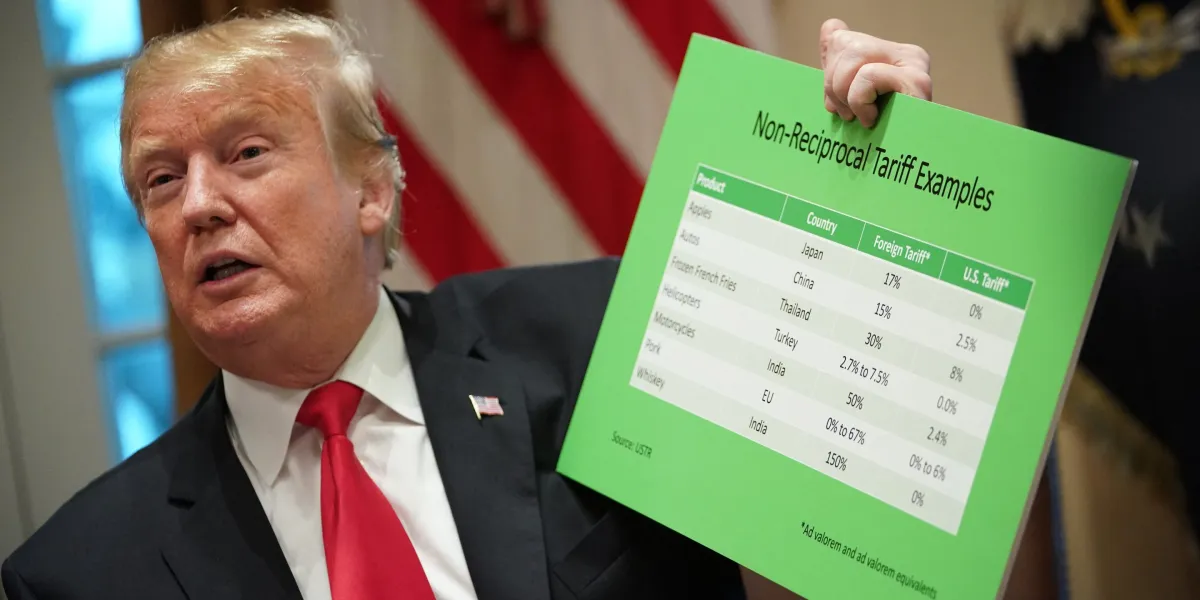
Plenty of observers already had doubts that, as Donald Trump put it on President’s Day, the U.S. has entered a “new golden age of prosperity.” Now, with the Supreme Court ruling negating a wide swath of the Trump tariffs, an already gloomy outlook has suddenly become much darker.
The new 10-year budget forecasts from the Congressional Budget Office, issued in mid-February, presents an outlook that’s considerably worse than the already dire scenario the agency issued a year earlier. The CBO’s bottom line: On balance, the tax reductions and spending hikes in the One Big Beautiful will increase the persistent shortfalls between revenues and outlays by amounts that swamp the extra take from tariffs, and the fleeting jump in GDP we’re witnessing right now.
The hobgoblin: Exploding interest expense on the national debt. The additional deficits make the future borrowing costs that are already leaving fewer and fewer resources for covering such essentials as Medicare and Defense much bigger. In less than a decade, that burden will reach half the size of the biggest monthly expense for U.S. households, their monthly mortgage payment.
The CBO issues its “The Budget and Economic Outlook” once a year. It presents detailed projections for all federal spending and revenue categories, the impact of new legislation, GDP, interest rates and sundry other economic metrics, and of course deficits and debt, over the current fiscal year and following decade. What’s so concerning about this update covering 2026 to 2036 is that it displays “primary deficits” that are even larger those posited in last year’s report. The “primary deficit” is the gap between what we collect in taxes and spend on everything from Medicare to national defense before interest costs.