President Donald Trump has repeatedly pledged to slash the national deficit and curb debt during his second term, but a sobering assessment of the nation’s financial health by one of the federal government’s premier fiscal watchdogs suggests Trump 2.0’s policies have not only collectively pushed the federal deficit significantly higher, but put the country on an unsustainable path.
In its latest budget and economic outlook, the Congressional Budget Office (CBO), a nonpartisan federal agency, revised its cumulative deficit projection for the 2026–2035 period upward by $1.4 trillion compared to its forecast from just a year ago.
“Our budget projections continue to indicate that the fiscal trajectory is not sustainable,” CBO Director Phillip Swagel said in a statement, noting the agency’s newest projections. Under laws passed in Trump’s first year back in office, the national debt in 2030 will surpass the historical high of 106% of GDP that it reached in 1946. Meanwhile, the balance of Social
Security’s Old-Age and Survivors Insurance Trust Fund will be exhausted in 2032, one year earlier than the CBO projected last January.
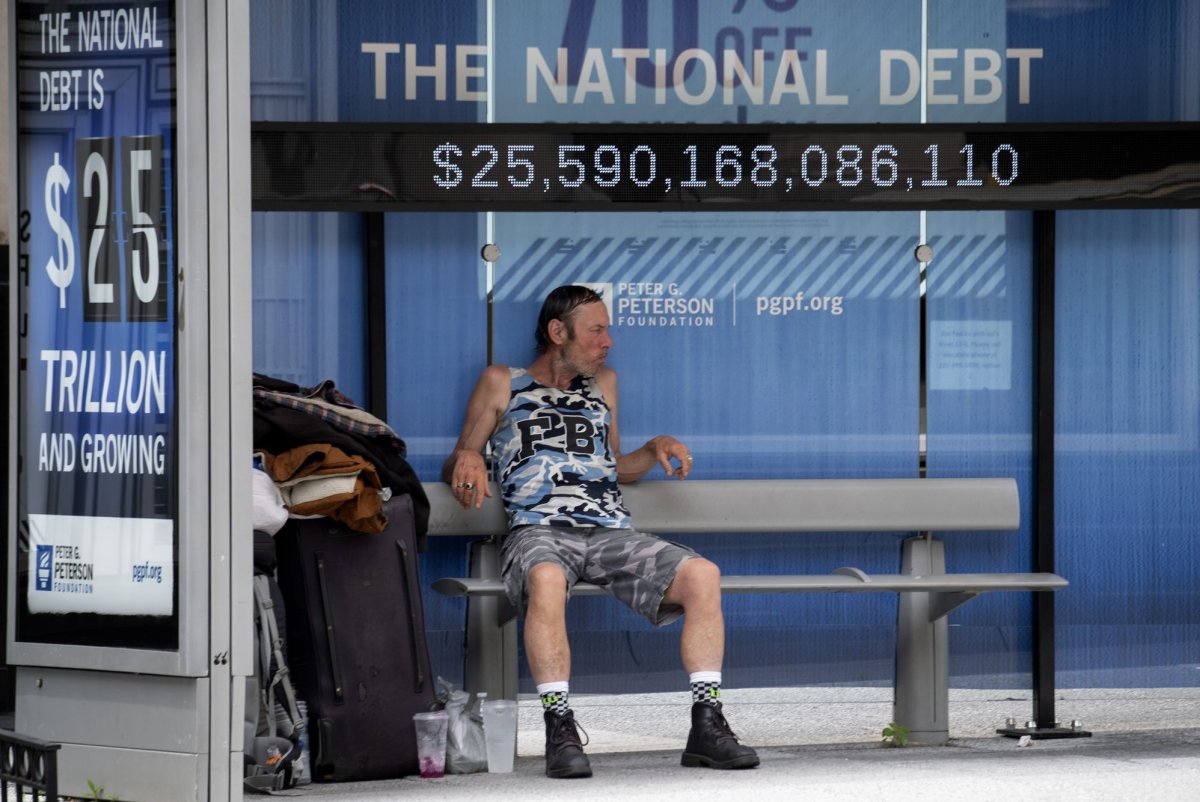
Unlike the postwar era, however, the current debt load shows no sign of receding; the report projects debt will reach a staggering 175% of GDP by 2056. The Peter G. Peterson Foundation, a nonpartisan watchdog that closely follows the budget, told Fortune in a statement that only 10 years ago, the gross national debt was projected to be $29.3 trillion by the end of this fiscal year; we’re now over $9 trillion ahead of that pace.