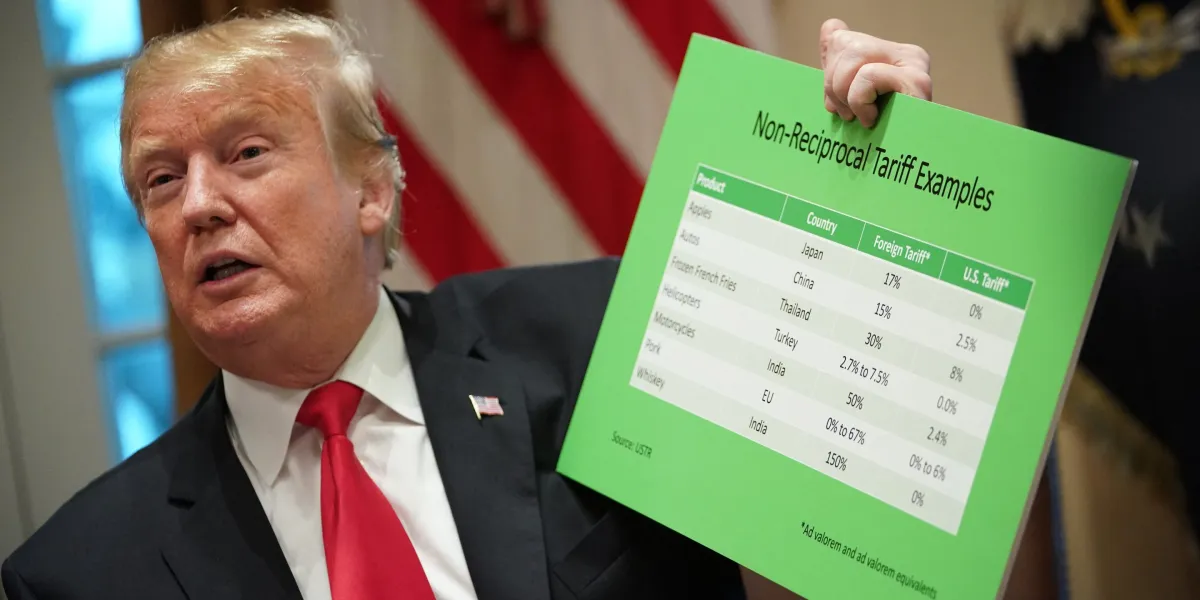
When the Supreme Court ruled late last month that the majority of tariffs implemented by the second Trump administration in 2025 were illegal, it left something of a hole in the Treasury’s coffers.The White House had been relying on the circa $300 billion a year in revenues to help fund a raft of policies, from tariff rebate checks to corporate tax write-offs in the One Big Beautiful Bill Act.But the court ruling threw a wrench into the works: The justices ruled the administration could not impose tariffs under the authority of the International Emergency Economic Powers Act (IEEPA), and the raft of duties imposed on “Liberation Day,” and earlier in 2025, were scrapped.
Trump and his team quickly rallied and imposed an all-out 10% duty on global trading partners, and while details remain sparse, authorities still believe the Treasury’s bottom line has taken a hit.
In a report released yesterday afternoon, the Congressional Budget Office (CBO) set about calculating the loss to the Treasury resulting from the IEEPA ruling. CBO director Phillip Swagel reported primary deficits—not accounting for changes in the economy—will be $1.6 trillion larger over the next decade compared with projections prior to the ruling.