The Congressional Budget Office (CBO) has released new projections showing that recent rollbacks of President Donald Trump’s aggressive tariff strategy have wiped out roughly $800 billion in expected debt reduction over the next decade. This revision comes even as tariffs remain a central point of debate in U.S. fiscal policy, particularly with the national debt exceeding $38 trillion and deficit reduction an urgent concern for lawmakers and economists alike.
According to the CBO’s updated baseline budget projections, the expected impact of tariff policy on U.S. deficits has fallen sharply since its last projections on tariff revenue in August. At that point, an effective tariff rate of 20.5% implied future deficit reduction of $3.3 trillion through 2035, and about $700 billion in interest savings.
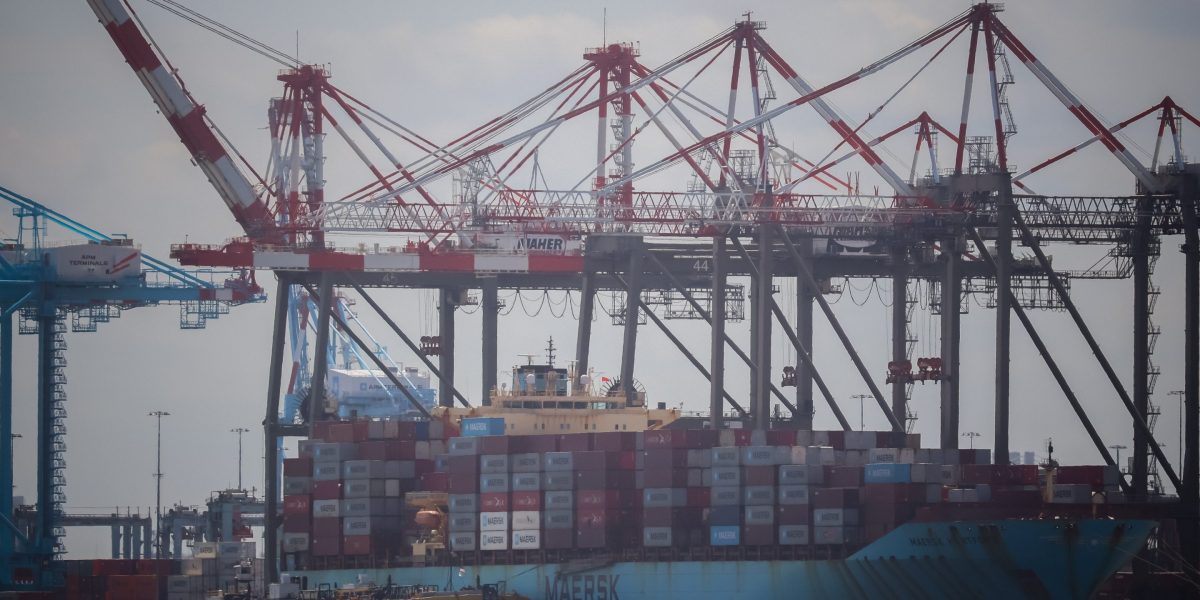
However, since June, the scope and magnitude of these tariffs have shifted significantly. The administration’s decision to pull back or soften tariffs on a range of imports—particularly with key trading partners like China and the European Union—in response to mounting trade tensions and retaliatory measures has dramatically altered the fiscal outlook. The CBO now estimates that the resulting fiscal benefits of tariffs have been substantially eroded, as an effective tariff rate of 16.5% implies $2.5 trillion in deficit reduction and $500 billion in interest savings.