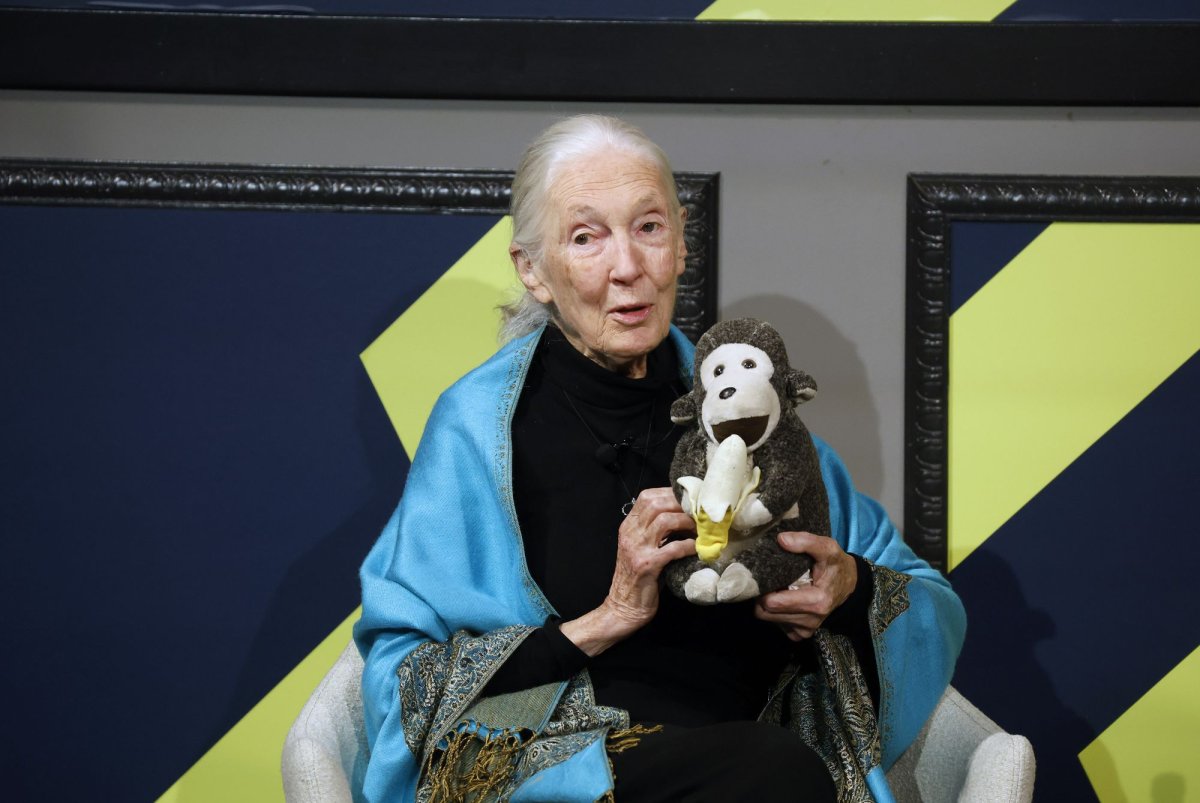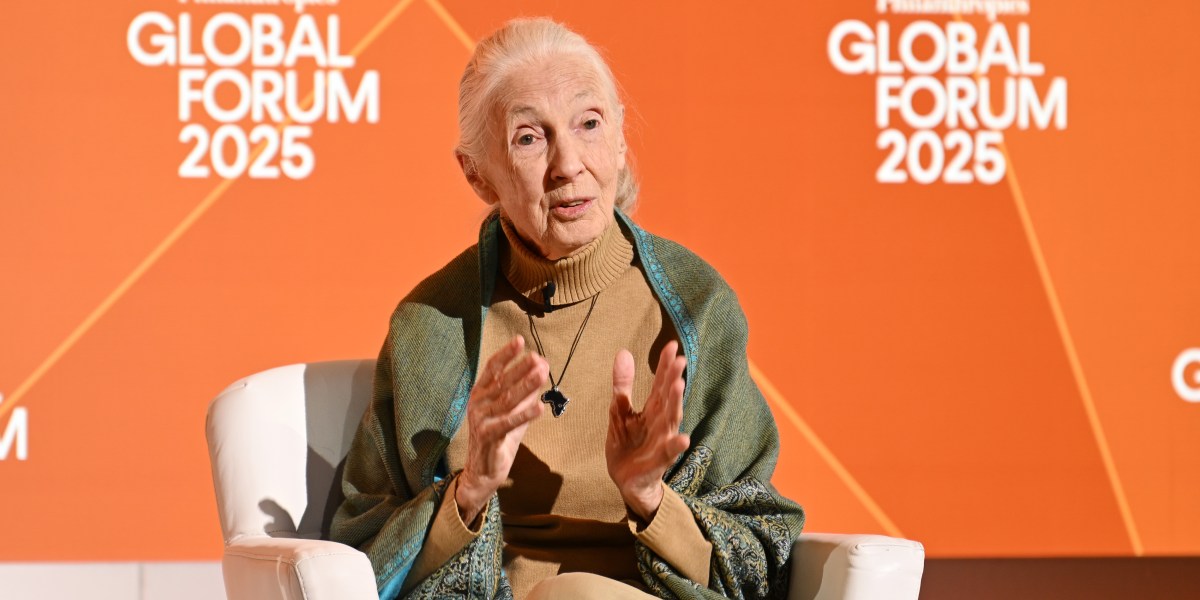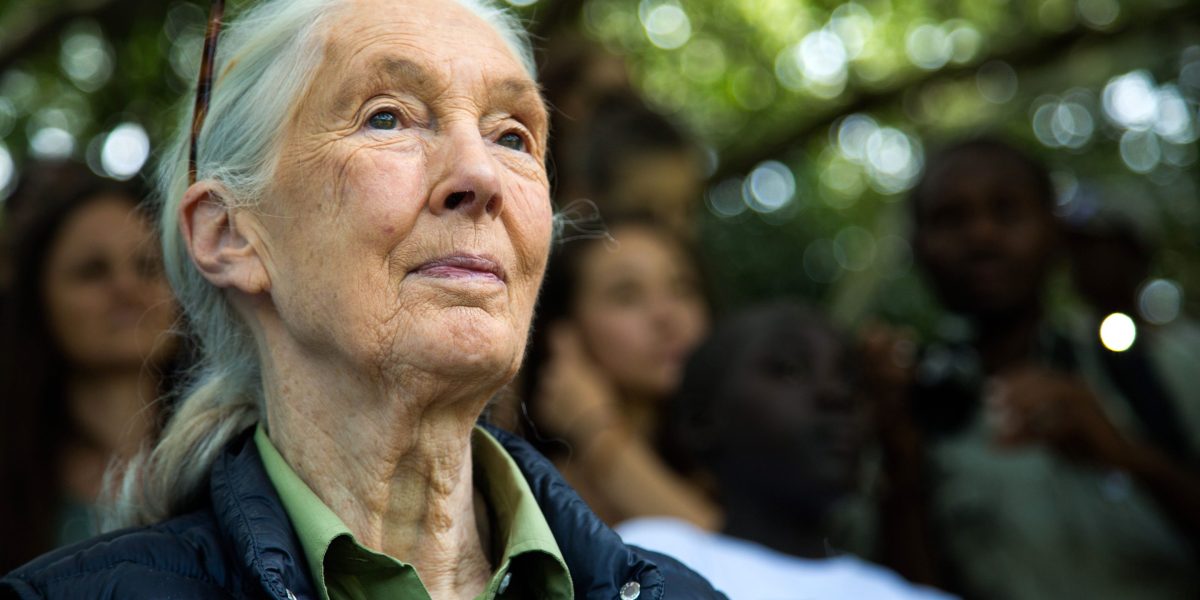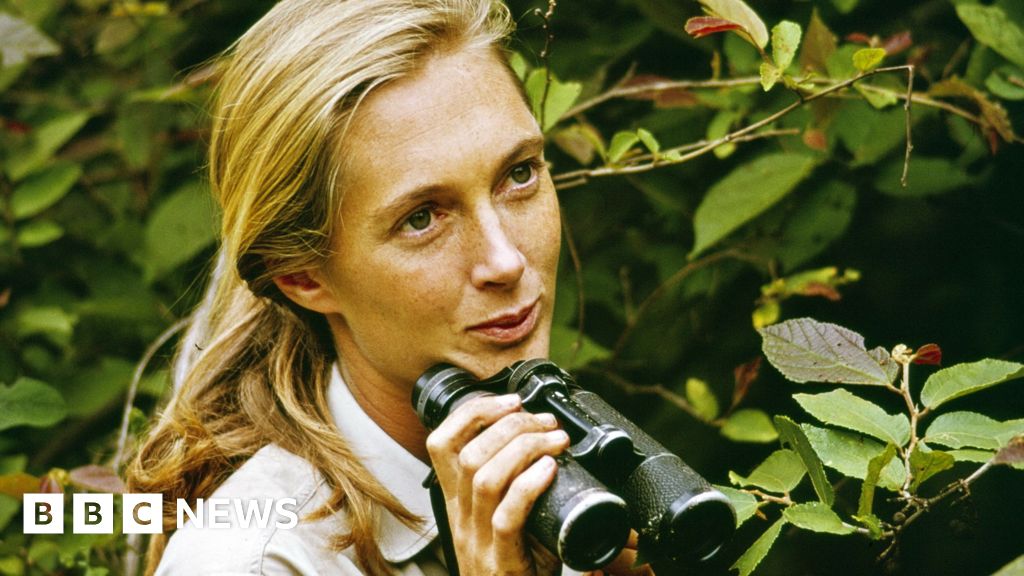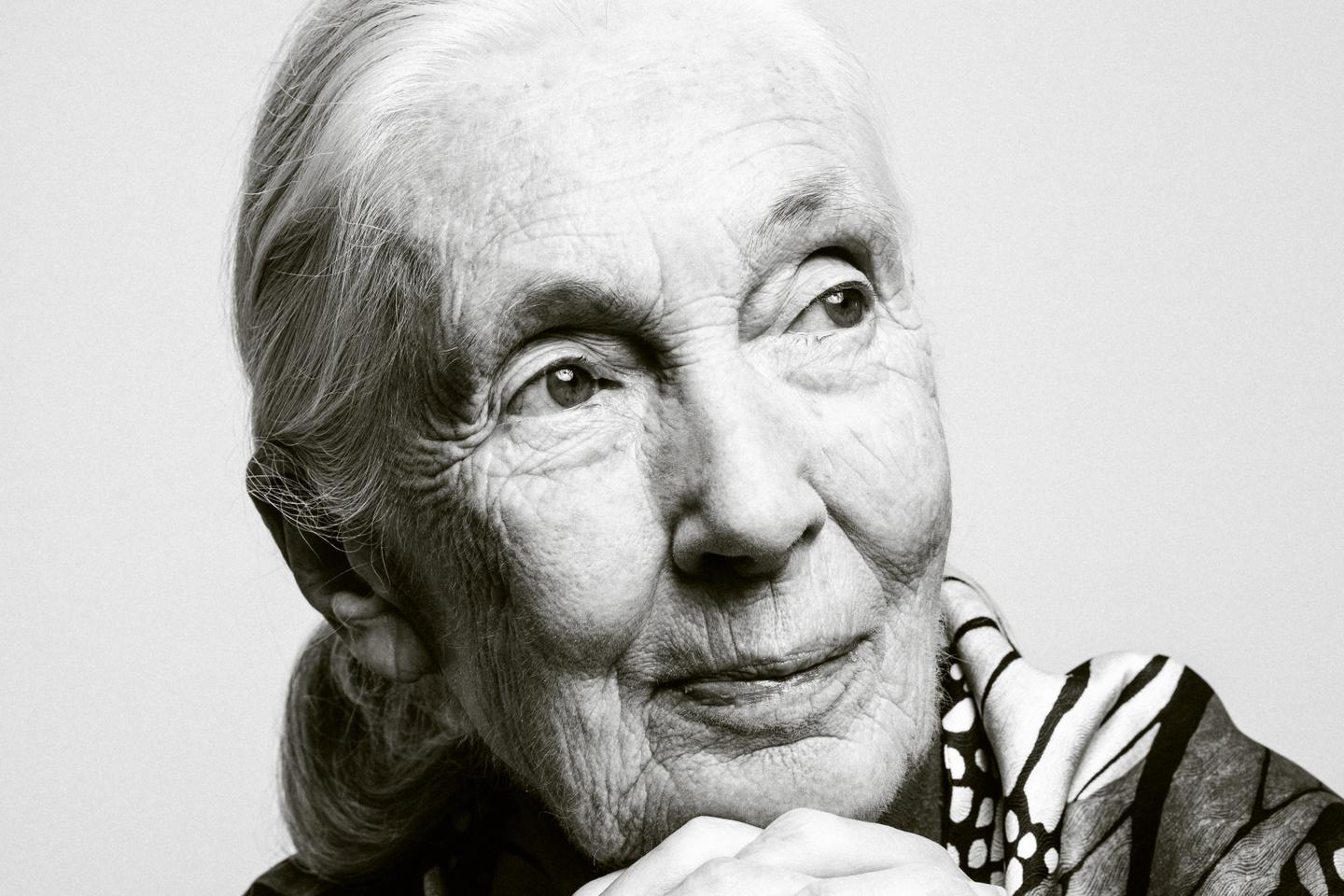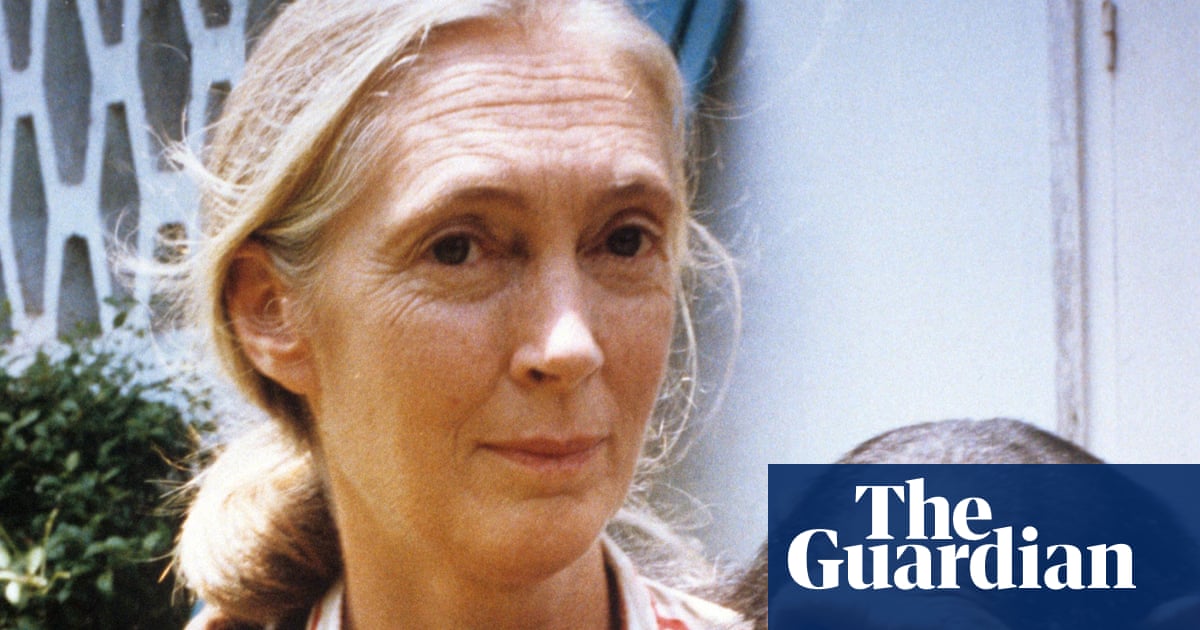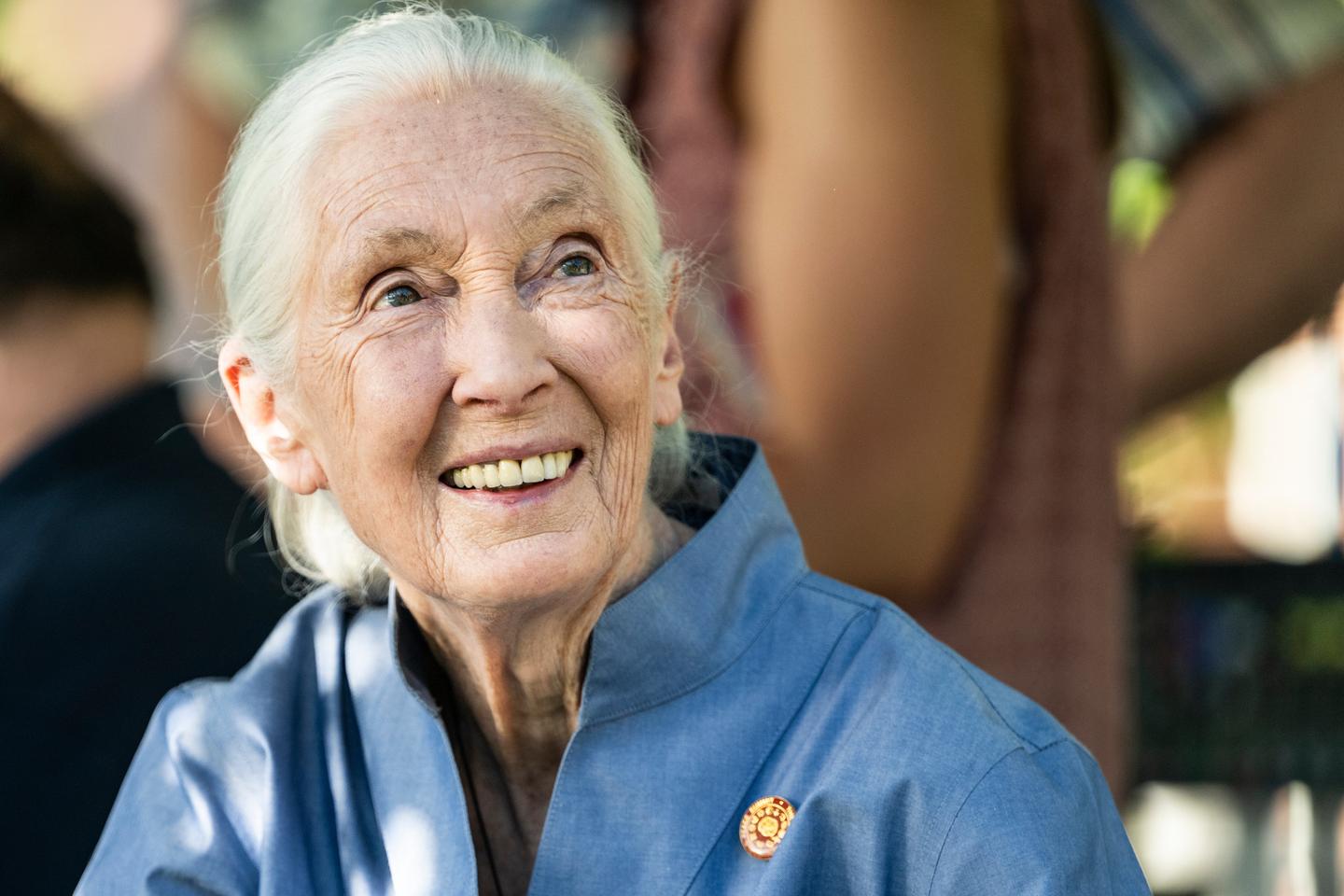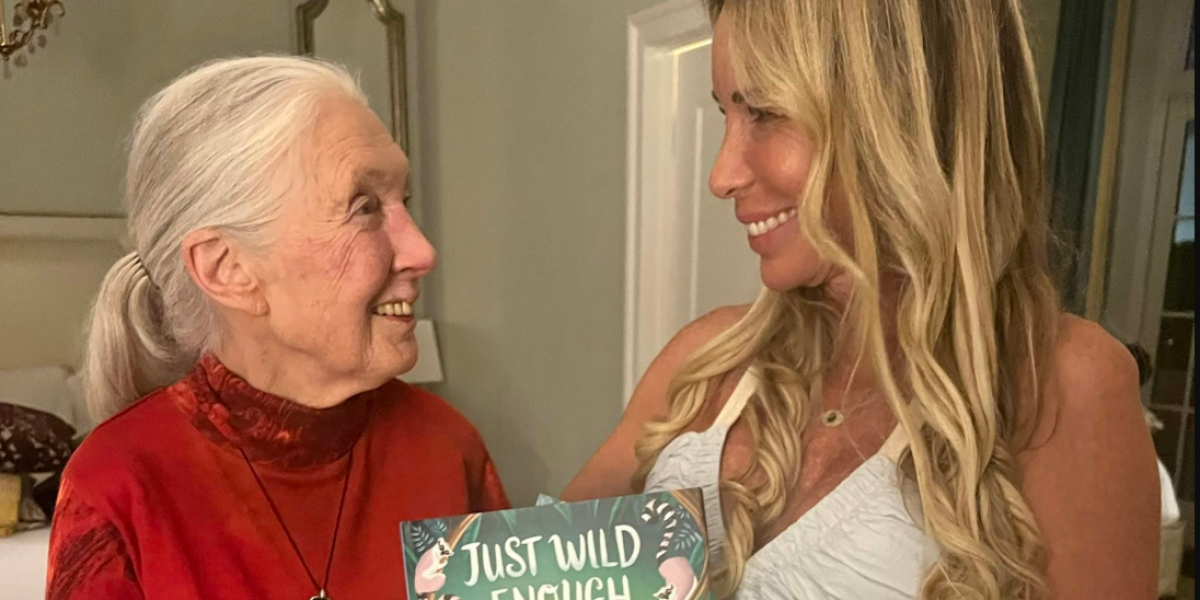
Anyone proposing to offer a master class on changing the world for the better, without becoming negative, cynical, angry or narrow-minded in the process, could model their advice on the life and work of pioneering animal behavior scholar Jane Goodall.
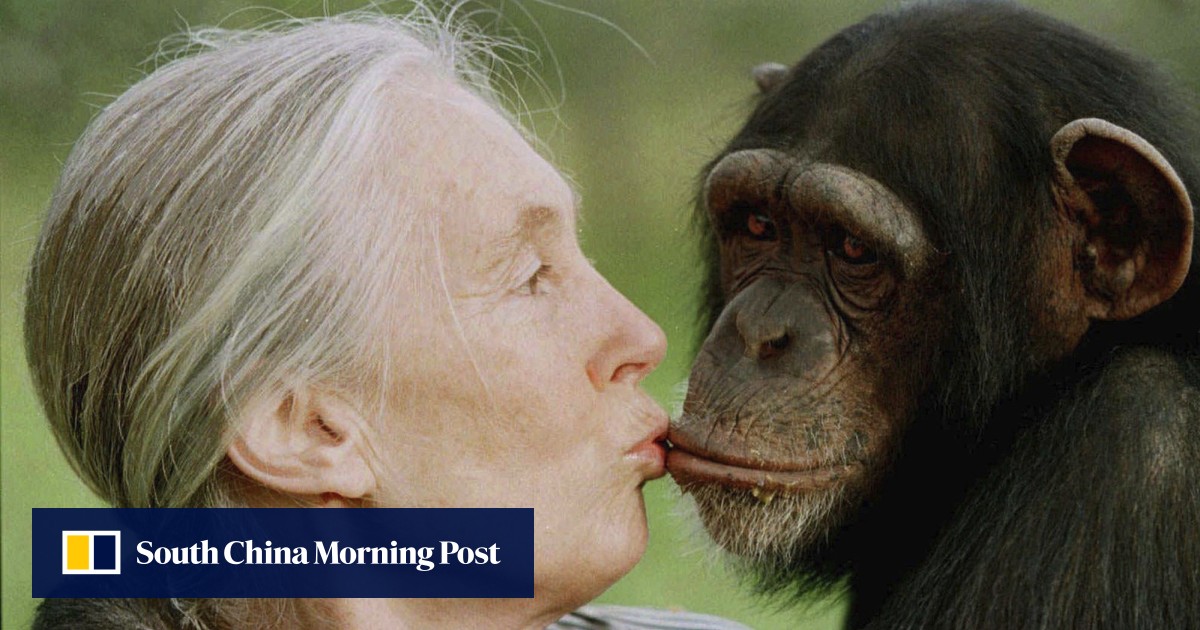
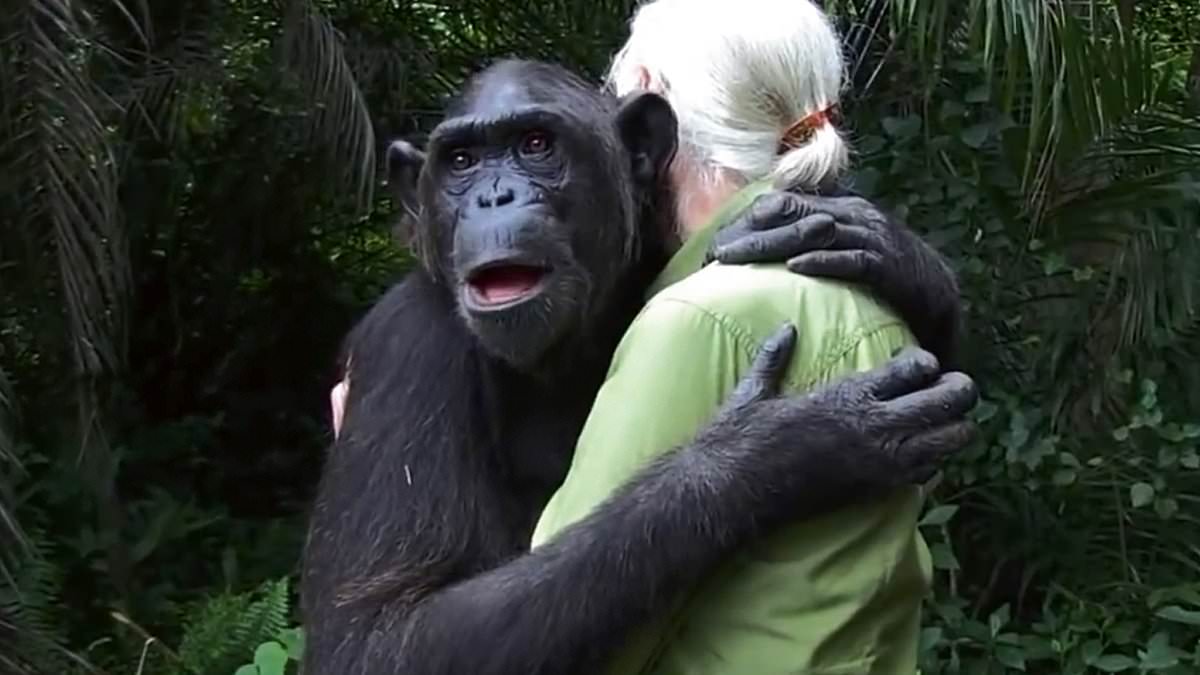
Goodall’s life journey stretches from marveling at the somewhat unremarkable creatures – though she would never call them that – in her English backyard as a wide-eyed little girl in the 1930s to challenging the very definition of what it means to be human through her research on chimpanzees in Tanzania. From there, she went on to become a global icon and a United Nations Messenger of Peace.
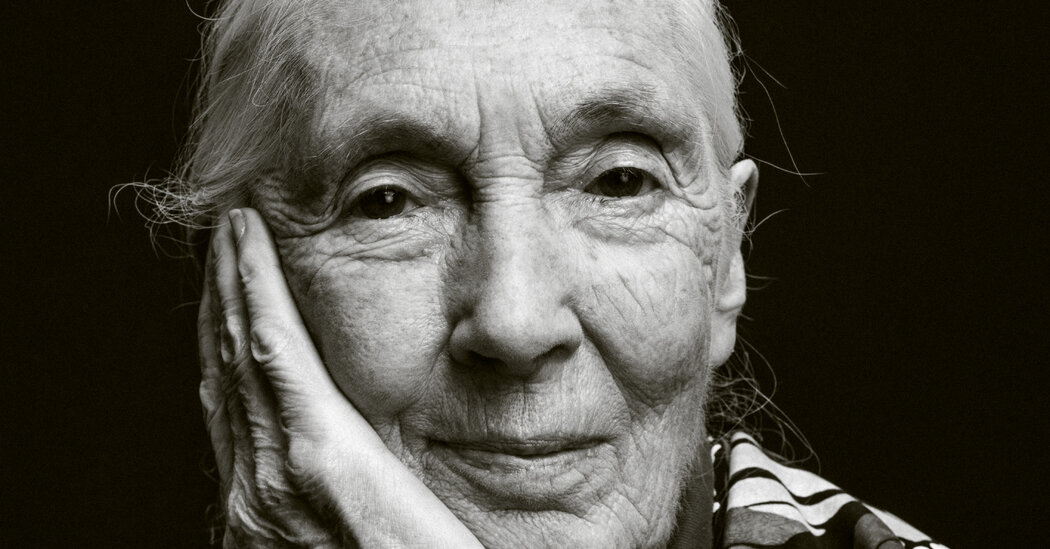
Until her death on Oct. 1, 2025 at age 91, Goodall retained a charm, open-mindedness, optimism and wide-eyed wonder that are more typical of children. I know this because I have been fortunate to spend time with her and to share insights from my own scientific career. To the public, she was a world-renowned scientist and icon. To me, she was Jane – my inspiring mentor and friend.
Despite the massive changes Goodall wrought in the world of science, upending the study of animal behavior, she was always cheerful, encouraging and inspiring. I think of her as a gentle disrupter. One of her greatest gifts was her ability to make everyone, at any age, feel that they have the power to change the world. https://www.youtube.com/embed/rcL4jnGTL1U?wmode=transparent&start=0 Jane Goodall documented that chimpanzees not only used tools but make them – an insight that altered thinking about animals and humans.