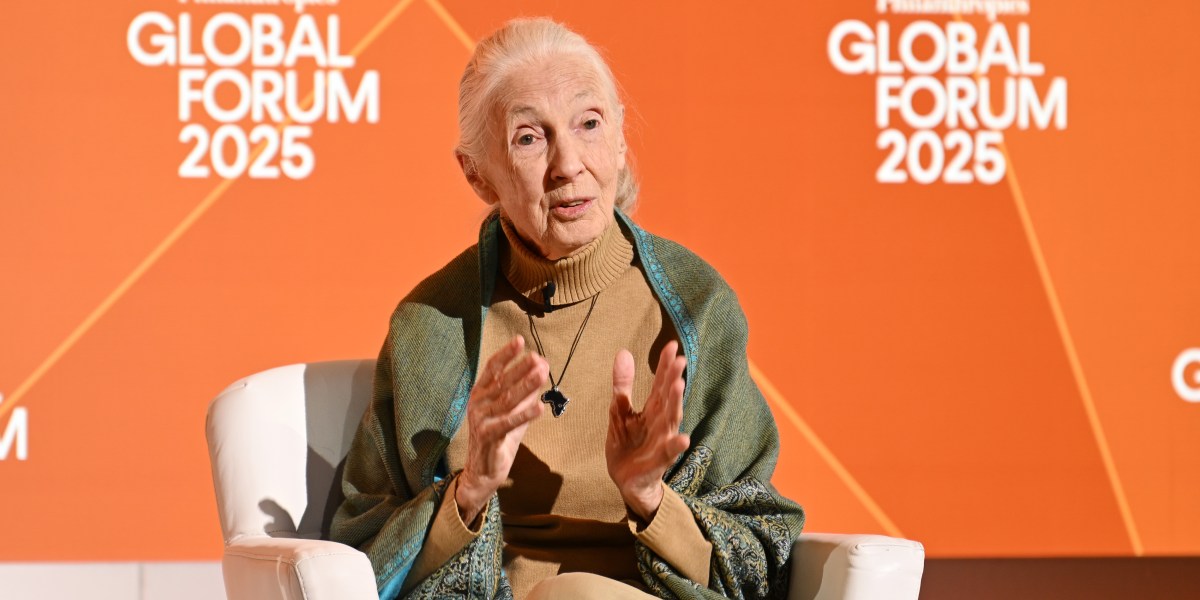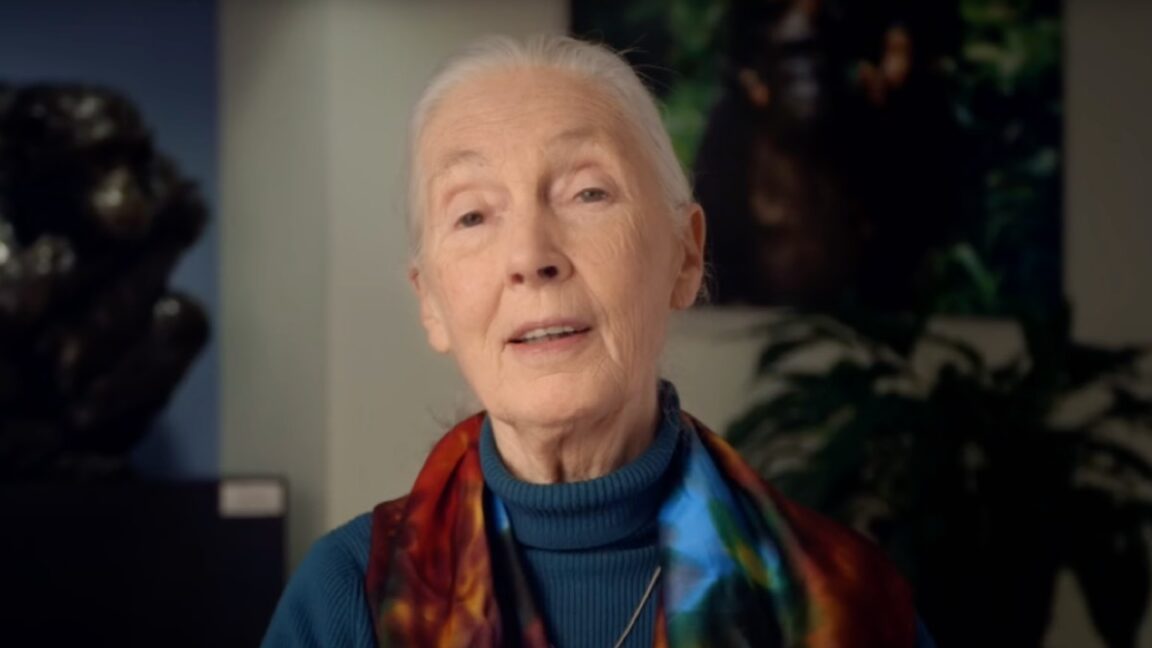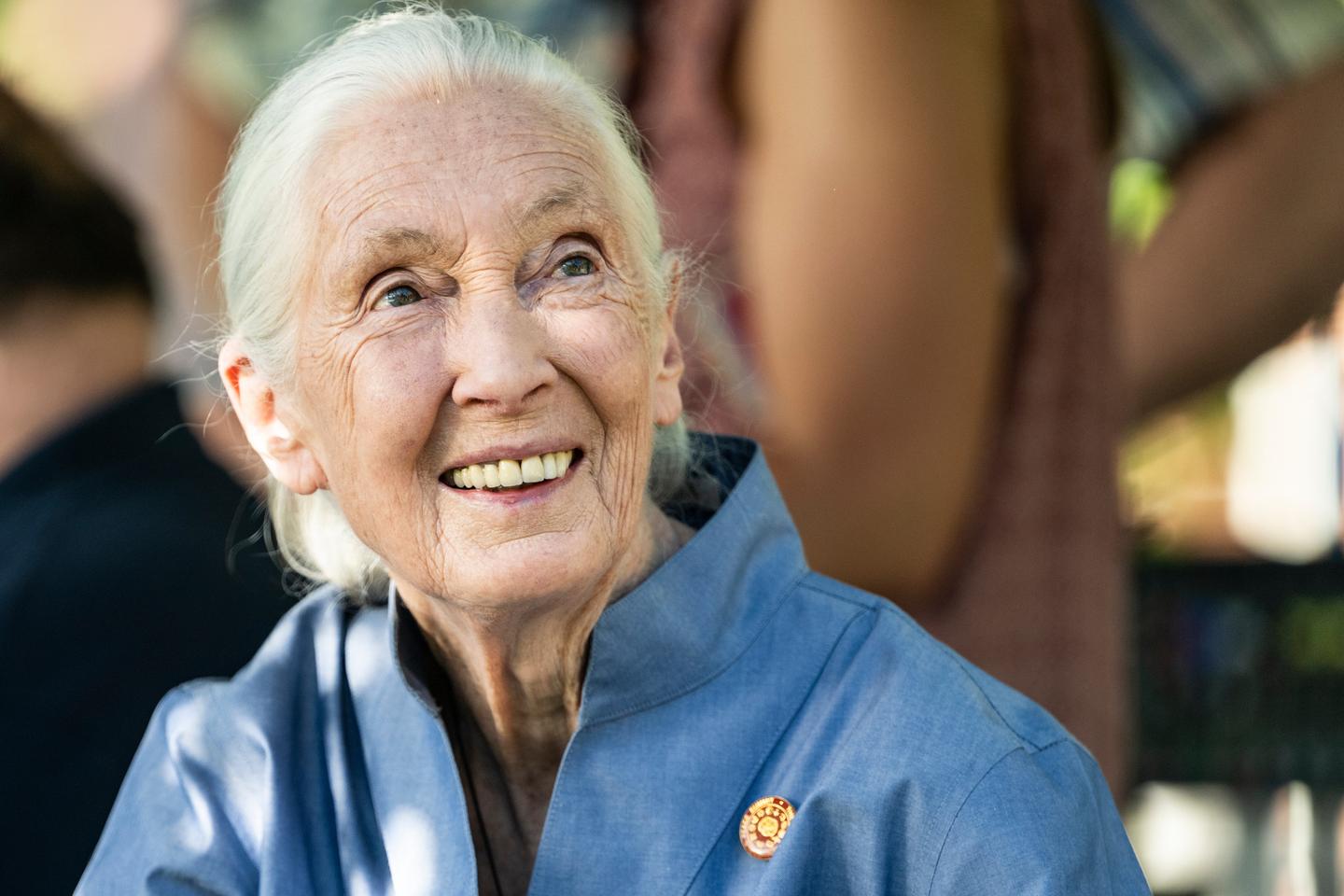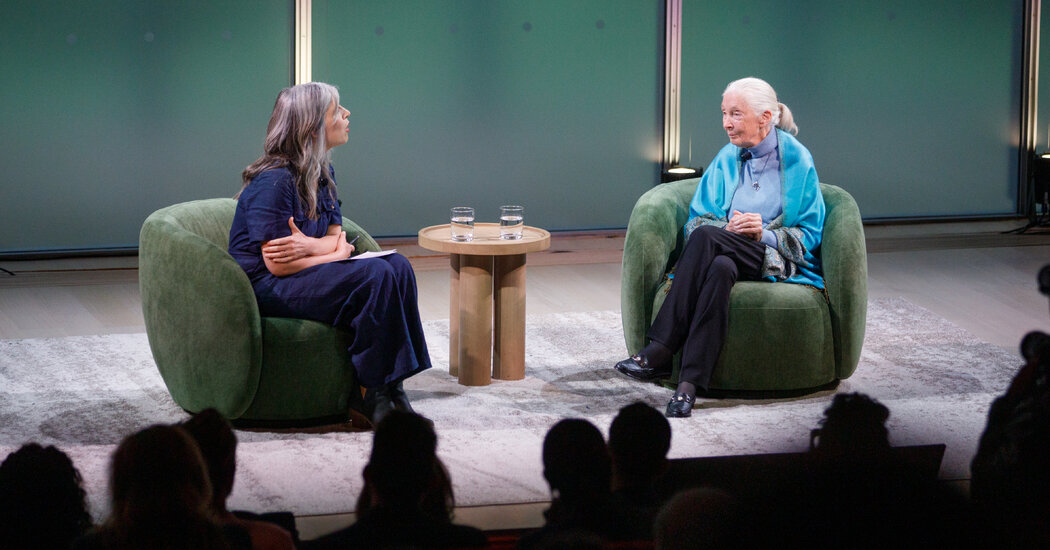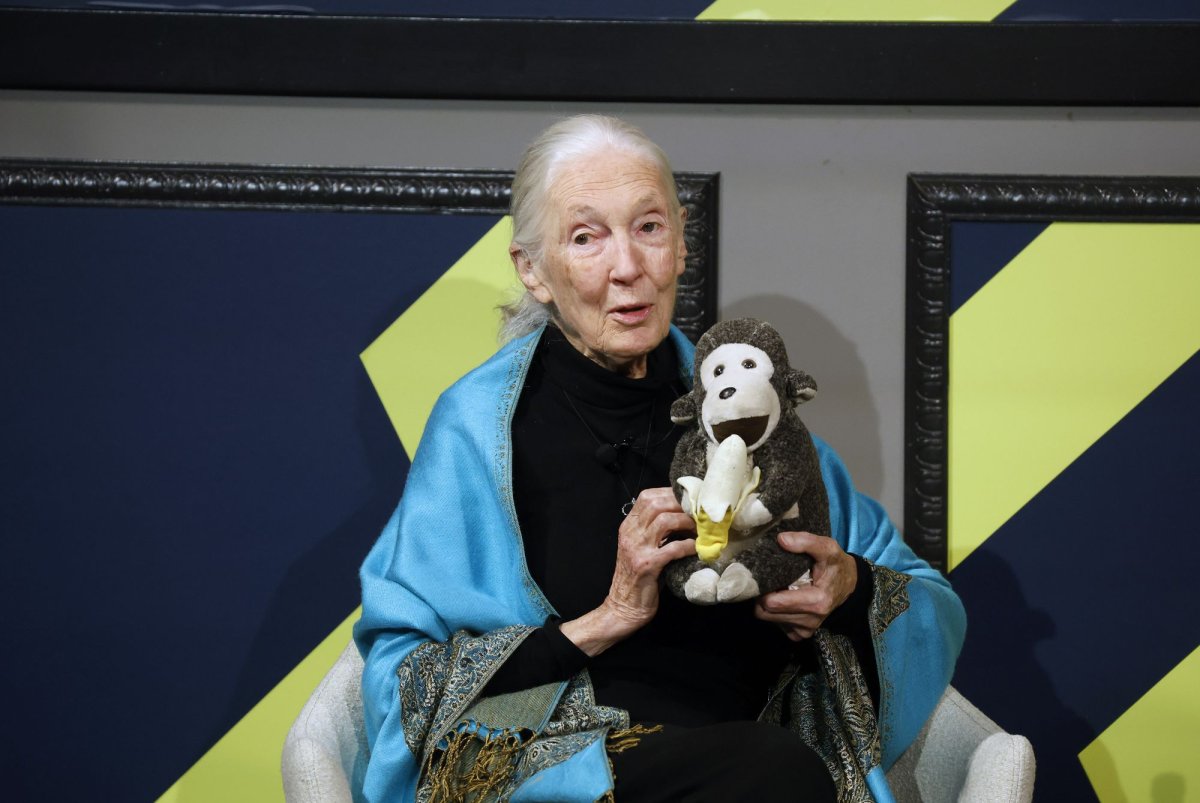
Jane Goodall, founder of The Jane Goodall Institute, holds her stuffed animal traveling companion named Mr. H as she speaks with Forbes senior editor Maggie McGrath at the 2025 Forbes Sustainability Leaders Summit at Forbes on Fifth in New York City on September 22. Photo by John Angelillo/UPI | License Photo
Anyone proposing to offer a master class on changing the world for the better, without becoming negative, cynical, angry or narrow-minded in the process, could model their advice on the life and work of pioneering animal behavior scholar Jane Goodall.
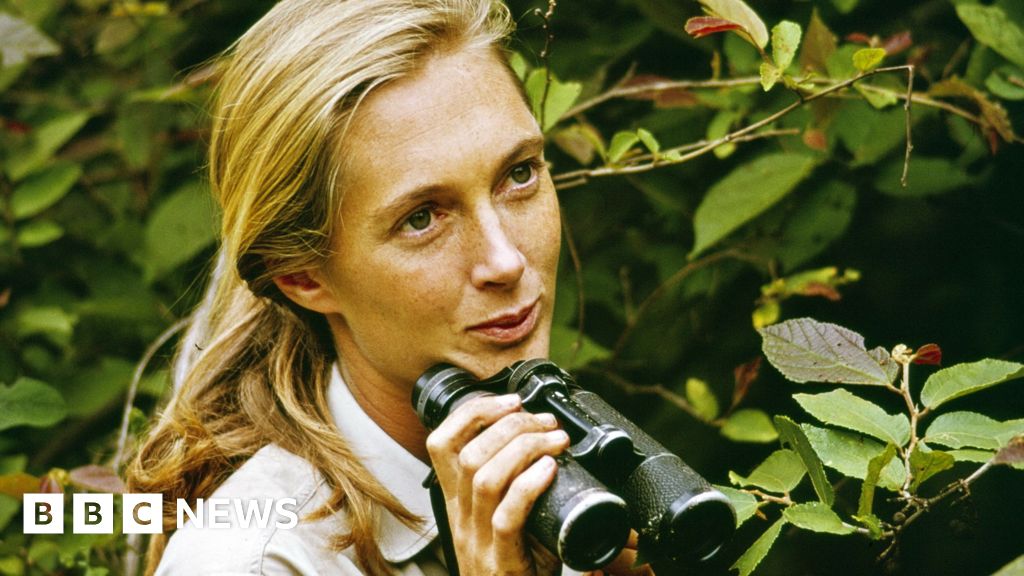
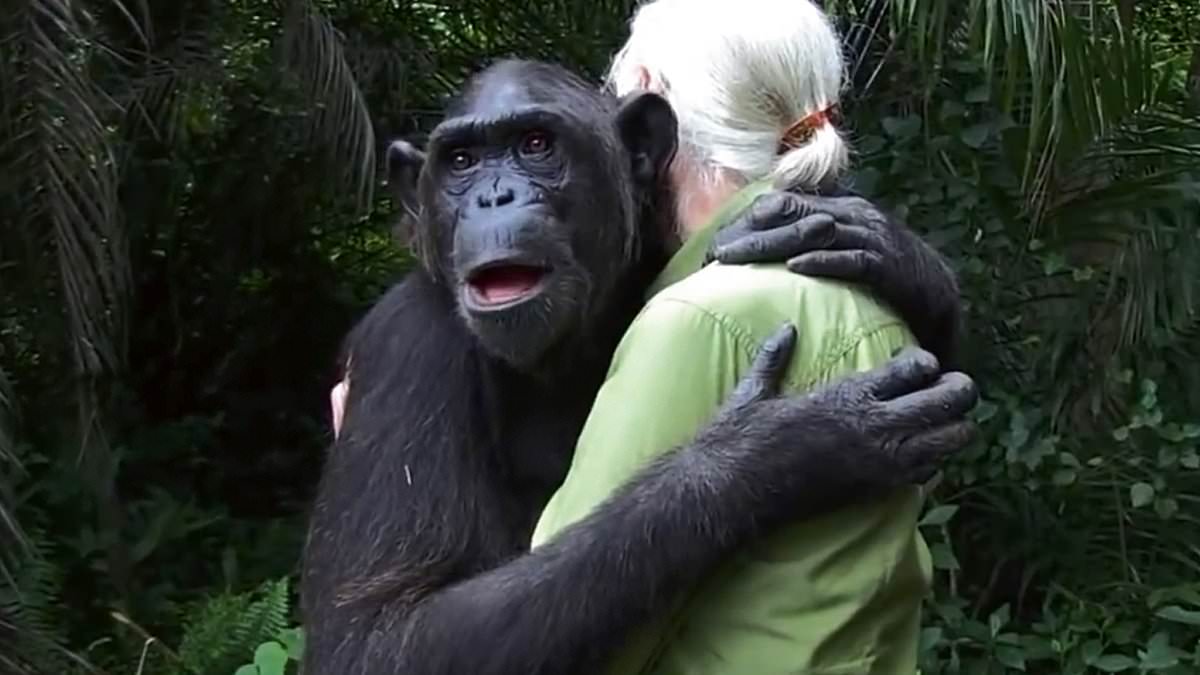
Goodall's life journey stretched from marveling at the somewhat unremarkable creatures -- though she would never call them that --- in her English back yard as a wide-eyed little girl in the 1930s to challenging the very definition of what it means to be human through her research on chimpanzees in Tanzania. From there, she went on to become a global icon and a United Nations Messenger of Peace.
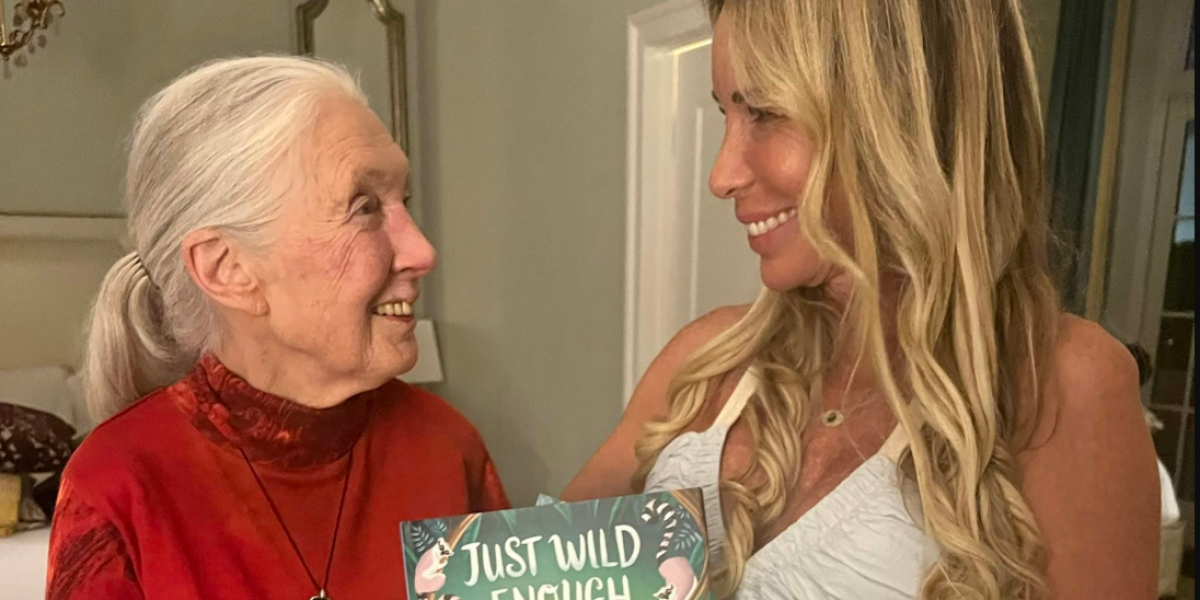
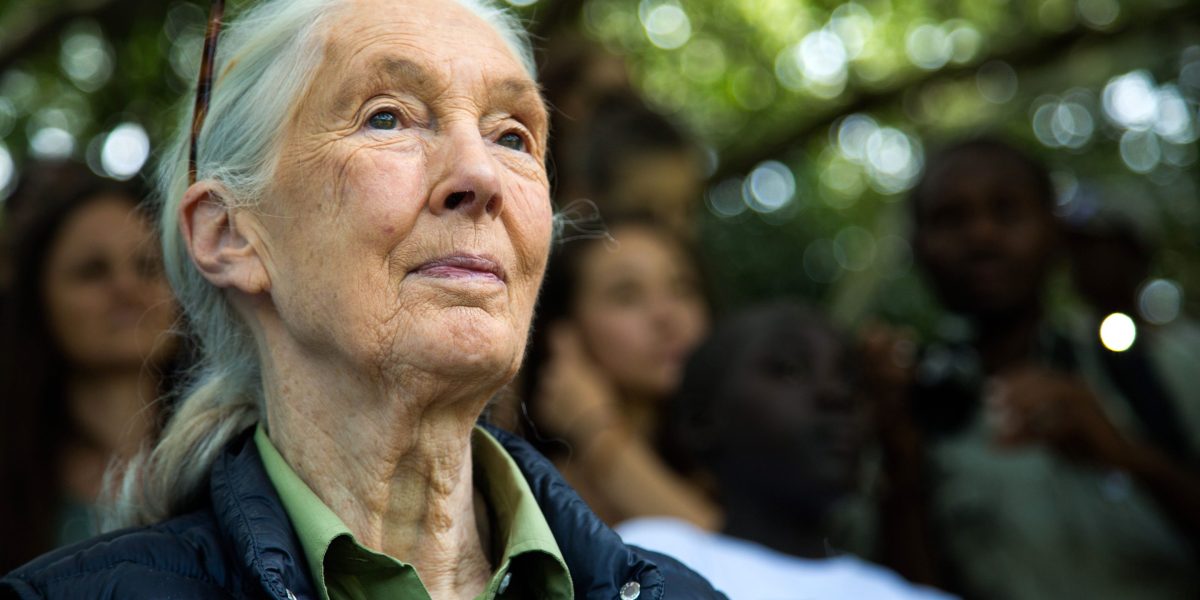
Until her death Wednesday at age 91, Goodall retained a charm, open-mindedness, optimism and wide-eyed wonder that are more typical of children. I know this because I had been fortunate to spend time with her and to share insights from my own scientific career. To the public, she was a world-renowned scientist and icon. To me, she was Jane -- my inspiring mentor and friend.