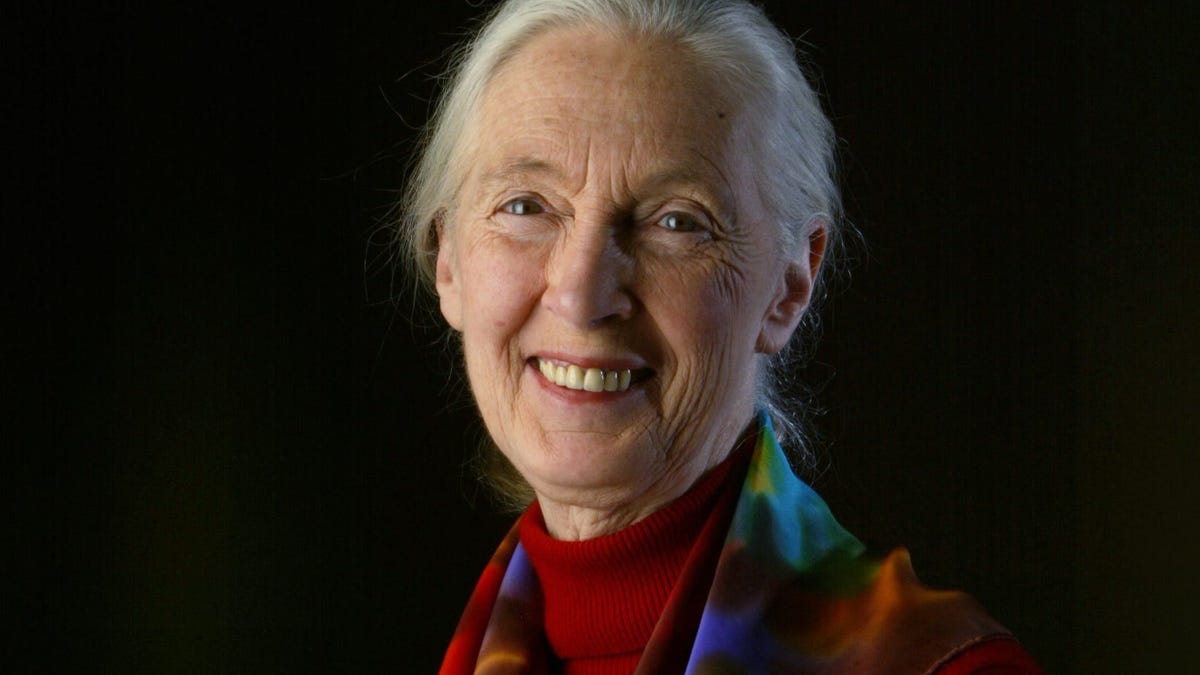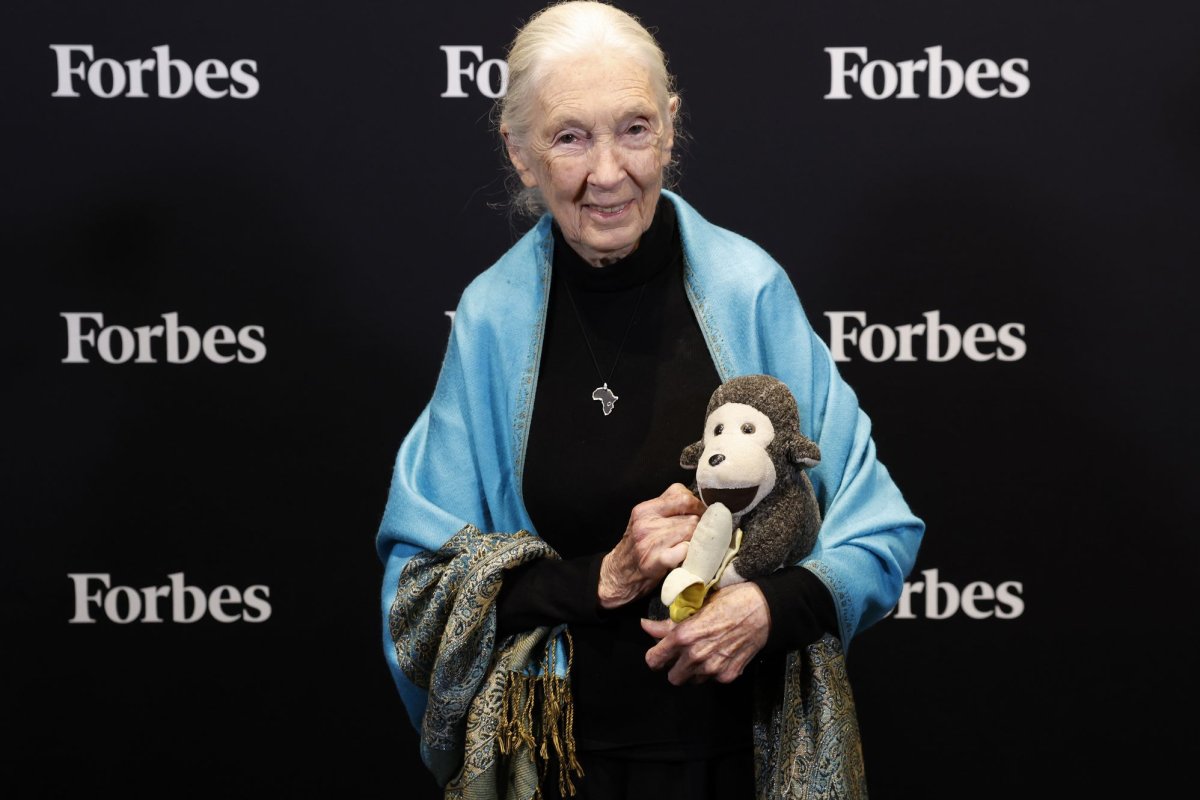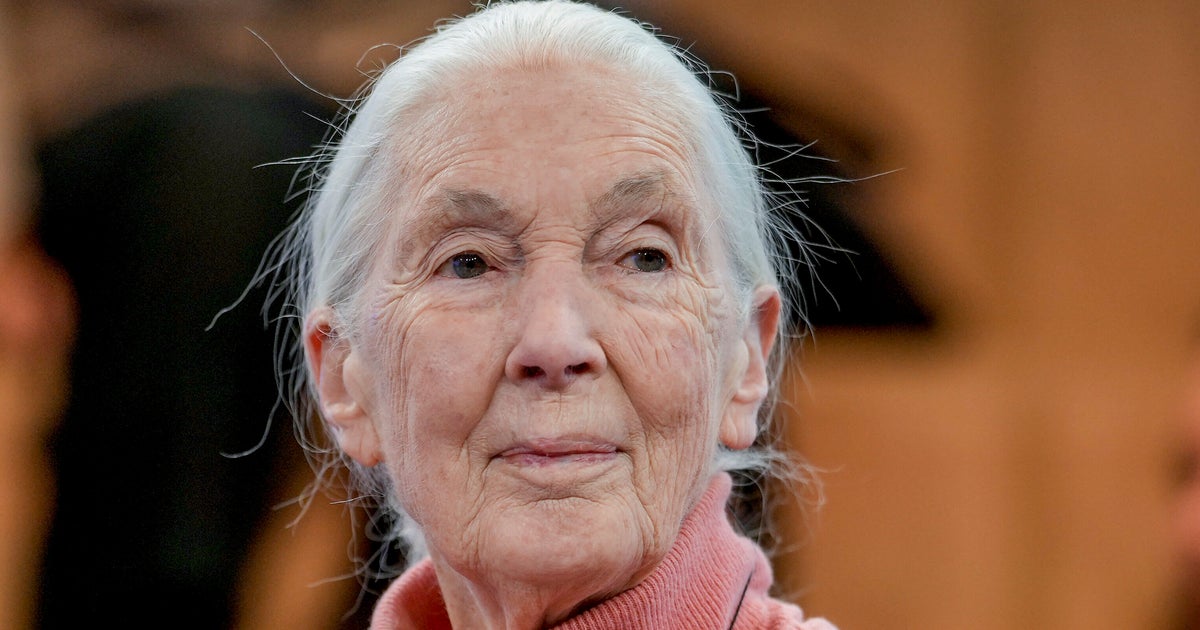
Jane Goodall, the celebrated primatologist, in New York, June 28, 2019. GUERIN BLASK/NYT-REDUX-REA
A pioneer of modern ethology and a tireless ambassador for wildlife protection, British researcher Jane Goodall died in Los Angeles on October 1, 2025 at the age of 91. As a little girl, she saw herself as a man in her dreams. The child who aspired to work with animals in a distant country had already understood that this type of freedom was not a woman's business. How could she have guessed that primatology, thanks to her, would become just that? That her observations in Tanzania would revolutionize the way we look at chimpanzees, and consequently, at our humanity?
Her first good fortune was undoubtedly her mother, a woman who never got "angry" and who did not tell her that she was "just a girl" when Goodall confided her ambitions to her. The second was that she did not go to university after high school. Born in London on April 3, 1934, the daughter of an engineer and a housewife (and later a novelist), she could not afford a lengthy education. After completing a secretarial diploma, she worked a series of odd jobs. In 1957, a friend invited her to Kenya, where she met the Kenyan and British paleontologist Louis Leakey, a renowned researcher who was conducting excavations in the Horn of Africa. He hired her as a secretary and, as a result, changed the course of her life.