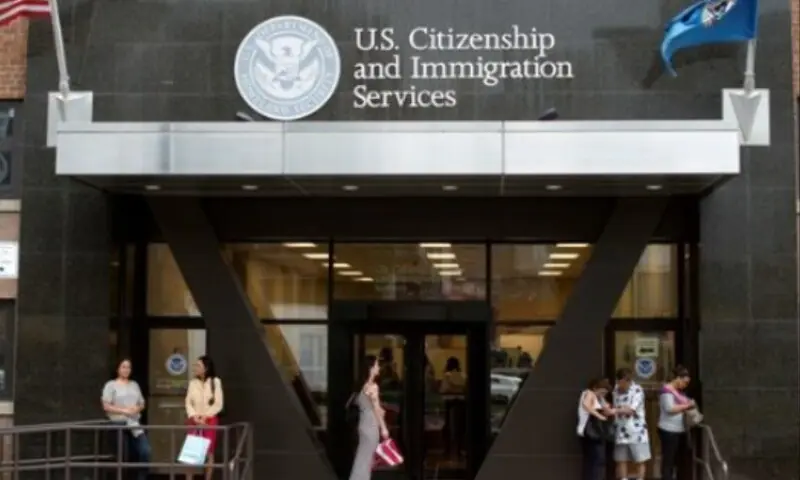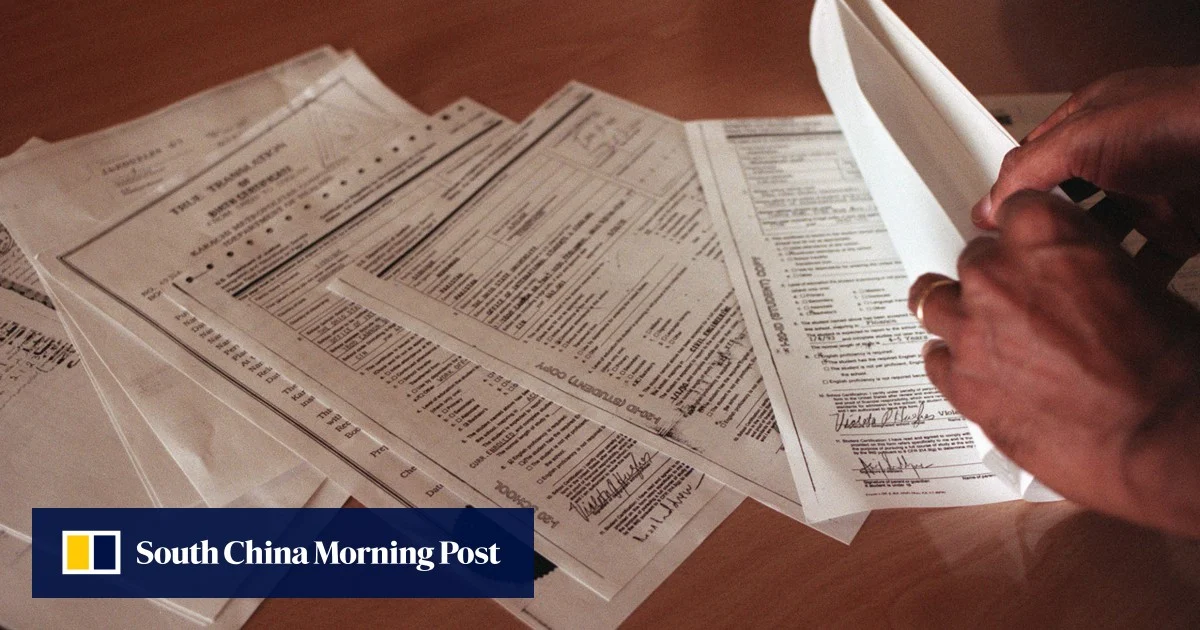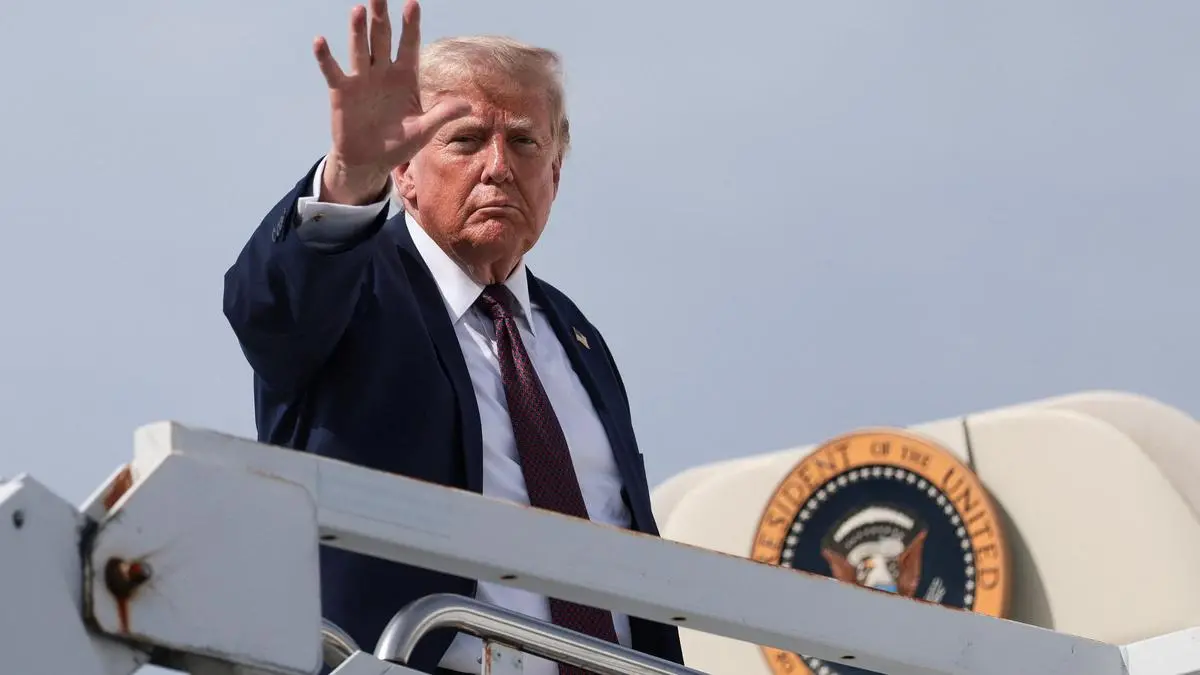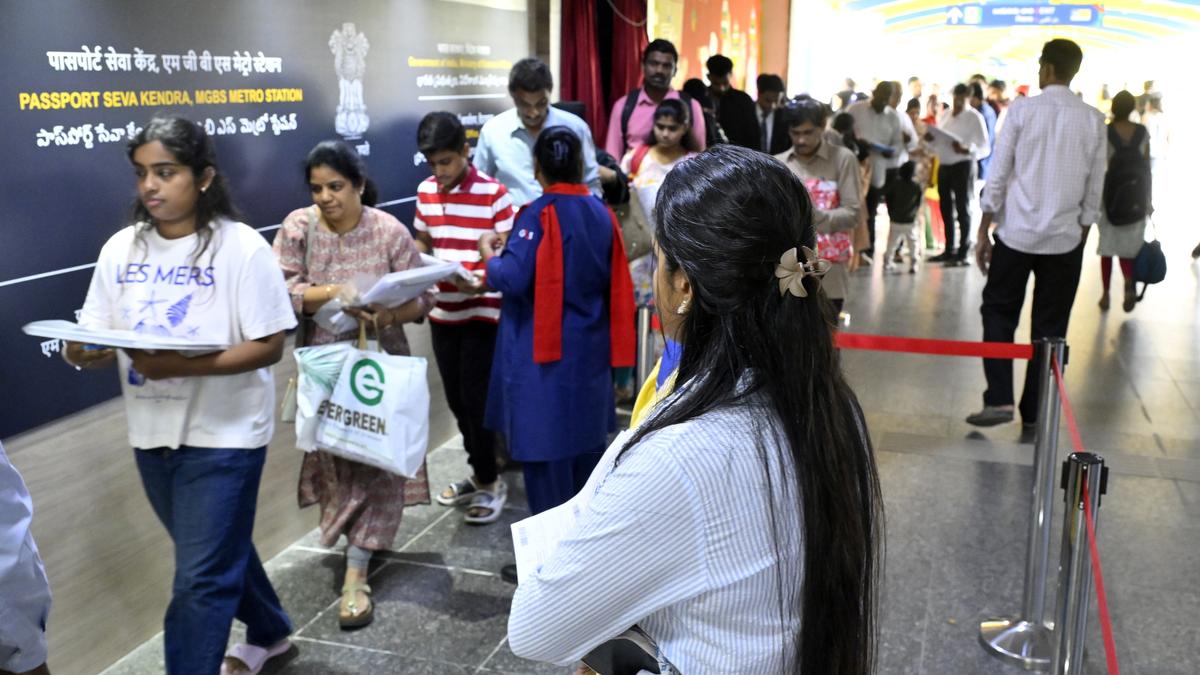
In Hyderabad’s Ameerpet, often referred to as the ‘United States of Ameerpet’, the silence is deafening. Once a throbbing hub of software dreams, its triangular atrium now wears a deserted look. Colourful billboards promising six-figure salaries glare down at empty pavements. Even the walls marked with stern warnings “do not sit on walls/ grilles/ steps” stand unchallenged. The hum of samosa sellers, tea vendors, job consultants and laptop repairers, once inseparable from the churn of students and tutors, has faded into a mournful quiet.It is a silence heavy with broken ambition. For years, Ameerpet thrived on a singular fantasy: the H-1B visa. But on September 19, that fantasy collapsed. From the Oval Office in Washington, U.S. President Donald Trump signed a proclamation that shook the foundations of Hyderabad’s software coaching economy. With new restrictions and a staggering $100,000 fee, the H-1B, once the golden gateway to the American dream, slammed shut.The fallout is written on the faces of students like Umesh B., a freshly minted B.Tech graduate from Geethanjali College of Engineering and Technology, now learning Java Fullstack. “I just want a job. I used to dream about going to the US when I was young. Now a regular job here that pays ₹30,000 a month for a beginner like me is good enough,” the 21-year-old says.Beside him, two friends scan signboards promising jobs after a learning stint: two-month paid internships which, in theory, lead to salaries between ₹3 lakh and ₹6 lakh a year. But the numbers tell their own story. Salaries once dreamt of as monthly paychecks are now realities as annual incomes.Inside the rows of coaching centres, the mood is equally grim. “There is fewer footfalls and less bustle as all the courses are being conducted online. But after Donald Trump became U.S. President, whatever limited demand was there has also disappeared. Now, the decision on H-1B will mean even fewer applicants,” says Sandeep, who works with an institute named Visualpath that offers courses in coding, DevOps, AI, cloud and 35 other flavours of software.The ripple effects travelled fast. On an Emirates flight from San Francisco to Dubai, several anxious passengers deboarded after hearing the news, delaying departure by three hours. In Boston, dorm rooms buzzed with disbelief as Indian students scrolled through their phone screens, recalculating what this meant for their future.The news jolted 22-year-old Rohini Sharma (name changed), a master’s student in Boston, out of her routine. For months, she had been looking forward to her winter break in December, and putting away small amounts of money each week to book a round trip to her hometown, Hyderabad. Her father had already started planning a family outing. Her youngest sister was waiting to go shopping. Rohini herself would daydream of walking into her mother’s kitchen again and relishing home-cooked food. All this, after more than a year of clipped phone calls and video chats across time zones with her parents and three sisters.That night, after returning from her part-time job to her shared apartment, she planned to check ticket prices. But the news alert on her phone left her reeling. “At first, I did not fully understand the implications. But once I began reading the details, panic set in,” she recalls.Like thousands of international students, Rohini is in the U.S. on an F-1 visa, which allows her to pursue studies for two years. Her hopes were pinned on the Optional Practical Training (OPT), a work authorisation programme that lets international students gain hands-on experience in their chosen field after graduation.“For most people, OPT lasts 12 months. But since I am in a STEM [Science, Technology, Engineering, and Mathematics] programme, I can apply for an extension of 24 months, giving me up to three years in total,” she explains.
The slowly dying American dream
Hyderabad's Ameerpet, once a software hub, grapples with the aftermath of Trump's H-1B visa restrictions, reshaping student aspirations.
1,888 words~9 min read