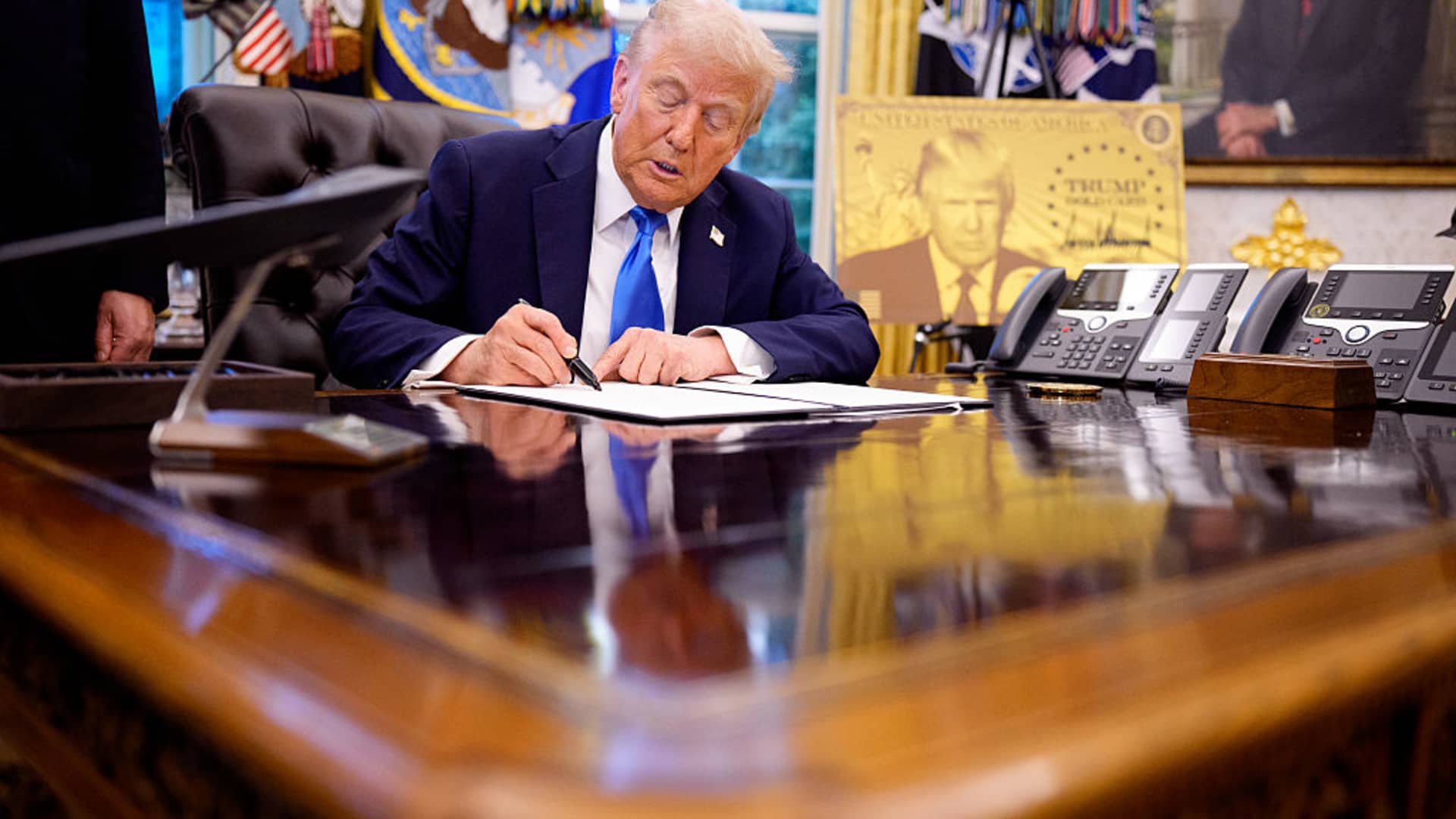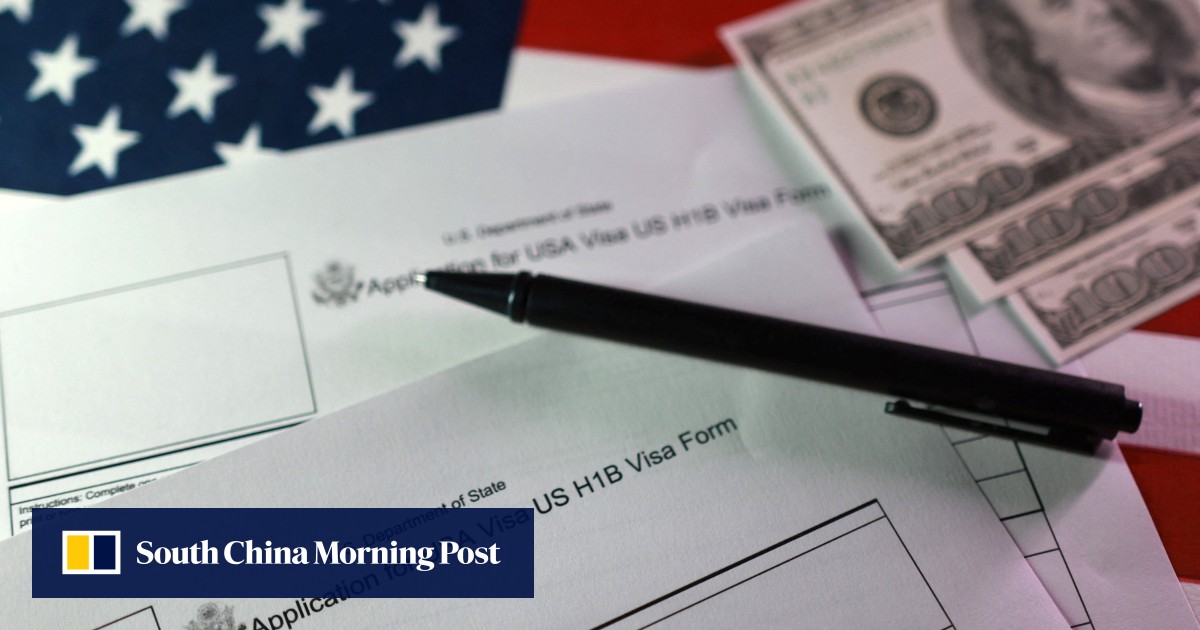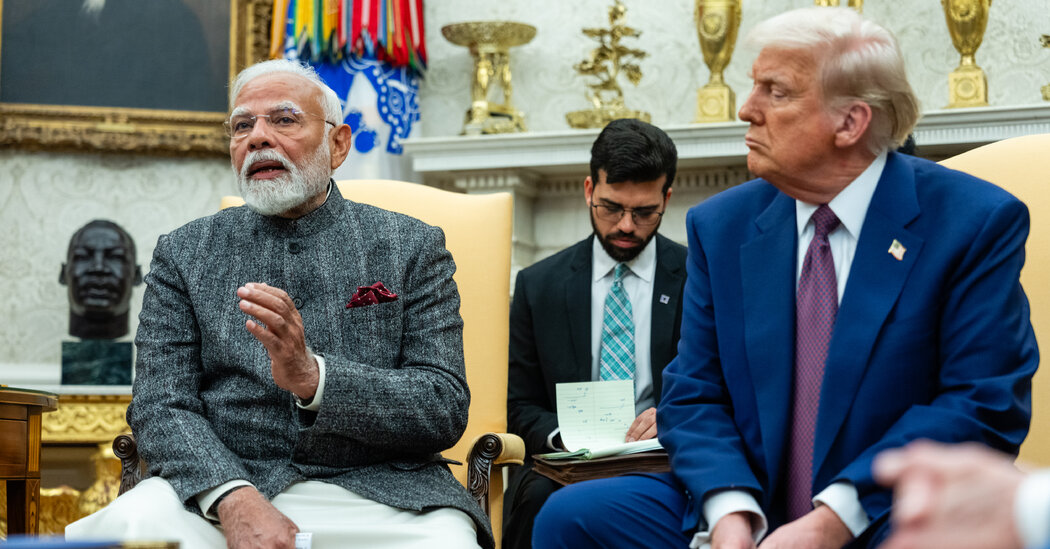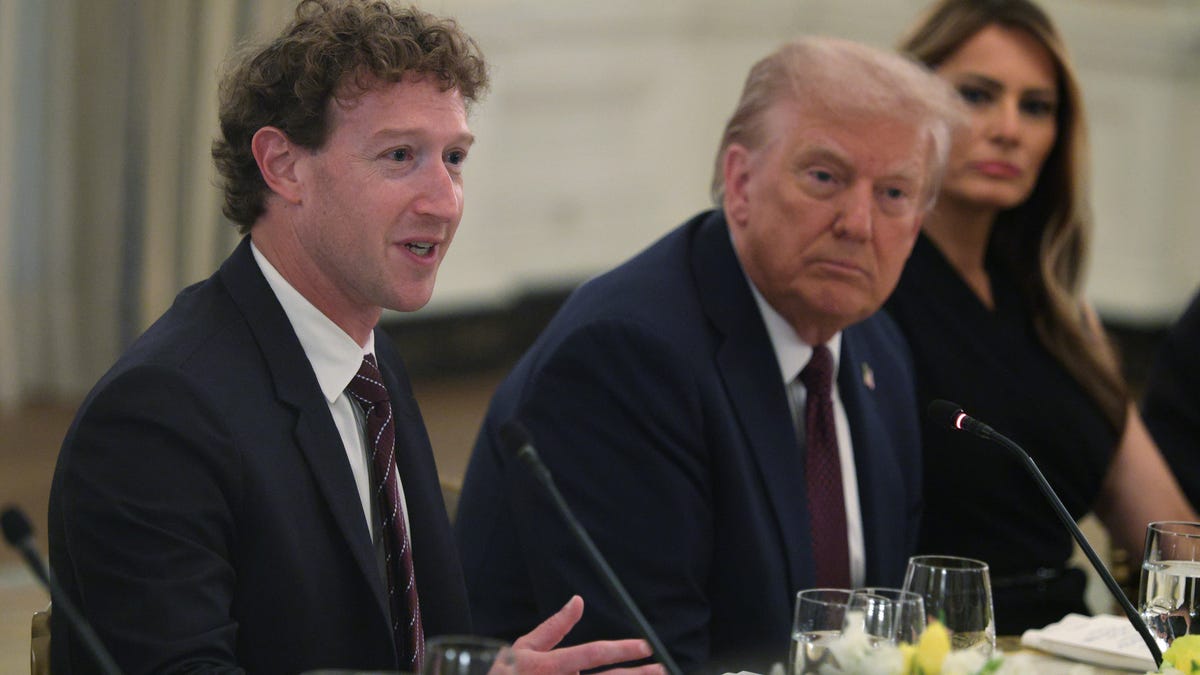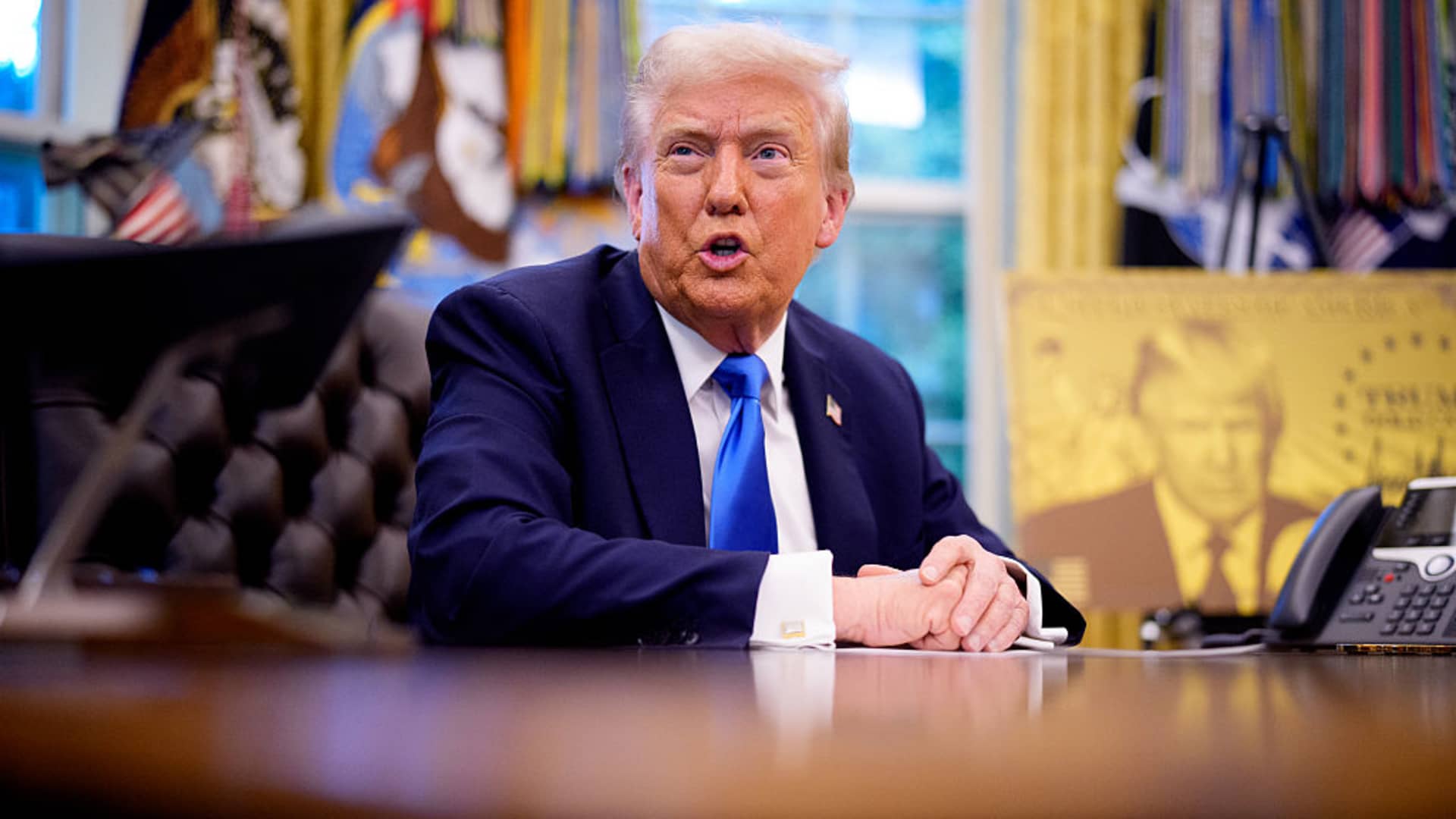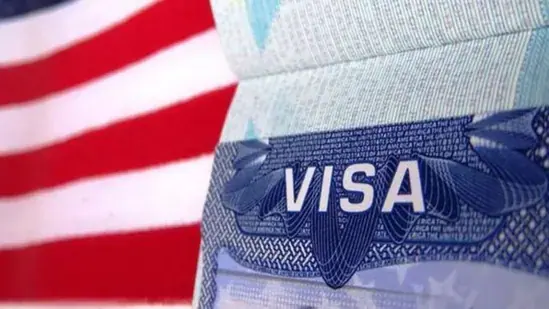
United States President Donald Trump on Friday dramatically ramped up the application fee for companies hiring employees on H-1B worker visas, the principal mechanism for firms to bring in workers with specialised skills from around the world in fields ranging from technology to teaching.The increase, to $100,000 per application, is meant to deter companies from using the programme to bring in foreign workers at current levels, amid a growing and heated debate within the US on immigration.Recommended Stories list of 4 itemslist 1 of 4Trump imposes $100,000 fee per year for H-1B visaslist 2 of 4“It’s all about pay-to-play” in Trump’s H-1B visa policylist 3 of 4India says Trump’s H-1B visa fee hike could ‘disrupt families’list 4 of 4US says $100,000 fee for H-1B visas will not apply to existing holdersend of listHowever, the hike in fees has also led to confusion, set off worries over its effect on the US tech sector, and raised questions about who really gained from H-1B visas, how that has changed over the years, and who might lose out most with the revised rules.What has the Trump administration announced?Through a proclamation that the US president signed, his administration decreed that starting 12:01am ET (04:01 GMT) on Sunday, companies must pay $100,000 per H-1B application.The fees previously ranged from $2,000 to $5,000, based on the size of the company applying for the visa.“The fee is a one-time fee on submission of a new H-1B petition,” the White House said, explaining Trump’s proclamation.It added that the rules do not apply to people who already hold H-1B visas or those who submitted their applications before September 21.Separately, the Department of Labor is updating prevailing wage rules to ensure H-1B visas go to only highly qualified foreign workers, the White House said. Additionally, the Department of Homeland Security will prioritise high-skilled, higher-paid applicants in the H-1B lottery over those earning less, it added, also saying that other reforms to the H-1B visa system are under consideration.What’s the Trump administration’s rationale for the visa fee hike?The H-1B visa was introduced as part of a series of visa reforms that the US introduced in 1990 under President George HW Bush.It lets companies hire foreign workers with specialised skills for up to six years in the US.But critics have long argued that it is misused by recruitment firms to bring in workers at wages lower than what companies would have to pay US employees, both scamming the system and at the same time taking away jobs that would have otherwise gone to Americans.The current minimum annual salary that companies are supposed to pay H-1B visa recipients is $60,000, whereas critics argue that a US tech worker would receive $100,000 or more for the same job.“If you’re going to train somebody, you’re going to train one of the recent graduates from one of the great universities across our land. Train Americans. Stop bringing in people to take our jobs,” Commerce Secretary Howard Lutnick said on Friday.Where do most H-1B visa holders come from?Indian tech workers constitute the bulk of H-1B visa recipients.In 2024, for instance, Indians received 71 percent of approved H-1B visas, followed by Chinese nationals in second place with 11.7 percent, according to US government data.The Filipinos were third, accounting for 1.3 percent of approved H-1B visas; Canadians were in fourth place, accounting for 1.1 percent; and South Koreans were in fifth place, accounting for 1 percent.But when it comes to the companies actually recruiting these workers and applying for visas on their behalf, the picture becomes more complex and reflects a shifting pattern.(Al Jazeera)Which companies have received the most H-1B visas historically?Historically, Indian technology companies have brought the most employees holding H-1B visas to the US, taking the top four spots between 2009 and 2025.According to US Citizenship and Immigration Services (USCIS) data, between 2009 and June 30, 2025:
H-1B fee hike: Who’s gaining from these visas – Indian IT or US firms?
Indian companies were the biggest beneficiaries for years. But that's changed; US firms now dominate visa recipients.
1,401 words~6 min read