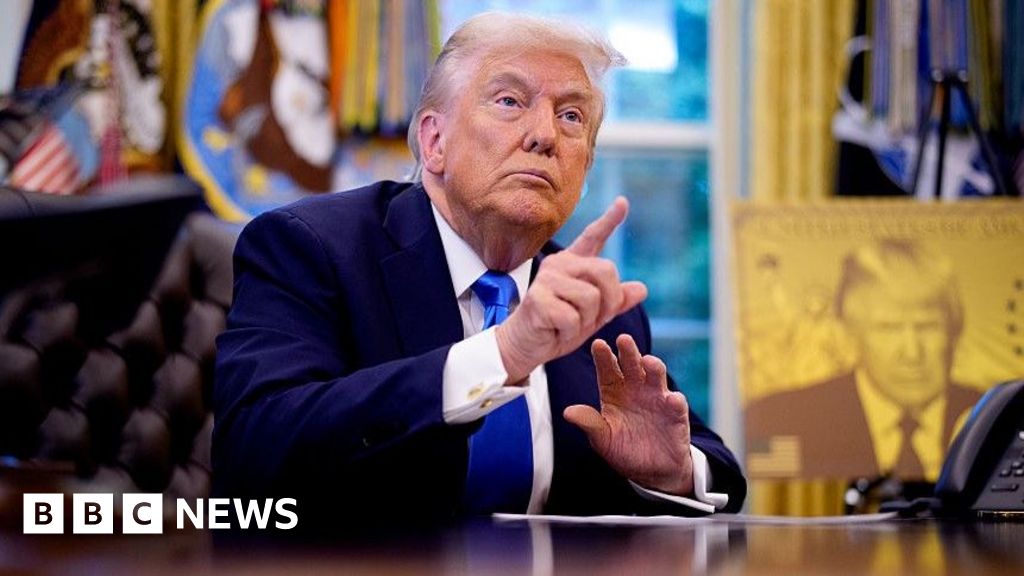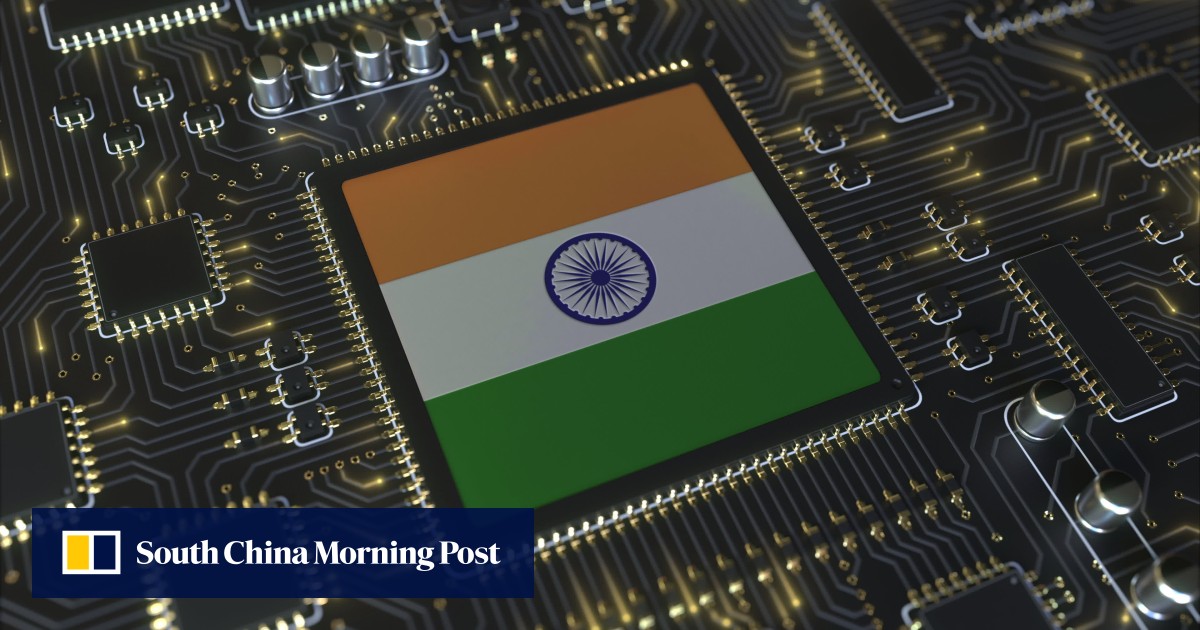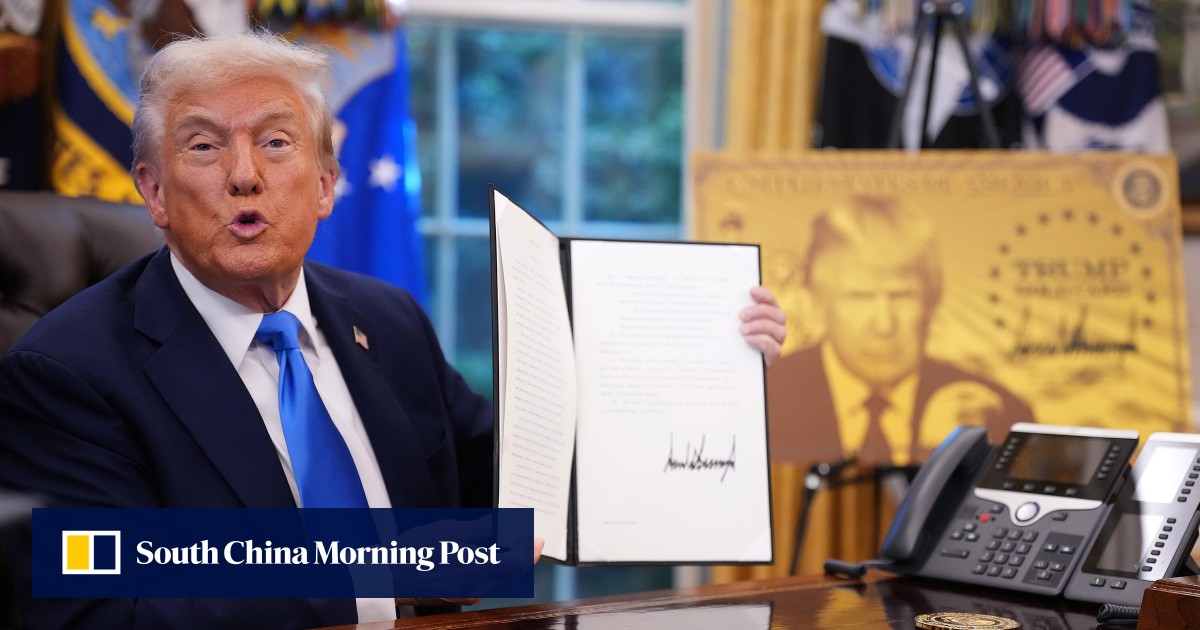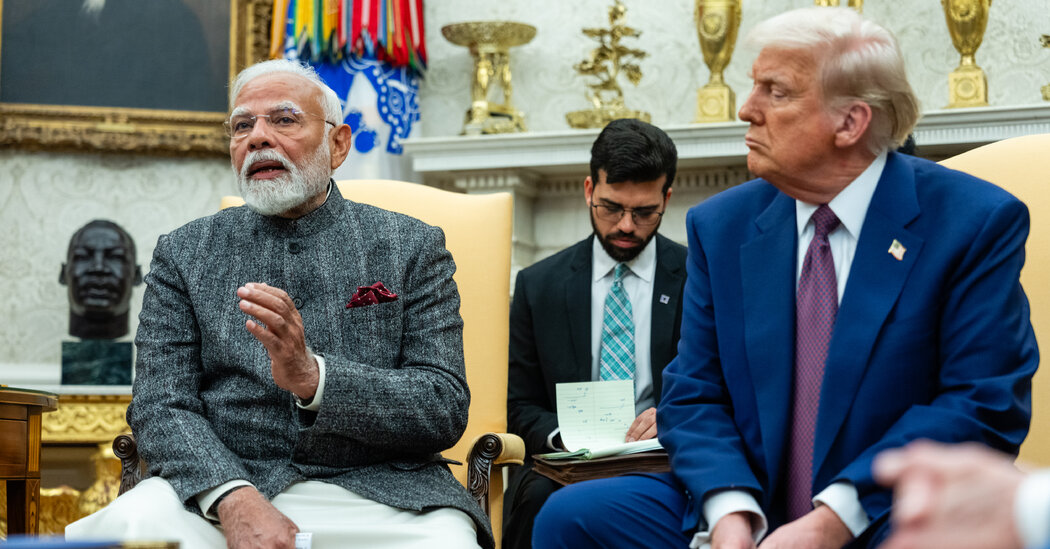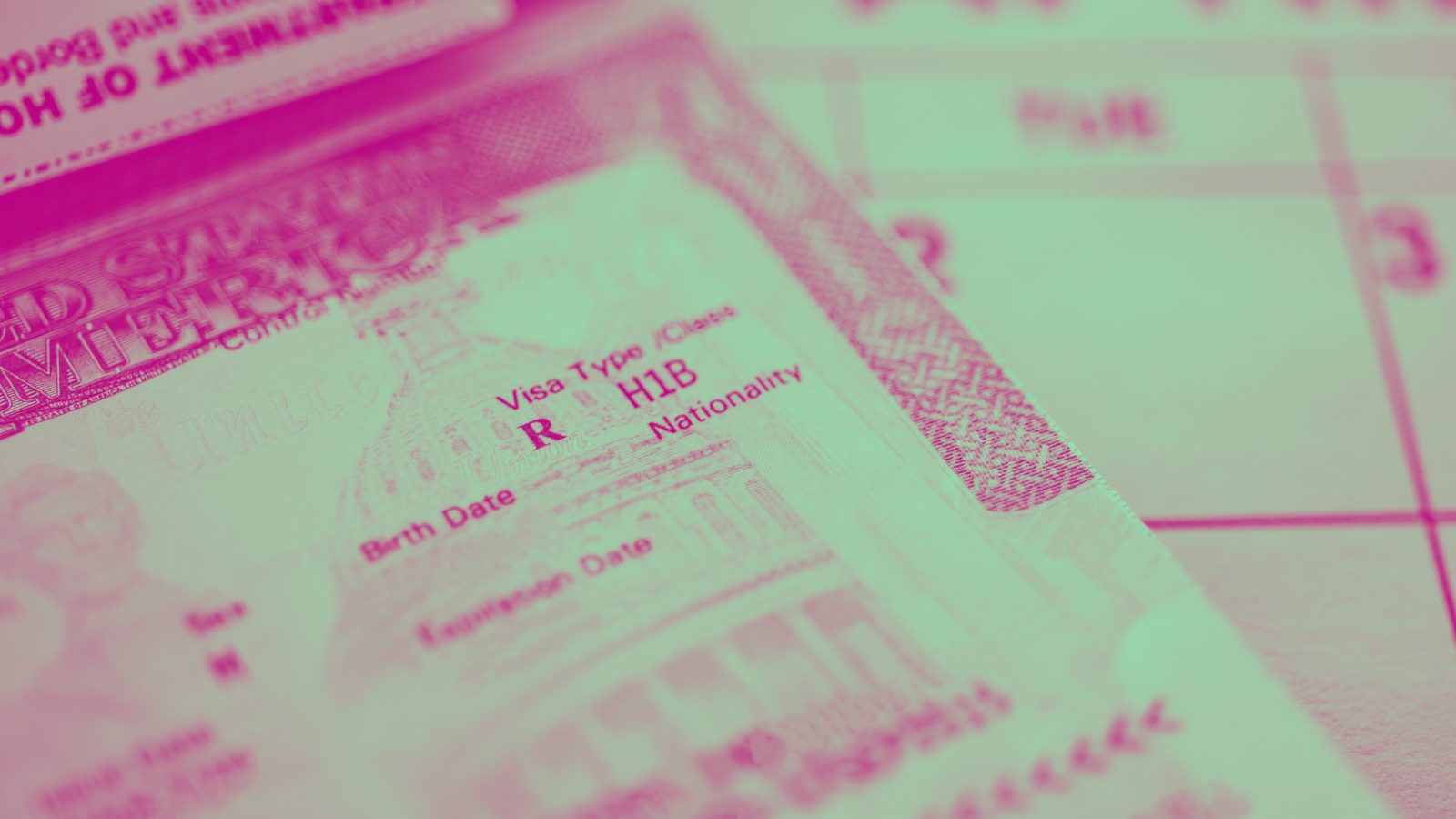
For generations of Indian tech workers, the H-1B visa has been a golden ticket, turning ambitious engineers from Hyderabad and Bengaluru into Silicon Valley professionals, as it transformed Indian IT firms into global powerhouses.Now, a Trump administration proposal to sharply raise the minimum salaries required to qualify for the programme threatens to close that door to the United States, redirecting Indian talent towards Europe, Australia, New Zealand and beyond instead.Under the new proposal, an entry-level software engineer in San Francisco would need to earn US$162,000 a year to qualify for the visa, according to Bloomberg – nearly 30 per cent higher than today’s threshold. In Dallas, the floor would rise to US$113,000; in New York, US$132,000.For the Indian IT heavyweights – TCS, Infosys and their peers – whose entire business model was built on deploying engineers at client sites across America, the implications are profound.People exchange US dollar and Indian rupee banknotes at a foreign exchange office in Amritsar, India. India’s currency has shed around 5 per cent of its value in recent months. Photo: AFP“All of this will add to their cost pressures,” said Vivek Mishra, deputy director at the Observer Research Foundation think tank in New Delhi, referring to the salary increases tech companies would have to offer to retain their workforces in the US under the latest proposal.
Trump’s H-1B visa squeeze paves way for Indian tech exodus
India’s tech workers helped build Silicon Valley. Now, rising H-1B barriers are sending the next generation elsewhere.
221 words~1 min read