Currently, only residents from certain countries and US states can opt out of certain Tracking Technologies through our Consent Management Platform. Additional options regarding these technologies may be available on your device, browser, or through industry options like AdChoices. Please see our Privacy Policy for more information.
To revisit this article, visit My Profile, then View saved stories.
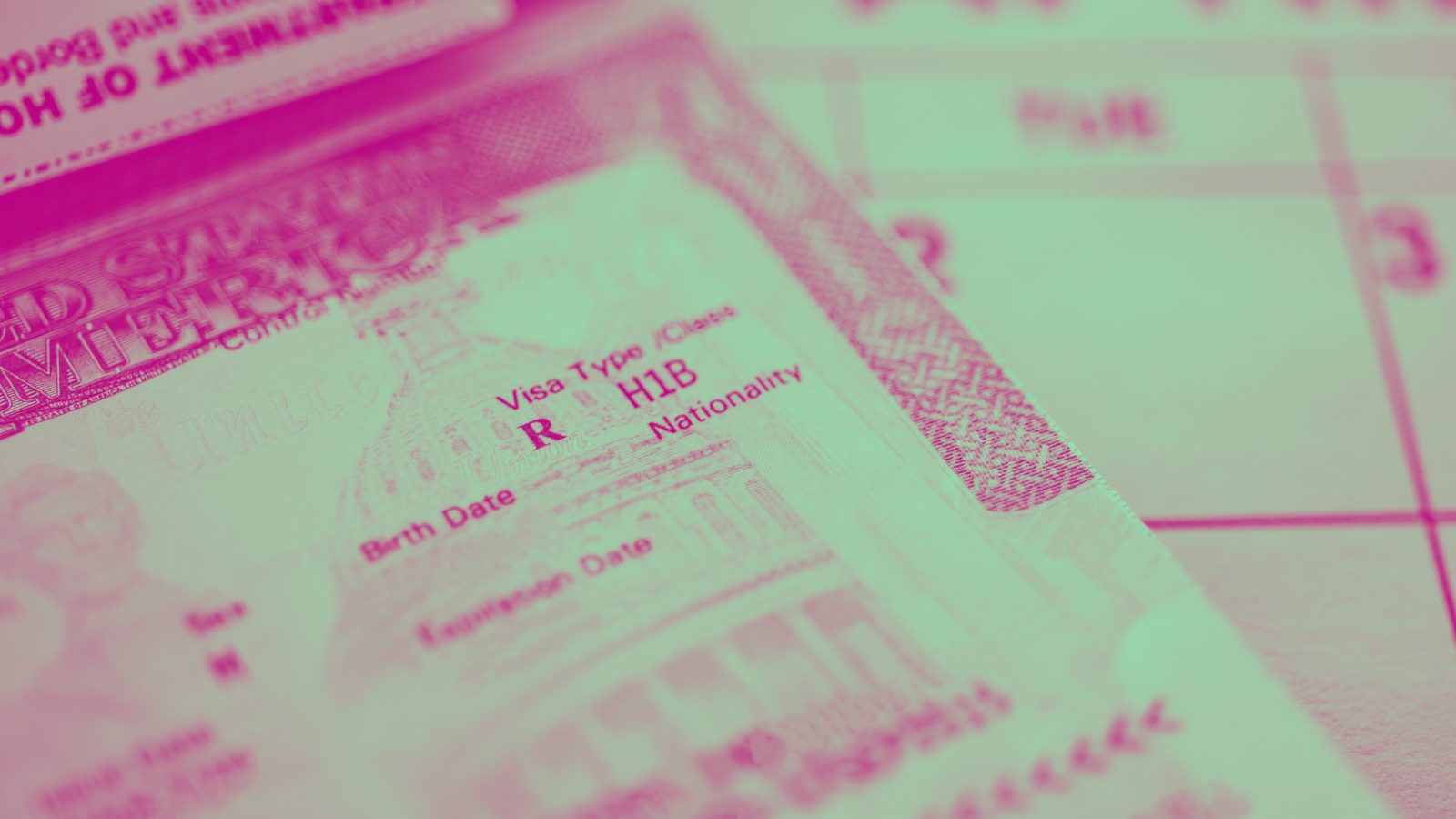
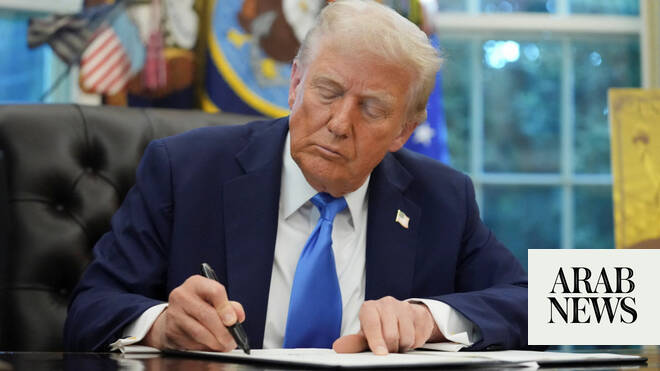
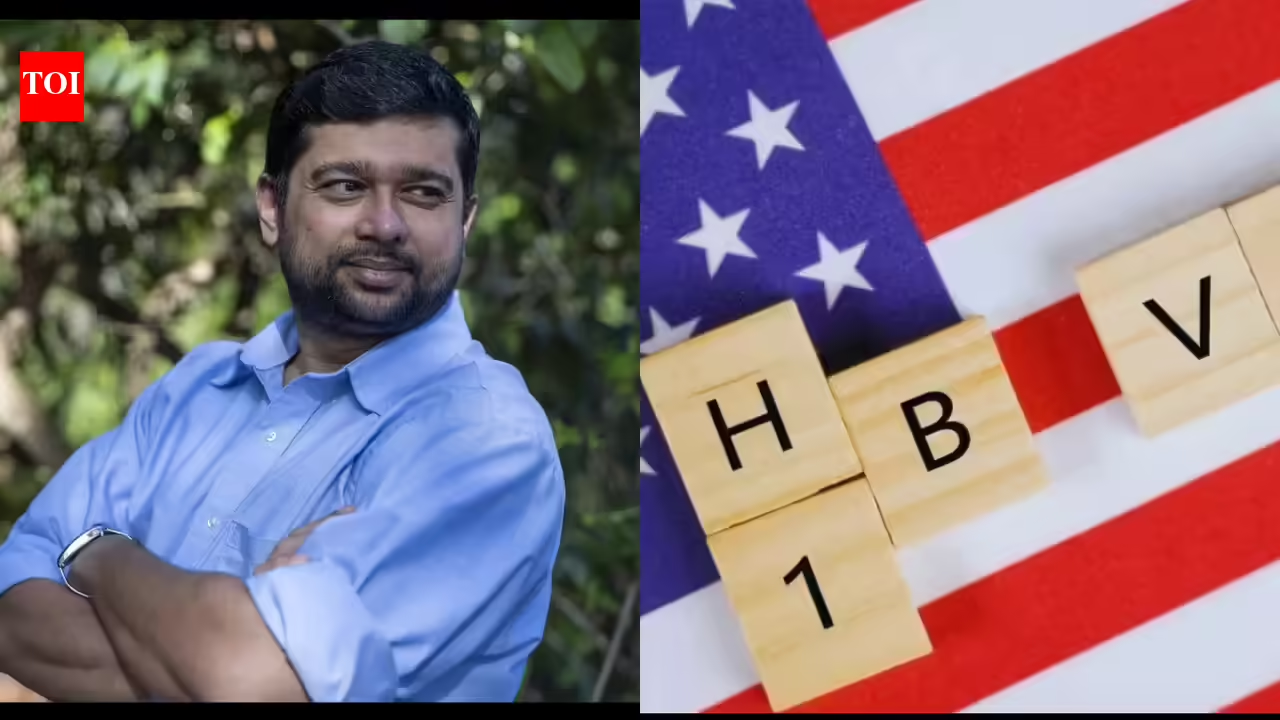
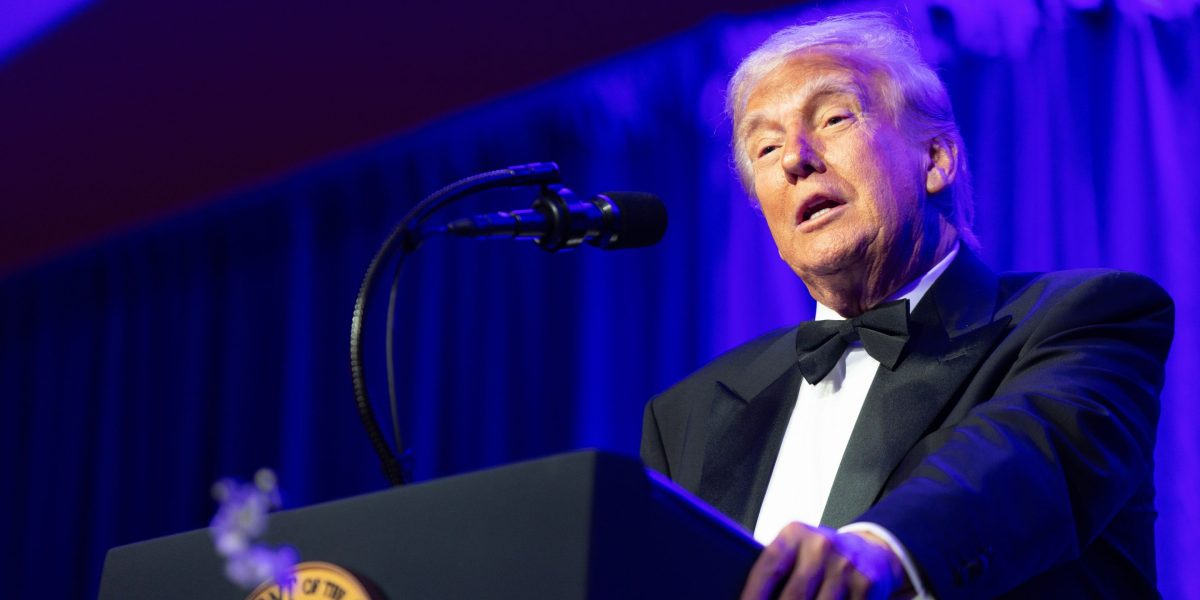
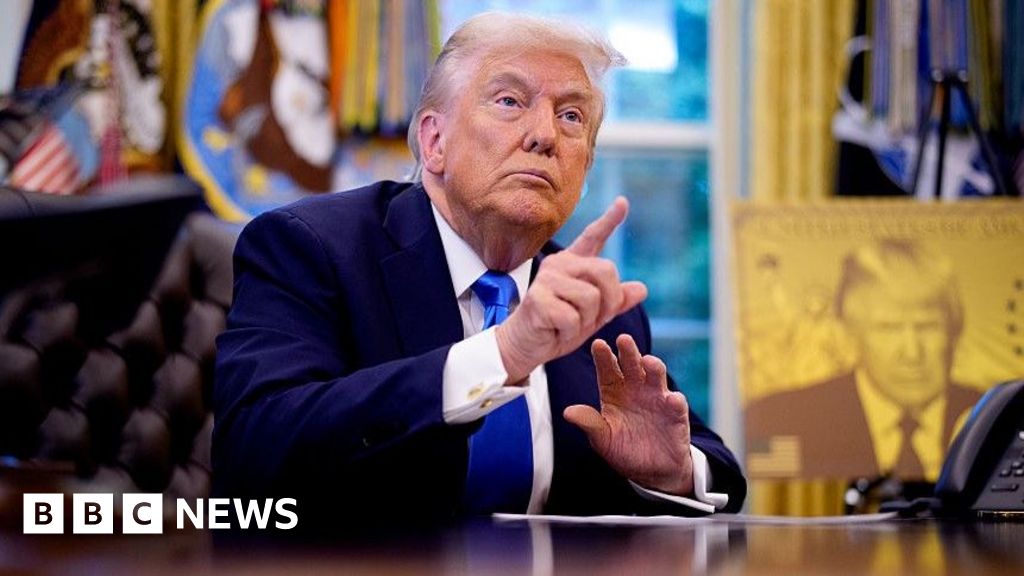
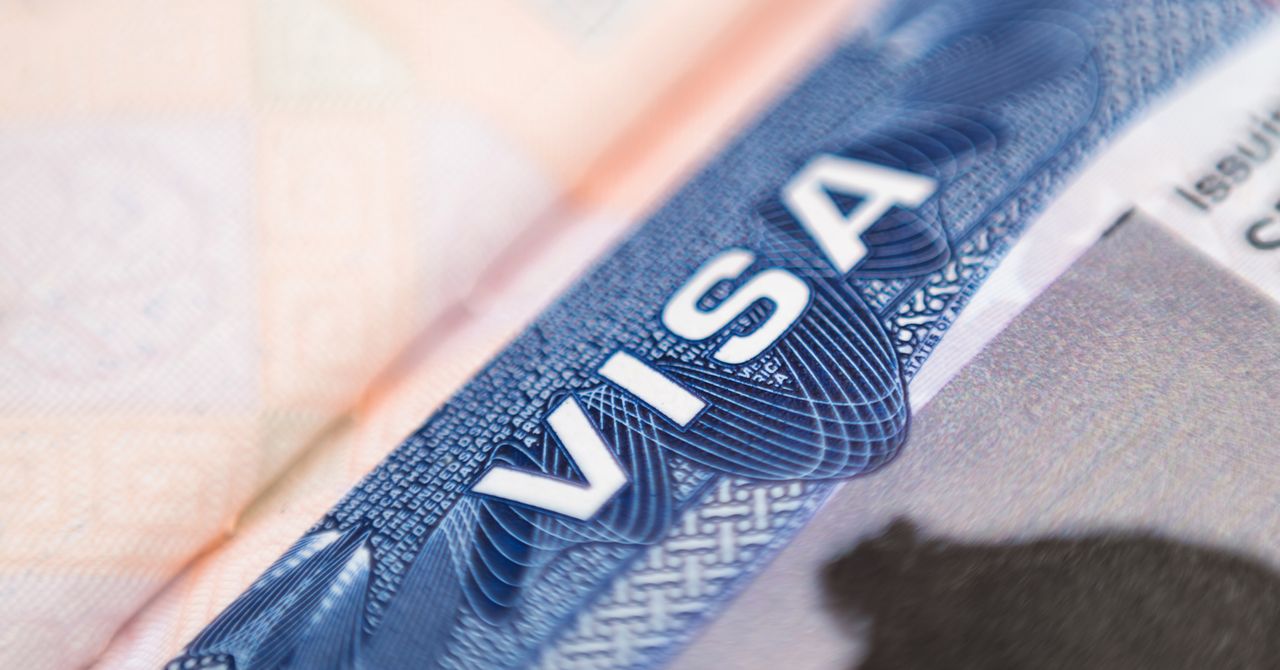
AFTER A SIX-WEEK work trip, Xiayun, an employee at a semiconductor company in Silicon Valley, had landed at her hometown in China for vacation when she saw the news about H-1B visas. On Friday afternoon, US president Donald Trump signed a proclamation saying that any H-1B visa holder’s entry into the US will be “restricted, except for those aliens whose petitions are accompanied or supplemented by a payment of $100,000.” The news left Xiayun and hundreds of thousands of immigrant workers scrambling to figure out how they’d be impacted and whether, if they were abroad, they should return before Sunday, when the new rule was set to take effect.
Xiayun, who asked to use her online alias and not mention her employer’s name in the story to avoid being identified, claims she started receiving communications from her manager asking her to consider returning as soon as possible to avoid being charged the fee. Before she even met her family at the airport, she says she already decided to fly back to the US as soon as possible. She only stayed in Urumqi for two hours before hopping on the next flight back to California.