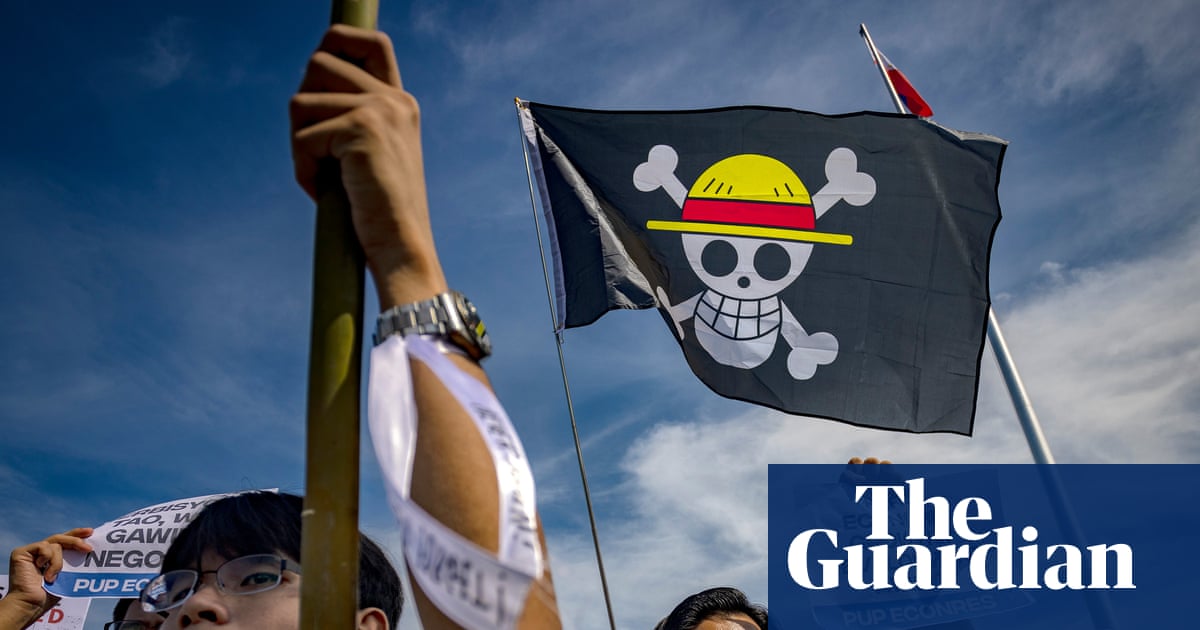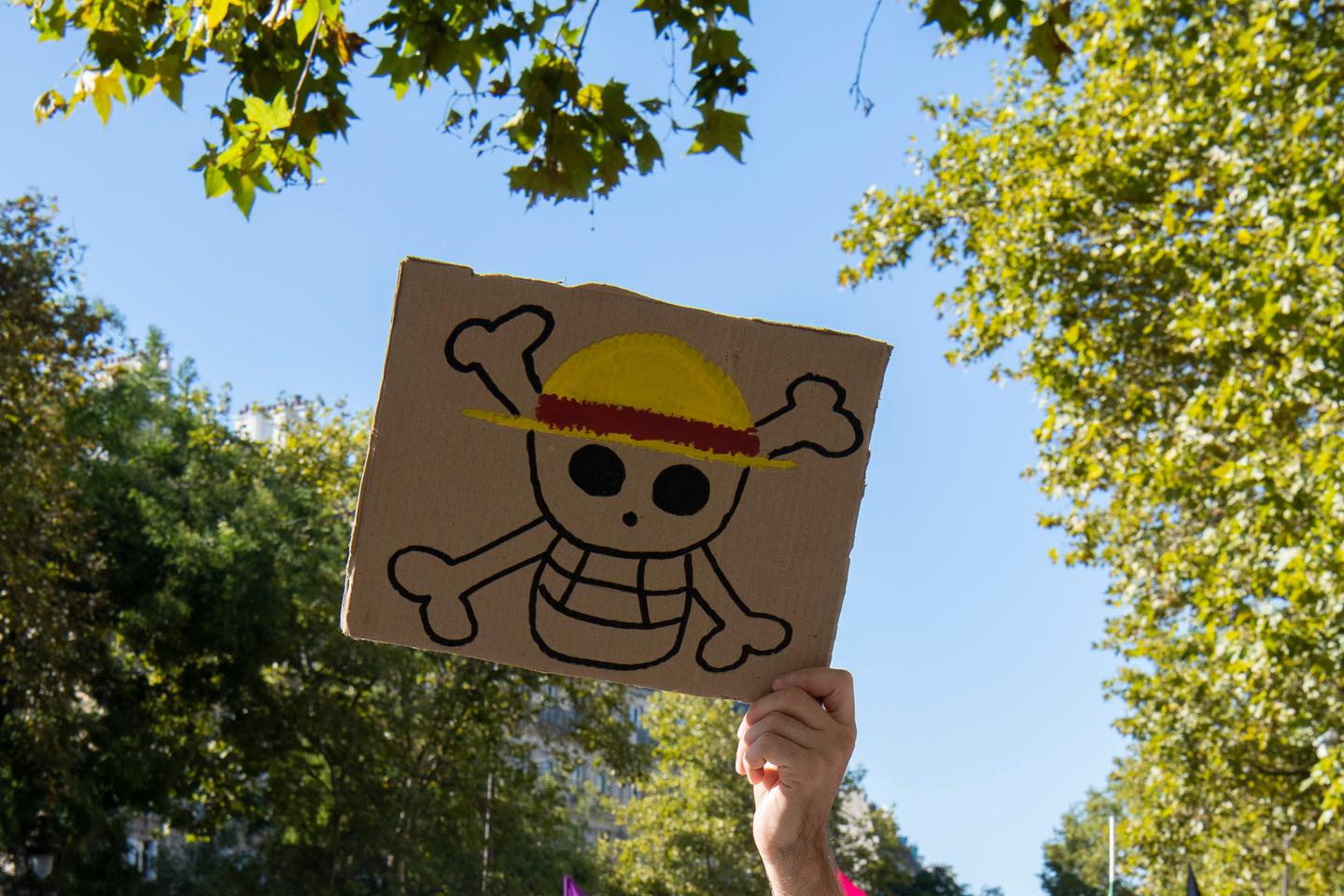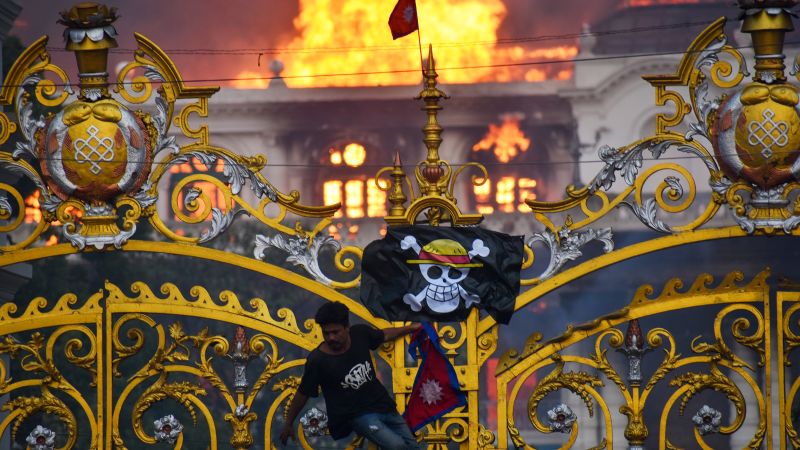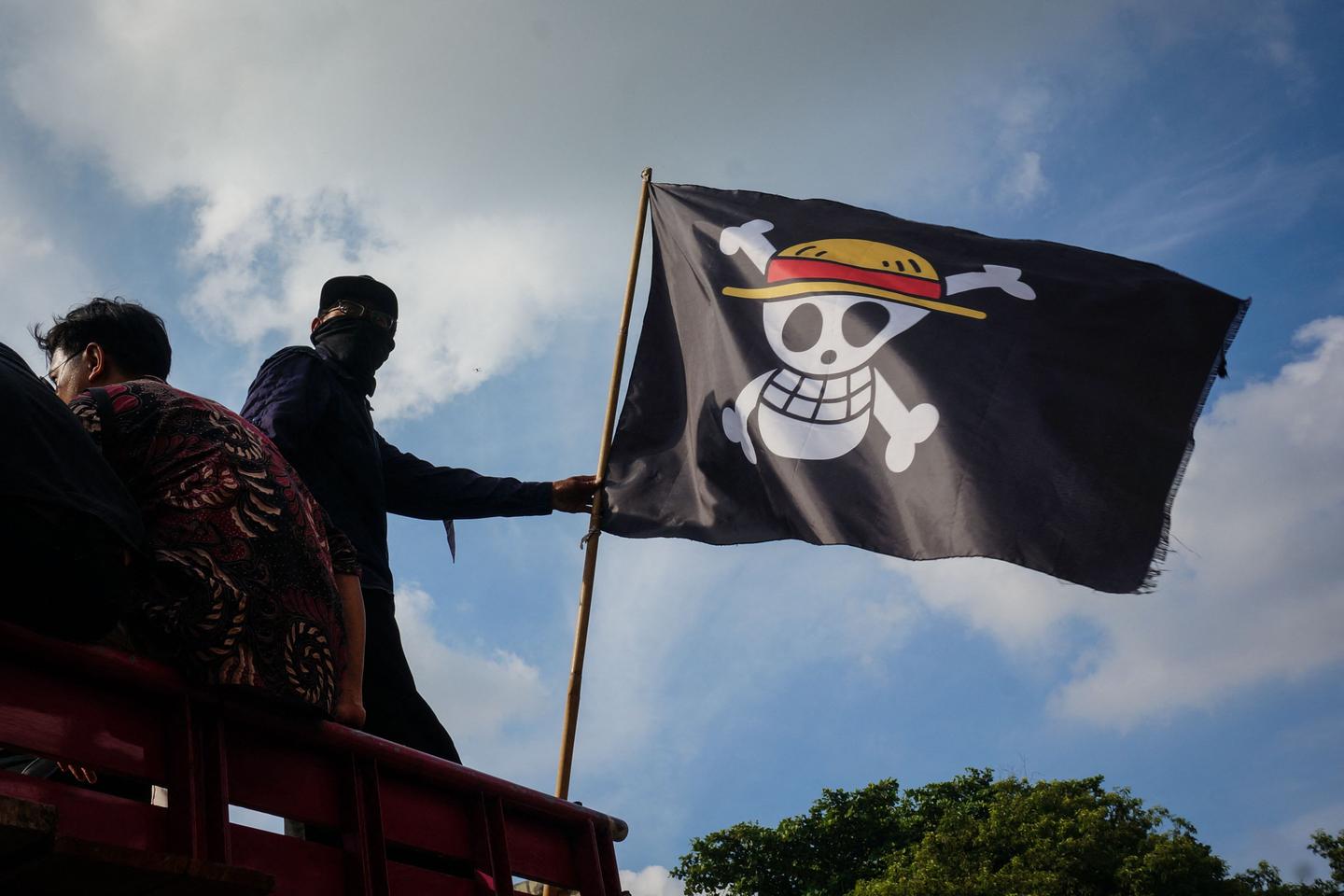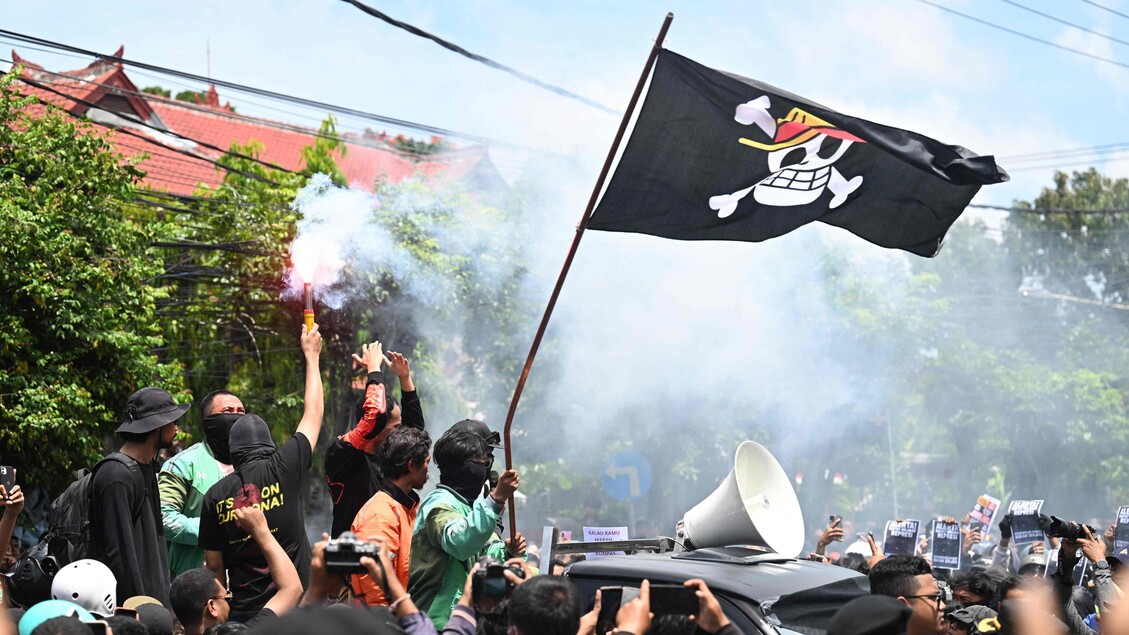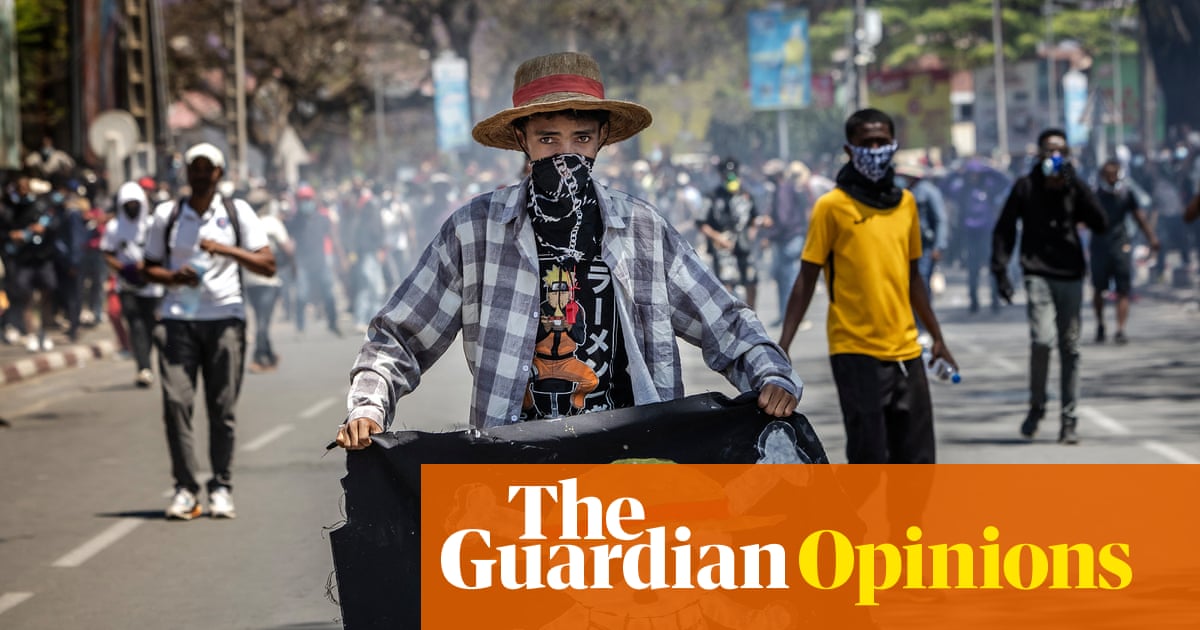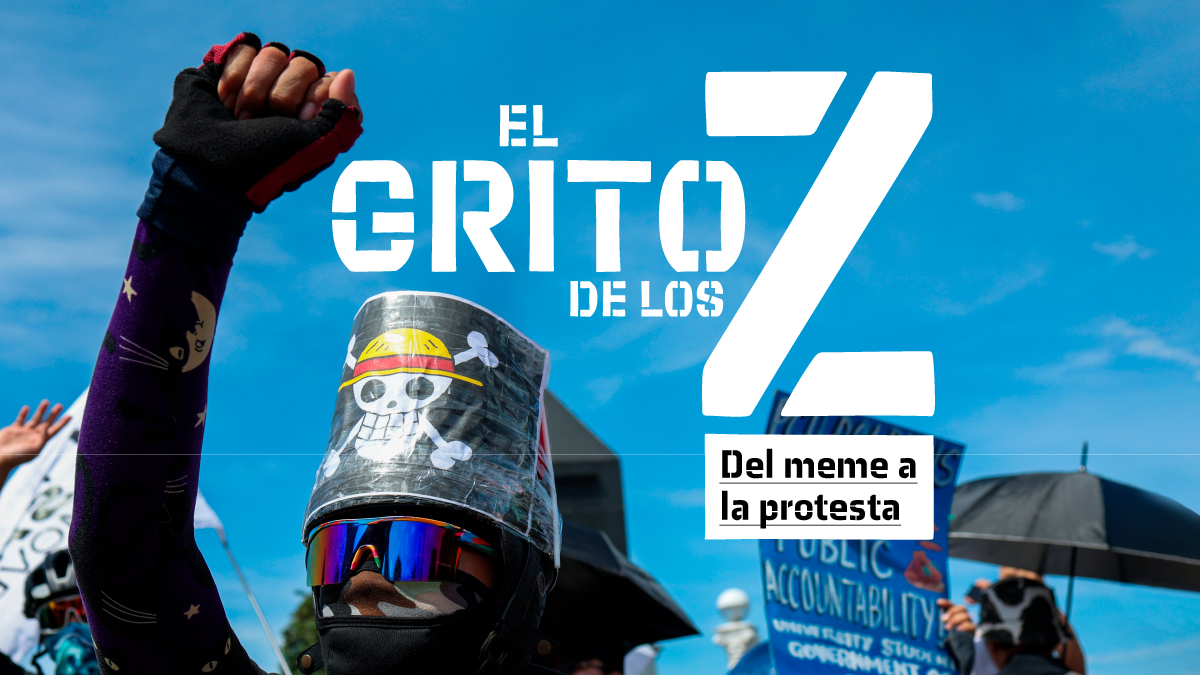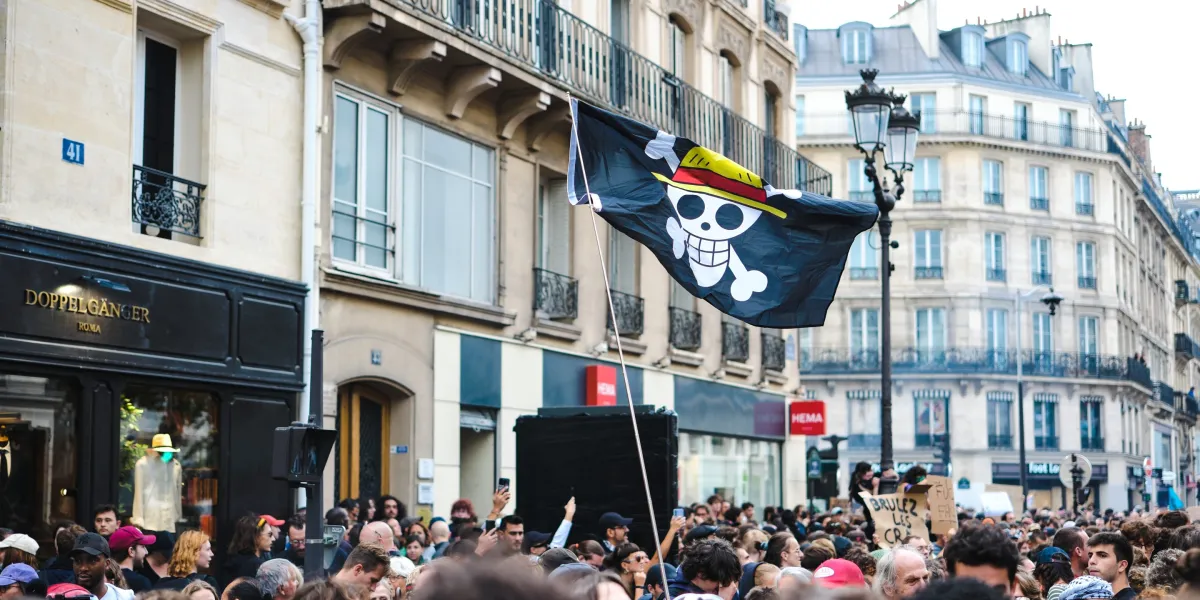
From Paris and Rome to Jakarta, Indonesia, and New York, a curious banner has appeared in protest squares. With hollow cheeks, a broad grin and a straw hat with a red band, the figure is instantly recognizable and has been hoisted by young demonstrators calling for change. In Kathmandu, Nepal, where anger at the government boiled over in September 2025, the flag became the defining image as flames spread through the gates of Singha Durbar, Nepal’s ornate palace complex and seat of power.
The image, usually adorning a flag with a black background, comes from “One Piece,” a much-beloved Japanese manga.
And what began as a fictional pirate crew’s emblem almost three decades ago has become a powerful symbol of youth-led resistance, appearing in demonstrations from Indonesia and Nepal to the Philippines and France.
As a scholar of media and democracy, I see the spread of the Jolly Roger of the Straw Hats Pirates — which has gone from manga pages to protest squares — as an example of how Gen Z is reshaping the cultural vocabulary of dissent.
Pop culture as political expression