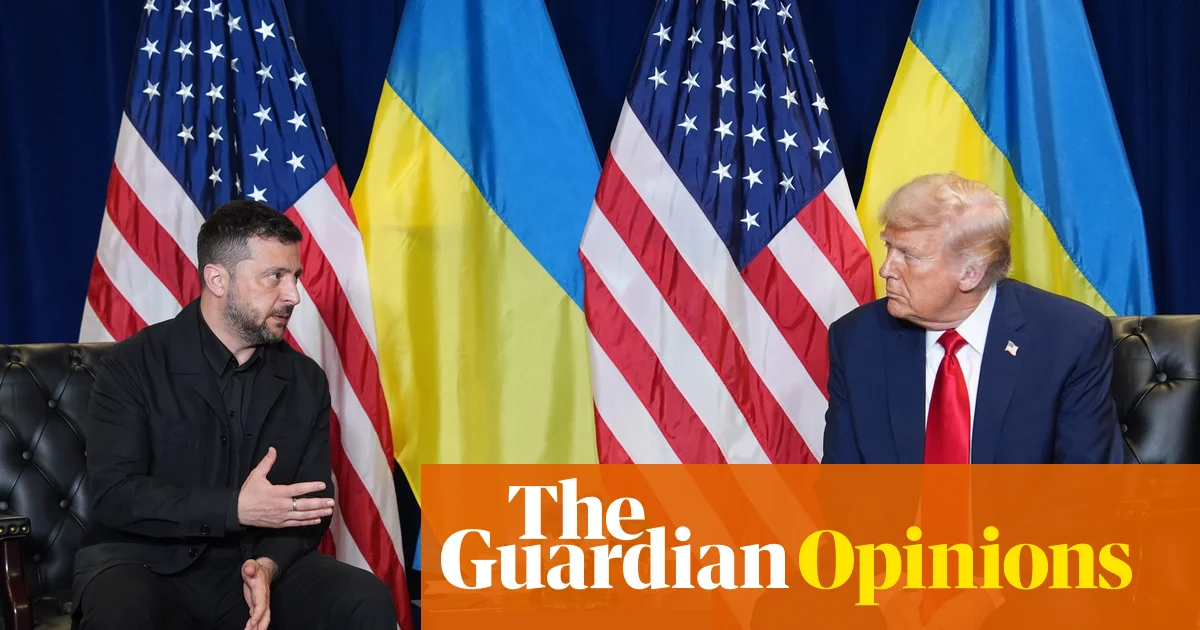
Last week’s incursion into Polish territory by Russian drones was an ominous escalation. But the US president keeps finding reasons not to act
B
ack in January, with Donald Trump’s campaign promises to end the war in Ukraine “within 24 hours” still fresh in the memory, there was genuine unease in Moscow over the US president’s intentions. When Mr Trump mused that “high levels of Taxes, Tariffs, and Sanctions” on Russia might be necessary, one high-profile and pro-war Moscow commentator wrote: “It’s better to prepare for the worst. Soon, we’ll look back on Biden’s term with nostalgia, like a thaw.”
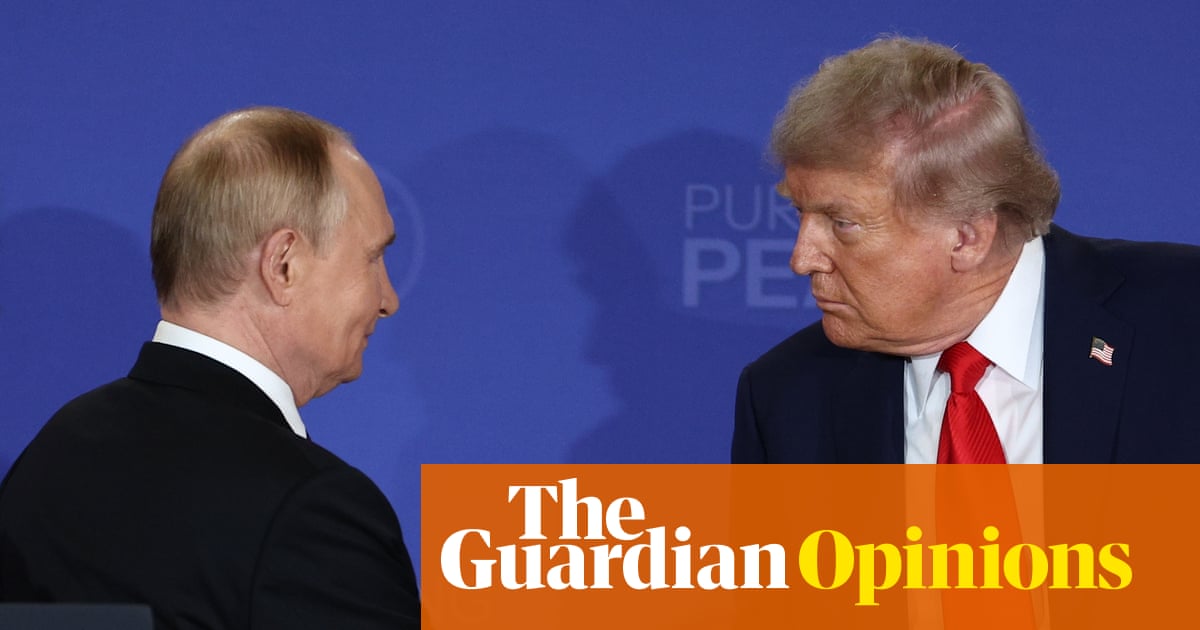
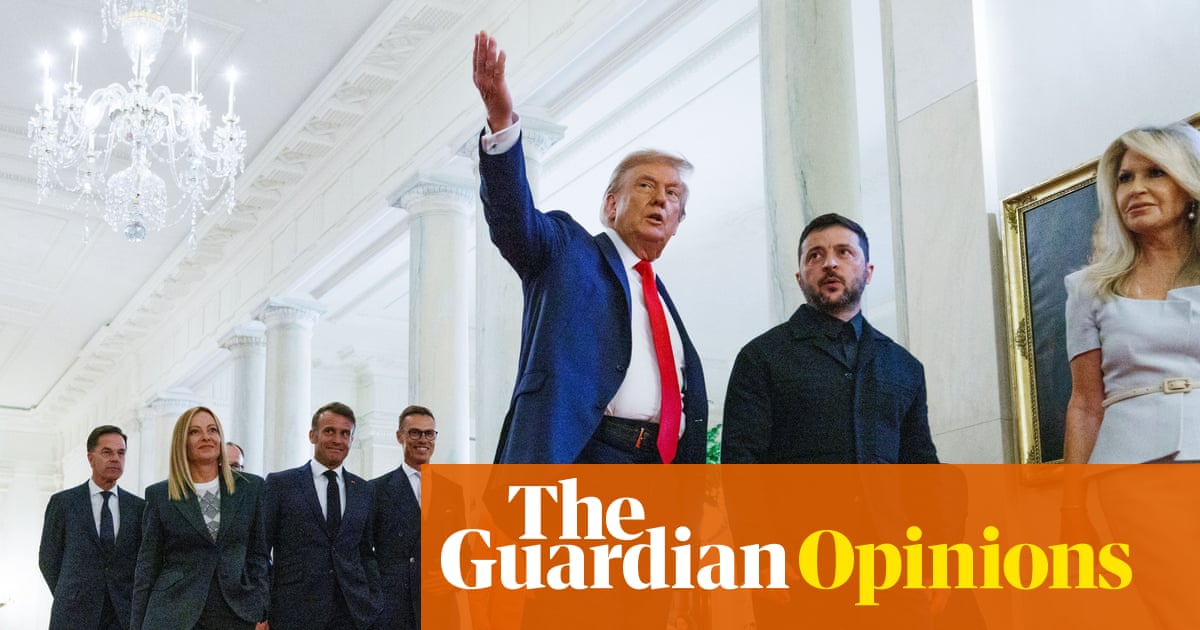
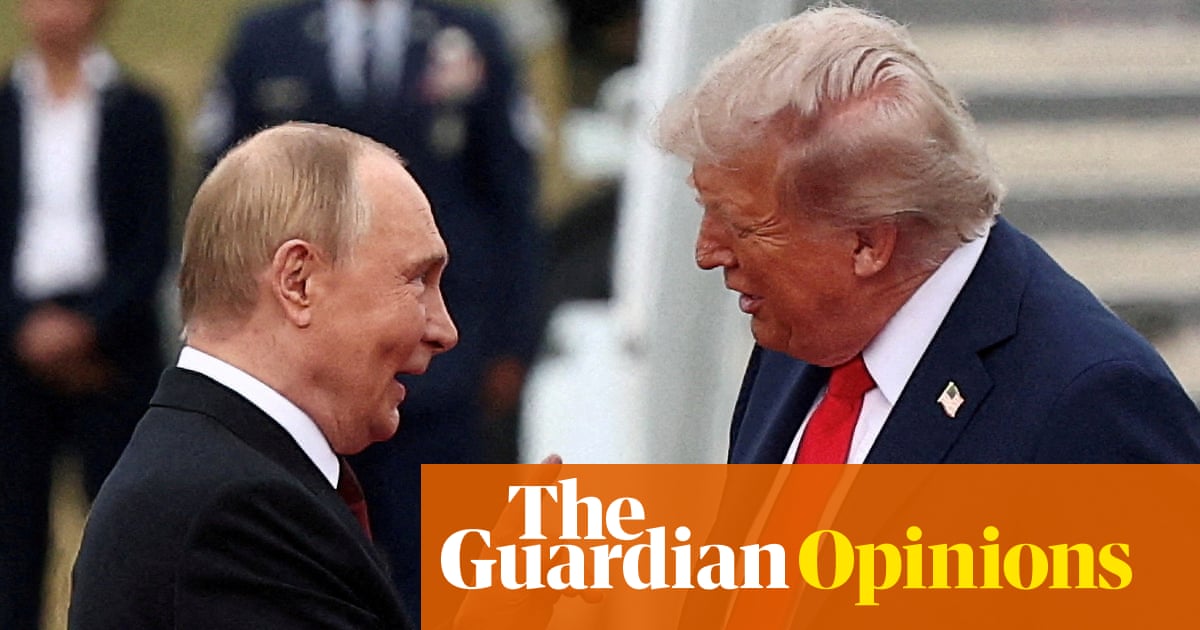
How wrong can you be? Since then, the US president has repeatedly talked the talk without coming close to walking the walk. In May, when Vladimir Putin rejected a 30-day ceasefire, and peace talks in Turkey went nowhere, a “bone-crushing” US sanctions package failed to materialise. An 8 August deadline for Mr Putin to agree to a ceasefire somehow morphed into a red carpet welcome in Alaska, where Mr Trump applauded a leader wanted for war crimes as he disembarked from his plane. The “severe consequences” threatened by Mr Trump if the Alaska talks failed to lead to peace never happened.
Emboldened, Mr Putin has thus continued to prosecute his war aims in Ukraine, and probe for western weaknesses. Last week’s incursion of Russian drones into Polish territory laid bare inadequate Nato planning, as F-35 and F-16 fighter jets were hastily scrambled to deal with cheap kamikaze devices that cost around $10,000 each to produce. It also communicated a warning of possible escalation in the event of any future “reassurance force” deploying European troops on Ukrainian soil. Such a provocation called for a robust and unified response, exerting the kind of pressure on the Kremlin which Mr Trump has so far refused to countenance. Instead the US president appears, once again, to prefer bullying his European allies to targeting Mr Putin. In a statement which reeked of bad faith, Mr Trump declared over the weekend that the US was “ready” to impose tougher sanctions on Russia, but only if certain unlikely conditions were met.