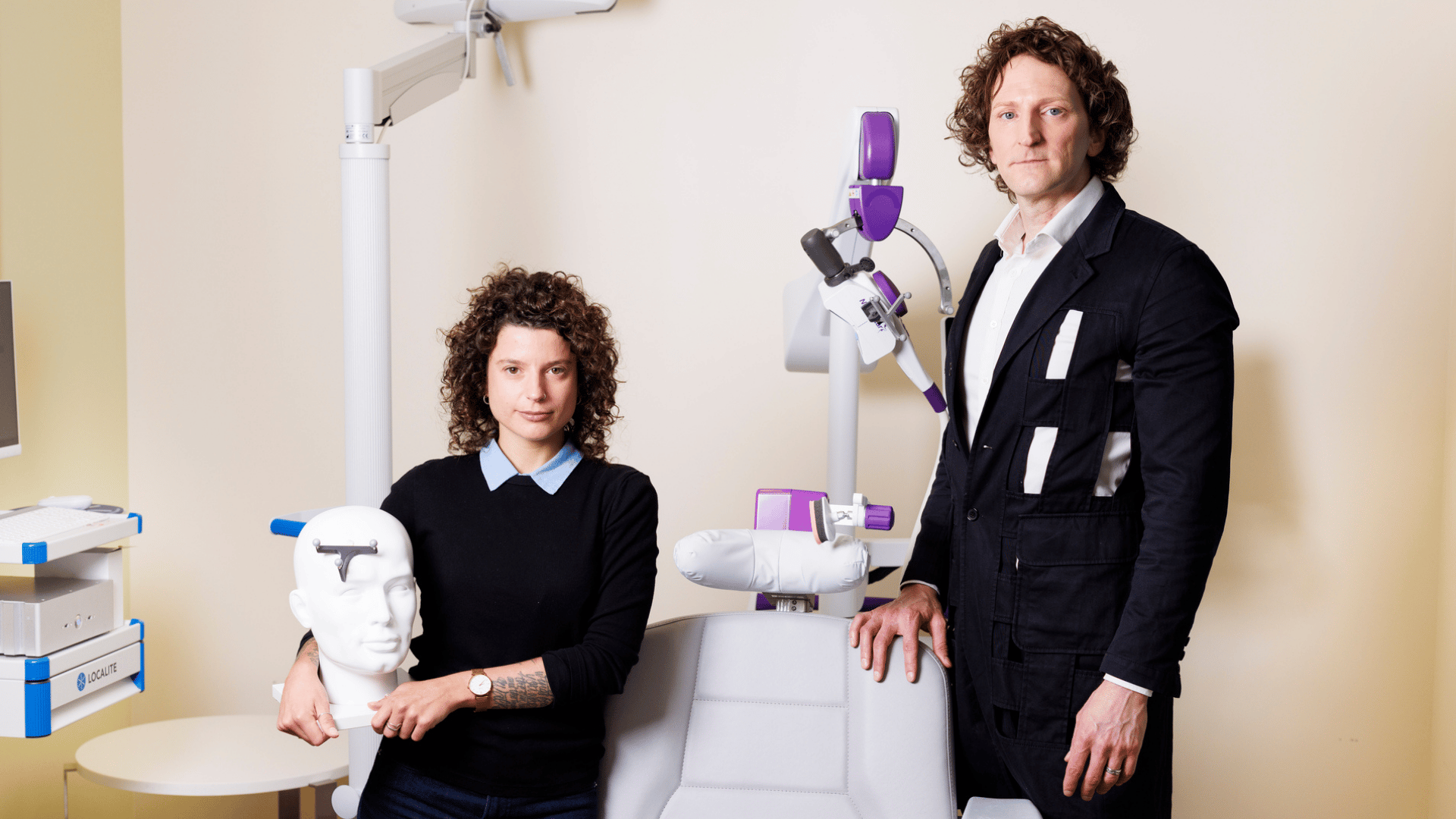
A new type of noninvasive brain stimulation may help people with moderate to severe depression feel better faster than standard treatments, researchers in a new report say.
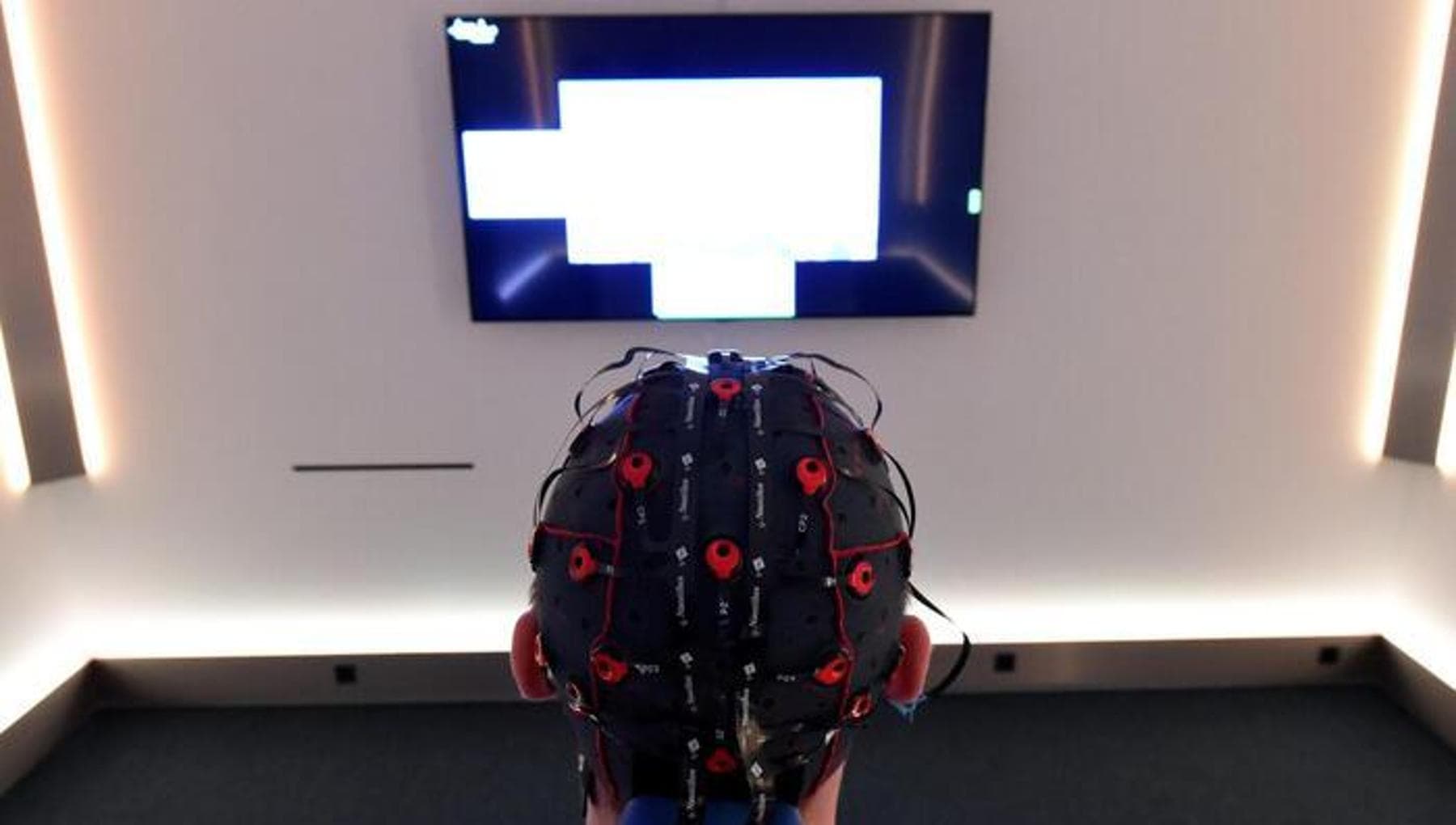
The method, called high-definition transcranial direct current stimulation (HD-tDCS), uses small electrodes on the scalp to deliver mild electrical currents to specific parts of the brain involved in mood regulation.
In the trial conducted by UCLA researchers, 71 adults with major depression were randomly assigned to receive either active HD-tDCS or a sham treatment for 20 minutes a day over 12 working days.
The group receiving real treatment showed a greater drop in their depression scores than the control group, according to findings published Thursday in JAMA Network Open.
Related