Device might replace deep brain stimulation and could also help with Tourette syndrome, Alzheimer’s and depression
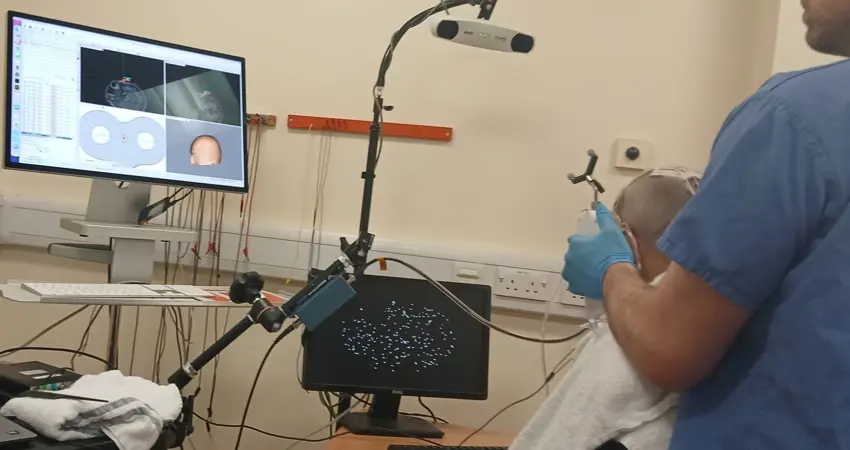
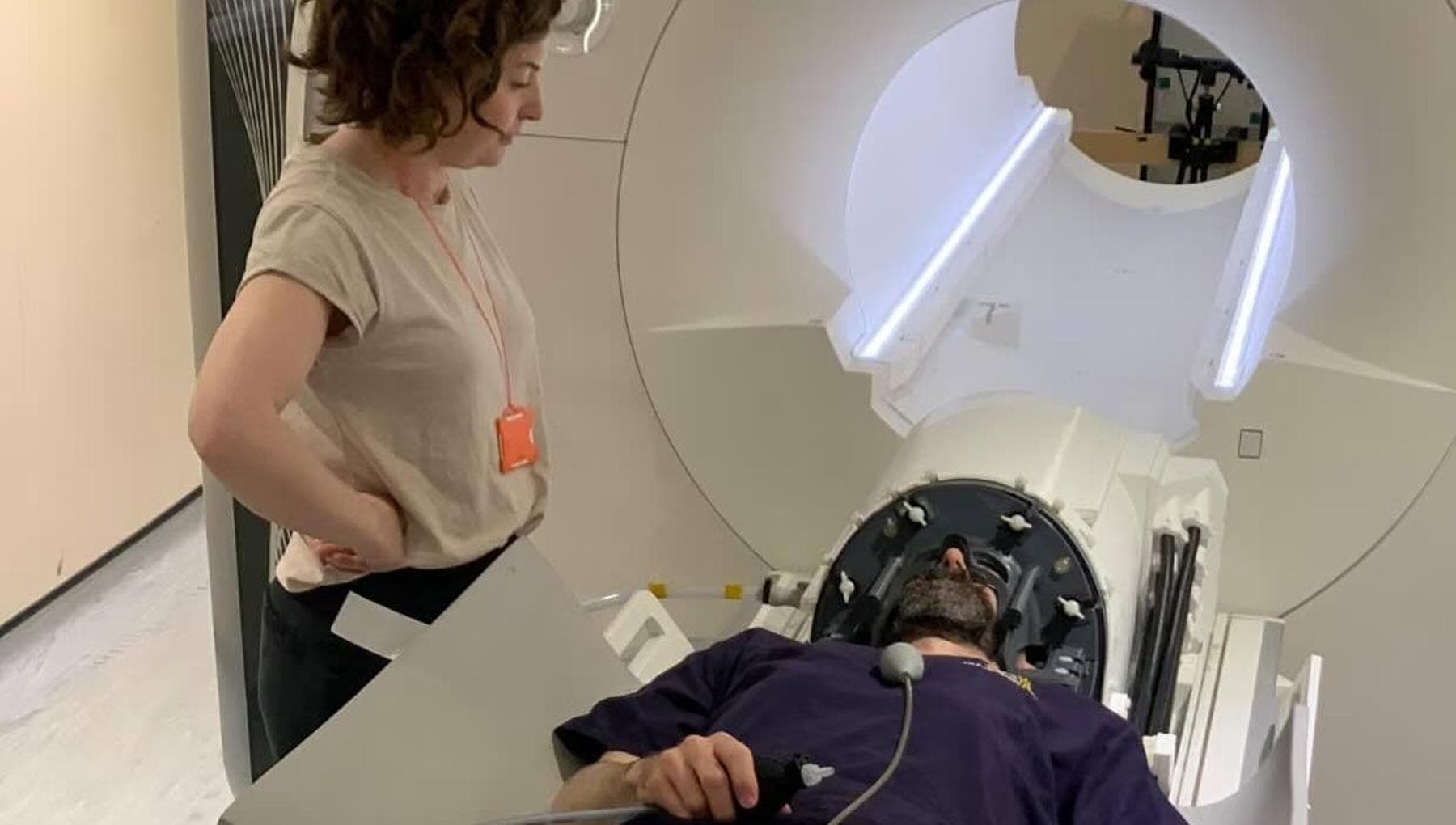
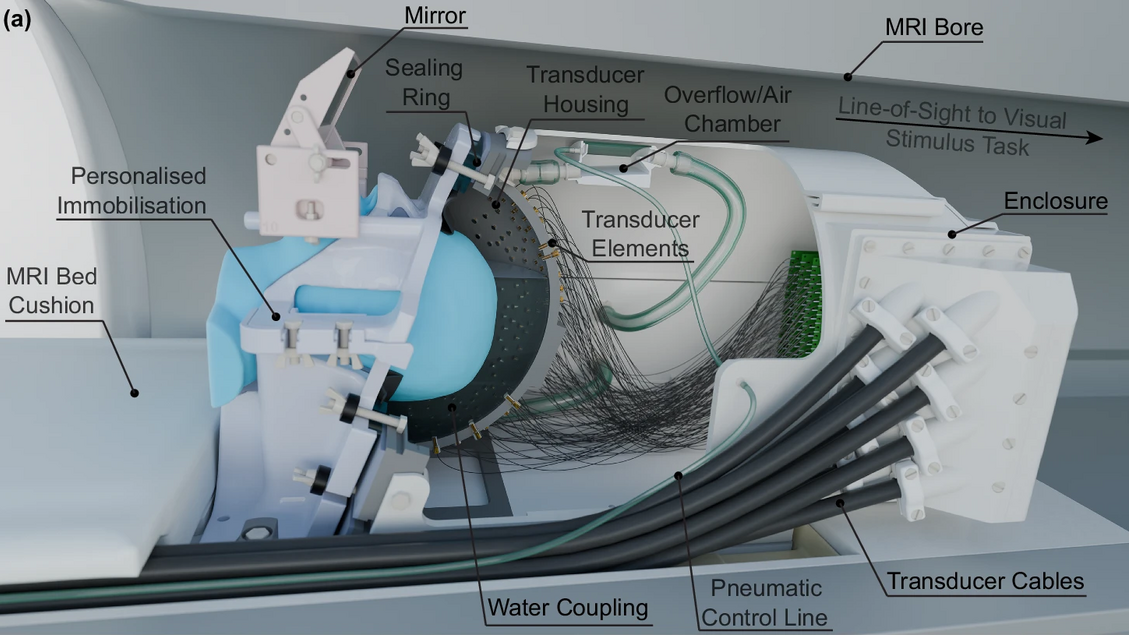
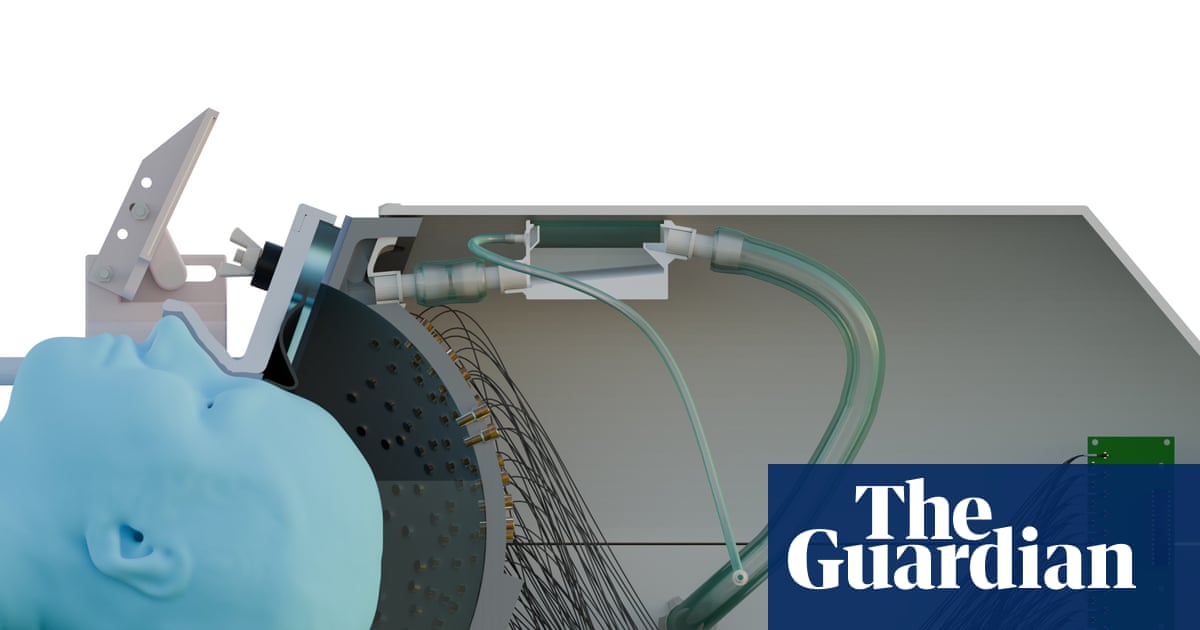
An ultrasound “helmet” offers potential new ways for treating neurological conditions without surgery or other invasive procedures, a study has shown.
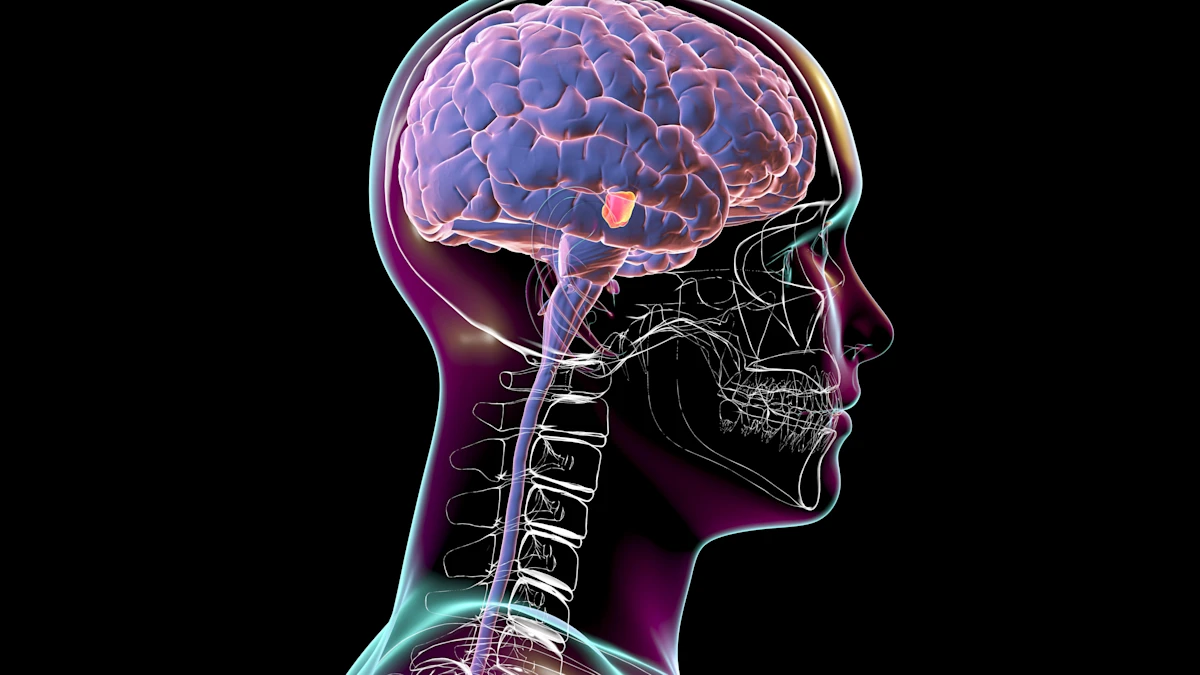
The device can target brain regions 1,000 times smaller than ultrasound can, and could replace existing approaches such as deep brain stimulation (DBS) in treating Parkinson’s disease. It also holds potential for conditions such as depression, Tourette syndrome, chronic pain, Alzheimer’s and addiction.
Unlike DBS, which requires a highly invasive procedure in which electrodes are implanted deep in the brain to deliver electrical pulses, using ultrasound sends mechanical pulses into the brain.
But no one had managed to create an approach capable of delivering them precisely enough to make a meaningful impact until now.