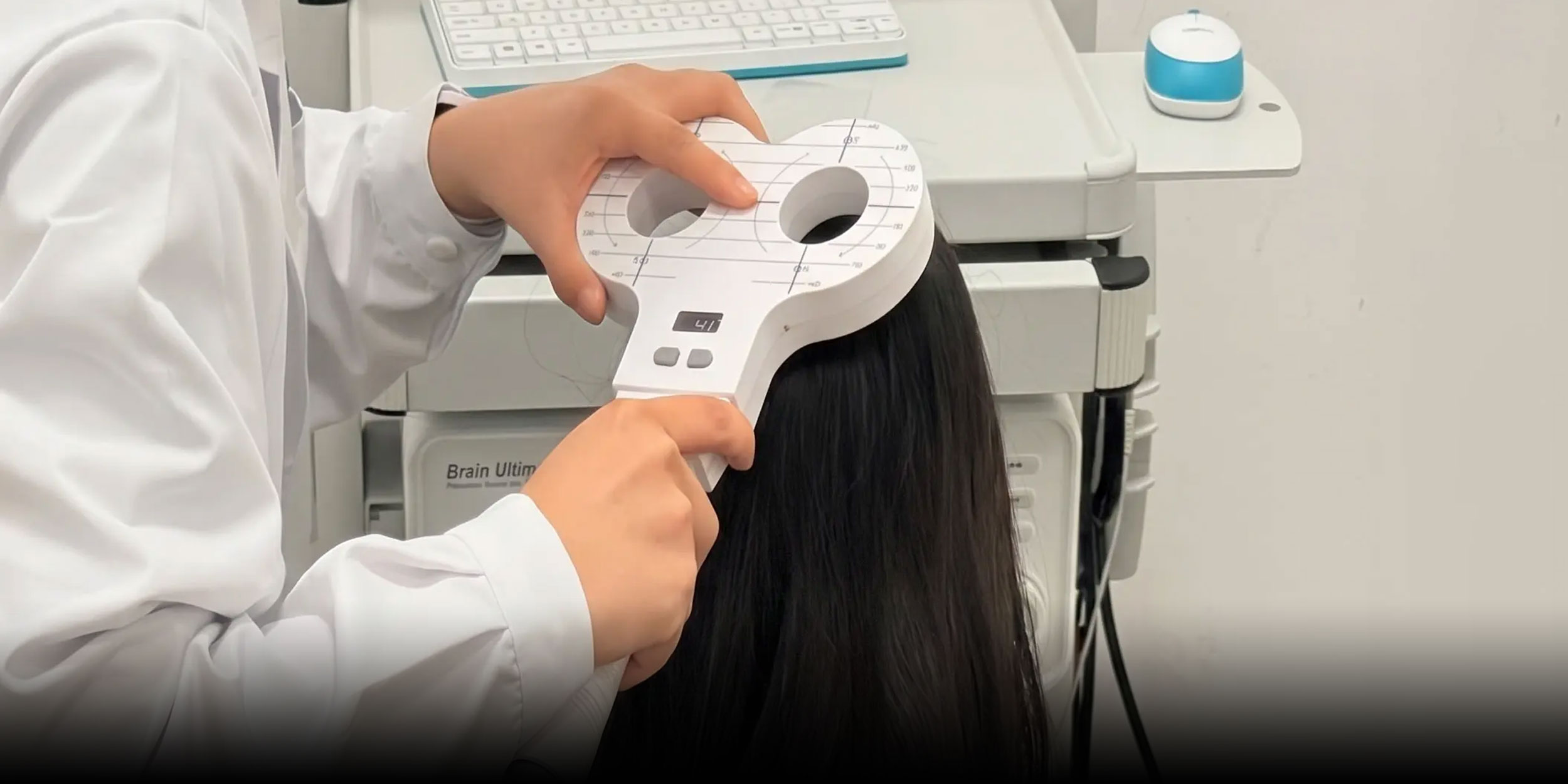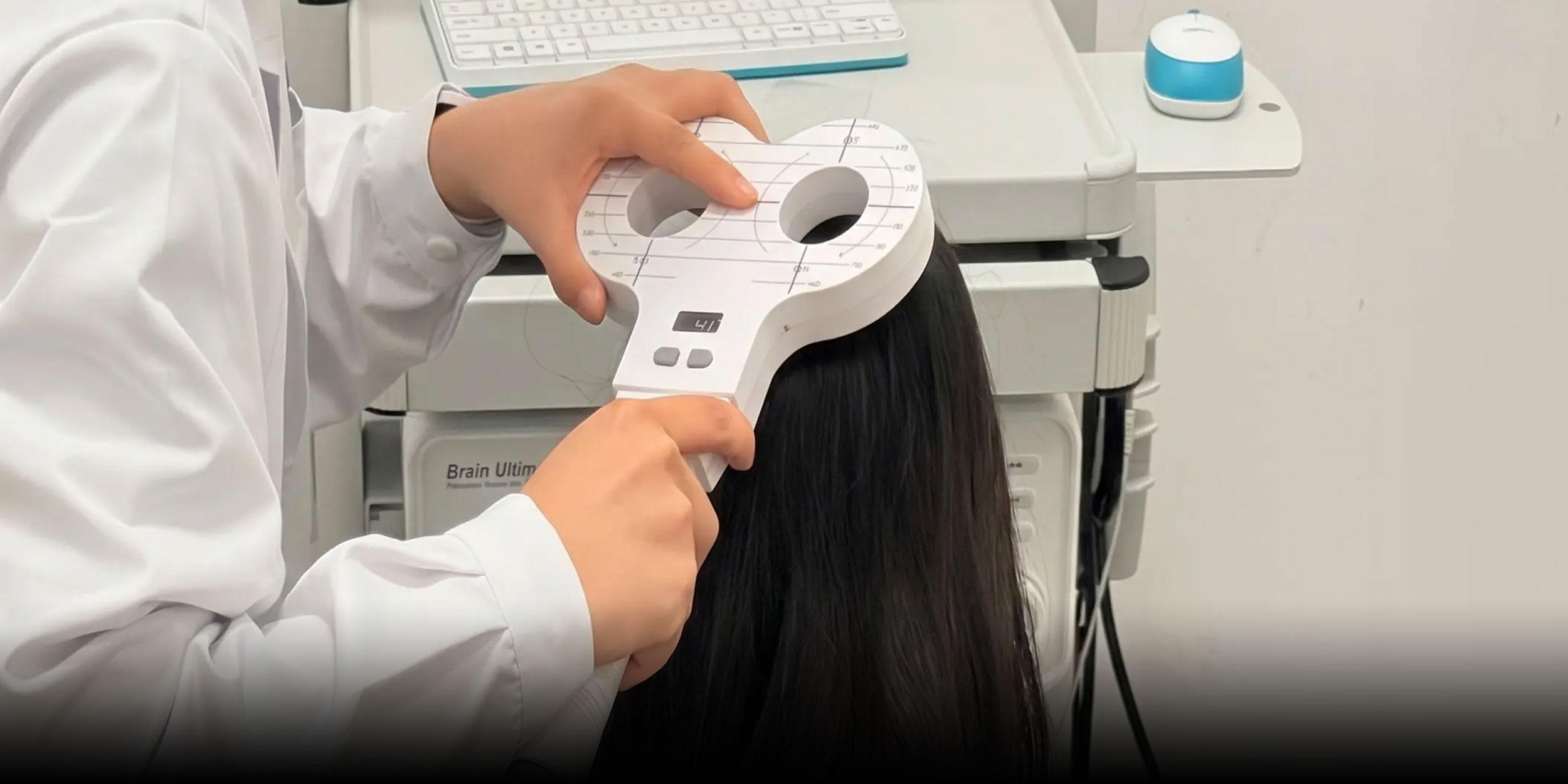
A study by a team of Chinese scientists has found a novel therapy for autism spectrum disorder using a new type of transcranial magnetic stimulation that reduces treatment duration and is proven to improve social functioning in the short term.
The findings, published April 29 in international medical journal The BMJ, were conducted over four years by multiple medical teams led by Li Fei, chief physician of developmental pediatrics at Xinhua Hospital, in Shanghai.
Autism spectrum disorder (ASD) is a neurodevelopmental condition characterized by varying degrees of difficulty in social interaction and communication. Some individuals with ASD have high support needs and cannot live independently, while others are highly functional and require little to no support. According to diagnostic data from China’s National Health Commission, roughly seven out of 1,000 children in China have ASD, totaling over 14 million overall.
Existing intervention methods for ASD — mainly differentiated education supplemented by medication — are often costly and do not always help those with the condition to develop social skills. The team hopes that the new findings will supplement existing intervention methods.