https://arab.news/mv2bq
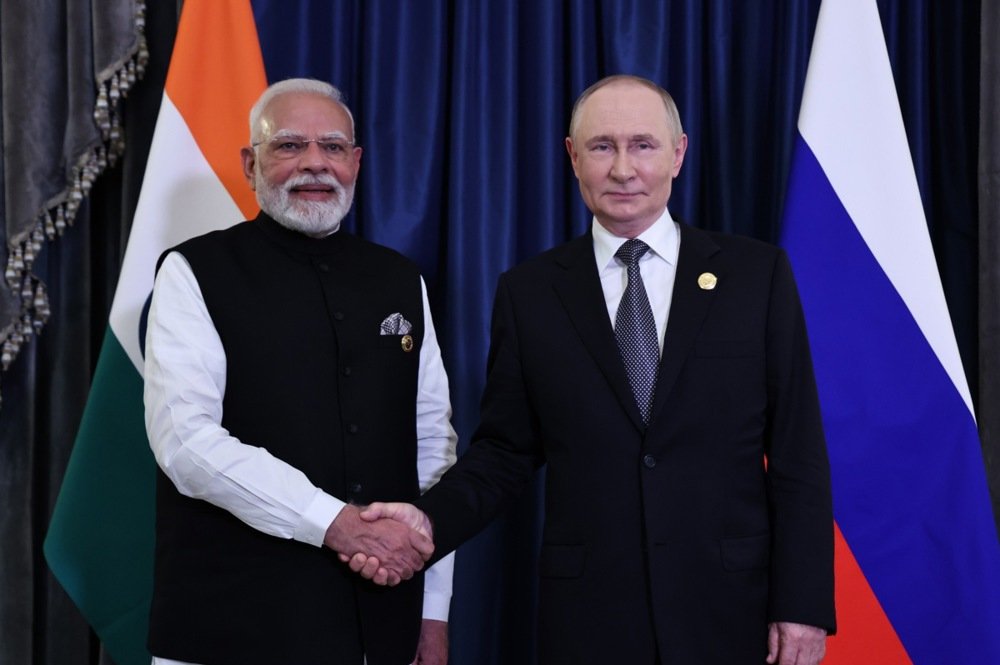
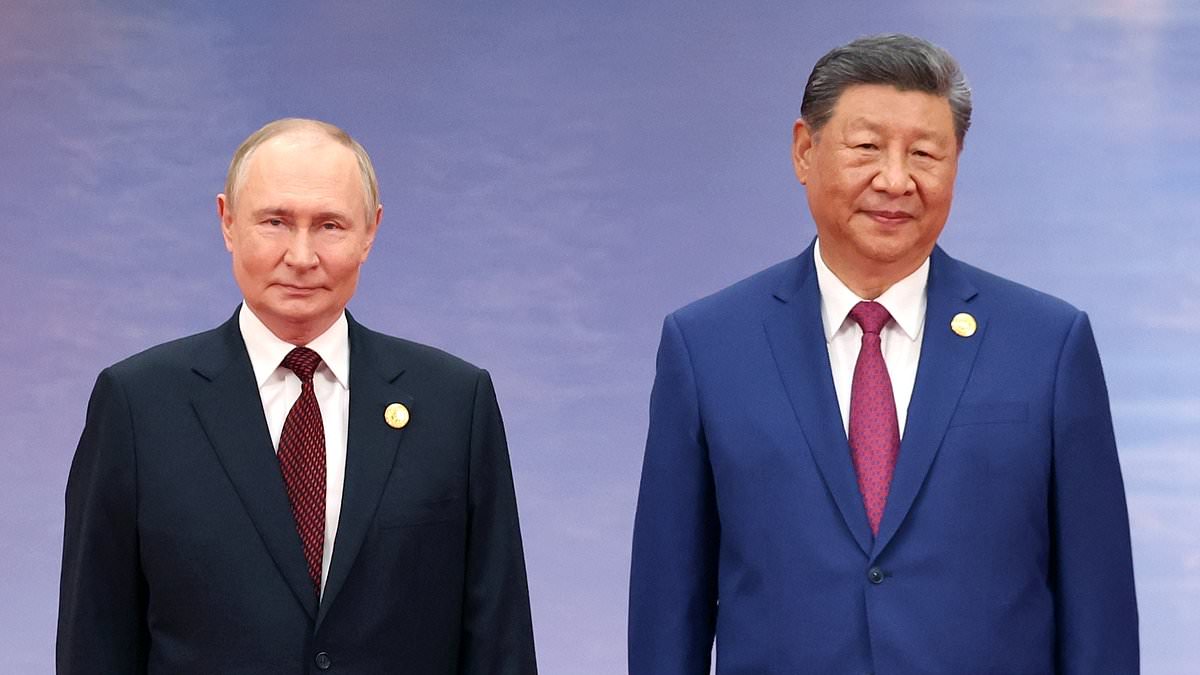
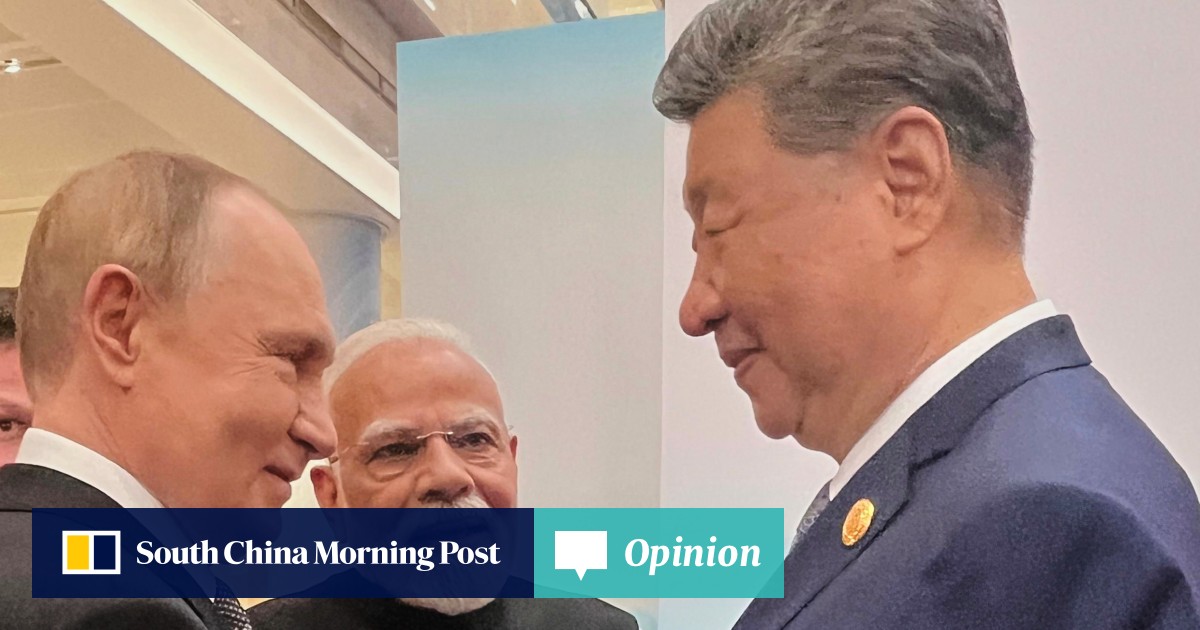
The optics of last week’s Shanghai Cooperation Organization Summit at Tianjin in China captured as much world attention as the rhetoric. The most striking picture was that of the Russian, Chinese and Indian leaders smiling warmly and chatting amicably among themselves. An observer described them as signaling “a unified front in pursuit of multipolarity, economic resilience and collective security … a strategic recalibration of international order.”
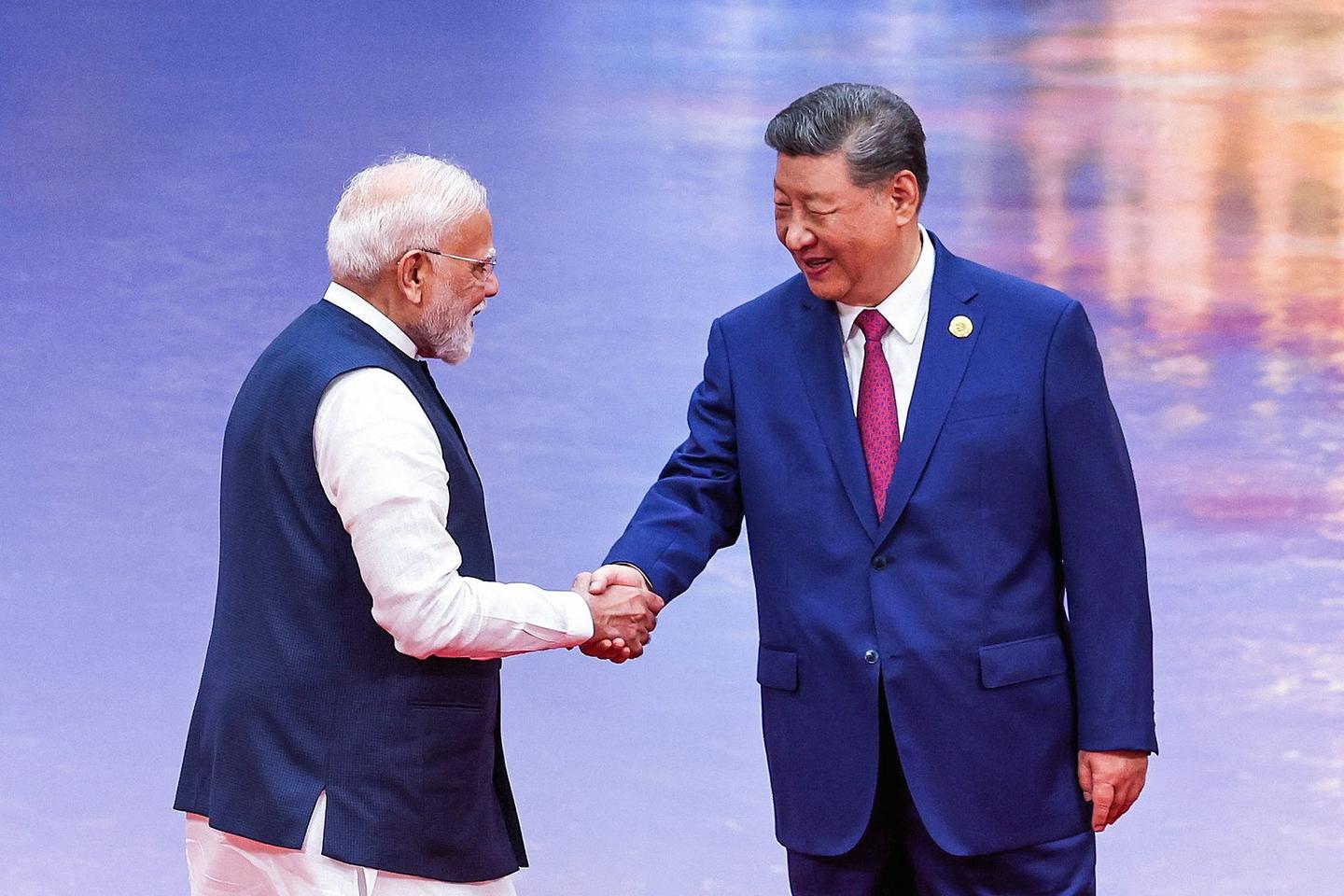
Another important event was the bilateral meeting between Indian Prime Minister Narendra Modi and Chinese President Xi Jinping on the sidelines of the summit, which had brought the former on his first visit to China in seven years. Xi noted the “historic responsibility” of the two countries “to bring about a multipolar world order … and to make our true contributions to peace and prosperity in Asia and around the world.”
Modi in turn affirmed that they were “partners rather than rivals” and that the interests of the 2.8 billion people of the two countries “are tied to our cooperation.”
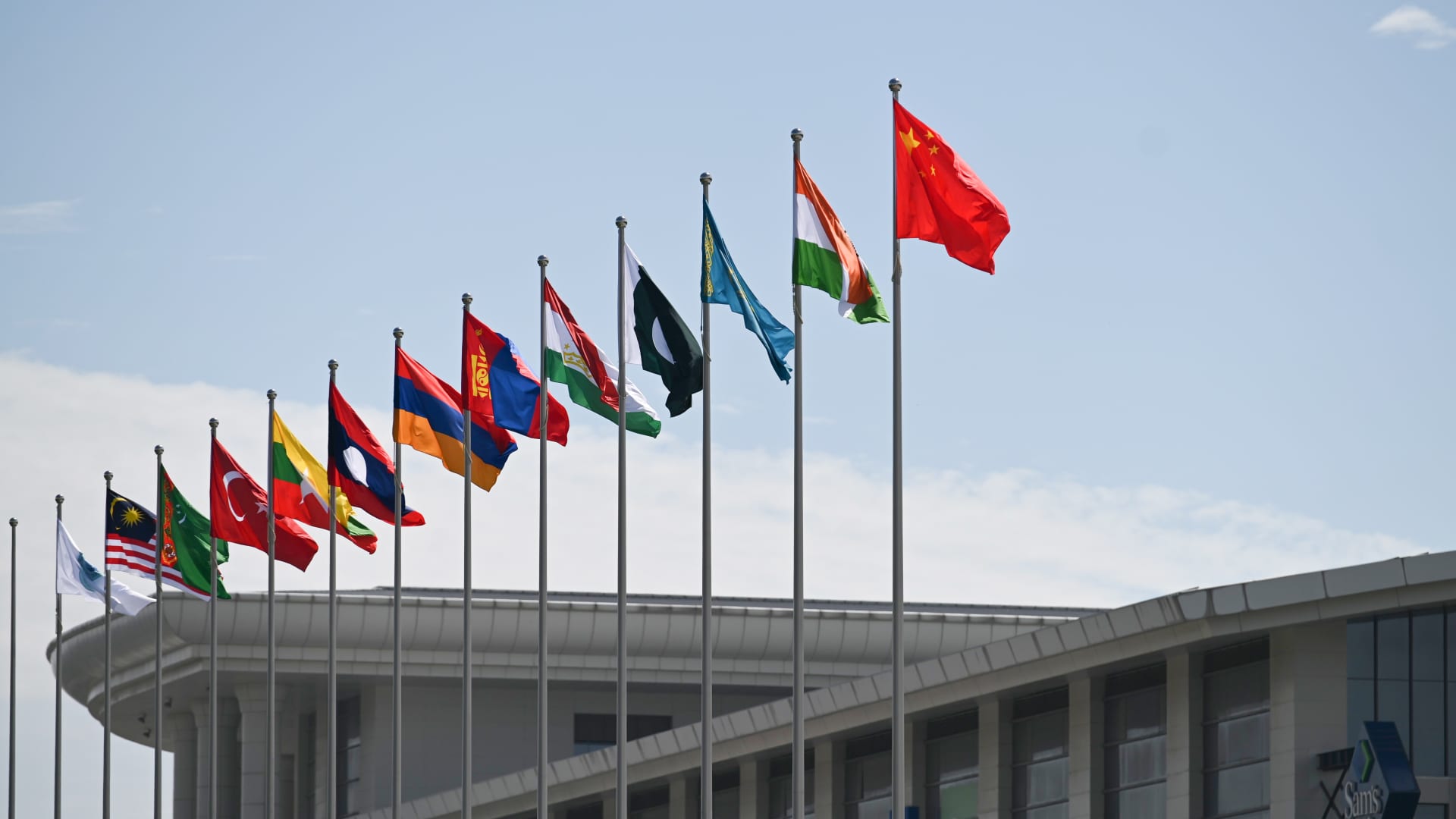
The Shanghai Cooperation Organization emerged from a platform set up in the 1990s to address border issues between China, Russia and the Central Asian republics that had emerged from the breakup of the Soviet Union. From 2001, it began to meet at summit level. India and Pakistan joined as full members in 2017, while Iran and Belarus joined in 2024. The organization also has 16 “partner states” from the South Caucasus, South and Southeast Asia and the Middle East.