https://arab.news/vs24q
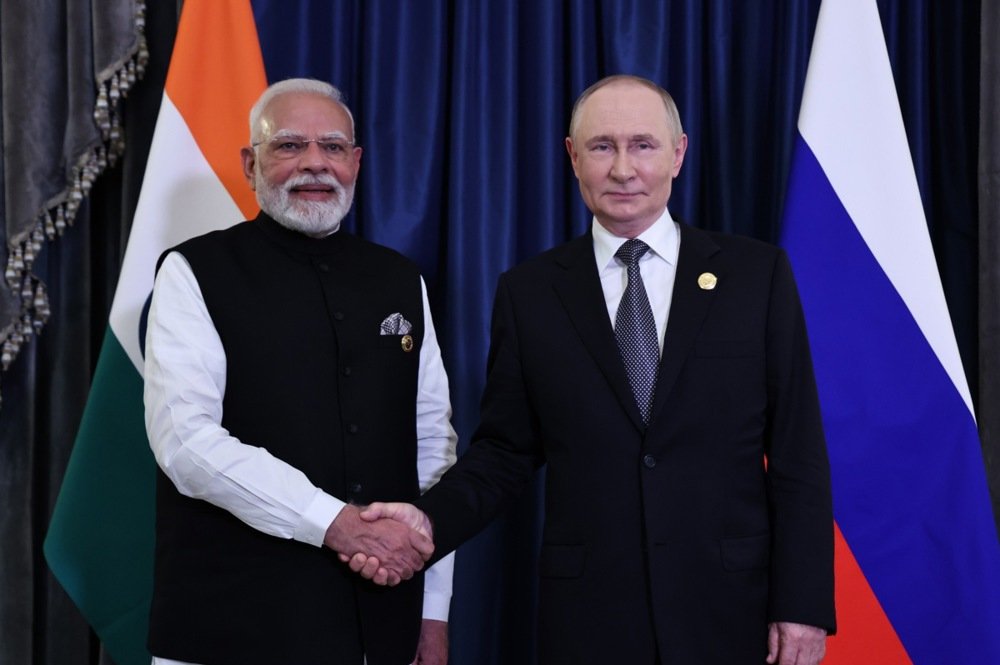
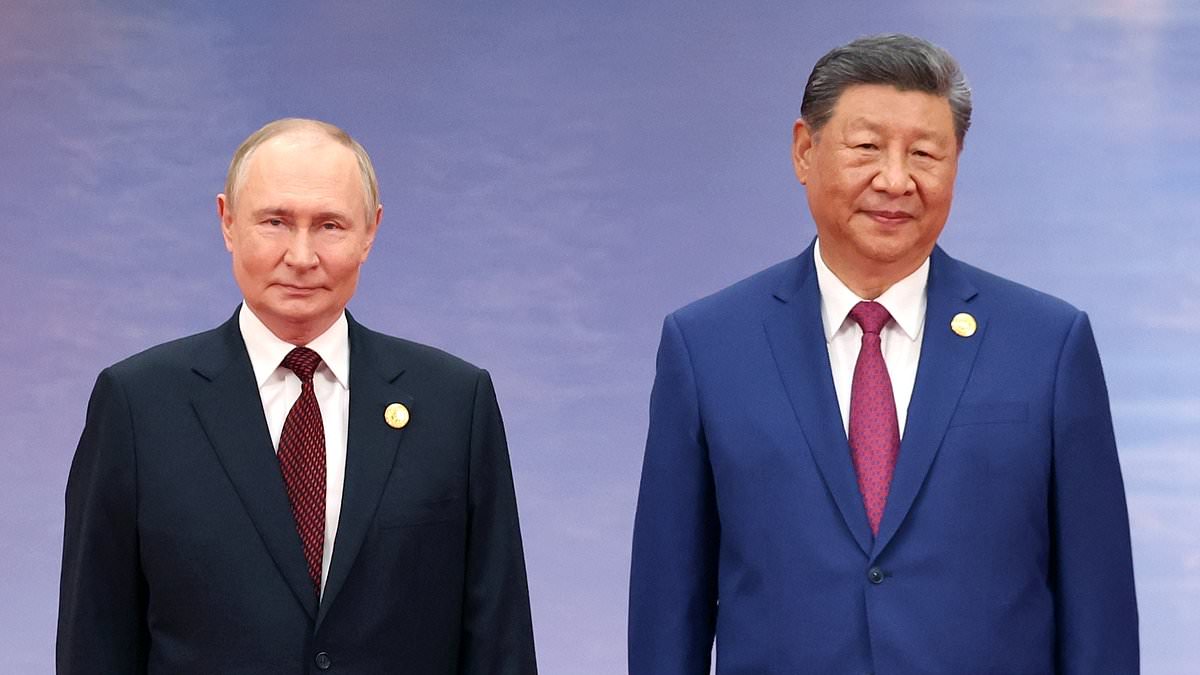
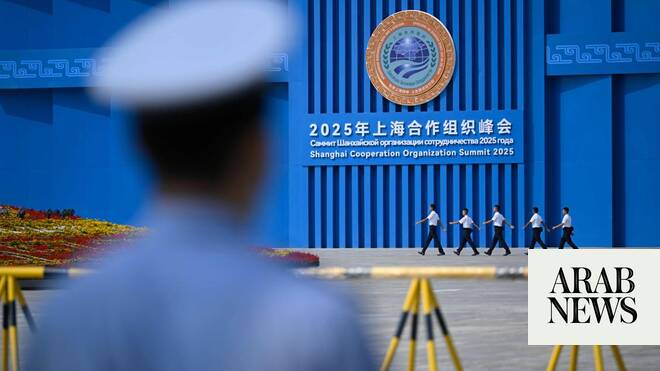
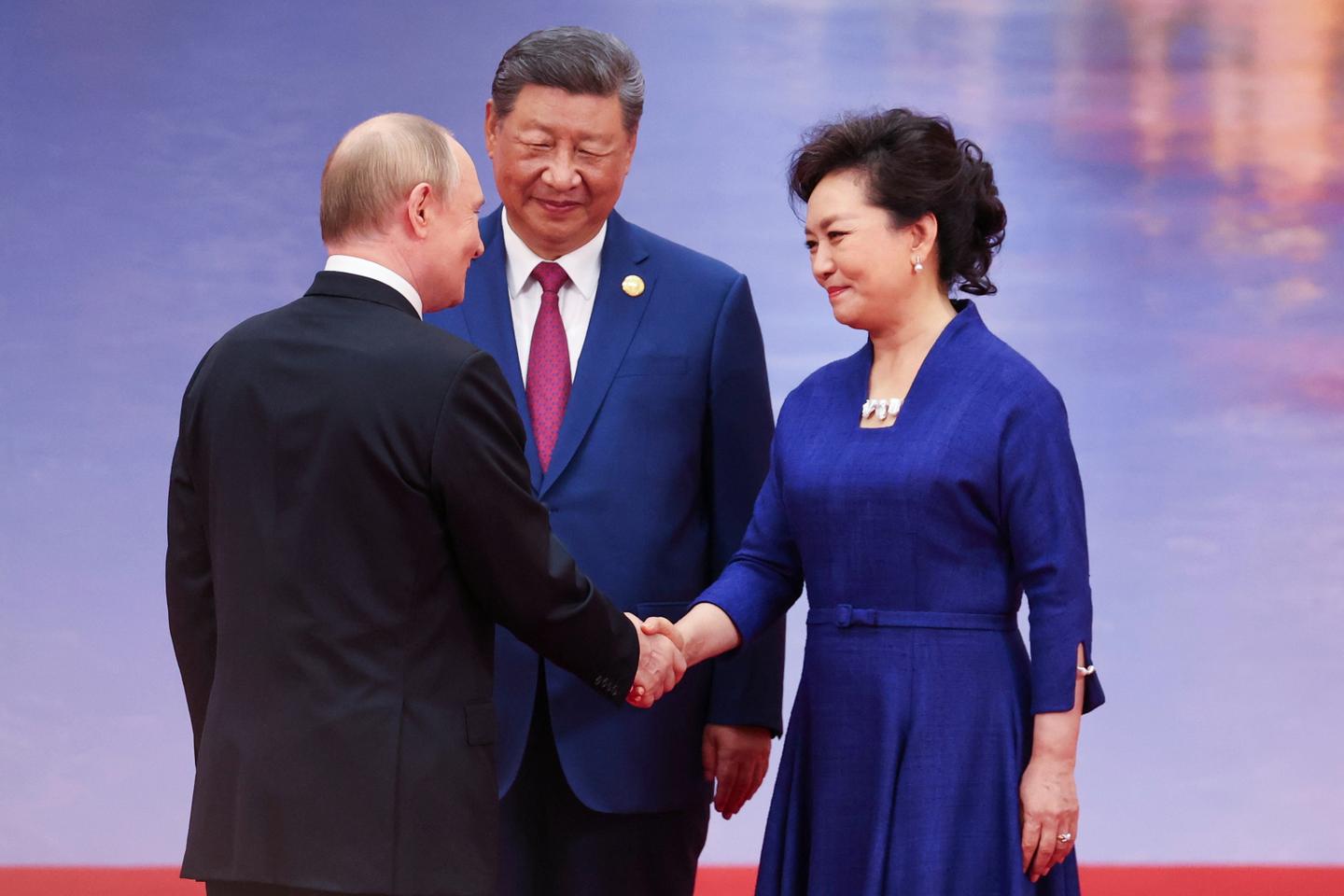
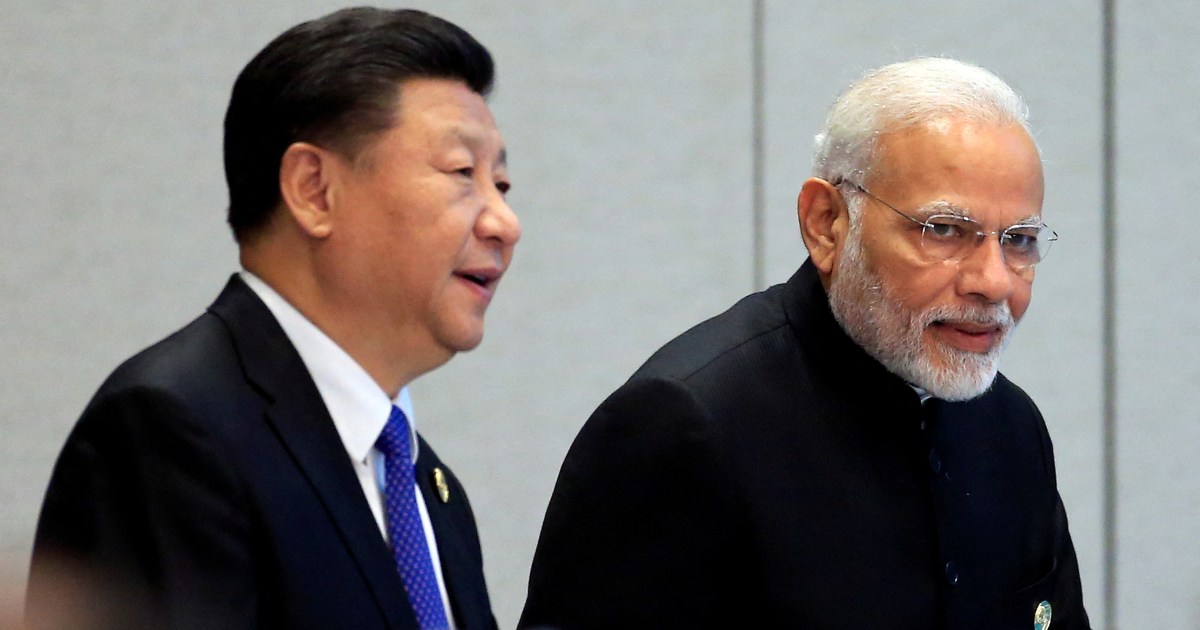
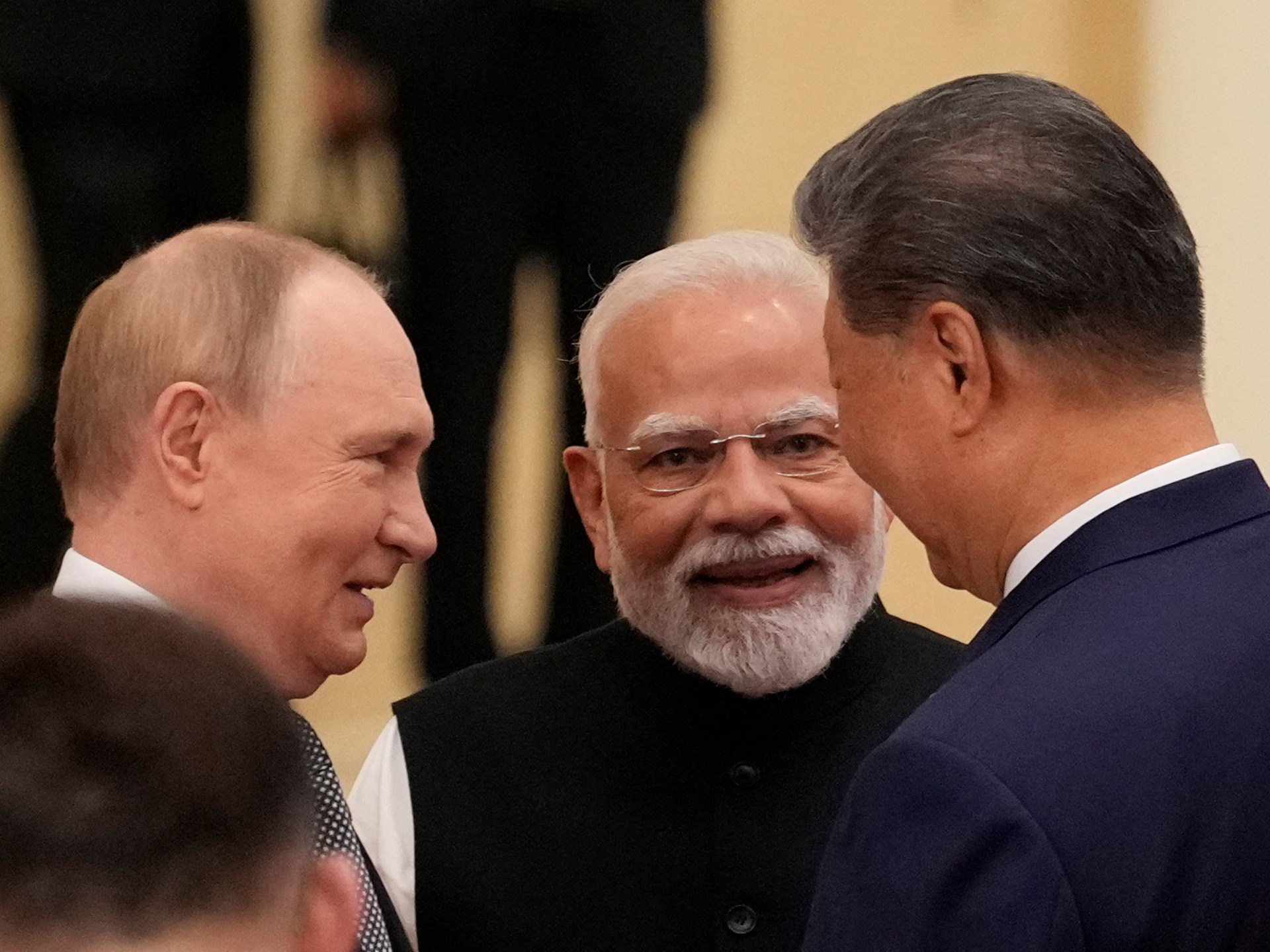
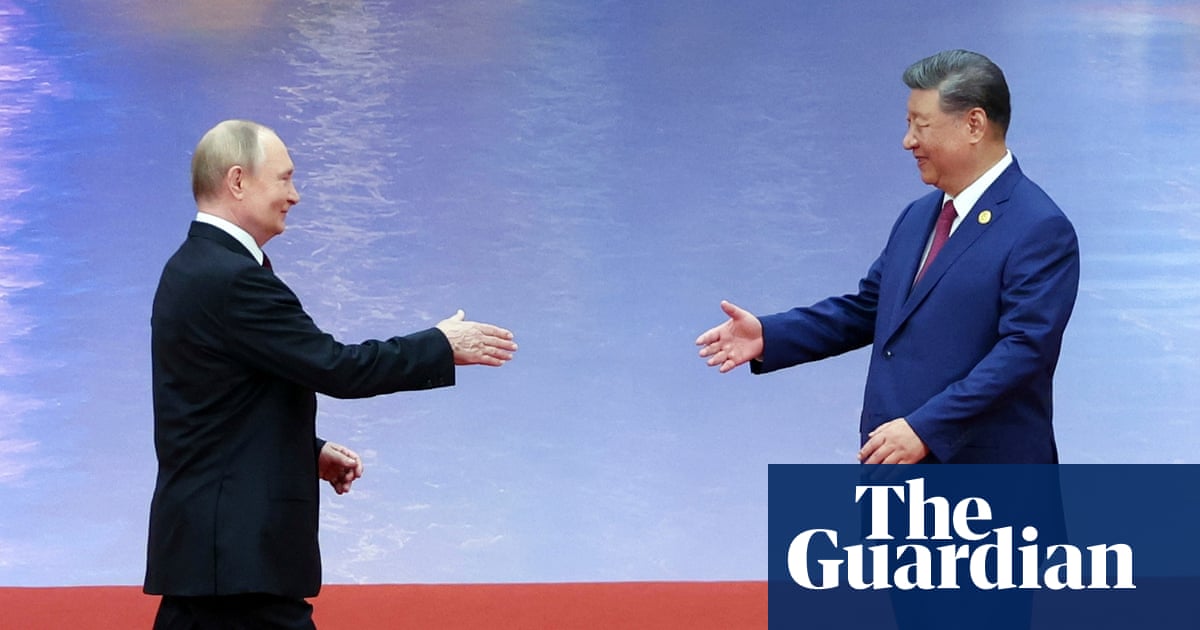
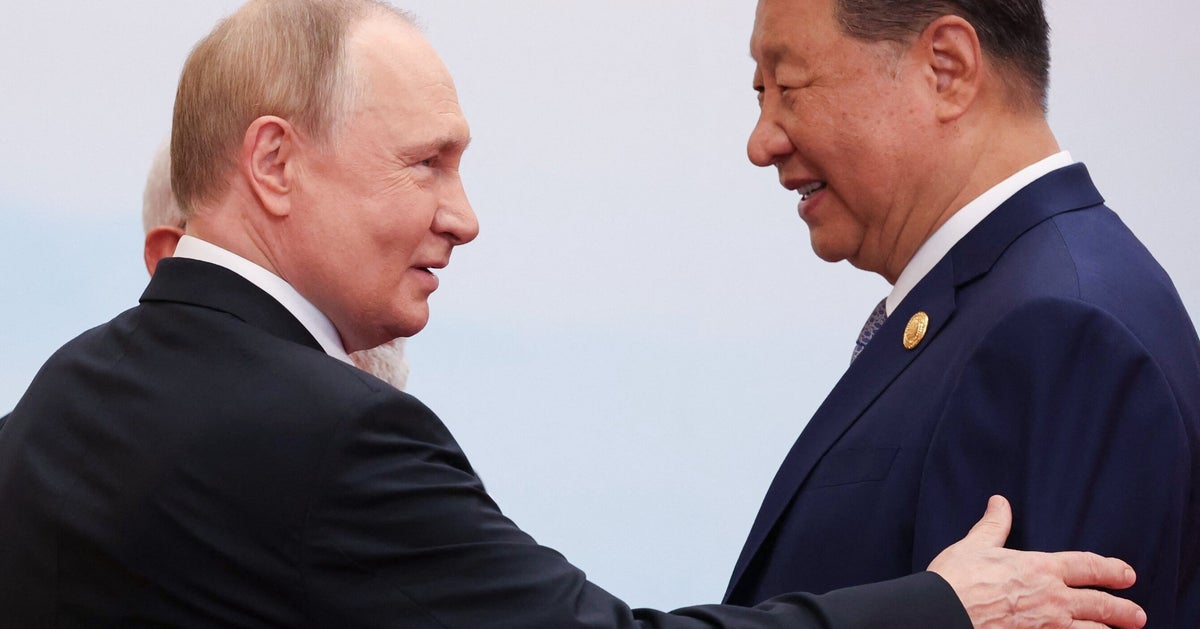
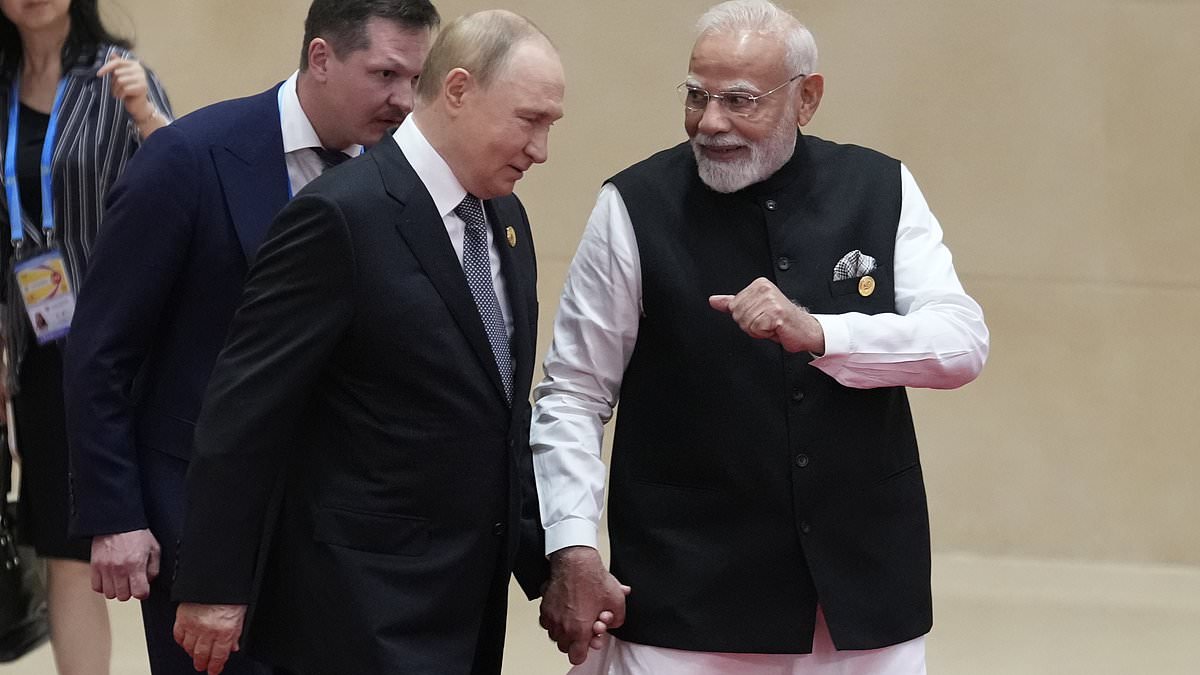
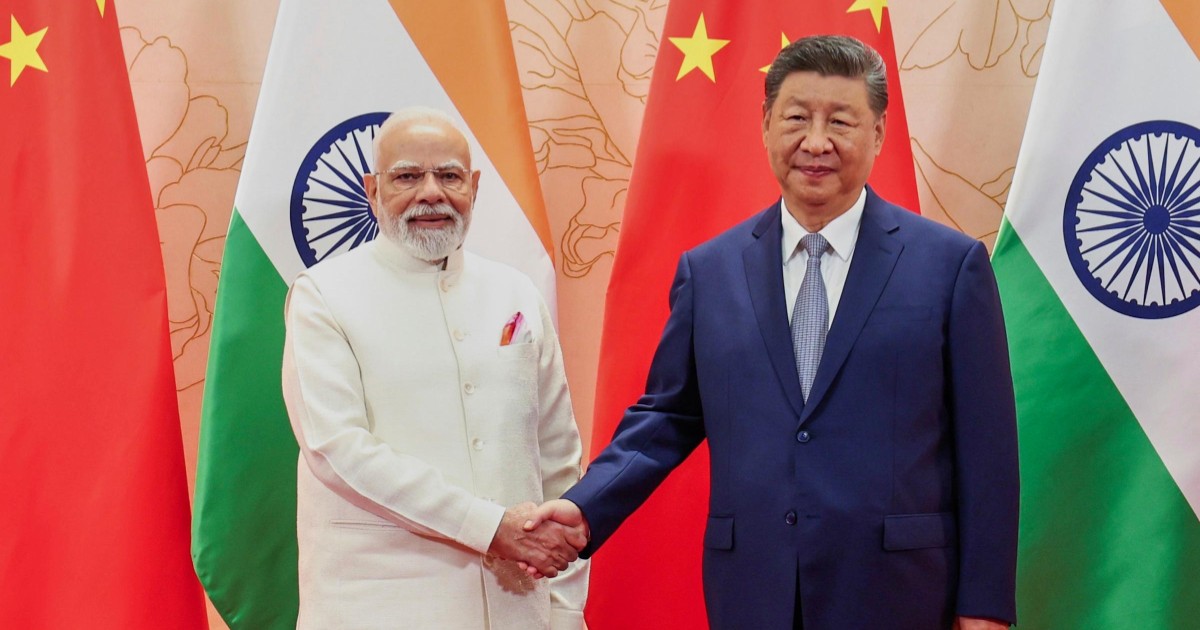
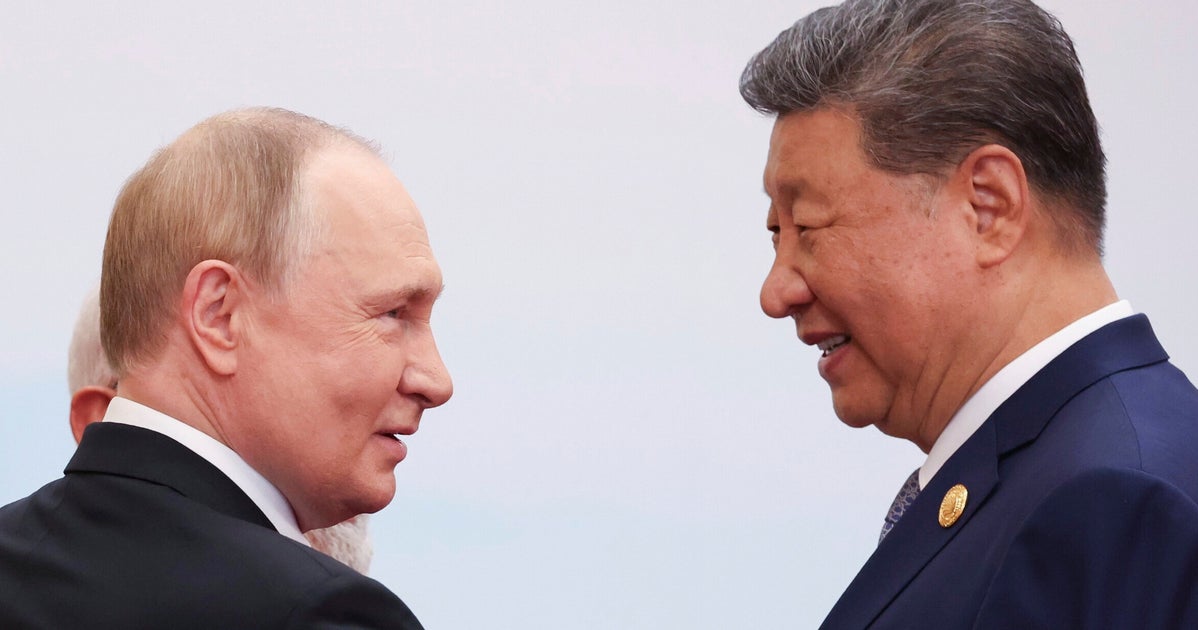
The Shanghai Cooperation Organization Summit held in the Chinese city of Tianjin this week placed the Arab region, particularly the Gulf, at the heart of the processes reshaping the balance of power in Eurasia. Presided over by Chinese President Xi Jinping and attended by Russian President Vladimir Putin, Indian Prime Minister Narendra Modi and other leaders, the summit further consolidated the new geopolitical realities in the Middle East, strengthening the diversification of alliances that allows states to avoid reliance on the US alone.
More than any other summit since the organization’s founding as a security framework in 2001 and its gradual expansion over a quarter of a century — it now represents nearly 40 percent of the world’s population — the Tianjin conference underscored the Shanghai Cooperation Organization’s growing relevance for the Middle East. Indeed, Iran became a full member in 2023 and Saudi Arabia, the UAE and Egypt obtained “dialogue partner” status in 2022.
This shift has effectively made the Red Sea and the Arabian Gulf a natural extension of the Eurasian bloc, positioning the region at the center of future trade routes, logistics and energy flows. In one sign of this new reality, 10 Gulf ports were ranked among the world’s 70 most efficient in 2024.