https://arab.news/cnq4s
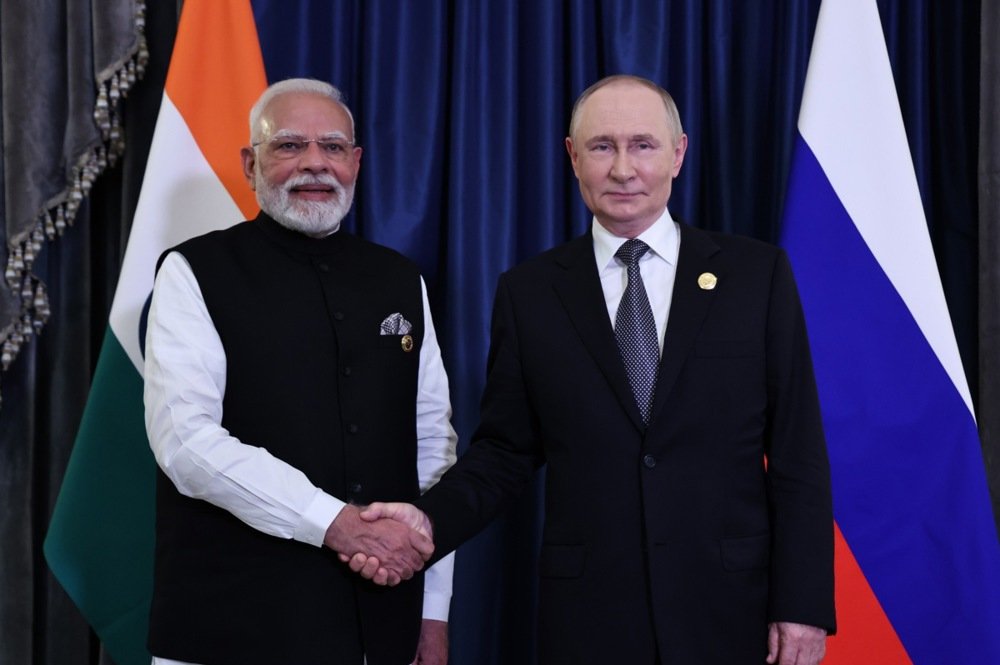
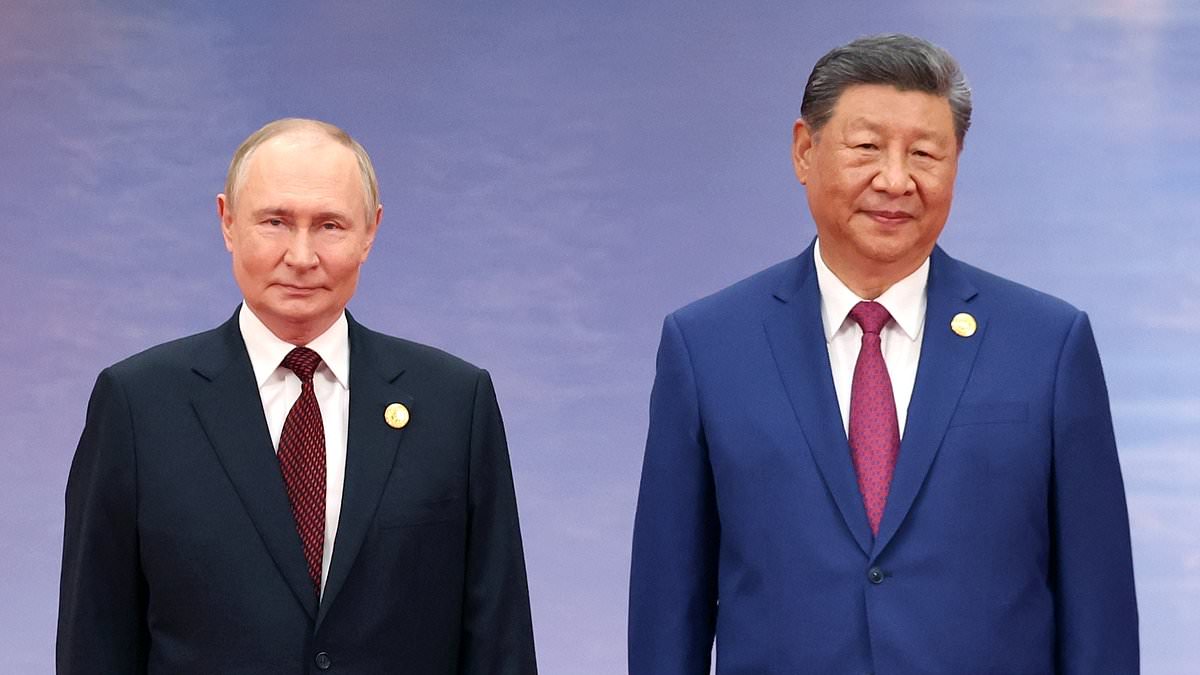
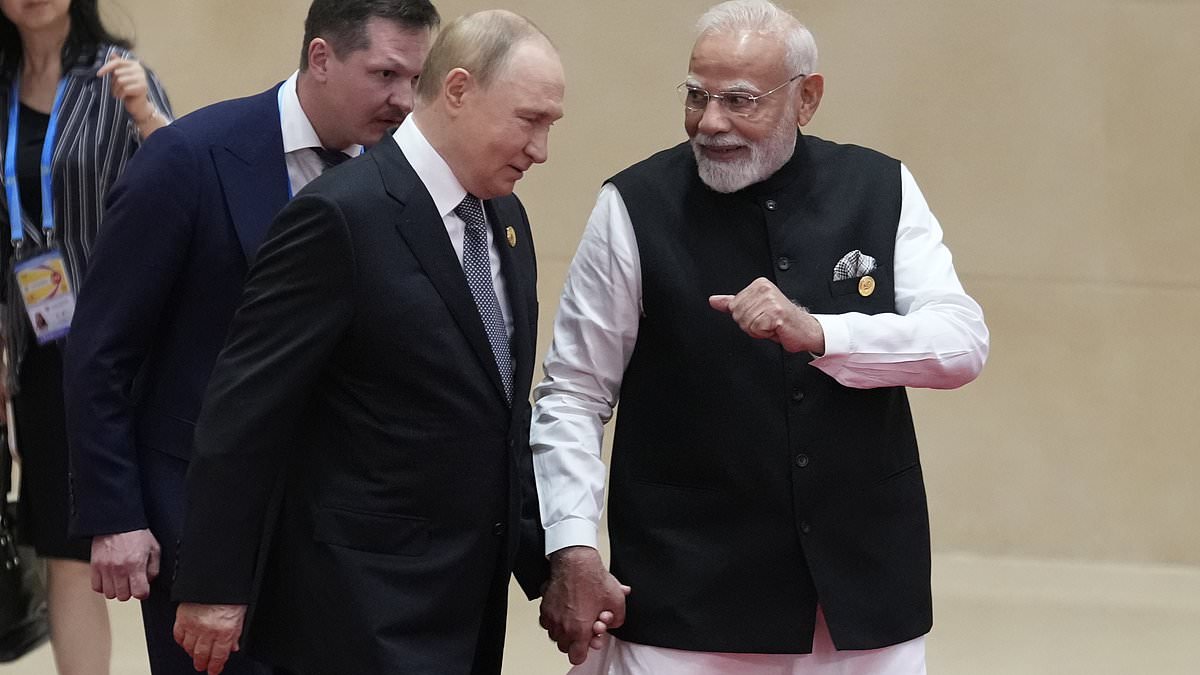
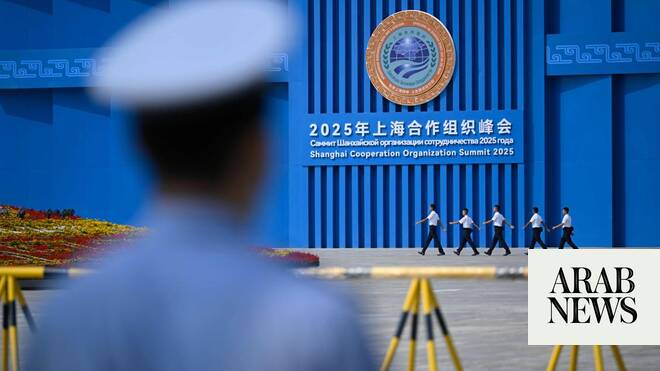
On a humid September evening in Tianjin, Narendra Modi clasped hands with Vladimir Putin and Xi Jinping at the Shanghai Cooperation Organization Summit. The image ricocheted across global media: three leaders, each under pressure from the West, standing together in quiet defiance. It was not the unveiling of a new alliance, nor the formalization of a bloc. But the symbolism was unmistakable. The Russia-India-China triangle — long discussed but rarely materialized — is reasserting itself.
For the West, this was more than a symbolic gesture. The growing convergence of interests among these three powers highlights a deeper structural shift in global politics. Unlike NATO, this triangle is not bound by treaties or ideology. It is pragmatic, transactional and fluid. Yet it is consequential because it dilutes the West’s leverage, offers alternatives to US-led institutions and accelerates the transition to a multipolar order. Together, Russia, India and China represent nearly 40 percent of the world’s population and more than 25 percent of global gross domestic product — figures that underscore why their cooperation cannot be dismissed as symbolic.
The immediate catalyst for this convergence has been sanctions. Since 2022, Western governments have sought to isolate Russia, cutting it off from financial networks and commodity markets. The expectation was collapse. Instead, Moscow adapted. Energy flows were redirected eastward. Trade with Asia surged. In 2023 alone, Russia-China trade jumped 26 percent to $240 billion, while Russia-India trade exceeded $65 billion, up from just $10 billion before the war in Ukraine. Far from being strangled, the Russian economy reoriented. What was intended as punishment for Moscow has instead bound the three powers closer together.