Many felt Kaouther Ben Hania’s Gaza docufiction was robbed when Jim Jarmusch’s latest took the top prize. Yet accusations of moral cowardice on the part of the jury are naive and unfair
There are standing ovations and there are jury decisions.
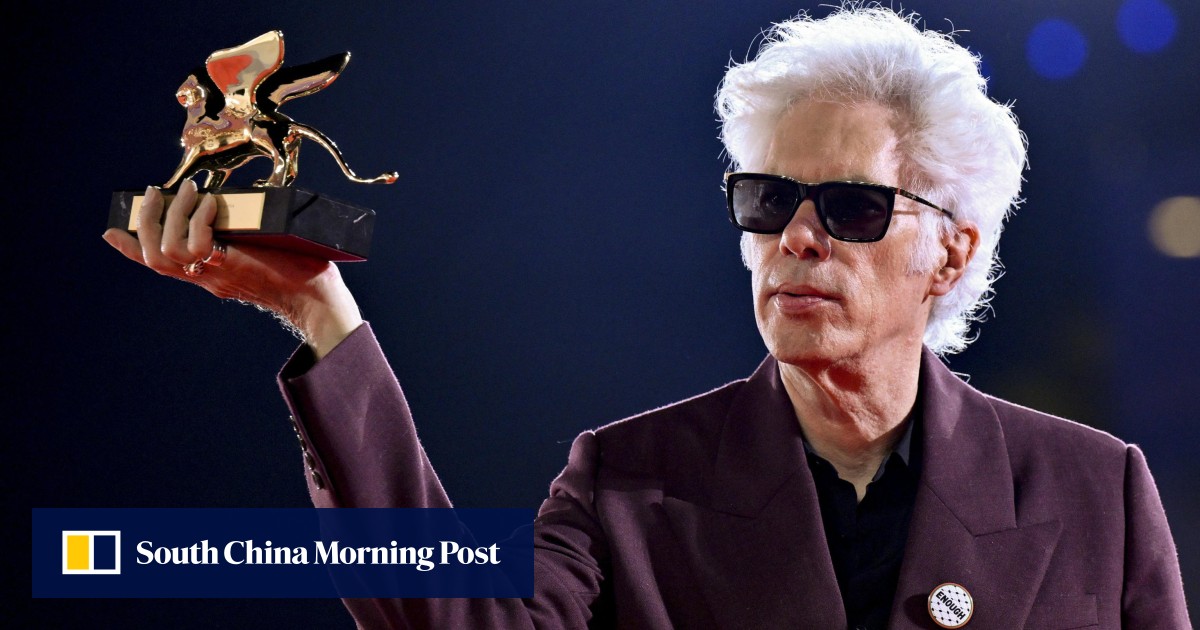
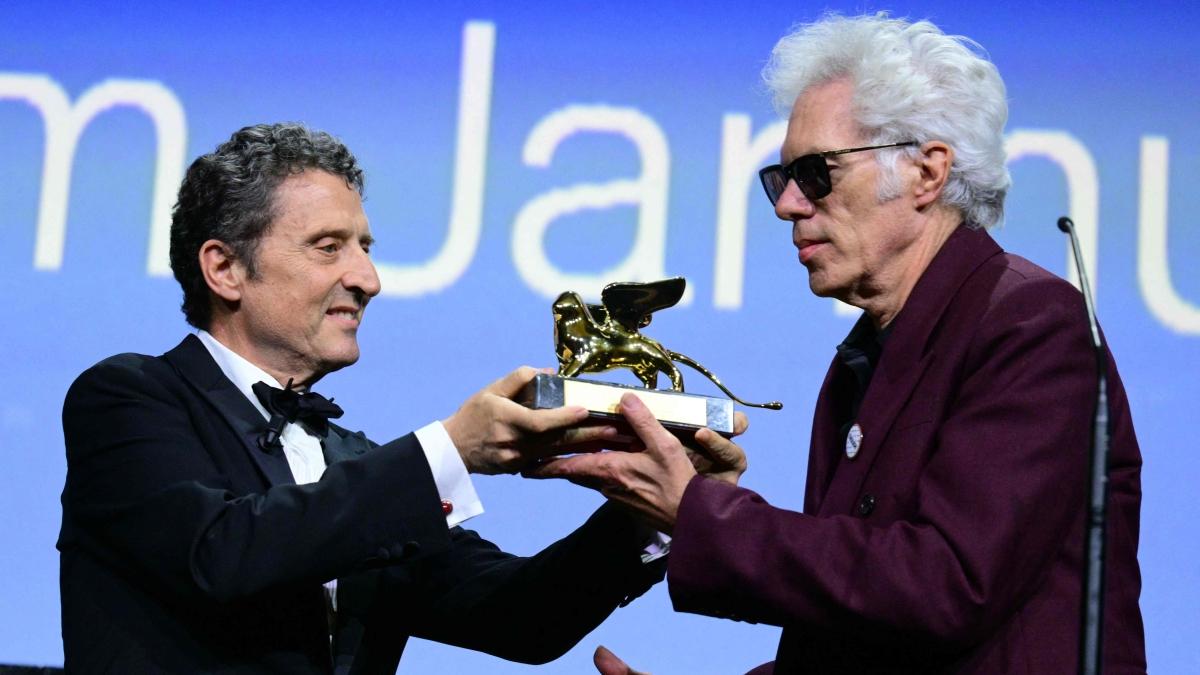
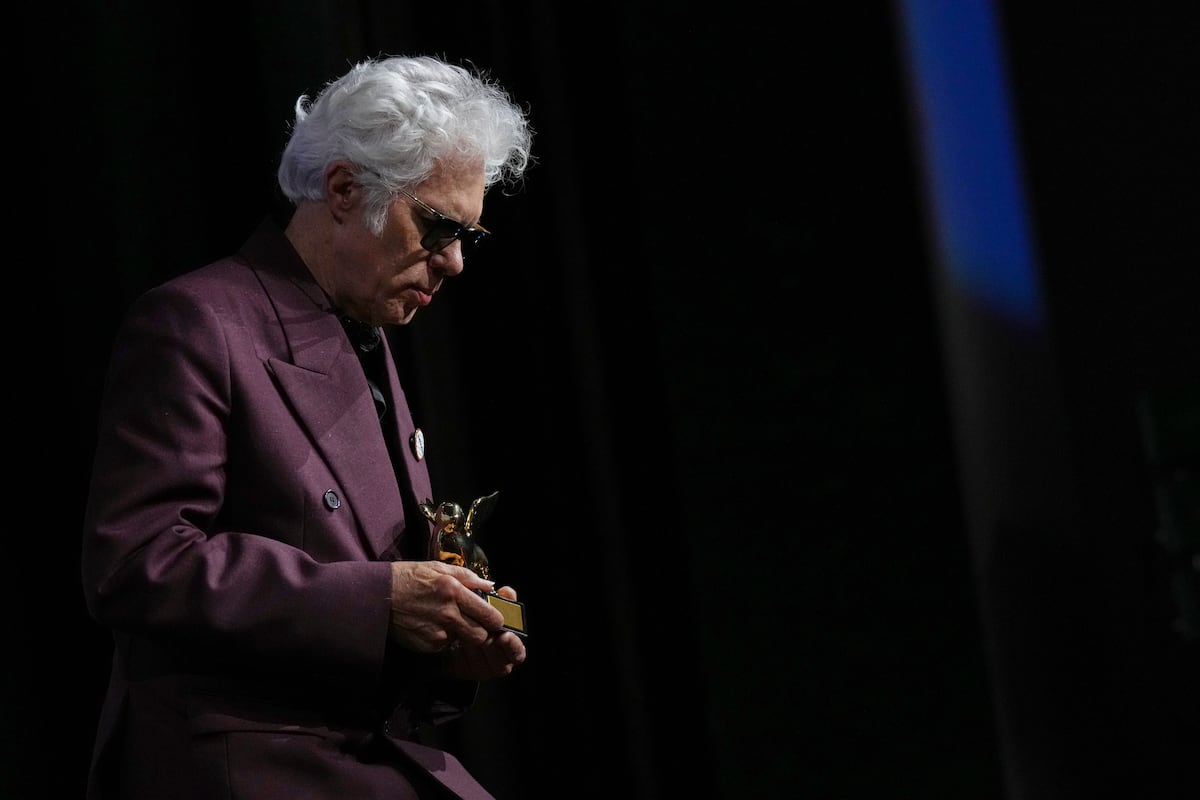
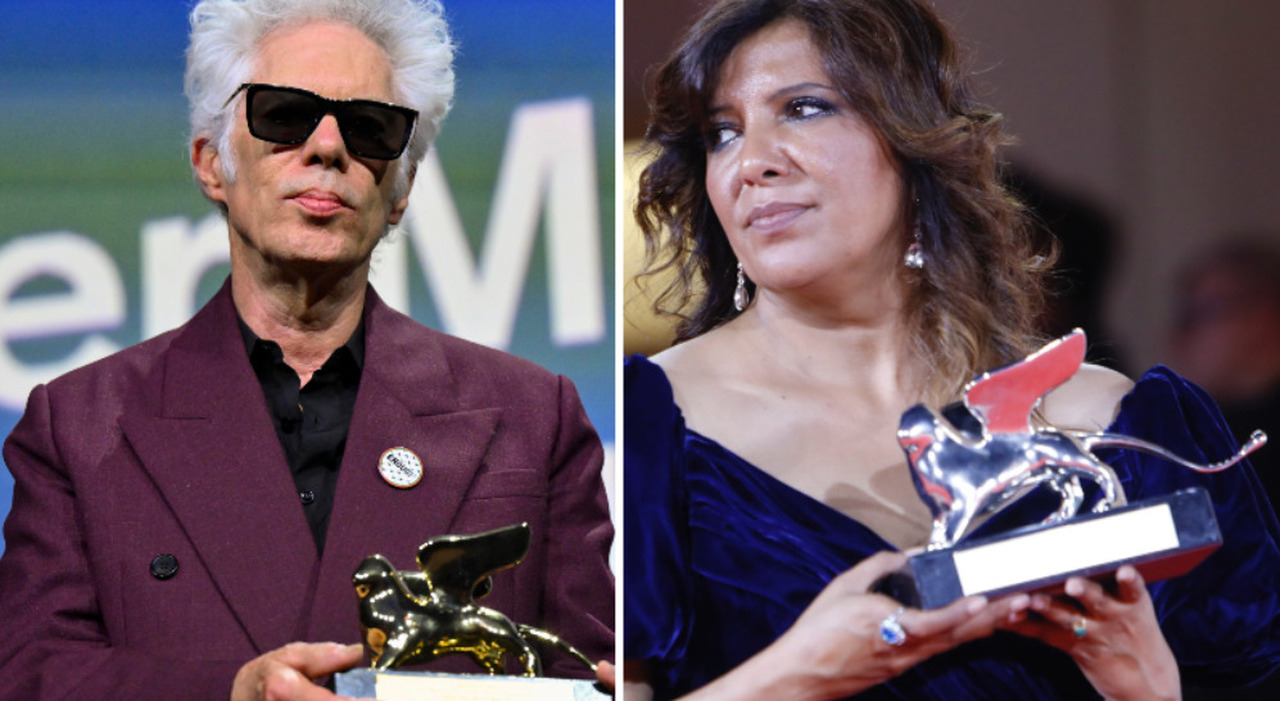
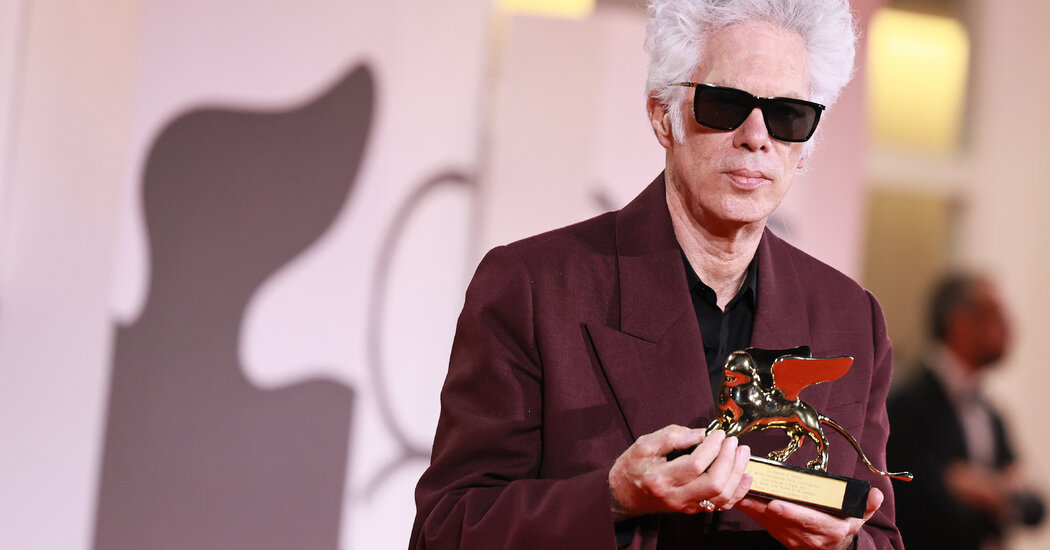
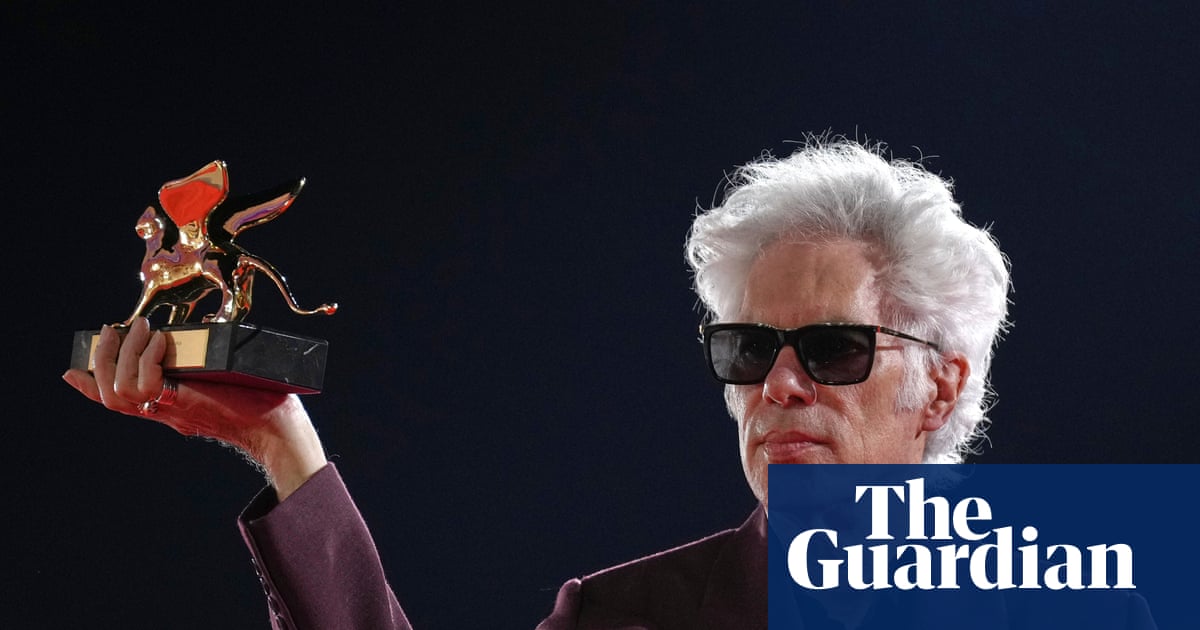
Jim Jarmusch’s droll, quirky, very charming film Father Mother Sister Brother got a mere six minutes for its standing ovation at Venice – though one day we’re going to have to introduce some Olympic-style standardisation to these timings. But it got the top prize, the Golden Lion, from Alexander Payne’s jury.
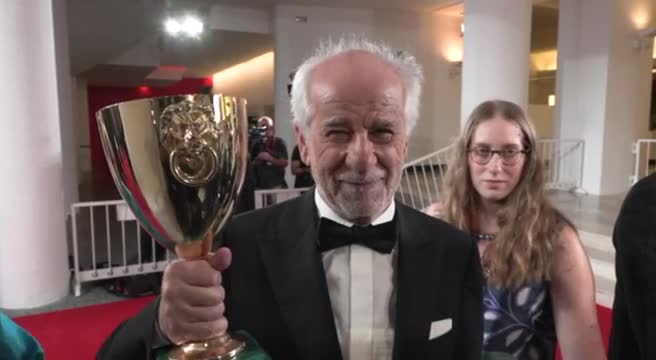
Benny Safdie’s The Smashing Machine (15 minutes), with Dwayne Johnson as a troubled MMA fighter, got best director. Paolo Sorrentino’s La Grazia (six minutes) got Toni Servillo the best actor prize, for his elegant fictional Italian president. And Cai Shangjun’s The Sun Rises on Us All (whose standing-O doesn’t appear to have troubled the scorer) got best actress for Xin Zhilei.
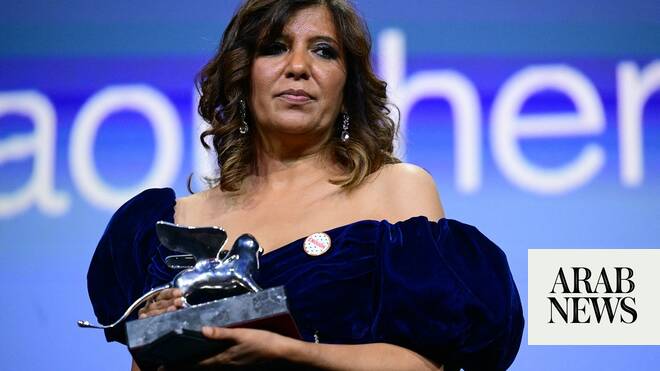
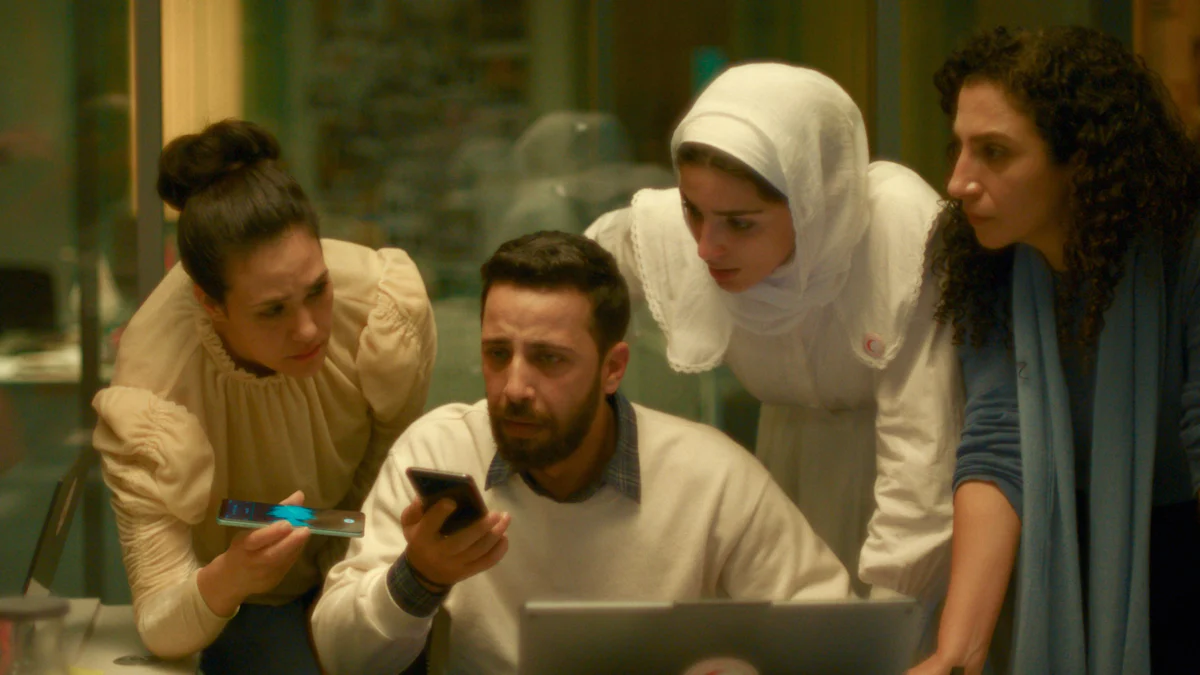
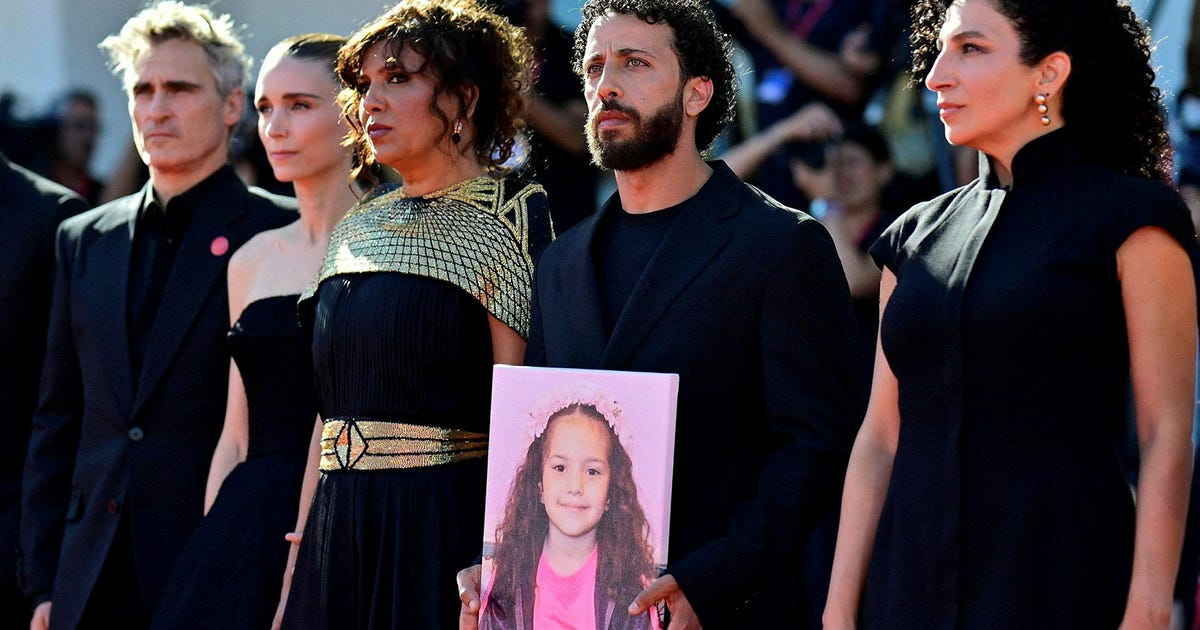
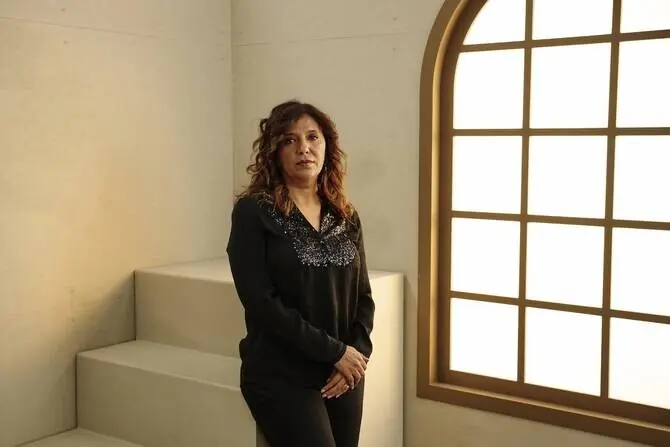
But Kaouther Ben Hania got a whopping 23 minutes for her startling and audacious The Voice of Hind Rajab, which uses the real audio recording of a terrified five-year-old Palestinian girl phoning for help in Gaza before her death, with actors playing the anguished emergency responders on the other end of the line. People were sobbing in the auditorium, and predicting the surely inevitable Golden Lion would be a tipping point for international political opinion. The Venice jurors had it in their power to make history. Didn’t they?