On the border with Slovenia, the Italian region of Friuli–Venezia Giulia continues a centuries-old tradition of farms opening their doors and serving up a feast to the public
I
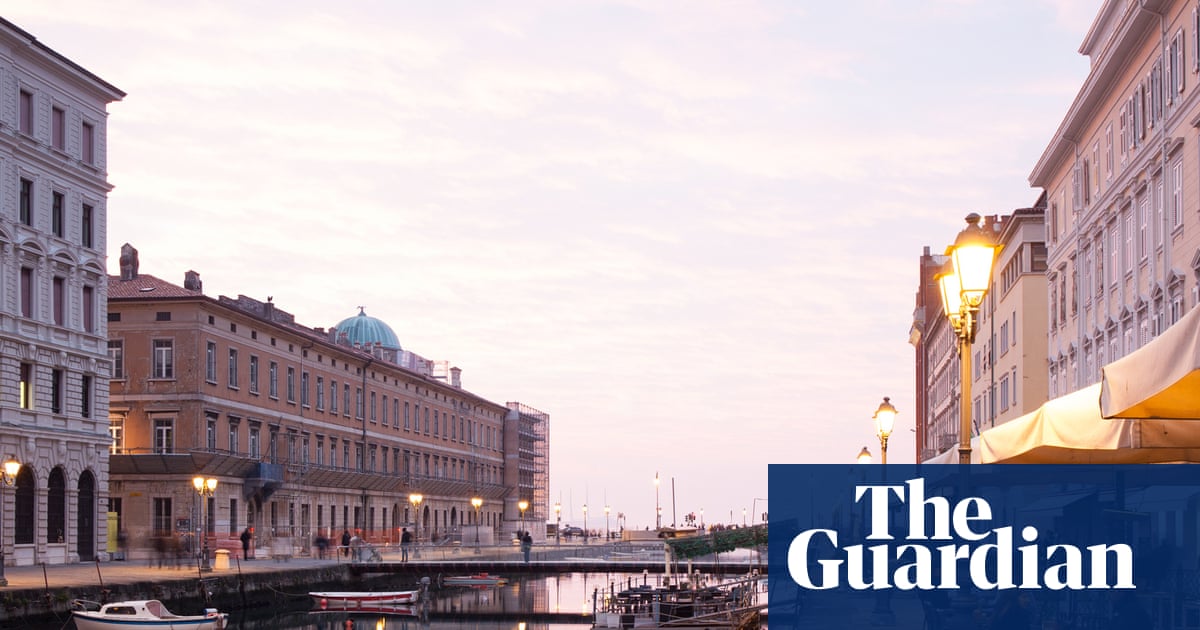
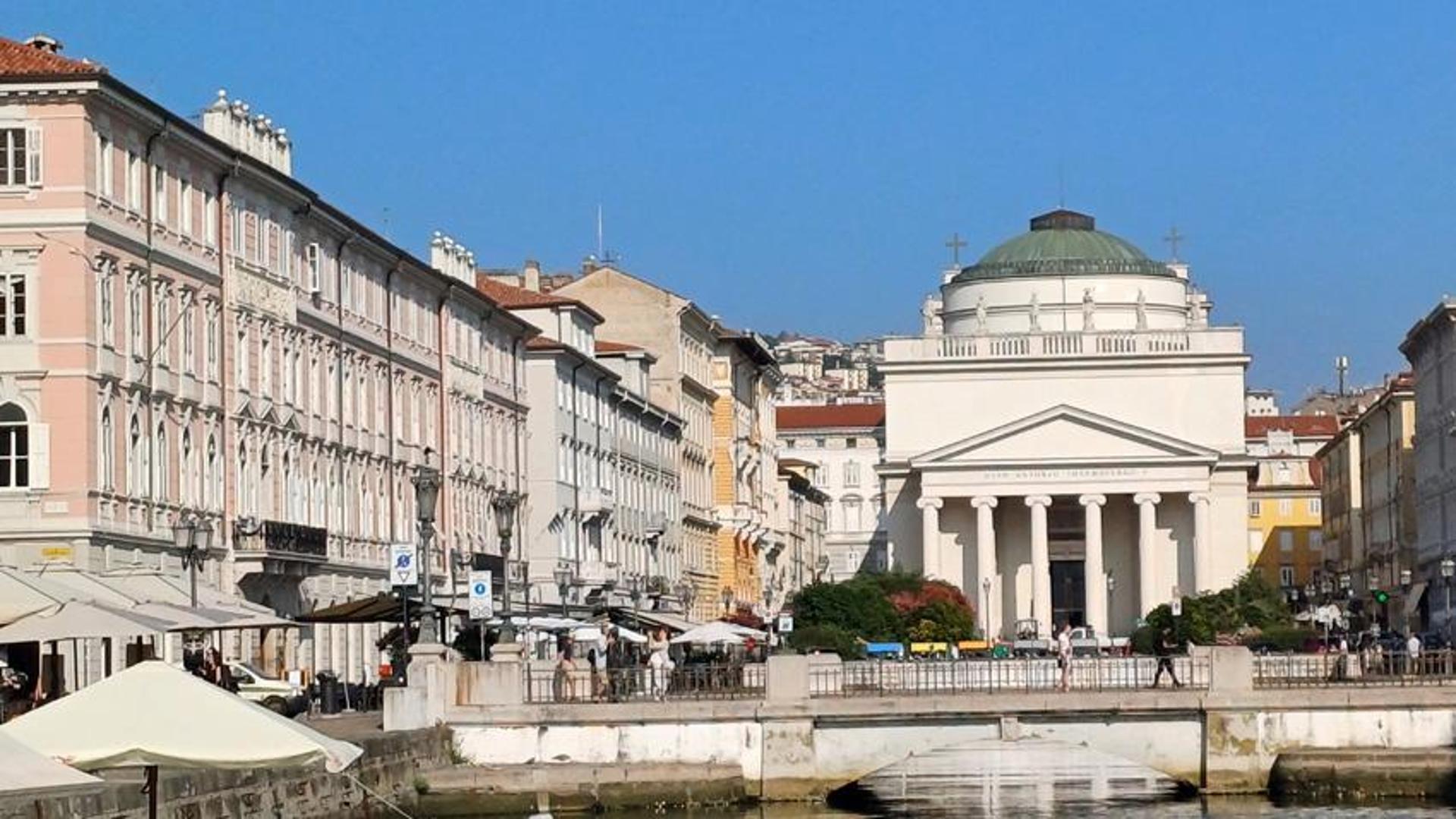
n Trieste and the Meaning of Nowhere, travel writer Jan Morris described the city’s many faces and “ambivalence”, maintaining that, unlike most other Italian cities, it has “no unmistakable cuisine”. But I had come to Trieste to experience, if not a cuisine, then a culinary tradition which, to me at least, does seem unmistakable: the osmiza scene of the surrounding countryside.
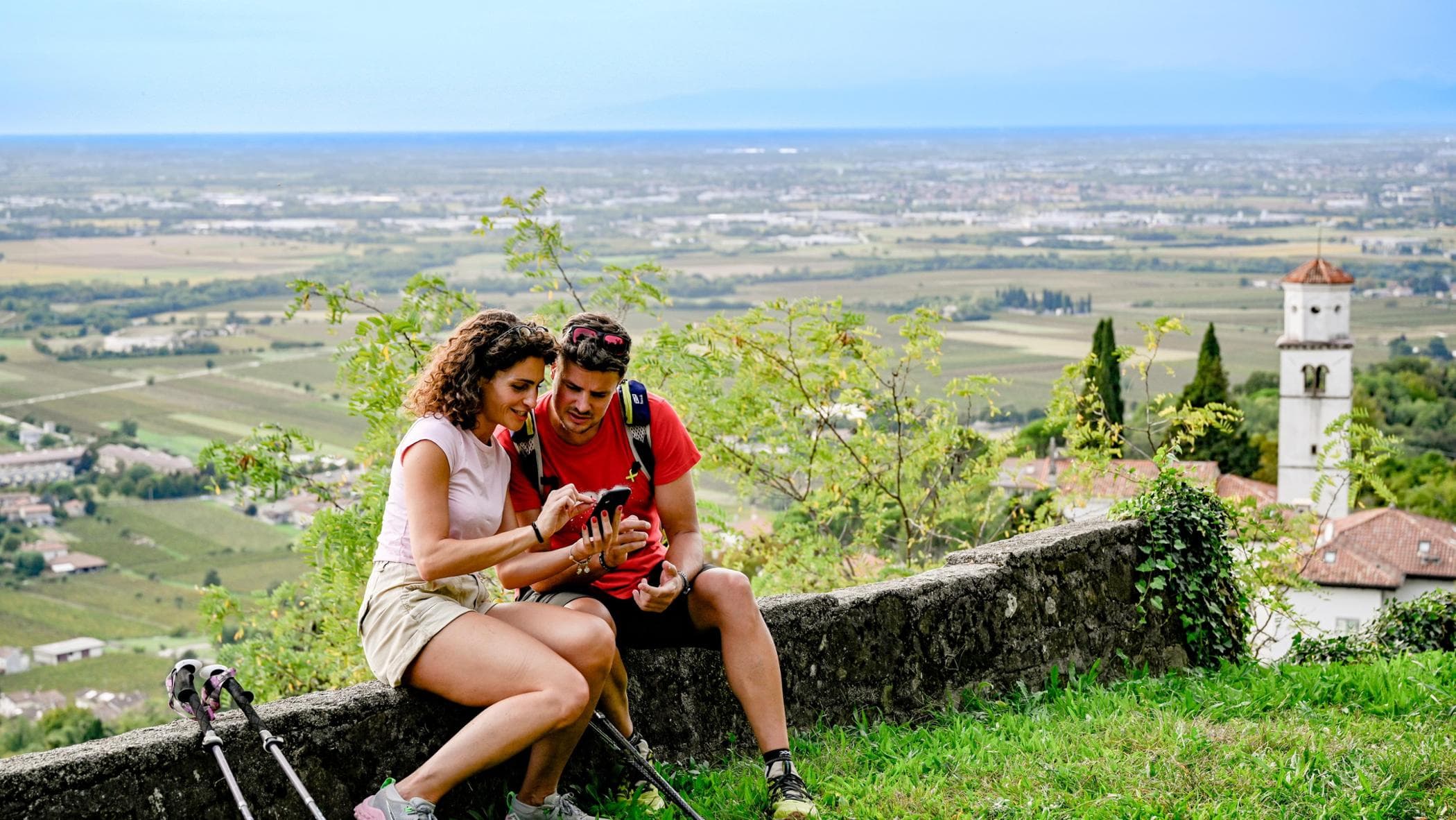
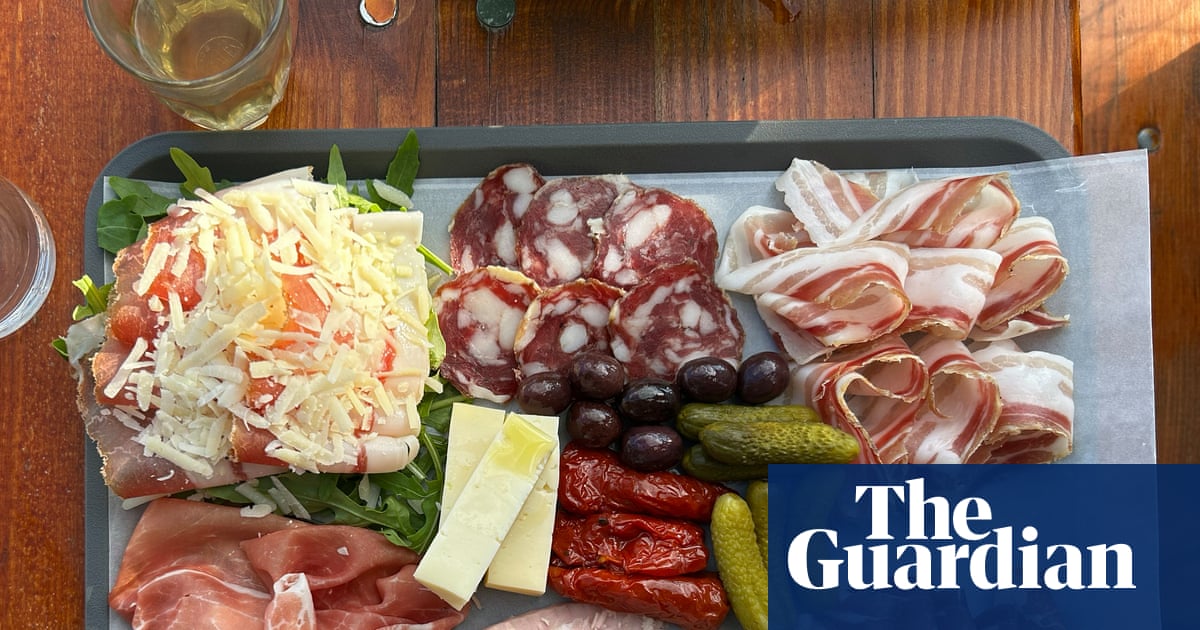
An osmiza (or osmize in the plural) is a Slovene term for a smallholding that produces wine in the Karst Plateau, a steep rocky ridge scattered with pine and a patchwork of vineyards that overlooks the Adriatic Sea. Visiting osmize is a centuries-old tradition in which these homesteads open their doors to the public for a fleeting period each year. Guests order their food and wine at a till inside – where a simply tiled bar, often set into local stone, might boast family photos, halogen lights and a chalkboard menu – before heading outside to feast at long Oktoberfest-style tables and benches.
“On the Italian side of the border, we just serve cold food,” Jacob Zidarich tells us, as he places down plates of pickled courgette, house-cured salumi, local cow’s milk cheese and a homemade sausage with mustard and grated horseradish. “But in Slovenia, you find cooked food.”