https://arab.news/pbnbt
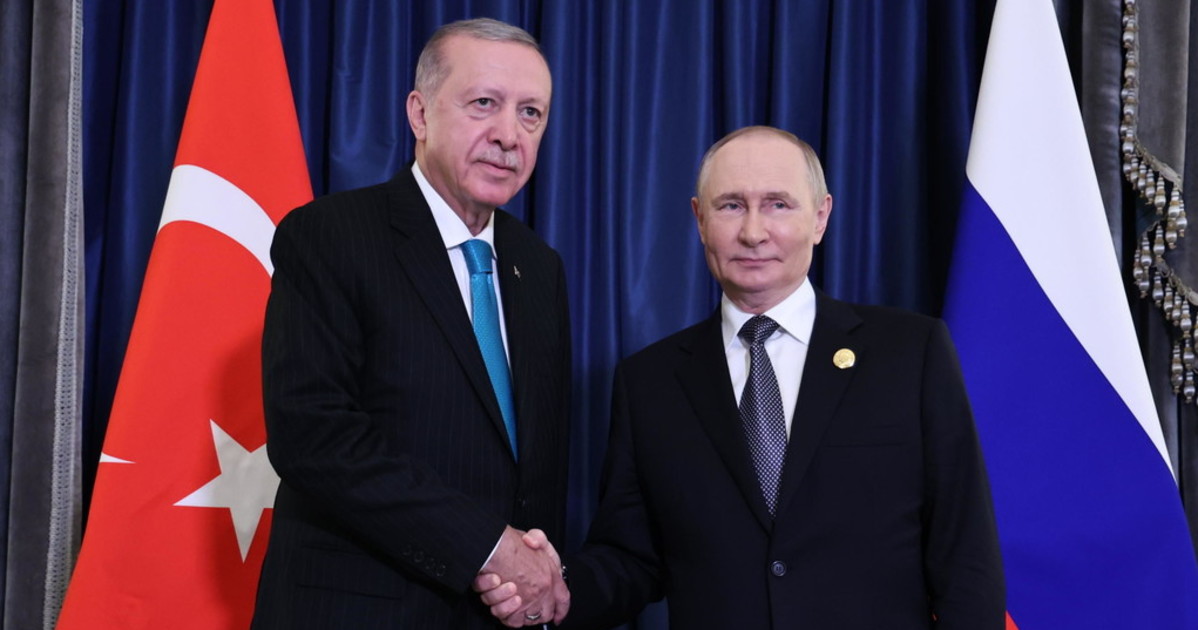
Whether described as hedging, balancing or bargaining, Turkiye’s policies toward the Western and non-Western worlds are shaped by different parameters, shifts and continuities. It is, without doubt, an approach that is difficult to decipher, both for observers and Turkiye’s counterparts.
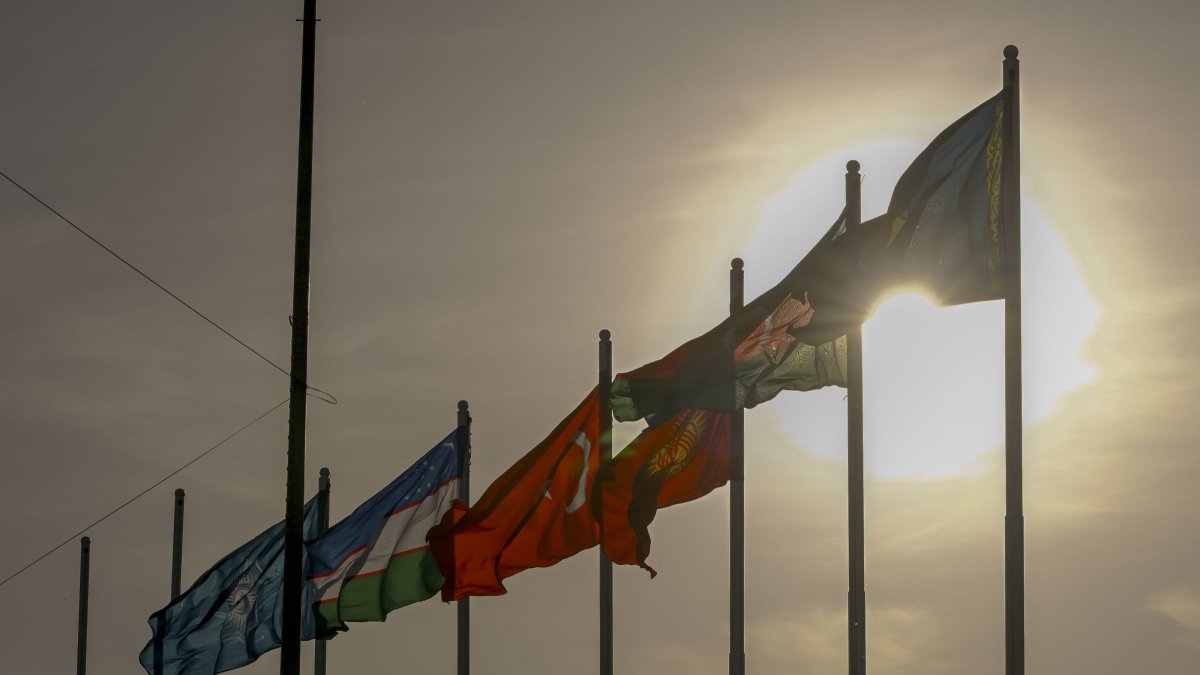
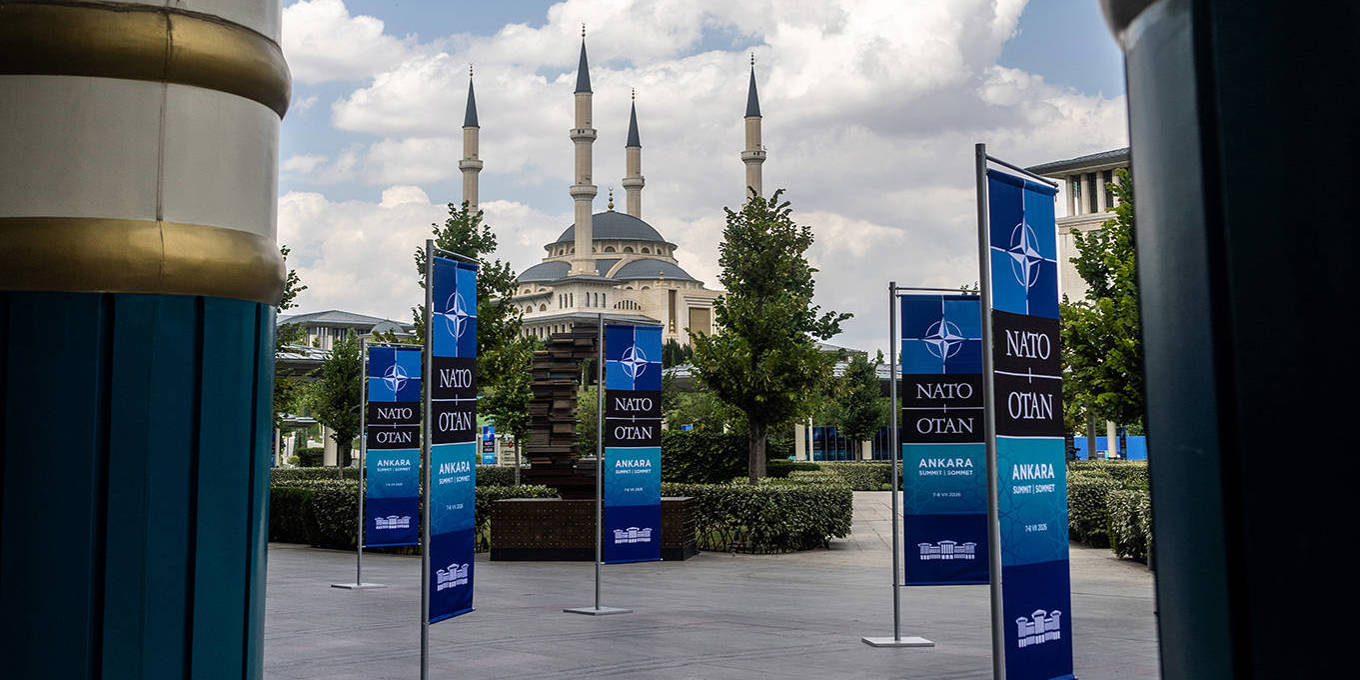
Back in 2013, when Ankara joined the Shanghai Cooperation Organization as a dialogue partner, it led to confusion and concern within the West, which Turkiye had traditionally been allied to. At the time, observers commented along the lines of: “This organization is the most serious opposition to NATO. On the one hand, you are a NATO member, but on the other, you want to become a member of an anti-NATO organization. This attitude has the potential to change the balance in the world.”
When Turkish President Recep Tayyip Erdogan — who was serving as prime minister at the time — played the Shanghai Cooperation Organization card, many dismissed it as a mere bluff aimed at pressuring NATO and the EU, with which relations had stalled over various issues. However, the Turkish political elite was seriously exploring alternatives and now, more than a decade later, it has become clear that Ankara’s move was far more than just a bluff.