https://arab.news/9jf7x
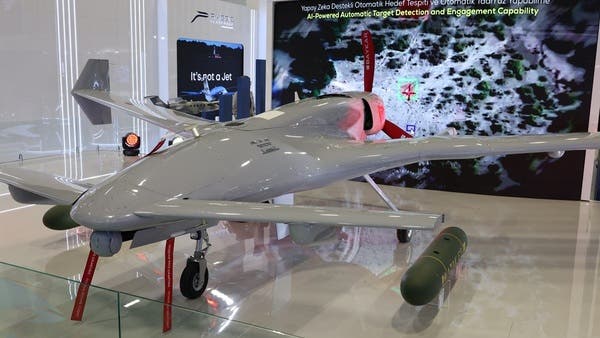
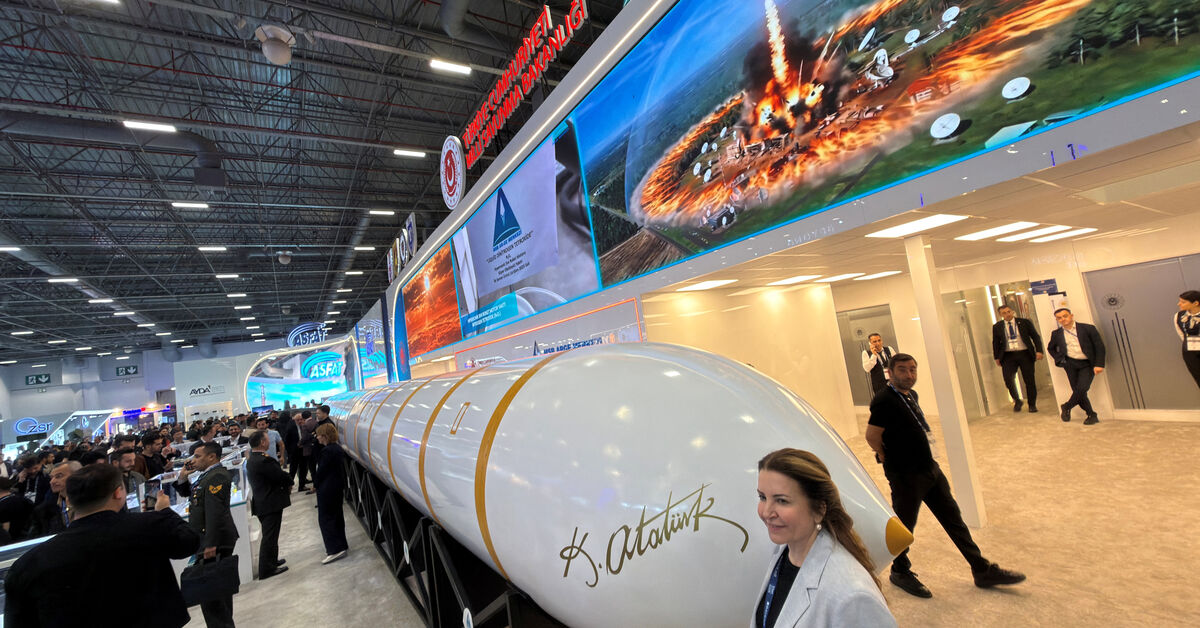
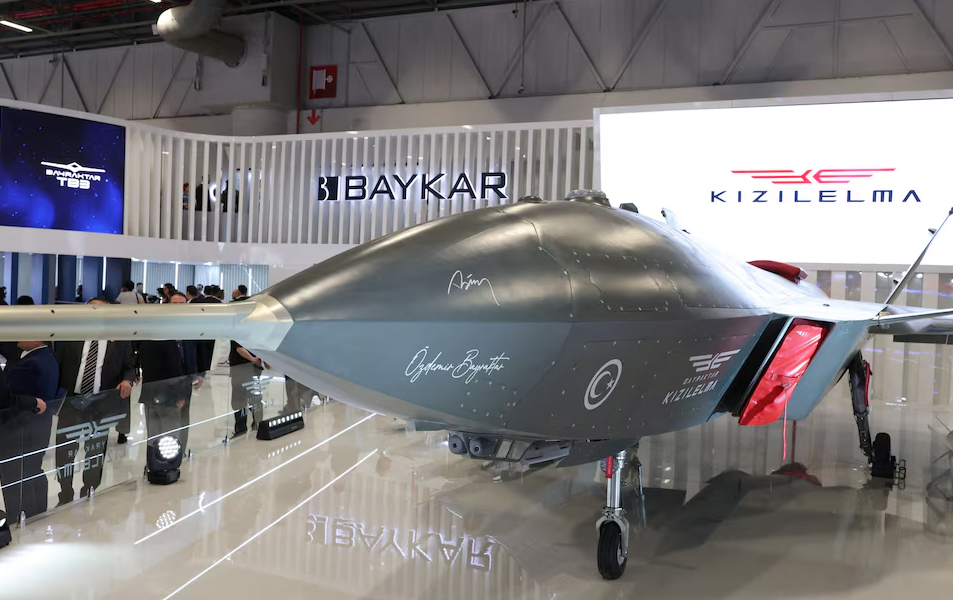
In the past decade, Turkiye has increasingly integrated military and defense elements into its foreign policy through expanded mandates, the sale of defense industry products, and the signing of defense and military agreements. Hard power politics has become a steadier foundation for its relations with other nations, making defense a central component of its foreign policy.
Ankara’s need for a more militarily assertive approach has extended beyond its borders, driven by perceptions of immediate threats to its national security and the growing instability in its neighborhood. One of the key elements of this hard power strategy include the deployment of troops externally, in addition to the Turkish Armed Forces’ conventional role in UN and NATO missions.
This week, the Turkish Parliament approved extensions for military operations in neighboring countries to keep troops in Iraq and Syria for three more years and maintain peacekeepers in the UN Interim Force in Lebanon for an additional two years. Since 2014, the parliament has regularly renewed the cross-border mandates, typically on a yearly basis. However, the current mandate for Syria represents the longest extension since Turkiye launched its first cross-border intervention there in 2016. In Iraq, Turkish military operations date back to the 1980s when it began efforts to dismantle the Kurdistan Workers’ Party, designated as a terrorist group by Turkiye, the US, and the EU.