The islands say they no longer want to be Europe’s cheap, consequence-free party playground. But is the move upmarket working?
L
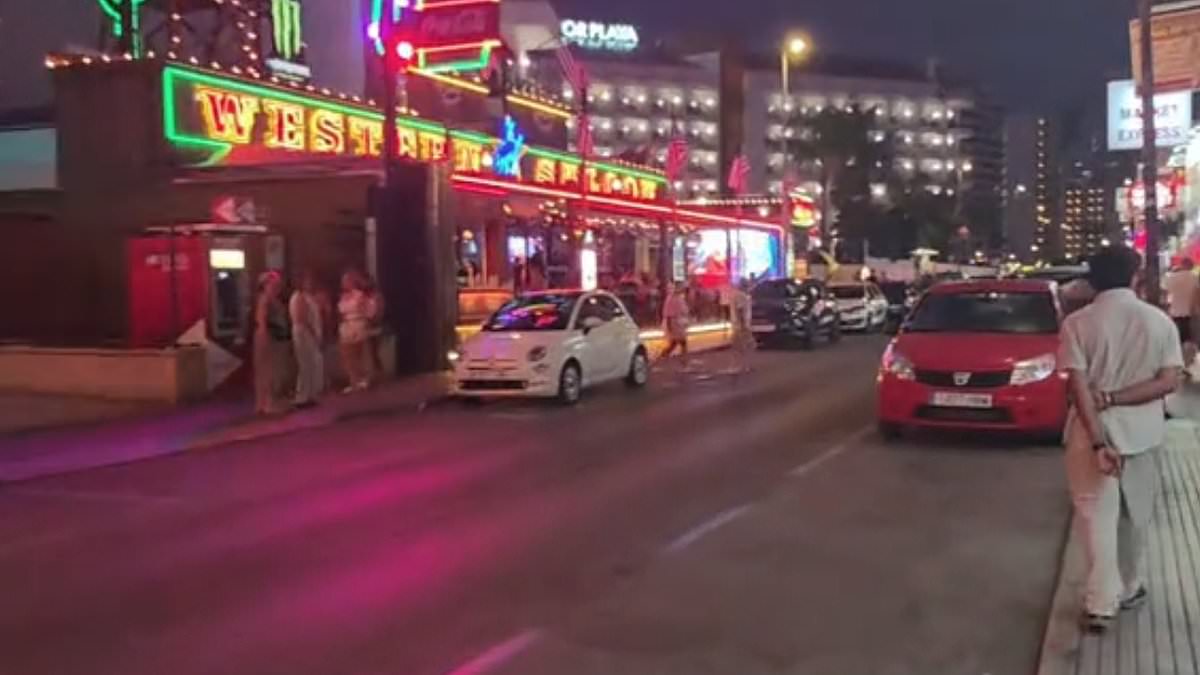
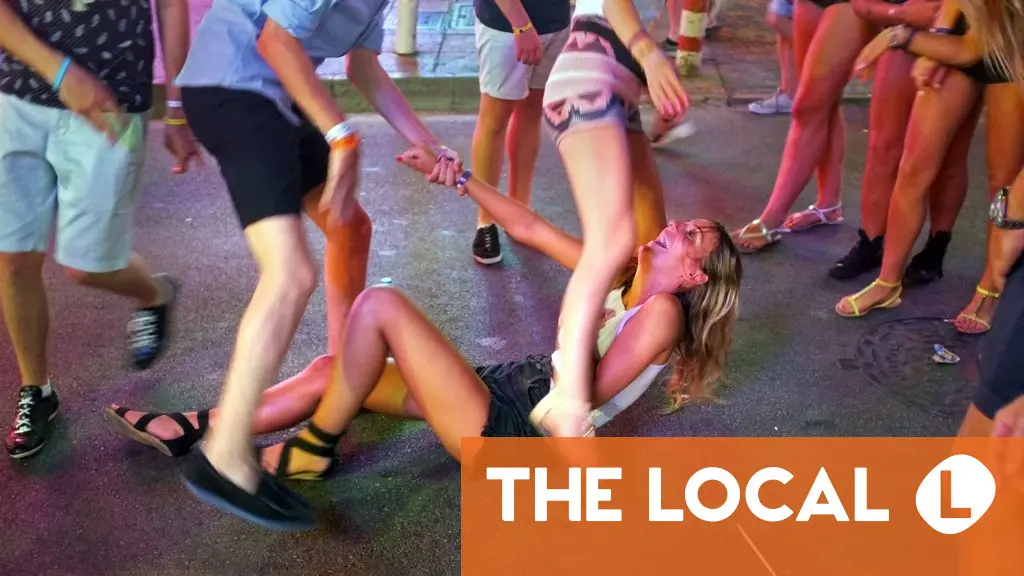
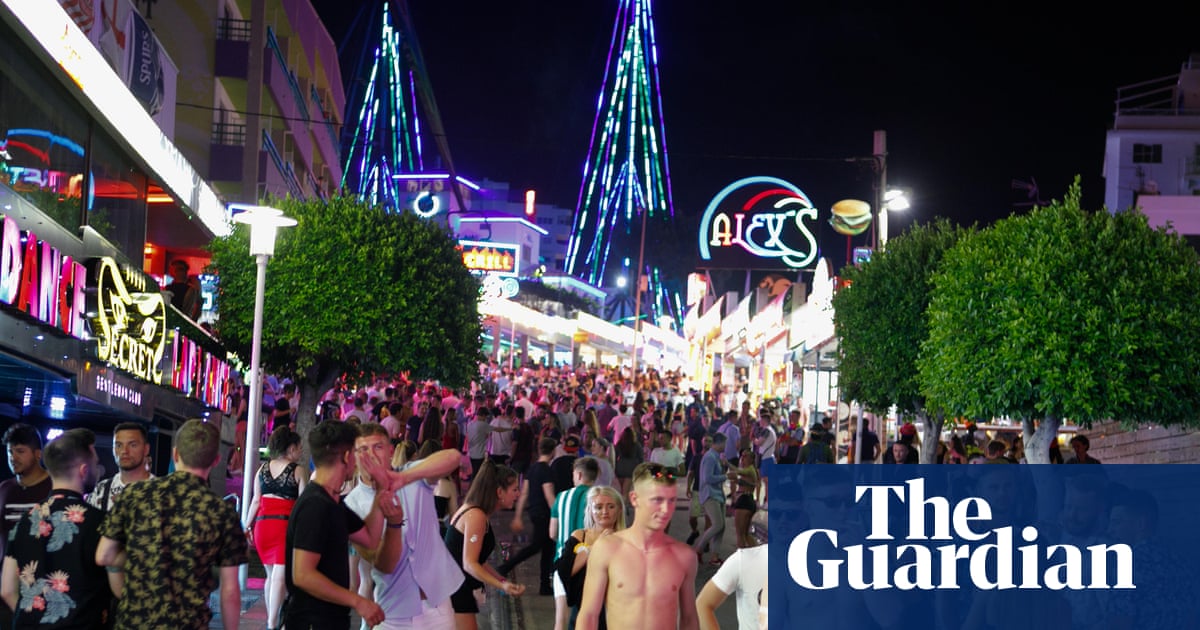
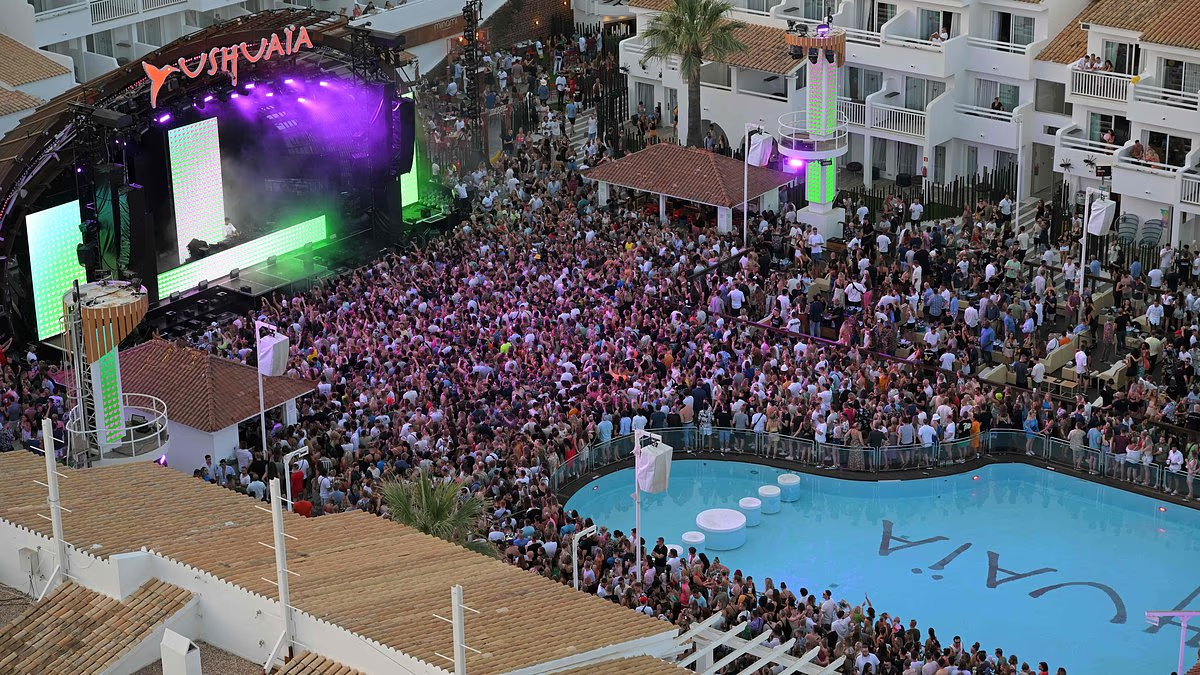
ast summer, Spain’s Balearic Islands launched one of Europe’s toughest crackdowns on alcohol-fuelled party tourism. In popular resorts such as Magaluf in Mallorca and Sant Antoni in Ibiza, tourists spilled out of bars at dawn, clutched cheap bottles from late-night shops, and treated entire neighbourhoods as giant open-air nightclubs.
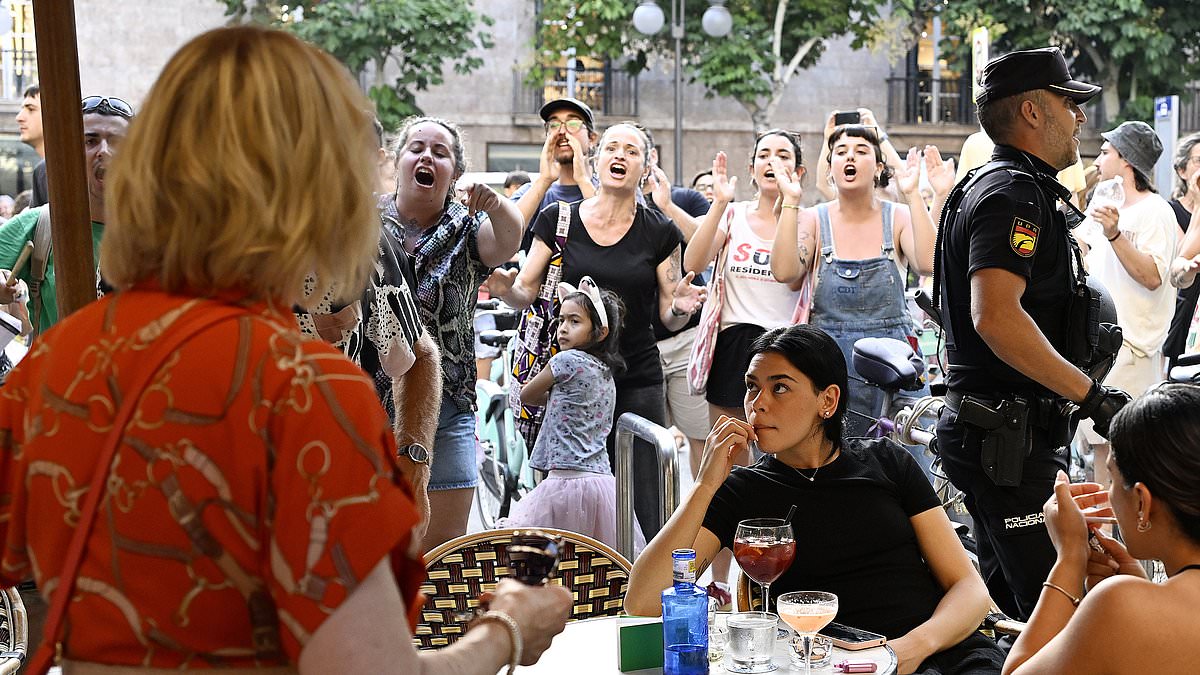
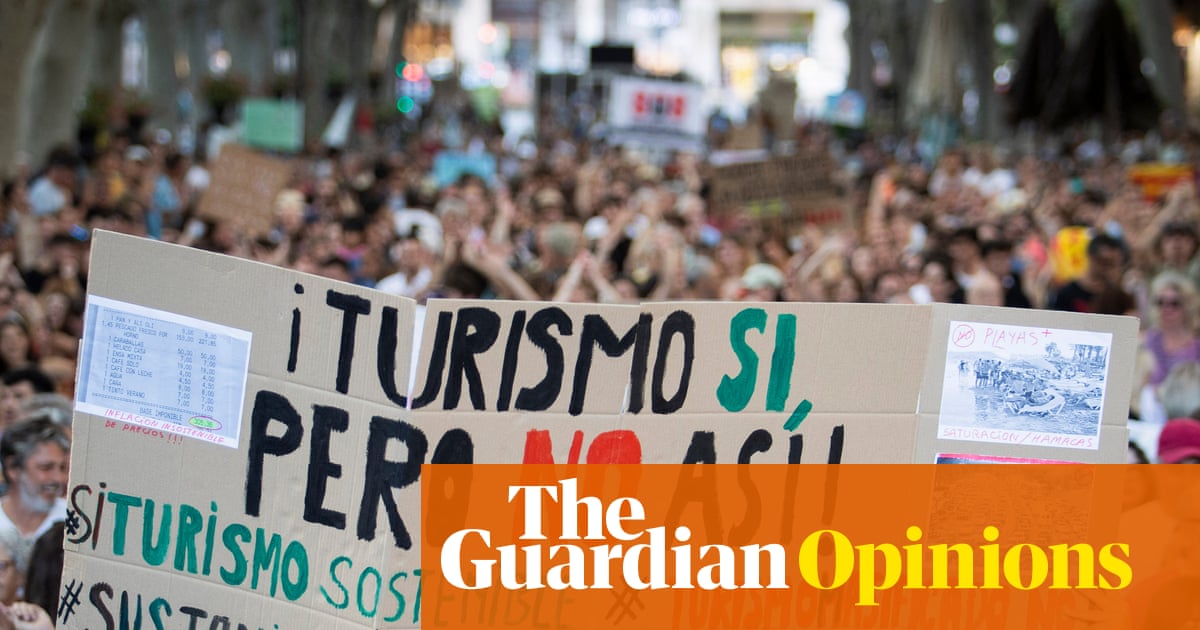
Local people were fed up. Noise complaints, violent brawls and clashes between residents and intoxicated tourists became routine. Rents rose while longstanding neighbourhoods became hollowed out into seasonal party zones. Pilar Hernando, from Palma, Mallorca told Reuters in 2024: “Prices go up, rents go up, everything goes up … except salaries.” Hernando had to move into a caravan owing to the lack of affordable housing. Average rents have risen 158% over the past decade in the Balearics, with Palma now among the most expensive cities in Spain.
Last summer, the Balearic authorities finally said: enough. The regional government, led by Marga Prohens of the People’s party (PP), formally extended a 2020 law and introduced stricter alcohol controls. Drinking on public streets was banned in designated “excess tourism zones”, including Palma, Llucmajor, Calvià and Sant Antoni. Fines of up to €3,000 were introduced for violations. Retail alcohol sales were restricted after 9.30pm, and all-inclusive hotels could serve only six drinks per guest per day. Party boats were pushed further offshore. Crucially, local police forces were authorised to forward fine notices to consulates – to ensure accountability and discourage repeat offences.