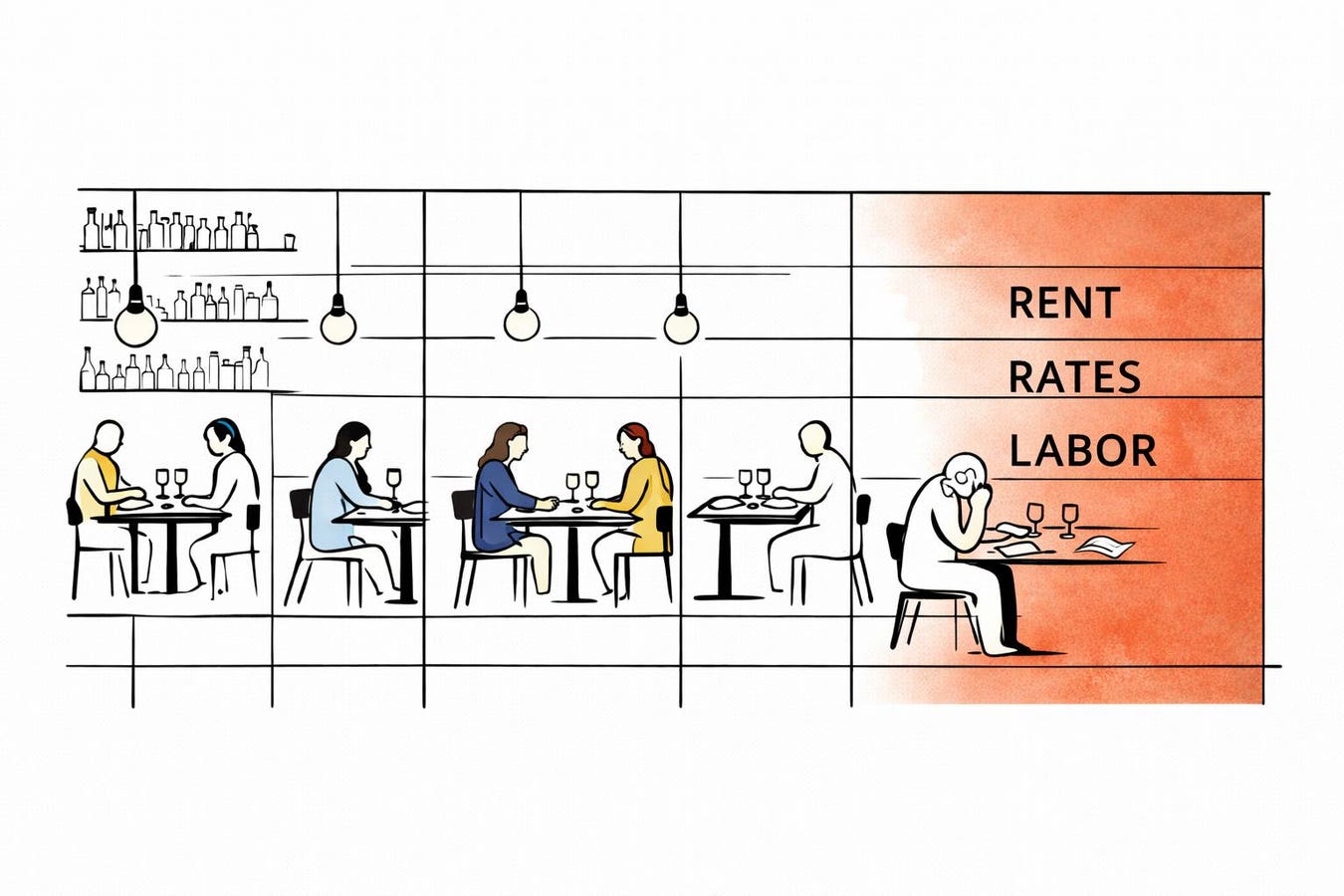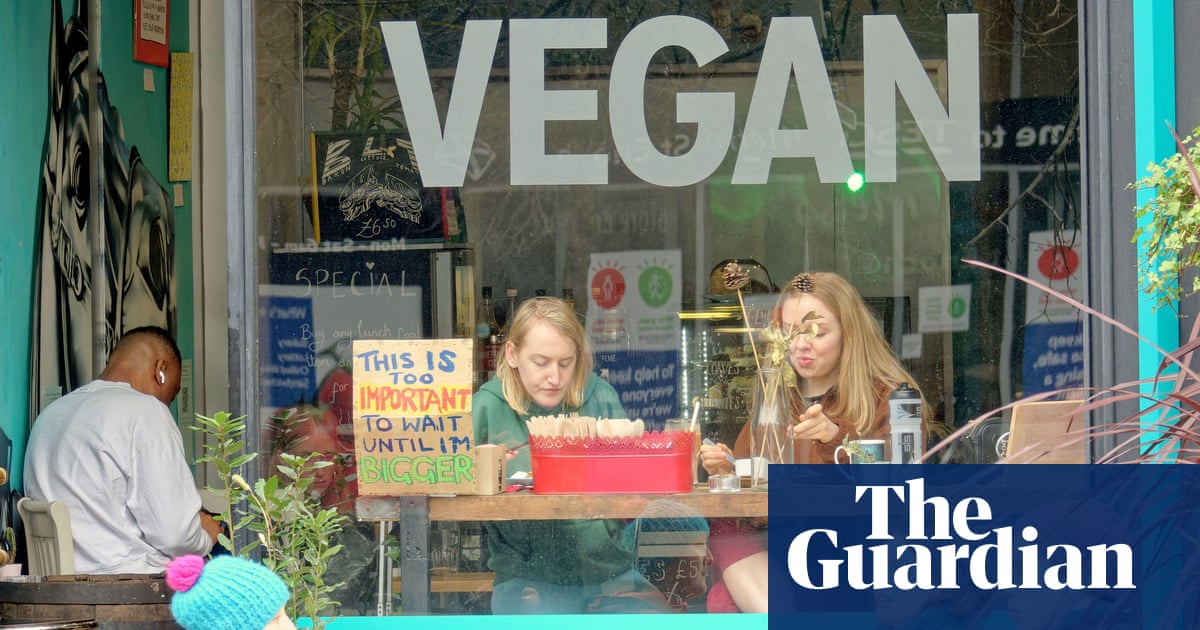
Veganism is still on the rise, but many popular venues and chains are shutting down. Are they victims of a terrible era for hospitality or part of a growing shift in cultural values?
W
hen London’s Unity Diner wrapped up 2024 with the announcement that it would soon be shutting its doors for good, it expected some sadness from its customers. After all, the not-for-profit restaurant had been an innovator in the city’s vegan scene, serving up 3D-printed “vegan steak” (made of plant protein with the fibrous feel of the real thing) and disarmingly realistic “tofish” (tofu fish) alongside the classic burgers and chips. Throw in its animal sanctuary fundraising, and the restaurant had been faithfully embraced by vegans.
But, from the reaction it received, you would think its supporters were genuinely grieving. “We had people coming in and crying and hugging the staff,” says its co-founder, Andy Crumpton, his surprise audible. There was another element to the devastation, he says. For its plant-based punters, Unity Diner was yet another meat-free establishment that had outwardly appeared to be prospering, only to suddenly shut down.
Ask anyone who frequents plant-based establishments – whether they are vegan, vegetarian or simply trying to cut down on meat – and it is likely that they will have seen a favourite spot go under in recent years. Many of my London favourites, such as Rudy’s Vegan Diner, Halo Burger and Neat Burger, have closed, while friends across the country have lamented their own losses: The Glasvegan in Glasgow, Veggie Republic in Liverpool, Jungle Bird in Birmingham. Some go out in style; some fade without a trace, leaving online reviewers to complain about unhonoured reservations and Reddit detectives to seek out information.