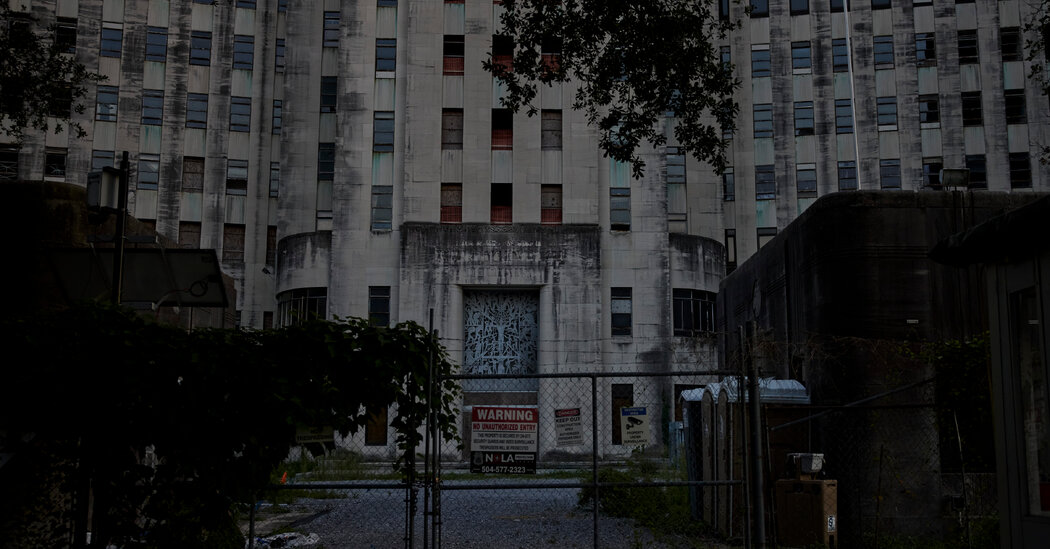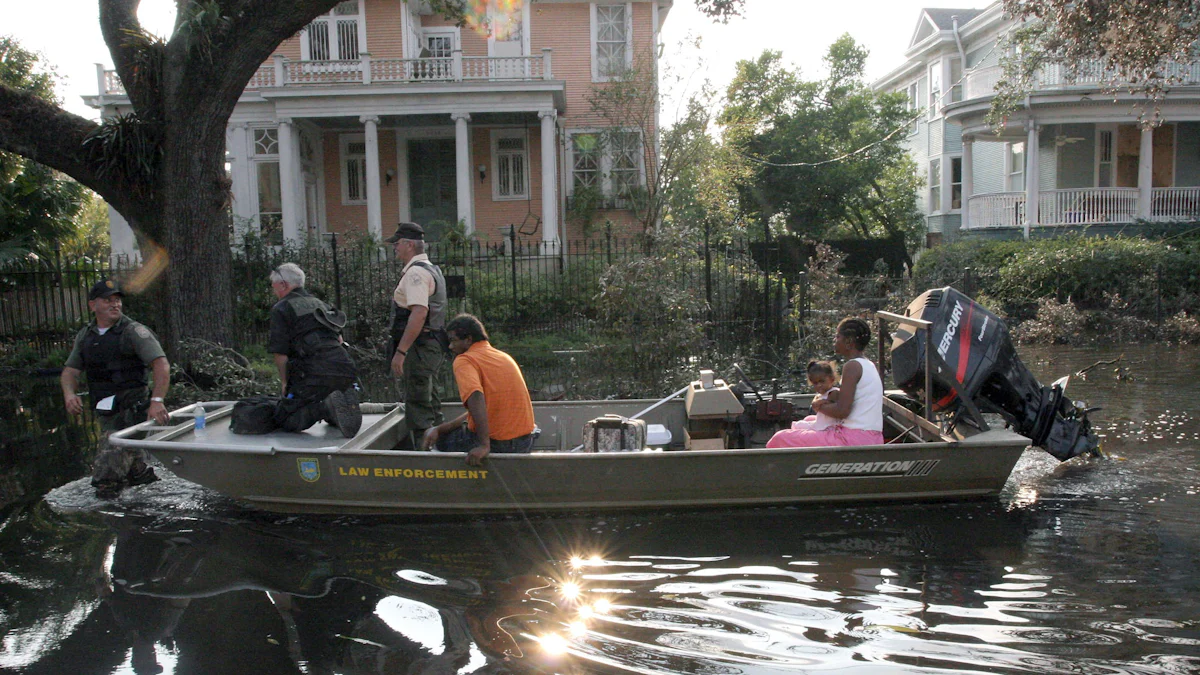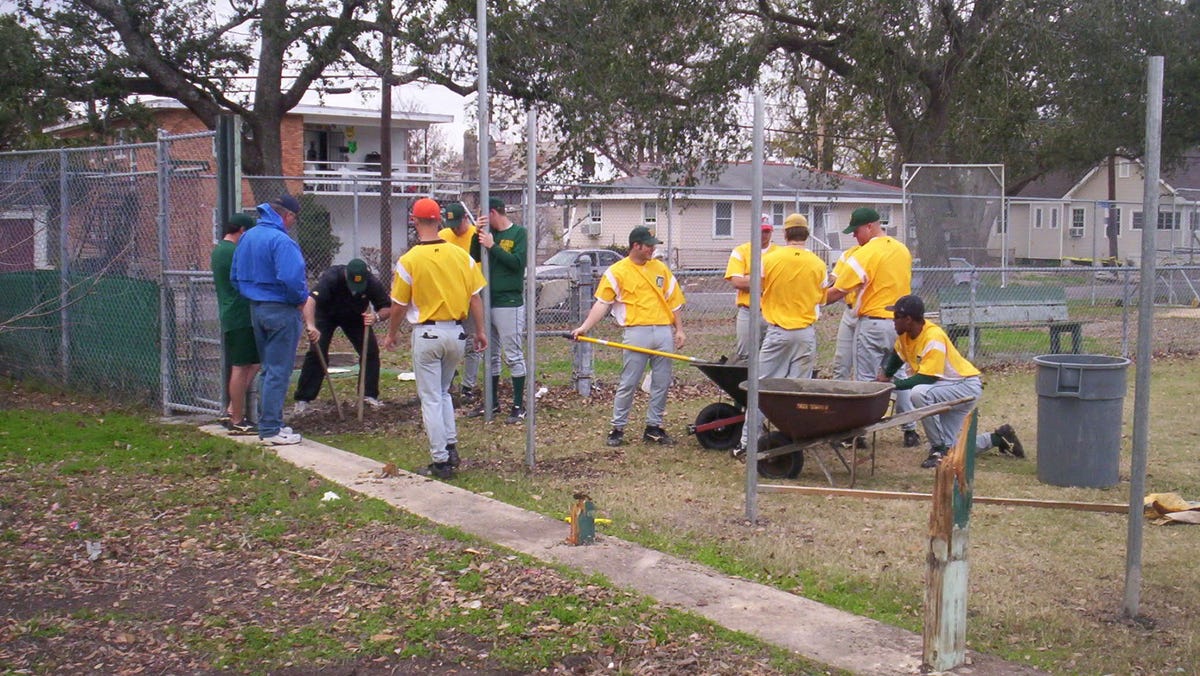
A few weeks after the storm had passed, Joe Scheuermann hitched a ride with a friend into New Orleans, determined to see the impact of Hurricane Katrina for himself. He remembers driving east into the city and being stopped at an Army barricade off I-10, near the edge of the Delgado Community College campus. Troops escorted him into the Mid-City neighborhood where he lived and coached the school's baseball team, as his father had before him.
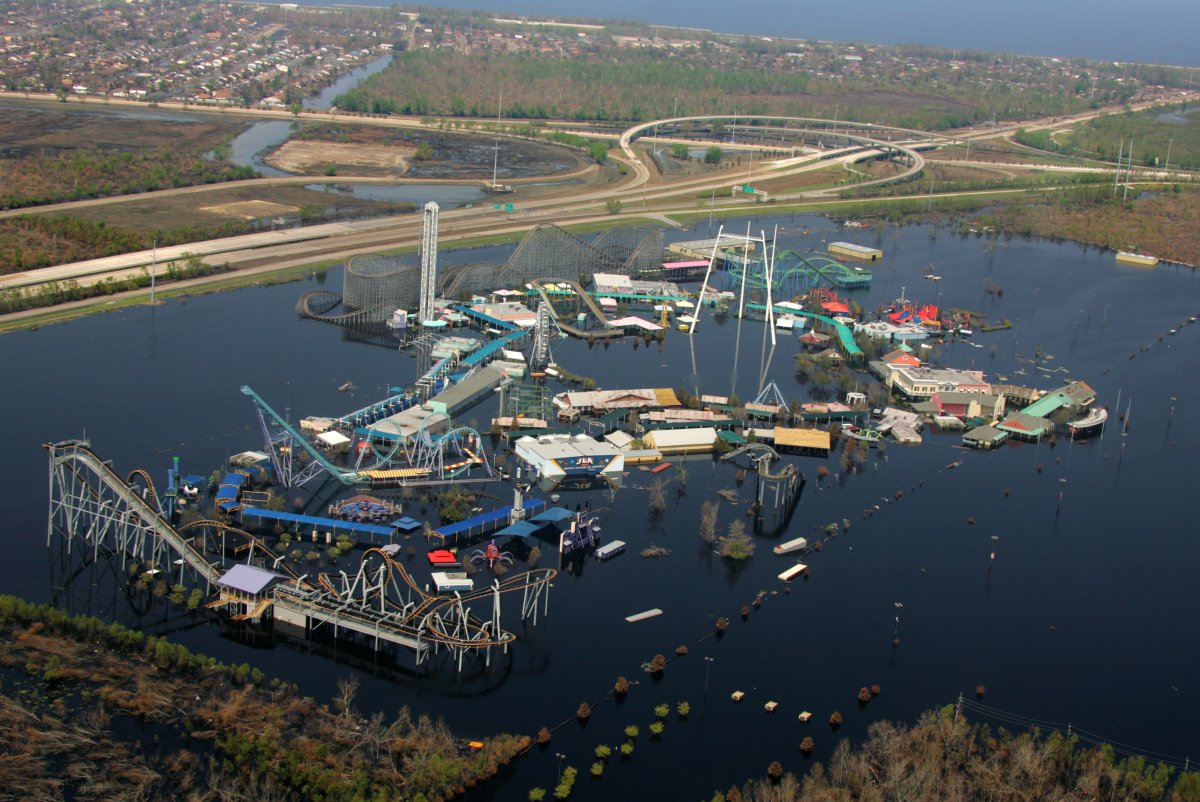
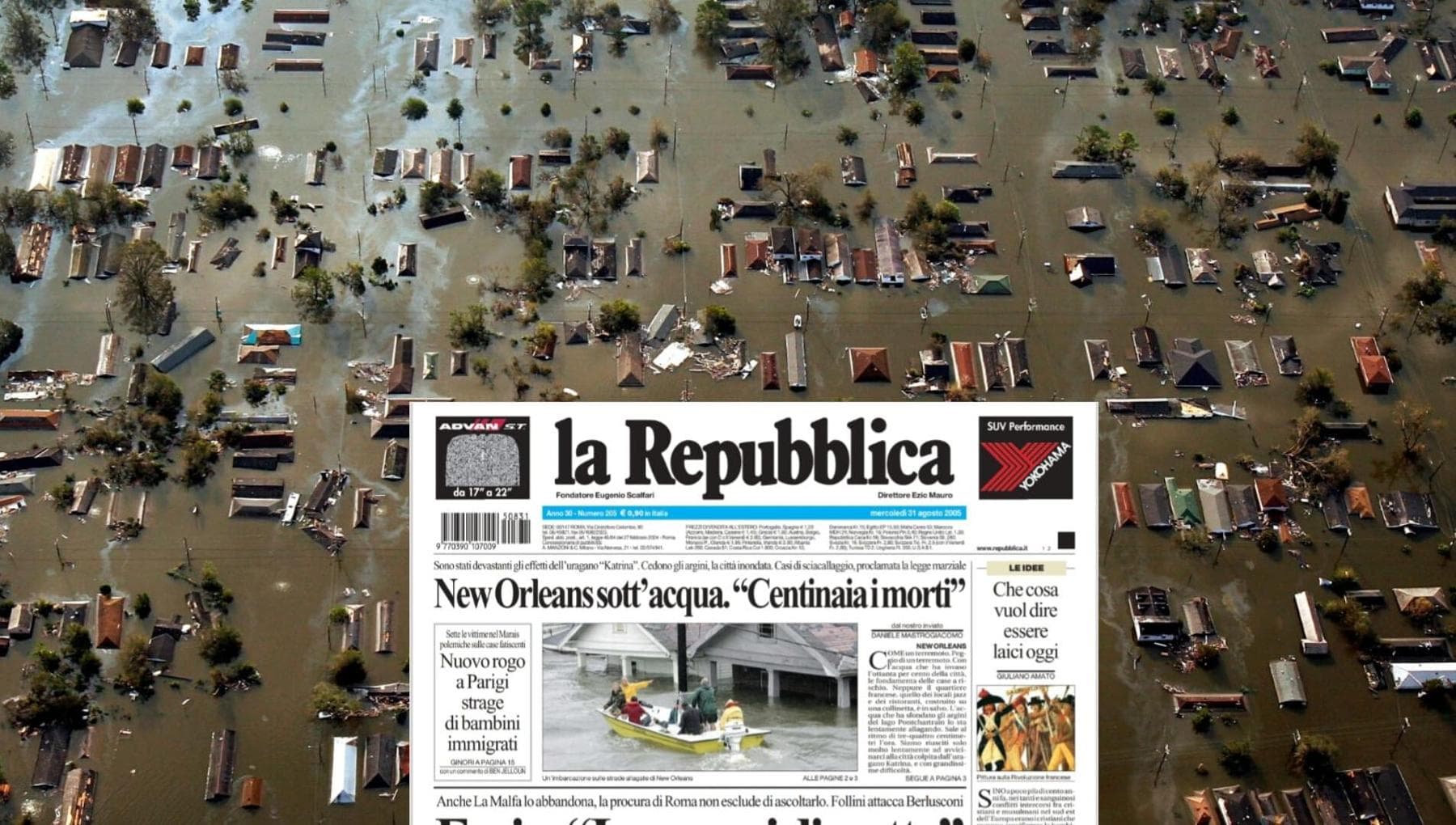
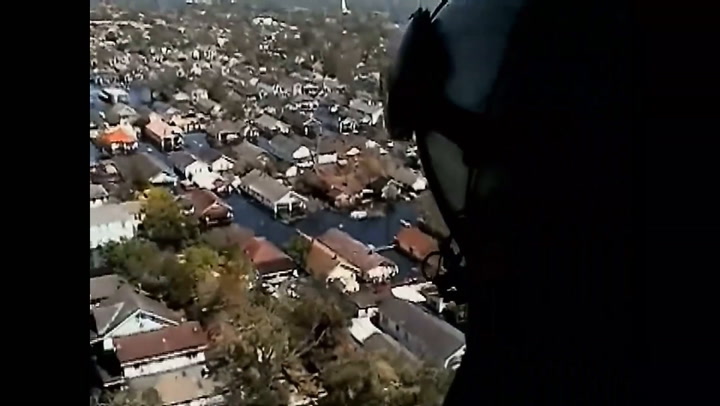
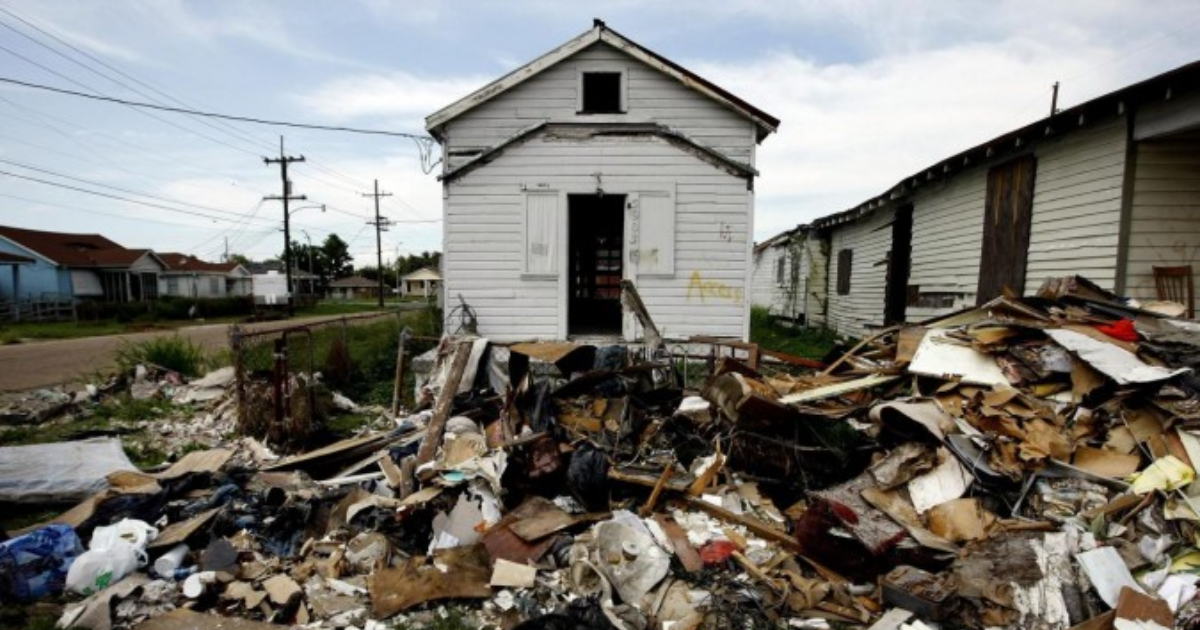
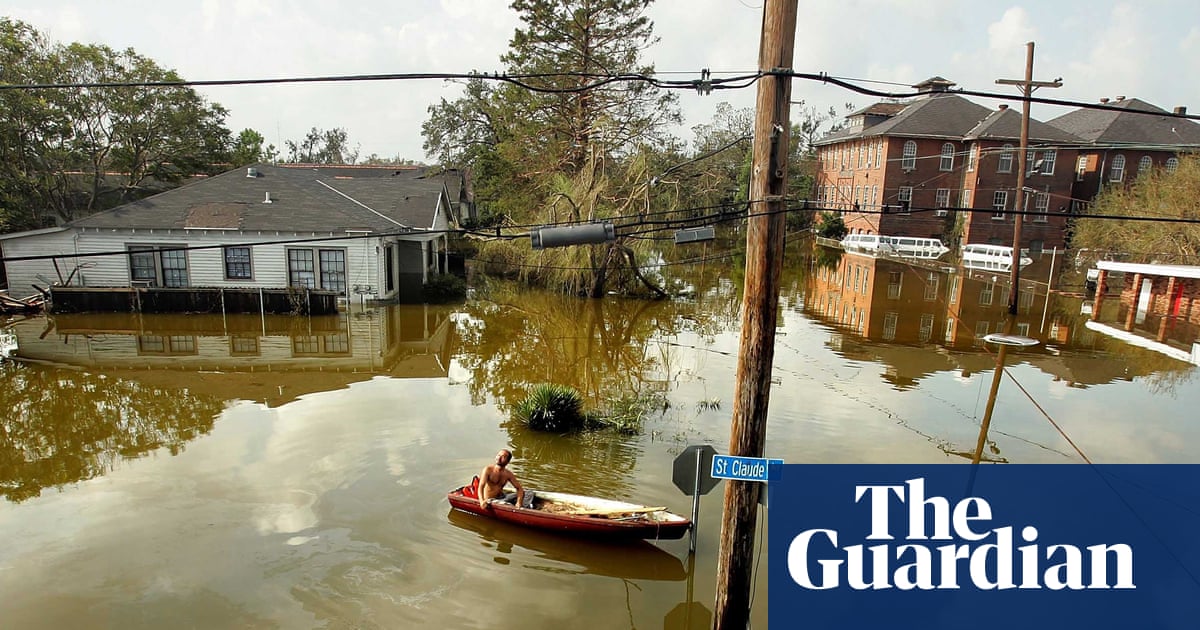
The neighborhood, like an estimated 80% of New Orleans, had flooded during Katrina. And Kirsch-Rooney Stadium, like much of Delgado's campus, had not been spared. Several of the light poles surrounding the field had been toppled or bent in half. The scoreboard flung into a neighboring cemetery. Two-thirds of the wooden outfield fence destroyed. And the field itself had been submerged in at least 6 feet of floodwater for several days, turning grass and infield into a barren, muddy mess.
"It was quite an eye-opener," Scheuermann, now 62, recalled in July.
As the 20th anniversary of Hurricane Katrina nears, however, it's not that first sight of the wreckage − nor the grainy photos he took with his Nokia cell phone − that Scheuermann remembers. It's what he described as "the renaissance" that followed.