ST. PAUL, Minn., Aug. 26 (UPI) -- New artificial intelligence models can yield much more nuanced and detailed assessments of genetic risks for 10 inherited diseases, researchers reported Thursday.
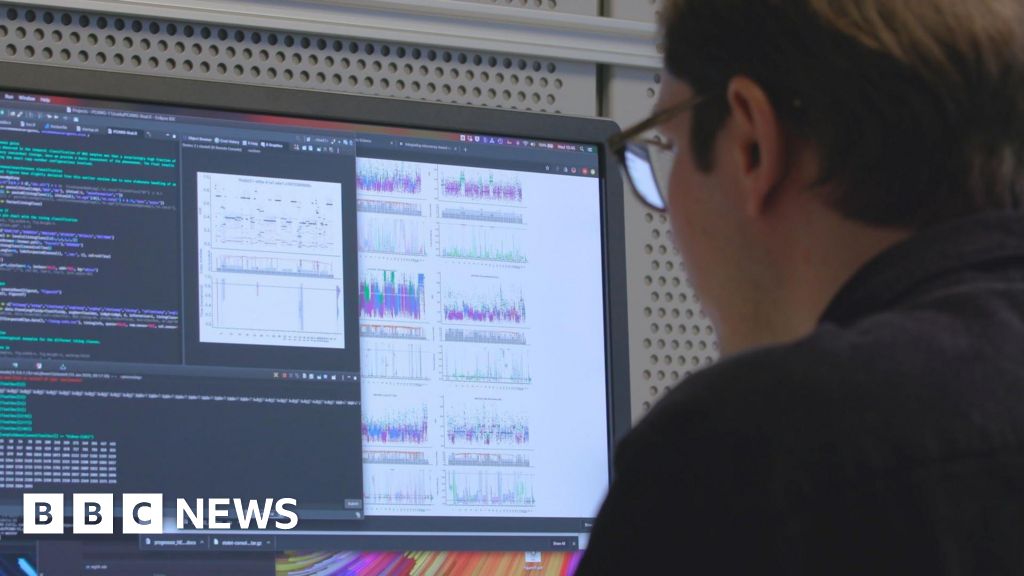
This kind of machine learning has the potential to be a powerful new tool for helping clinical geneticists more accurately screen for inherited diseases and can greatly improve on test results that are often murky or uncertain, according to a study of the AI models published in the journal Science.
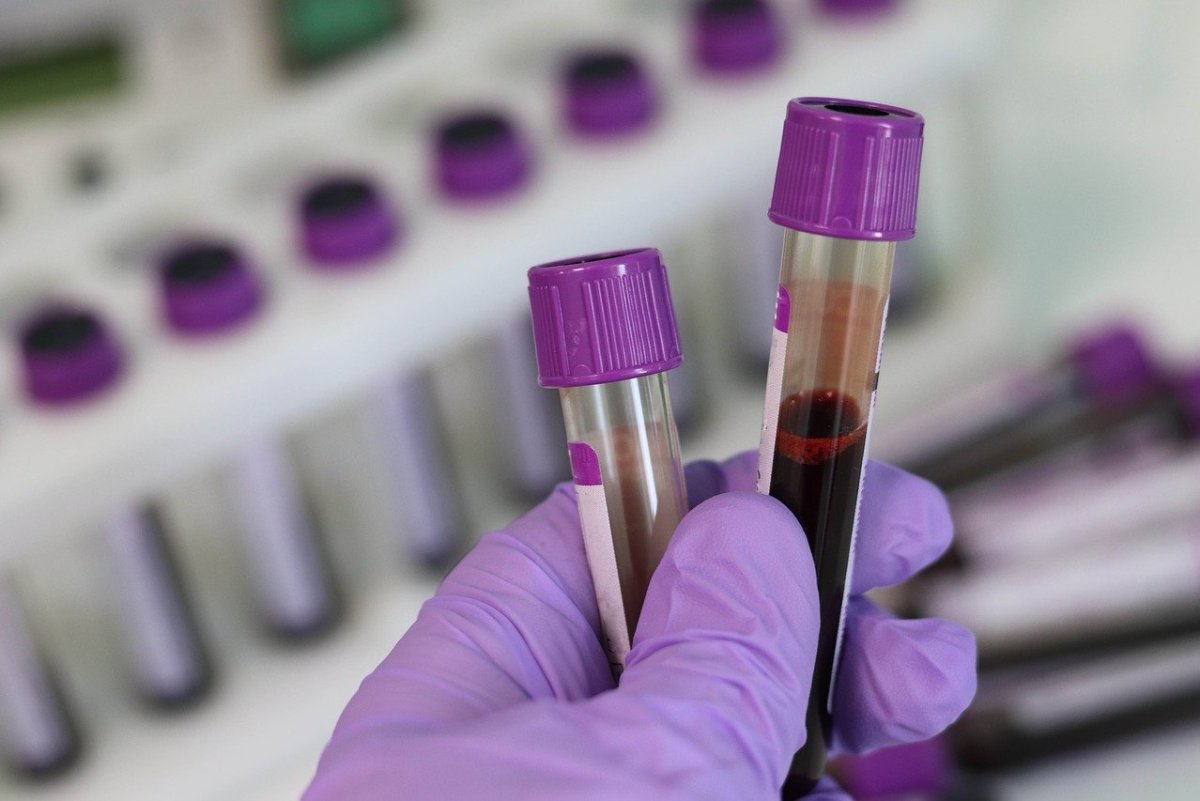
Tapping more than 1.3 million electronic health records generated by routine lab tests, researchers at the Icahn School of Medicine at Mount Sinai in New York used their models to focus on 1,648 rare variants in 31 genes corresponding to 10 "autosomal dominant" diseases, meaning diseases in which risk can be inherited with only one copy of a mutated gene from one parent.
A machine learning, or ML, model was constructed for each of 10 diseases: arrhythmogenic right ventricular cardiomyopathy, familial breast cancer, familial hypercholesterolemia, hypertrophic cardiomyopathy, adult hypophosphatasia, long QT syndrome, Lynch syndrome, monogenic diabetes, polycystic kidney disease and von Willebrand disease.