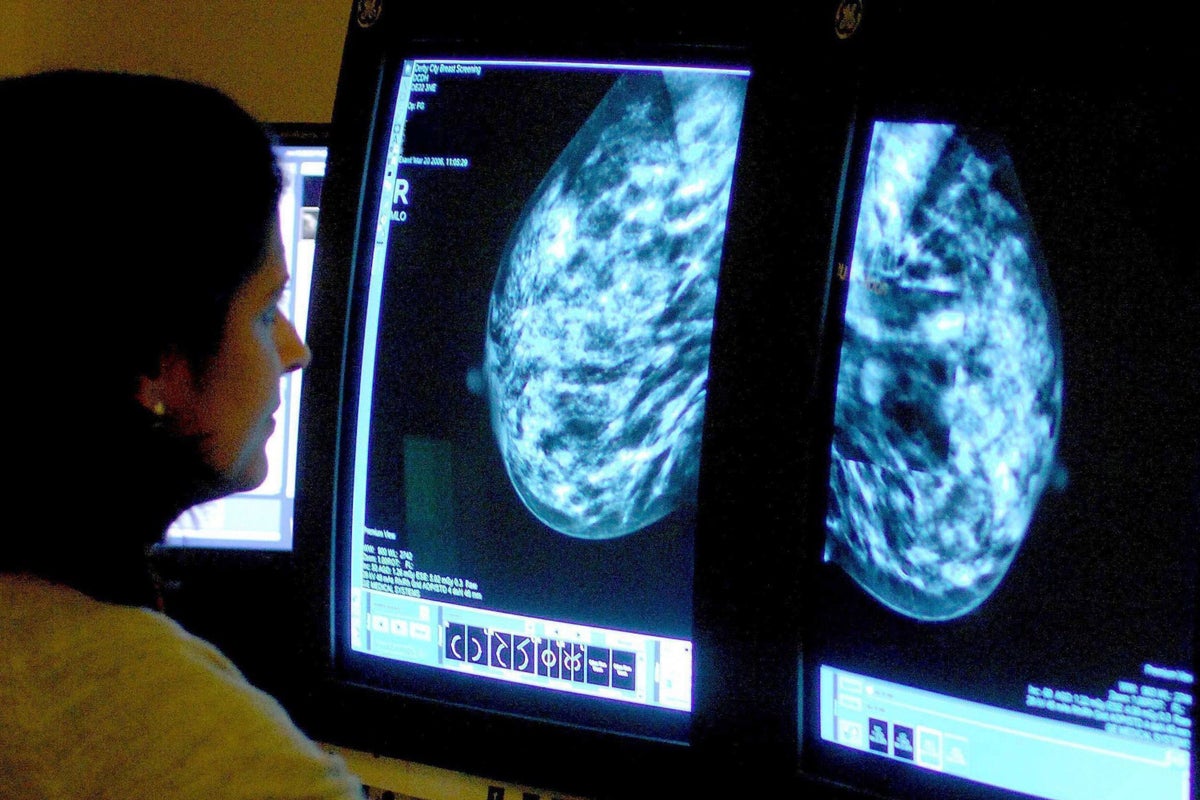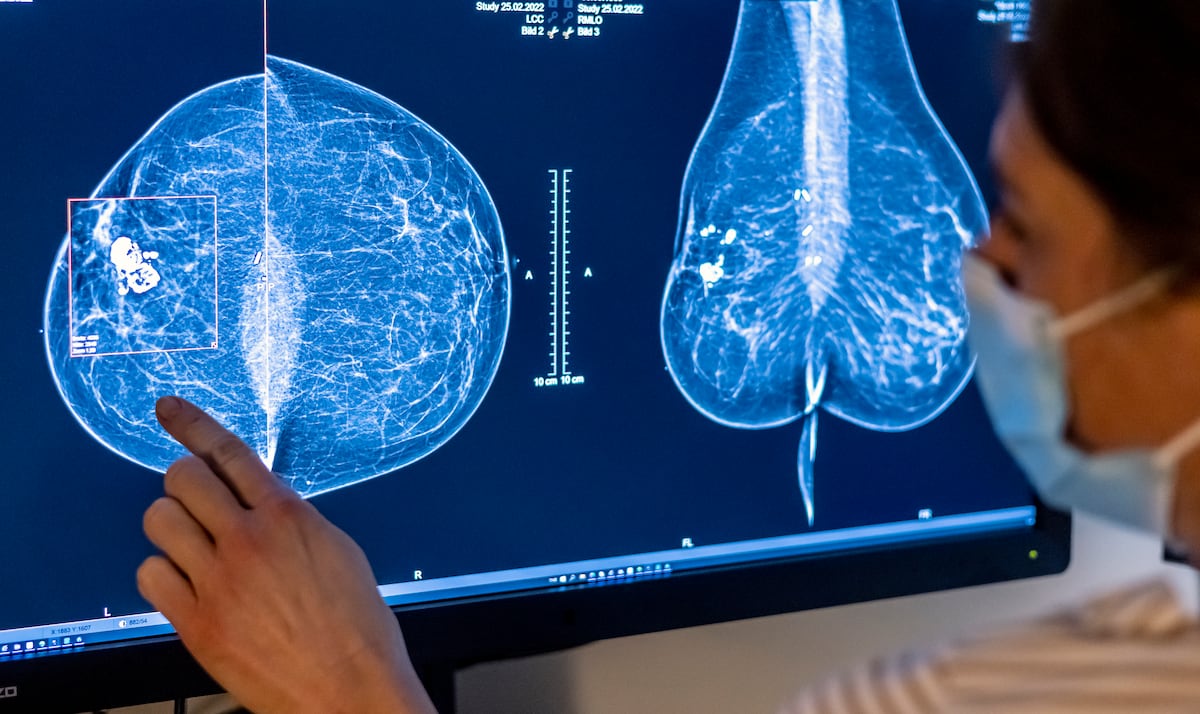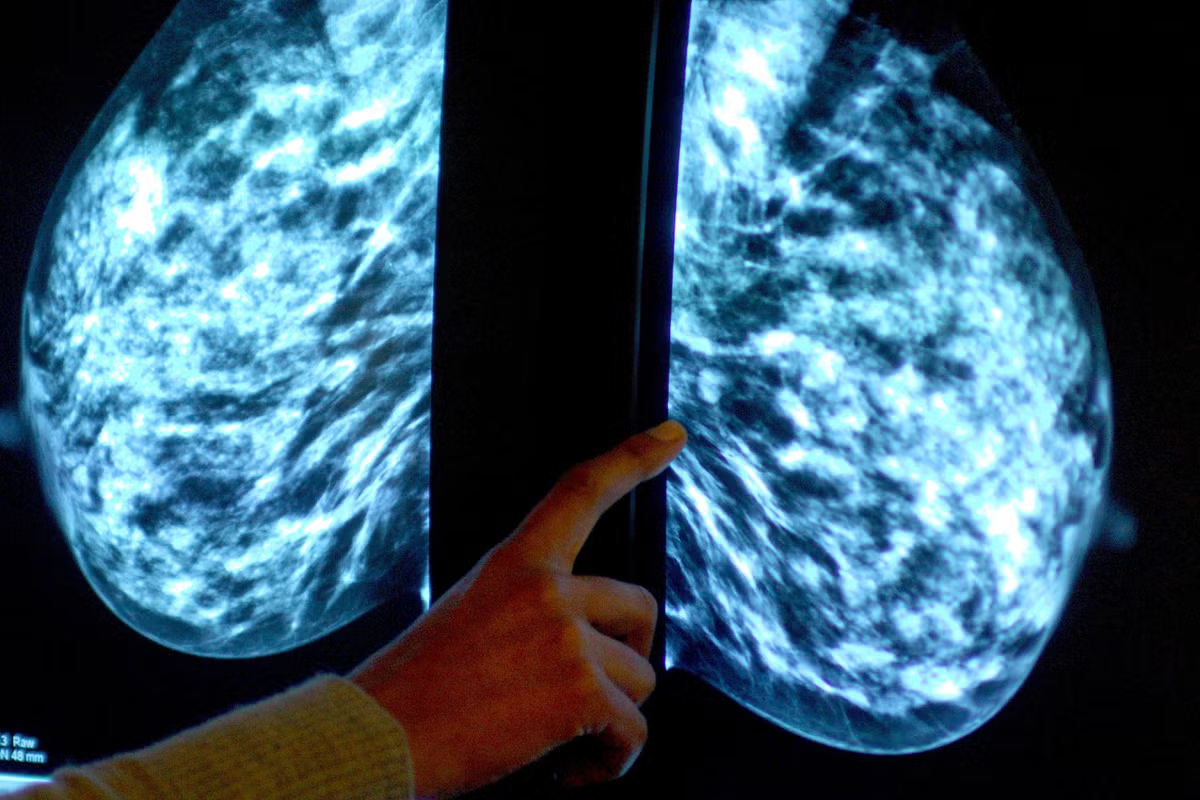
Swedish study of 100,000 women found higher rate of early detection, suggesting potential to support radiologists
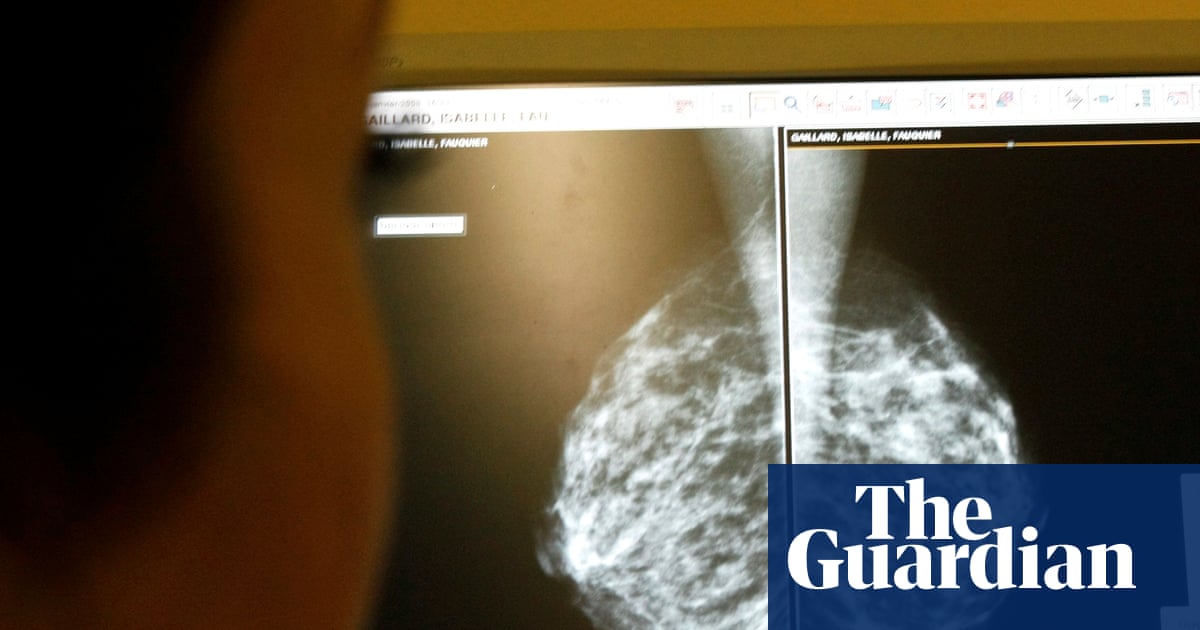
The use of artificial intelligence in breast cancer screening reduces the rate of a cancer diagnosis by 12% in subsequent years and leads to a higher rate of early detection, according to the first trial of its kind.
Researchers said the study was the largest to date looking at AI use in cancer screening. It involved 100,000 women in Sweden who were part of mammography screening and were randomly assigned to either AI-supported screening or to a standard reading by two radiologists between April 2021 and December 2022.
The AI system worked by analysing the mammograms and assigning low-risk cases to a single reading and high-risk cases to a double one by radiologists, as well as highlighting suspicious findings to support radiologists.
Mammography screening supported by AI reduced cancer diagnoses in the years after a breast screening appointment by 12%, according to the research, published in The Lancet. There were 1.55 cancers per 1,000 women in the AI-supported group compared with 1.76 cancers per 1,000 women in the control group.