T
he blossoms of life and health sciences have withered under recent political decisions. Rolling back on low-emission zones ignores the 40,000 annual deaths attributed to air quality, according to Santé publique France (the French public health agency). Reversing the "Zero Net Land Artificialization" law (with the Trace law passed in June) disregards the yearly loss of agricultural land – enough to feed a city like Le Havre (western France) – and sets the stage for flooding, as impermeable surfaces fail to absorb extreme rainfall.
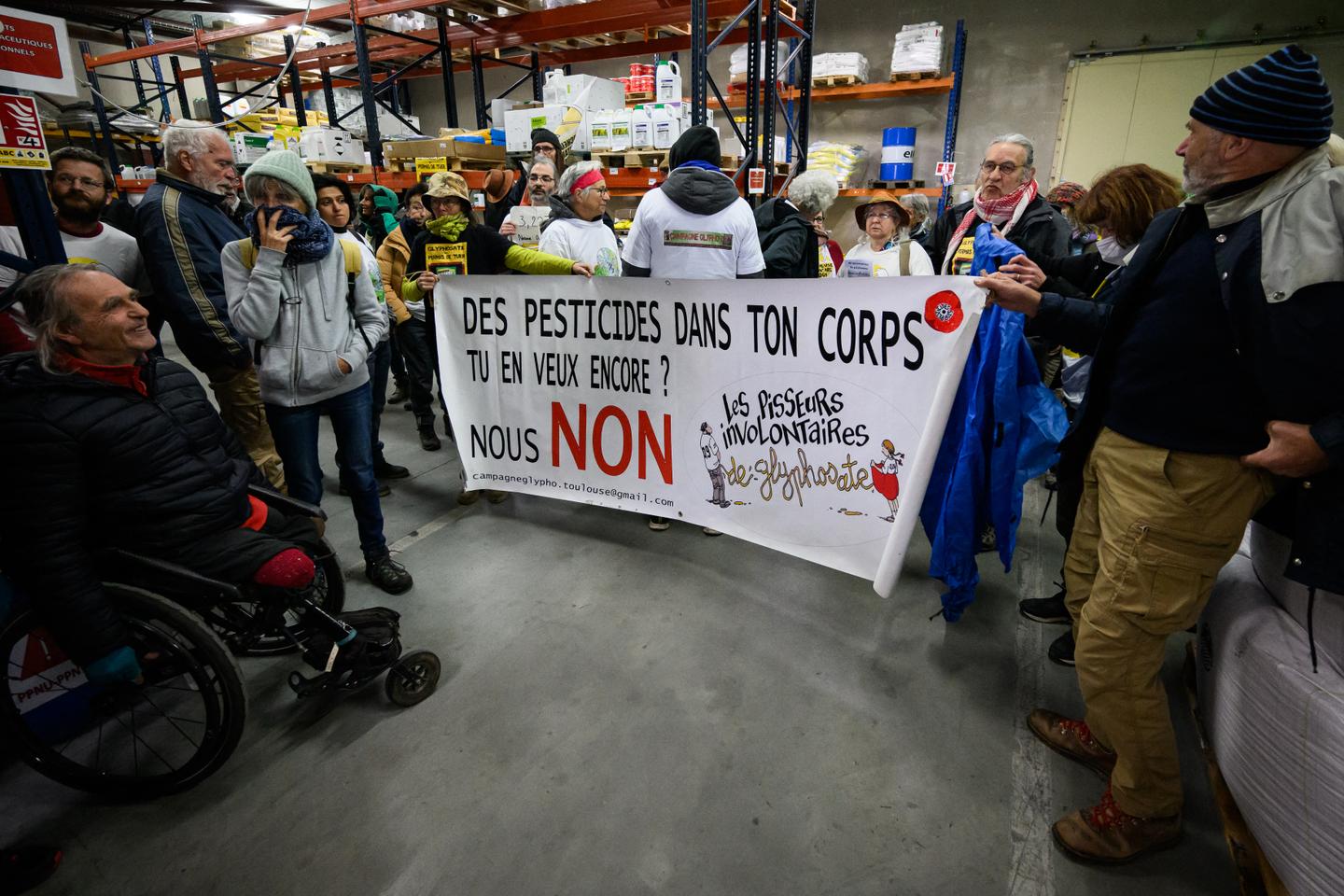
The Duplomb law maintains the use of pesticides if no alternative exists, even as farmers suffer from their toxicity. According to the Agrican study, compared to the general population, farmers face 54% more plasmacytic lymphomas, 20% more myelomas and 13% more cases of Parkinson's disease at age 55. A July decree now requires the Agence nationale de sécurité sanitaire (the French food, environmental and occupational health & safety agency) to give priority to the agriculture ministry's requests regarding pesticide authorizations.
It is certainly difficult to limit car traffic, pesticide use or land artificialization linked to local development, but what is expected from policymakers is support in implementing these measures.