Sharks could struggle to feed themselves efficiently in future, affecting marine ecosystem stability, researchers say
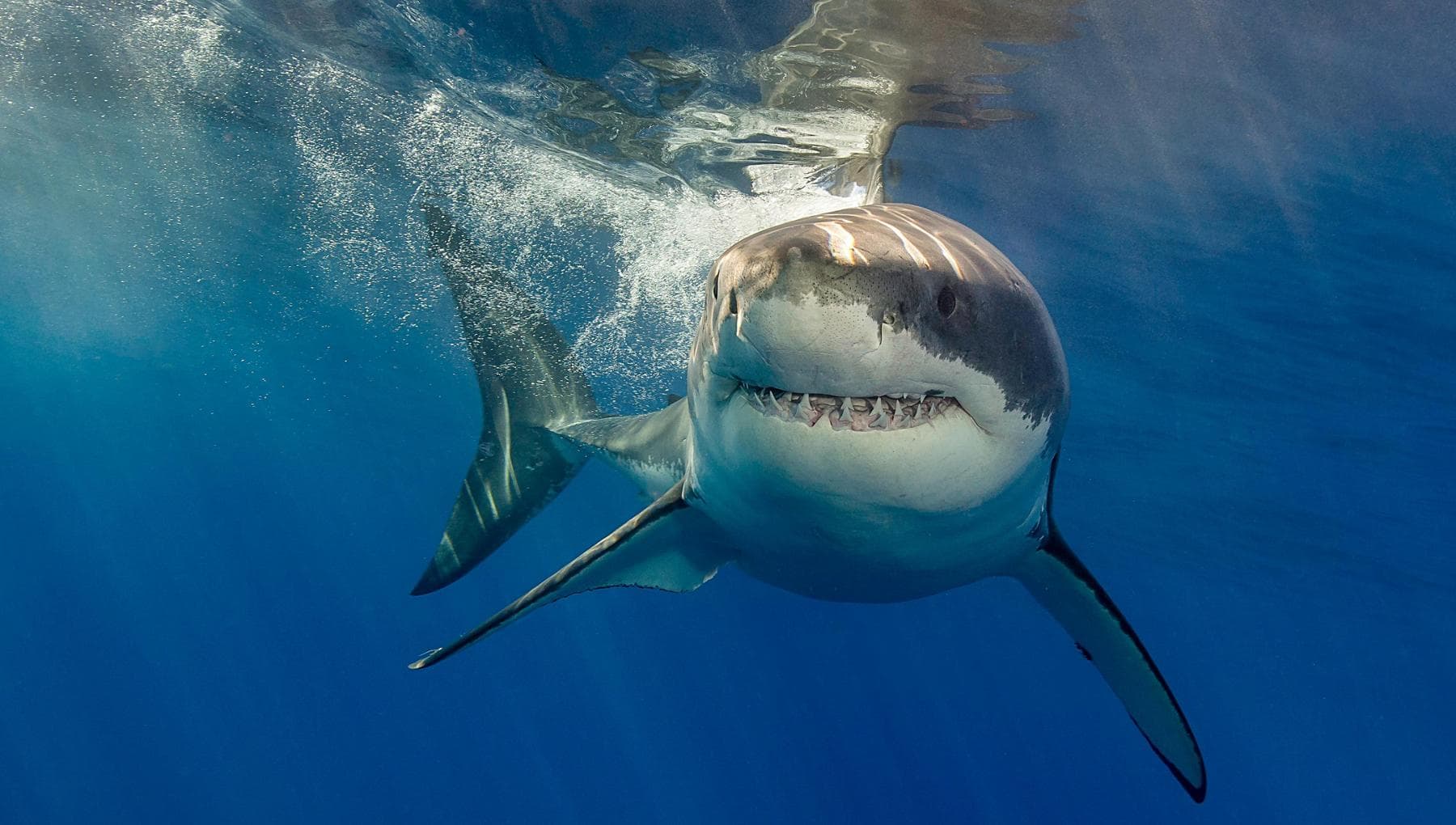
Sharks without teeth might sound like the stuff of dreams to swimmers and surfers. Now a new study has found that ocean acidification could leave the apex predators without their critical survival weapon.
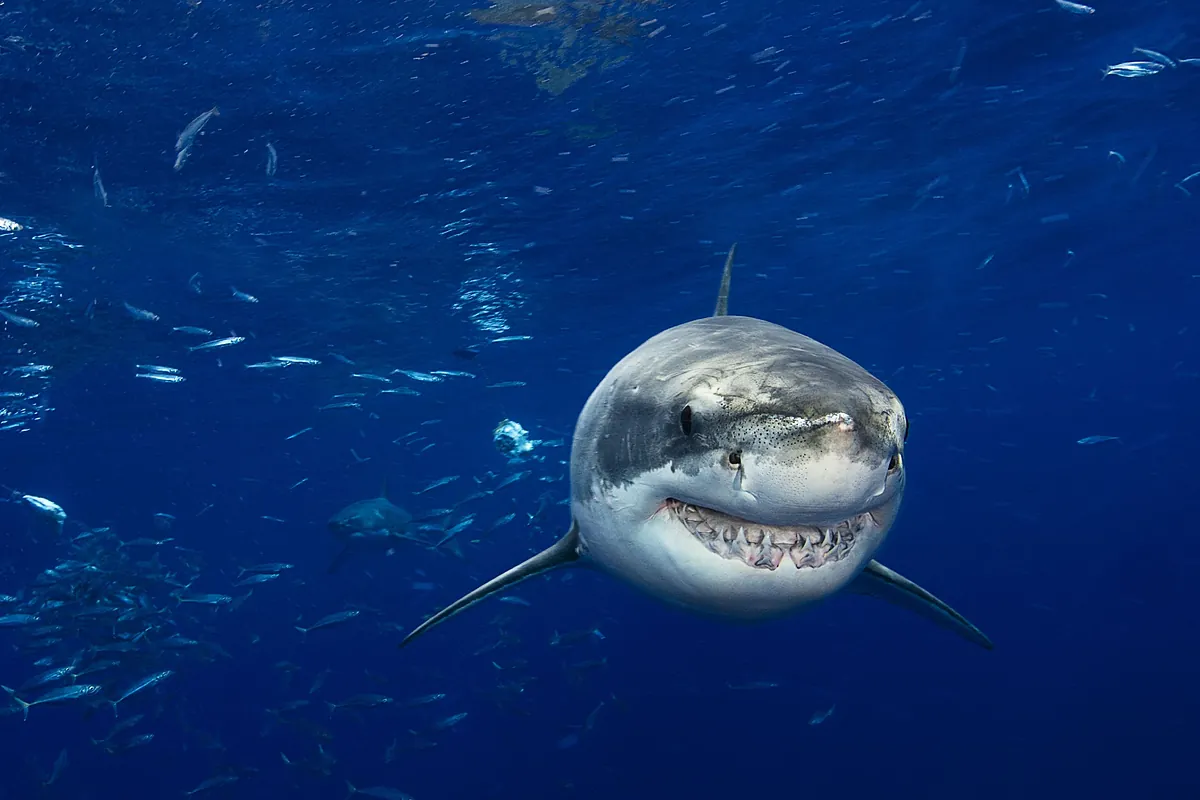
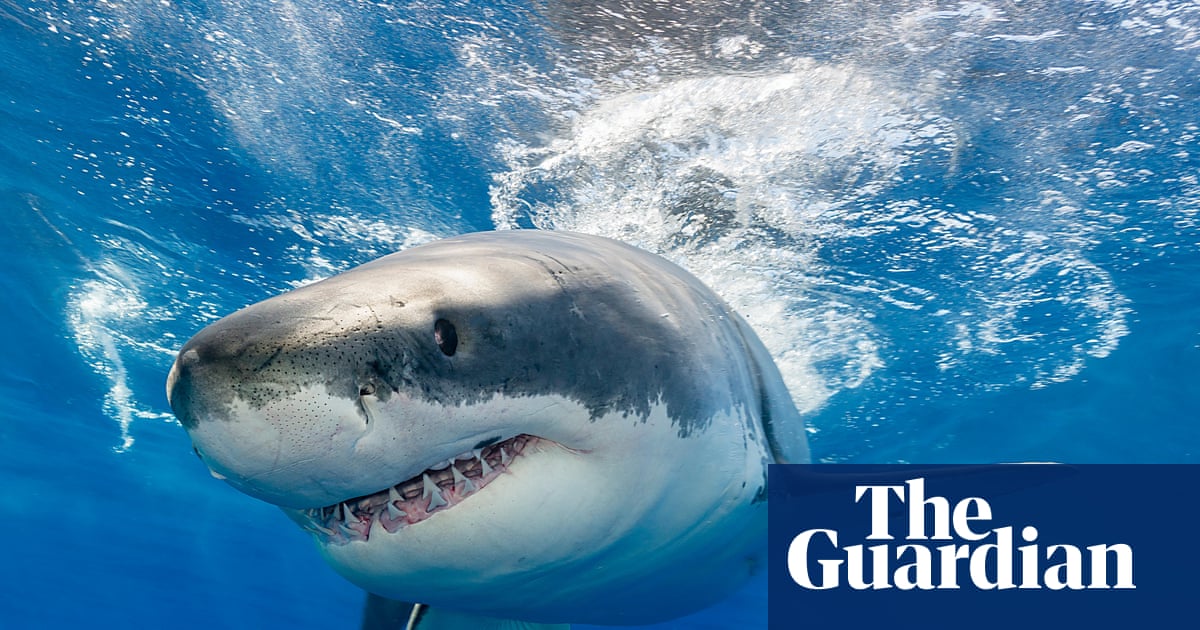
Shark jaws carry several rows of teeth and new ones quickly push forward to replace losses. However, rapidly acidifying oceans are damaging shark teeth and could speed losses past replacement rates. Sharks with bad teeth could struggle to feed themselves efficiently, “potentially affecting shark populations and marine ecosystem stability”, the study said.
Ocean acidification is caused by rapid carbon dioxide absorption creating a chain reaction that lowers pH levels. Projections suggest oceans could be far more acidic by the year 2300, falling from a current average pH of about 8.1 to 7.3, a change that will have “profound implications for marine organisms”, the study said.
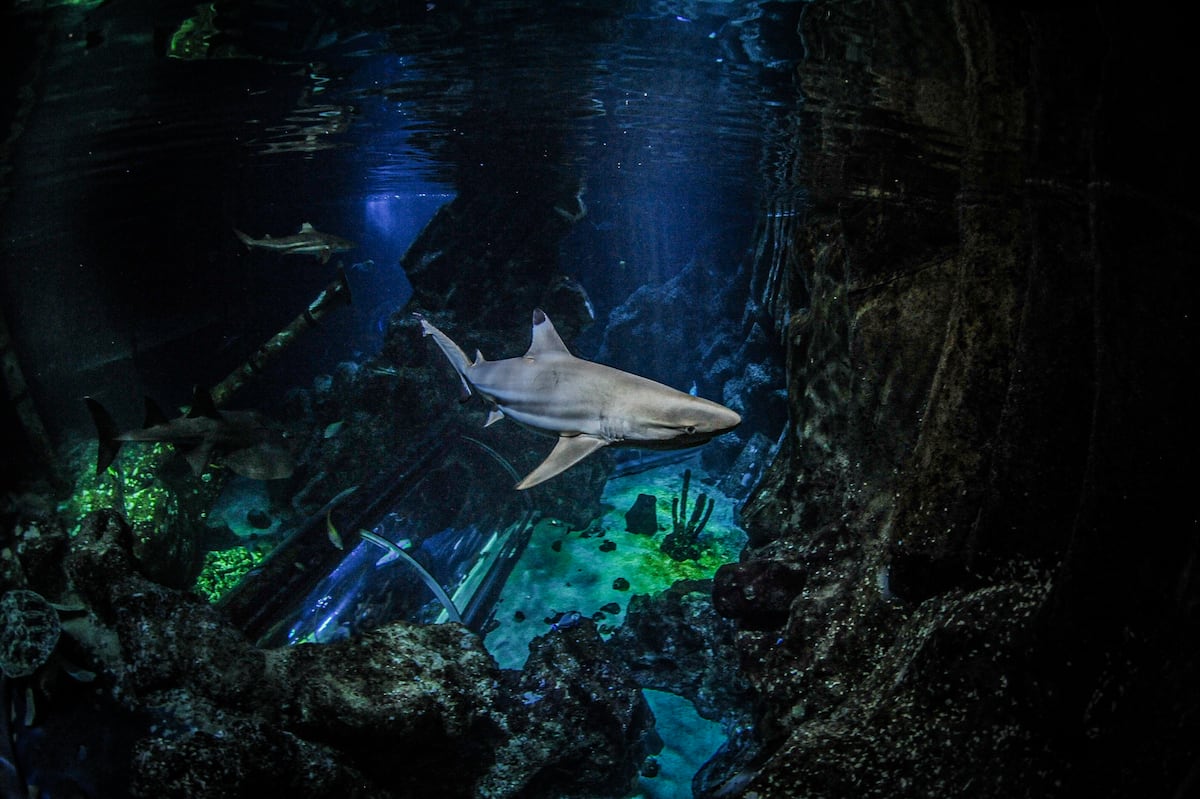
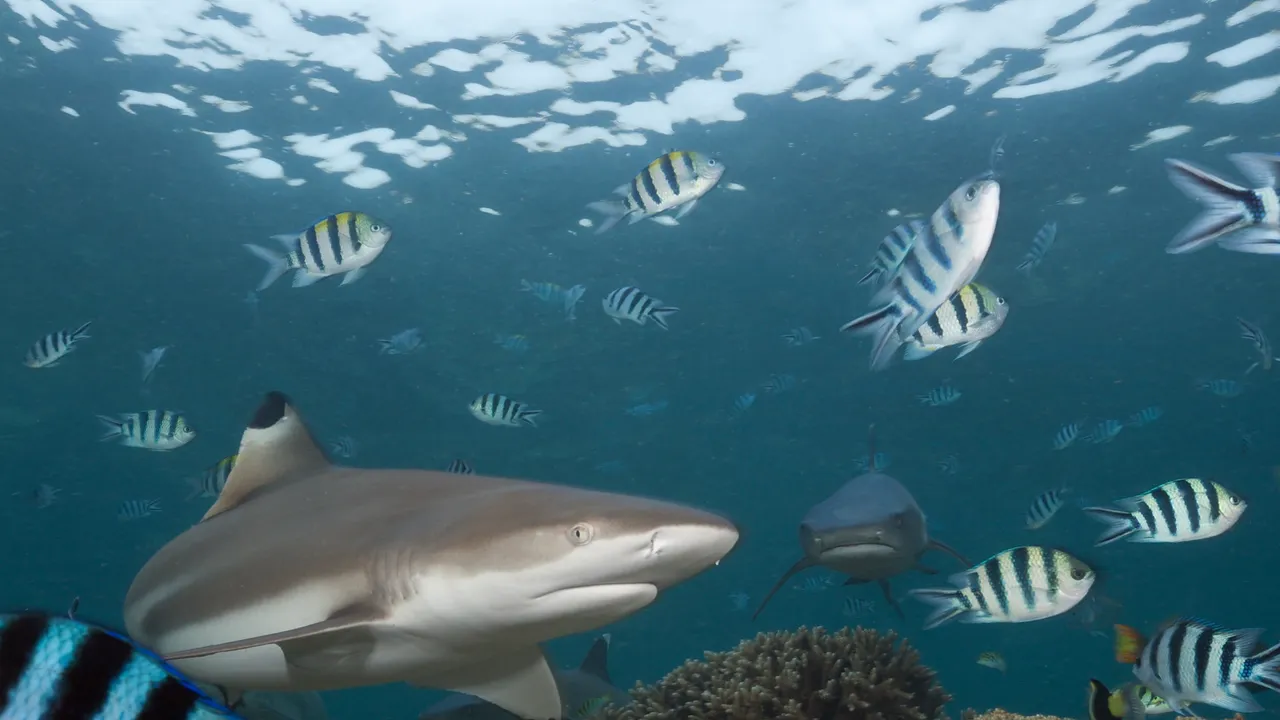
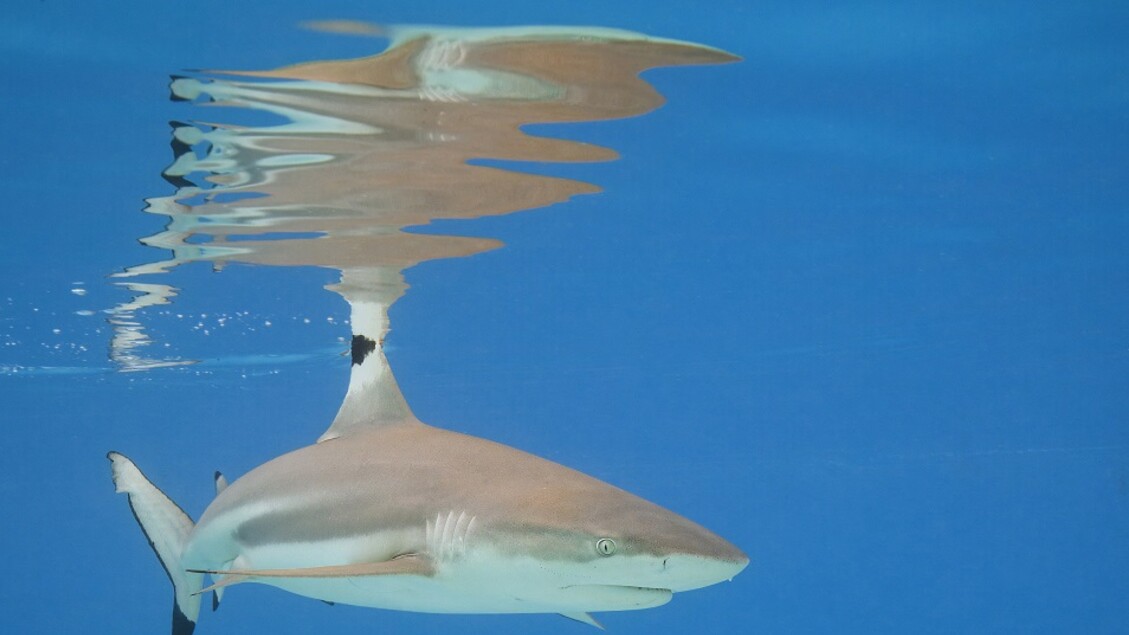
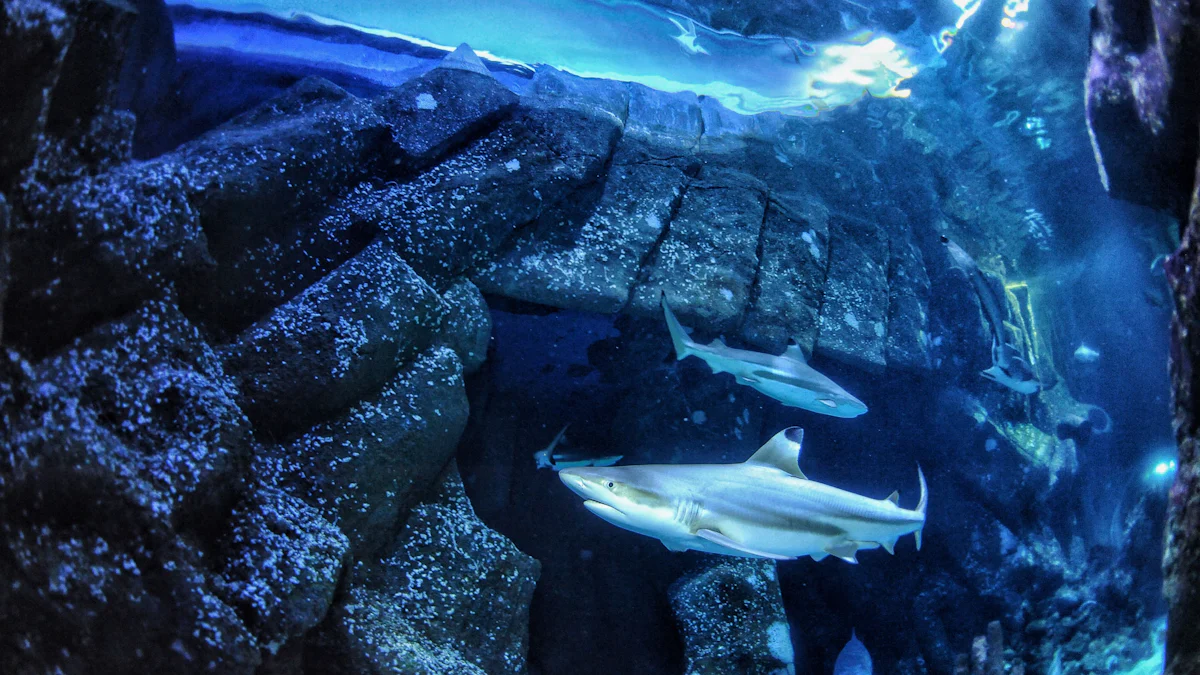
To test acidification effects, researchers kept 60 freshly fallen shark teeth in artificial seawater tanks, one matching the current ocean average pH of 8.1, another with the projected 7.3 pH. The teeth, safely collected from a German aquarium, had already been naturally discarded by six male and four female blacktip reef sharks.