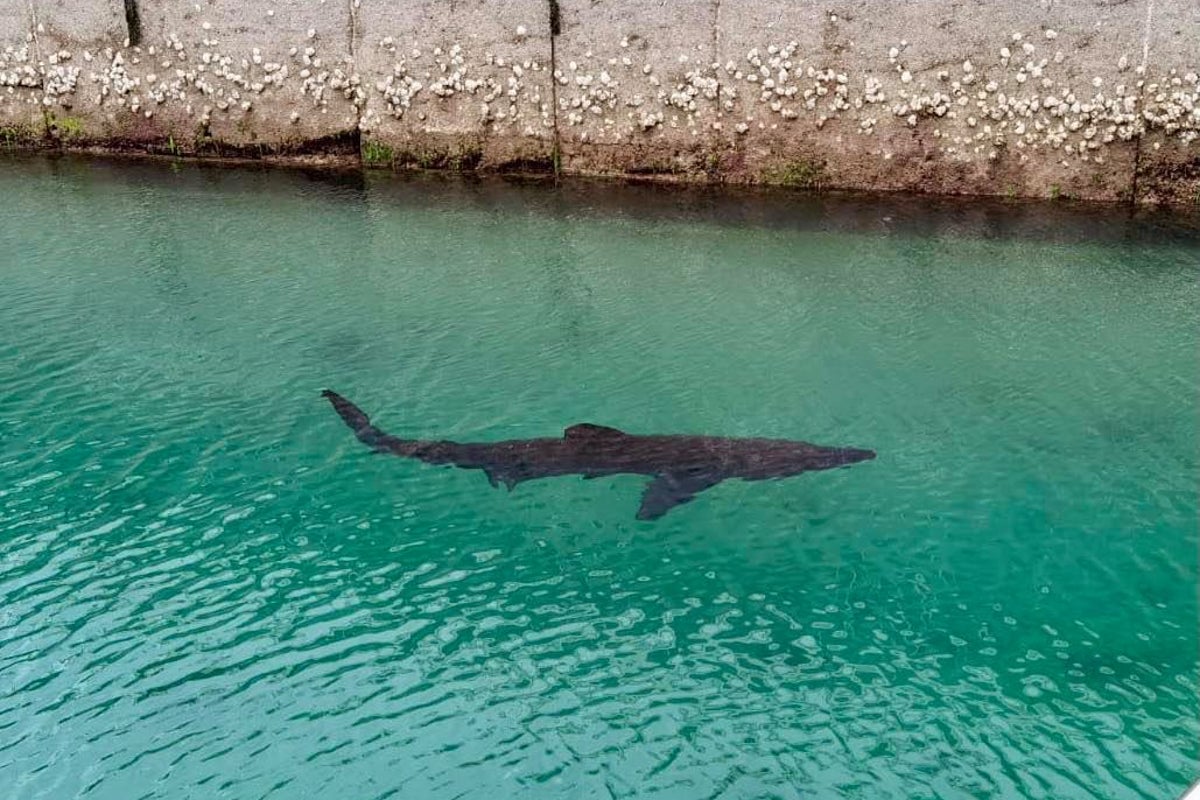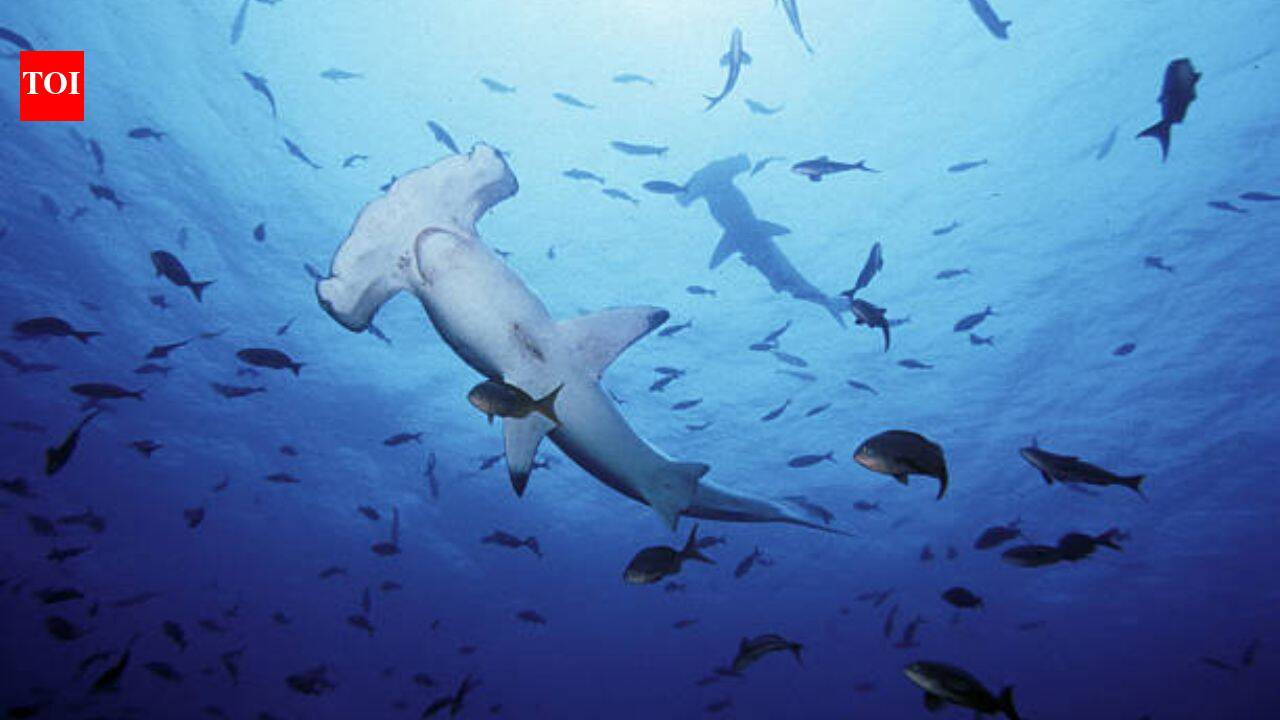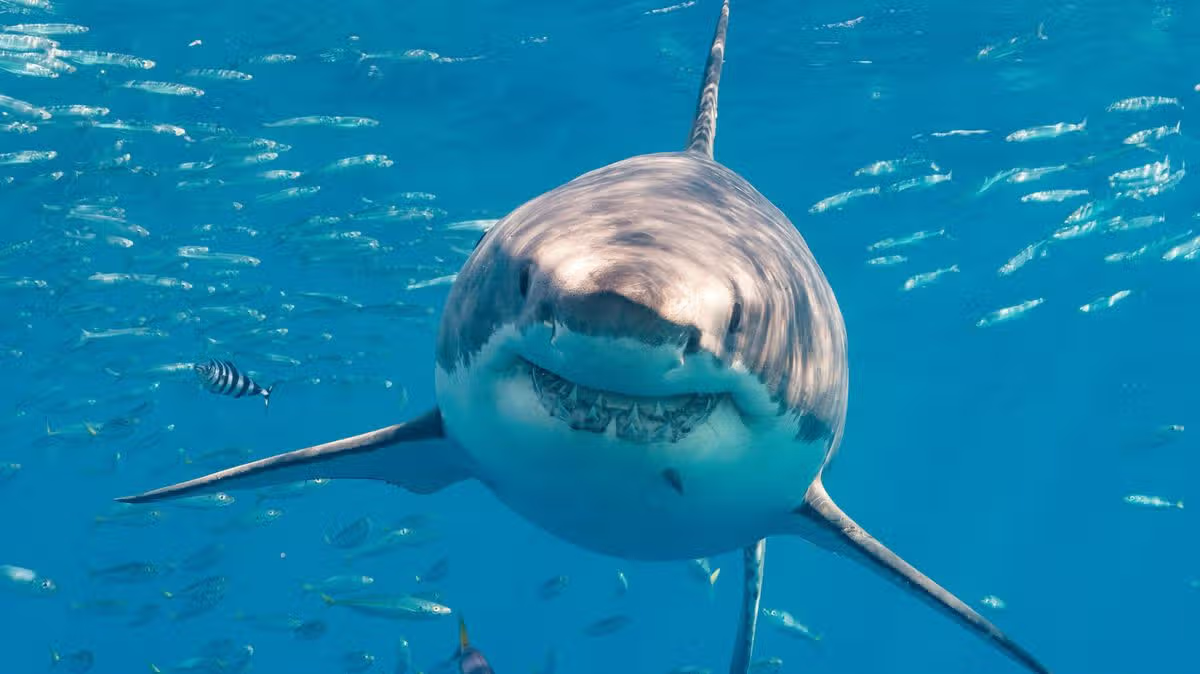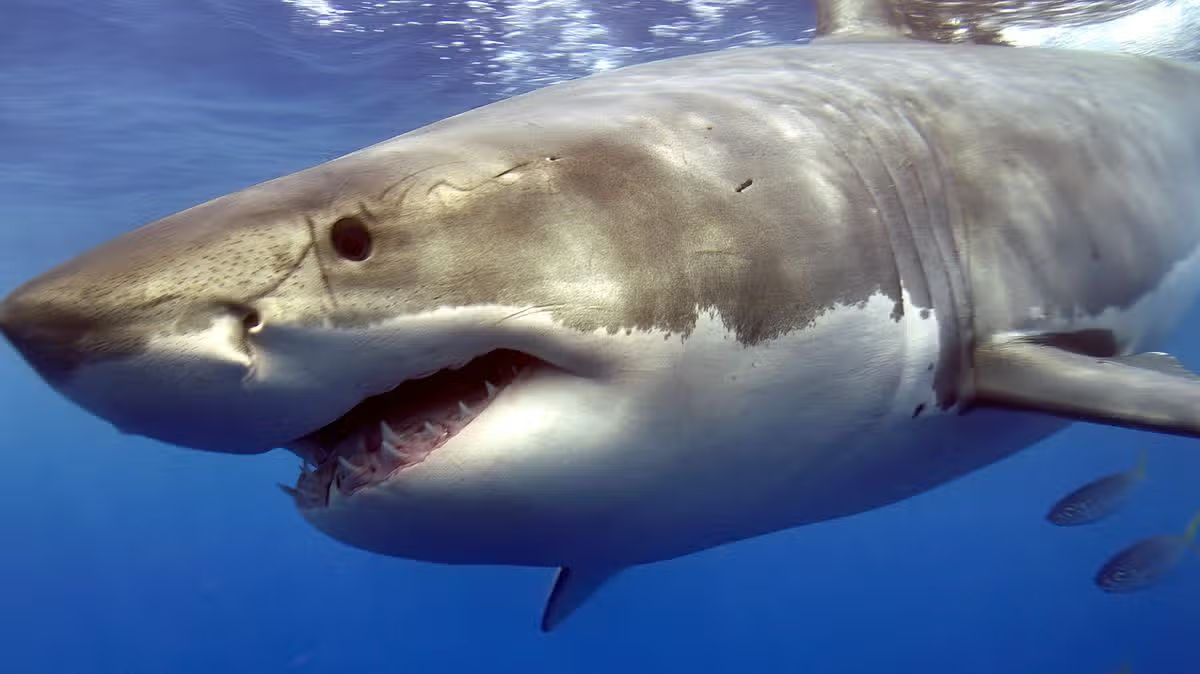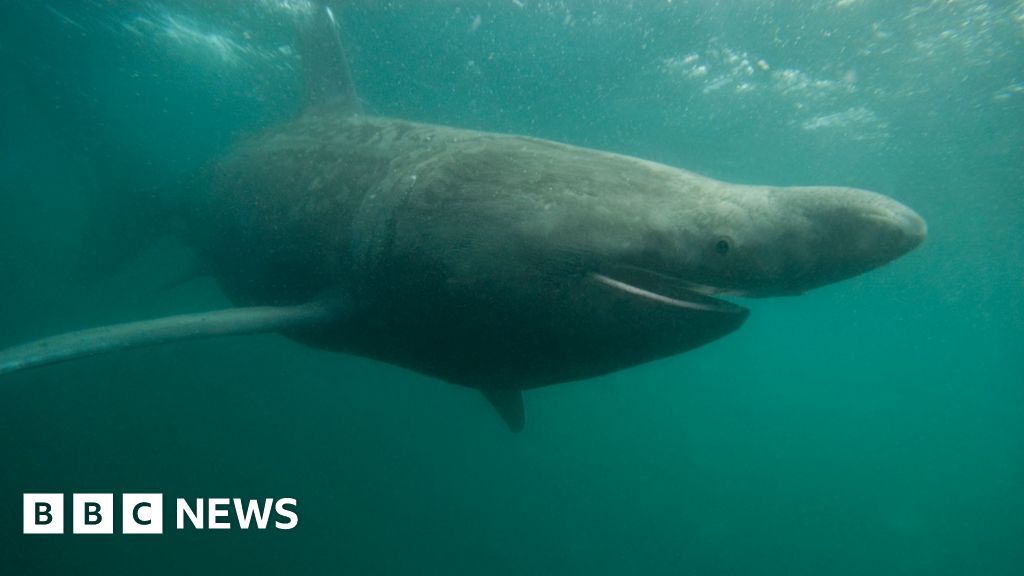
The UK could see a boom in endangered sharks, rays and native oysters as species move habitats to respond to rising ocean temperatures, according to scientists.
But some, including a clam that is the world's longest living animal, could struggle to adapt.
Researchers at the Centre for Environment, Fisheries and Aquaculture Science mapped for the first time how 19 threatened marine species will respond to climate change in UK seas.
Many creatures could find new homes in parts of the North Sea predicted to become biodiversity hotspots in the next 50 years, although the disruption from climate change could also have negative knock-on effects on the marine ecosystem.
In May an intense heatwave warmed UK waters up to 4 degrees warmer than usual.