F
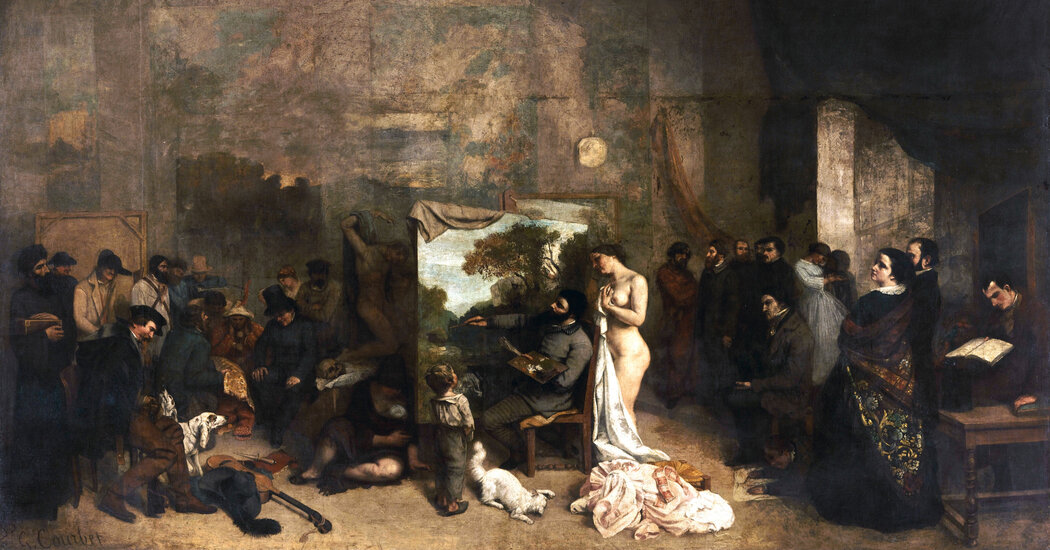
rom the lonely garret of the as-yet-undiscovered painter to the teeming, state-of-the-art space of the megastar conceptual artist, stepping into an artist’s studio can feel like entering the artist’s mind. The paint-splattered floors, unfinished canvases and arranged mementos serve as clues to their artistic process. It’s a theory that the National Gallery of Ireland is testing this autumn in its new exhibition, Picasso: From the Studio (October 9, 2025 to February 22, 2026), that explores the key locations that defined the iconic artist’s life and art.
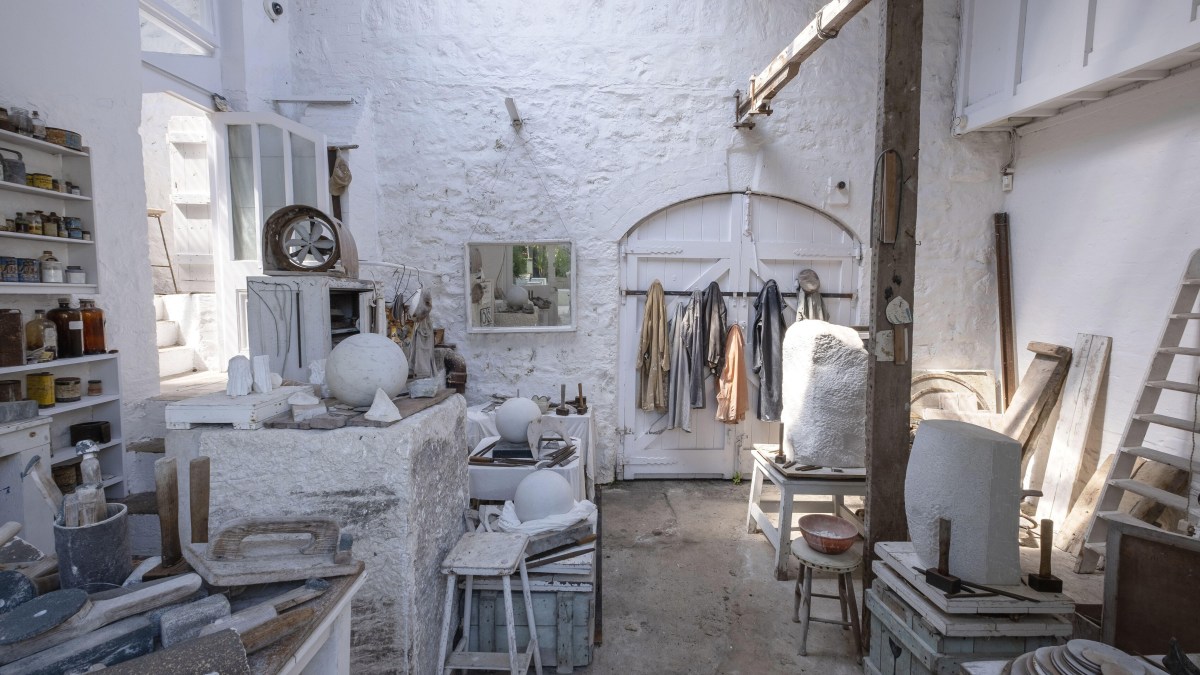
If that gets you in the mood for more, many artists’ studios have been preserved or reconstructed and can be visited — offering new perspectives on the artist’s work. An artist’s studio bridges the gap between the visitor and the creator, the artwork and the audience. It can be a time capsule, yes, but also a creative capsule — preserving the artist’s environment, but also the habits, philosophies and even obsessions that defined his or her practice and output.
Francis Bacon’s meticulously reconstructed studio at Hugh Lane Gallery, Dublin
Francis Bacon at his studio in London in 1975