Since 1892, a workshop in Brussels has taught aspiring painters the technique of trompe d’oeil. It’s brutal work, the artists say – so why do people travel from all around the world to master it?
O
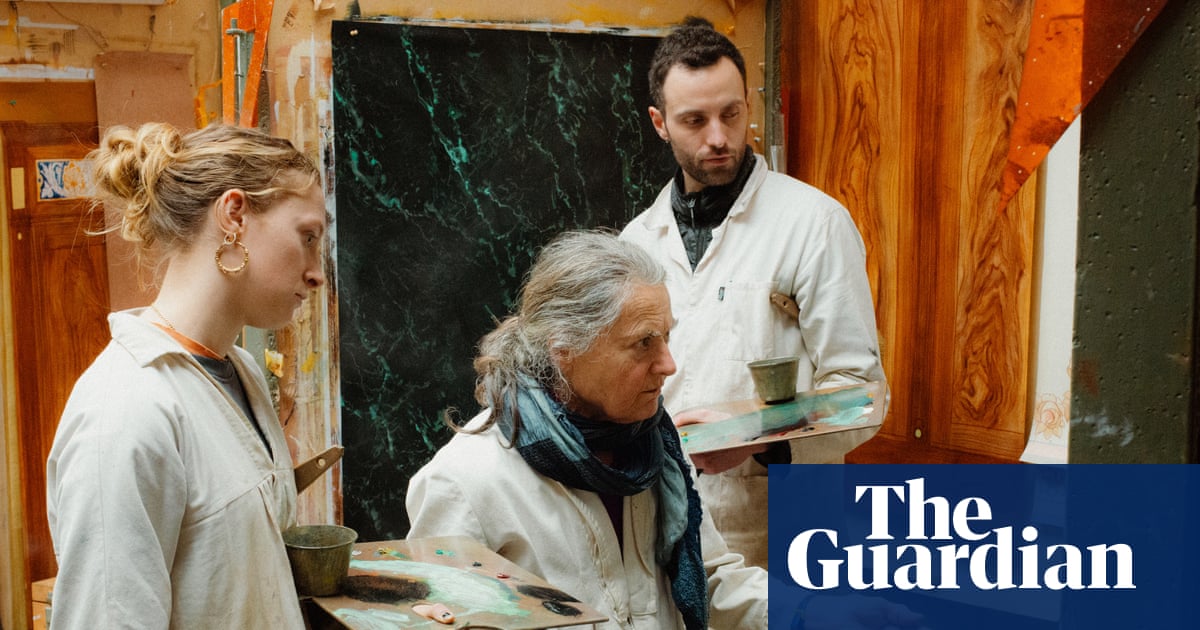
ne morning last February, in a chilly studio in Brussels, 28 people in white coats gathered to watch Sylvie Van der Kelen paint the sky. “The first touch of the brush is generally the best,” said Van der Kelen as light, pink-tinged clouds began to appear. “It is preferable not to make revisions.”
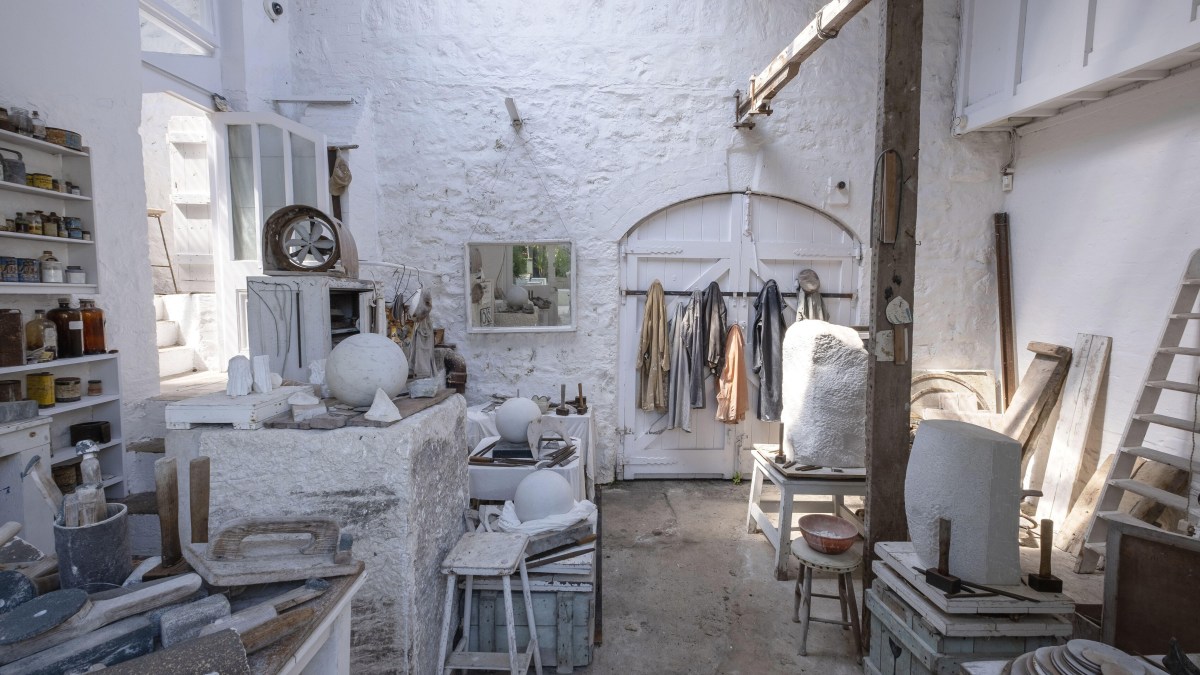
For a few days this winter I was allowed to sit in on classes at the École Van der Kelen-Logelain, a mythologised painting school in Brussels that is unlike any other arts education institution in the world. Run by the same family since it was founded in 1892, the Van der Kelen course takes place every winter underneath its glass and wrought iron roof, extending out of the back of a gothic brick townhouse.
Students must arrive by 9am, otherwise they will be shut out until lunchtime; they must not bring phones or cameras into the school’s workspace; they must wear white lab coats while they work; and they must work in silence. They also must be able to stand the cold: the studio is ineffectually heated by an ancient single wood-fired stove nicknamed “la mama”, an ancient metal contraption that gently ticks over by the entrance.