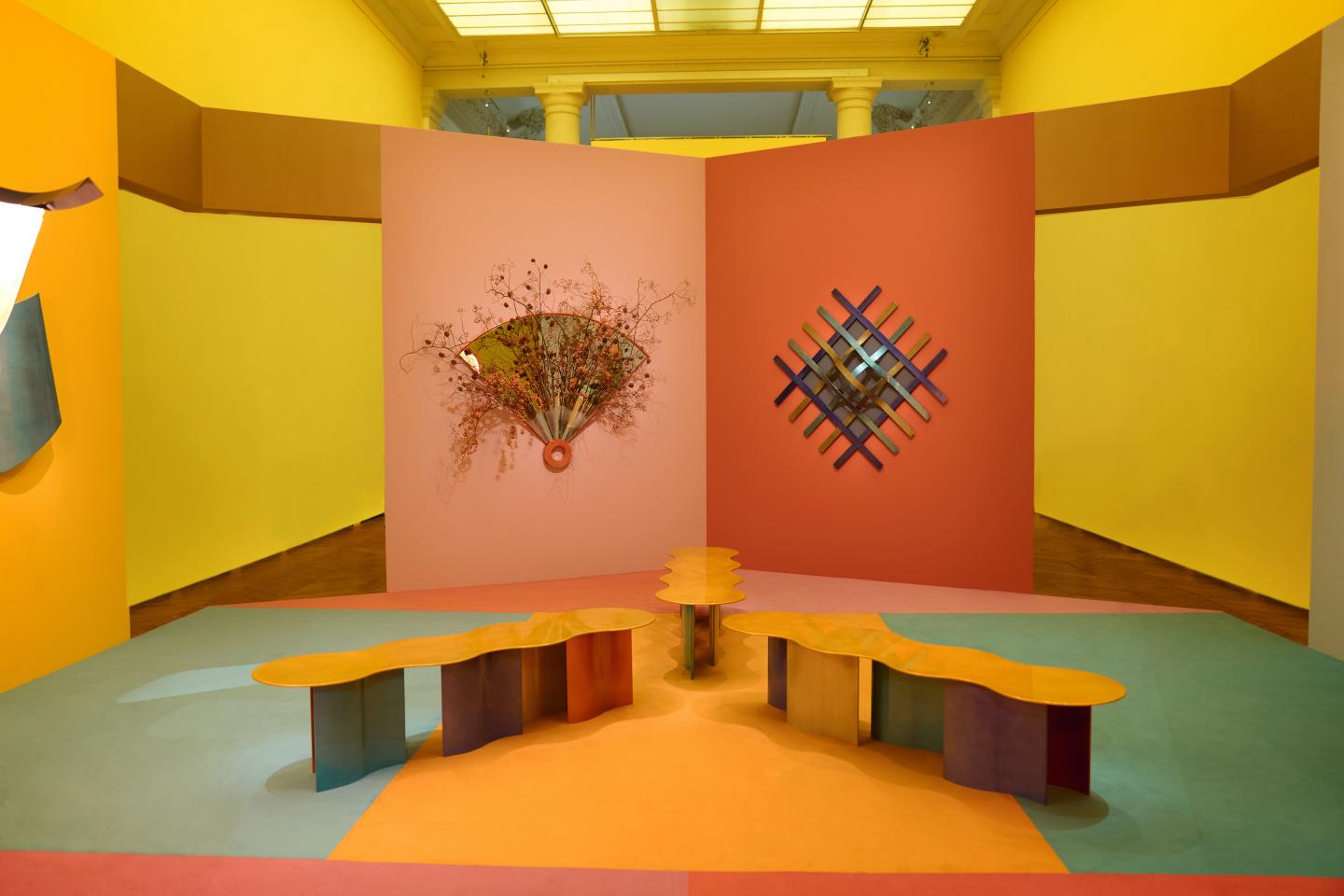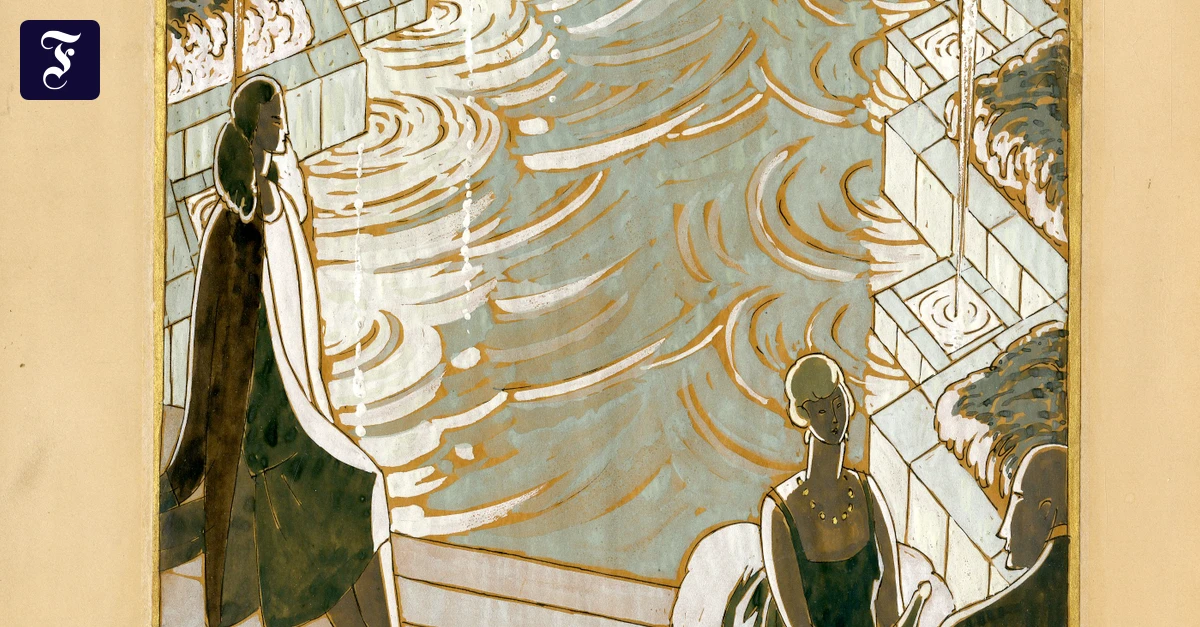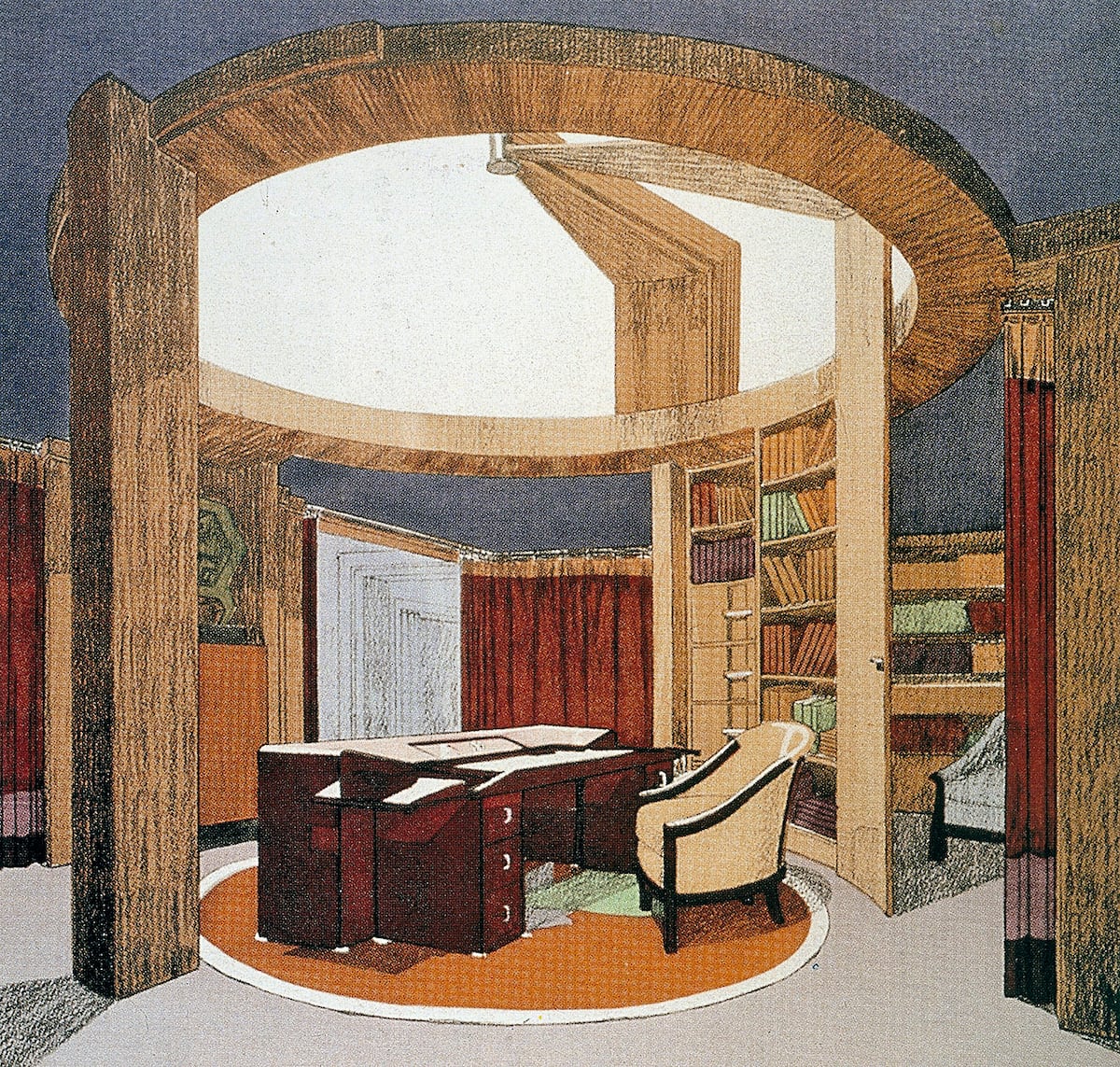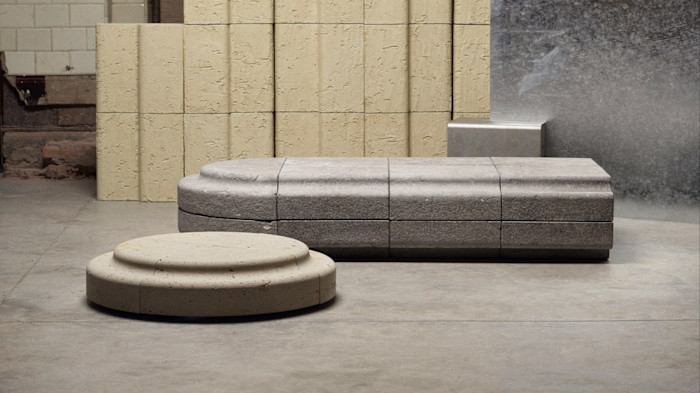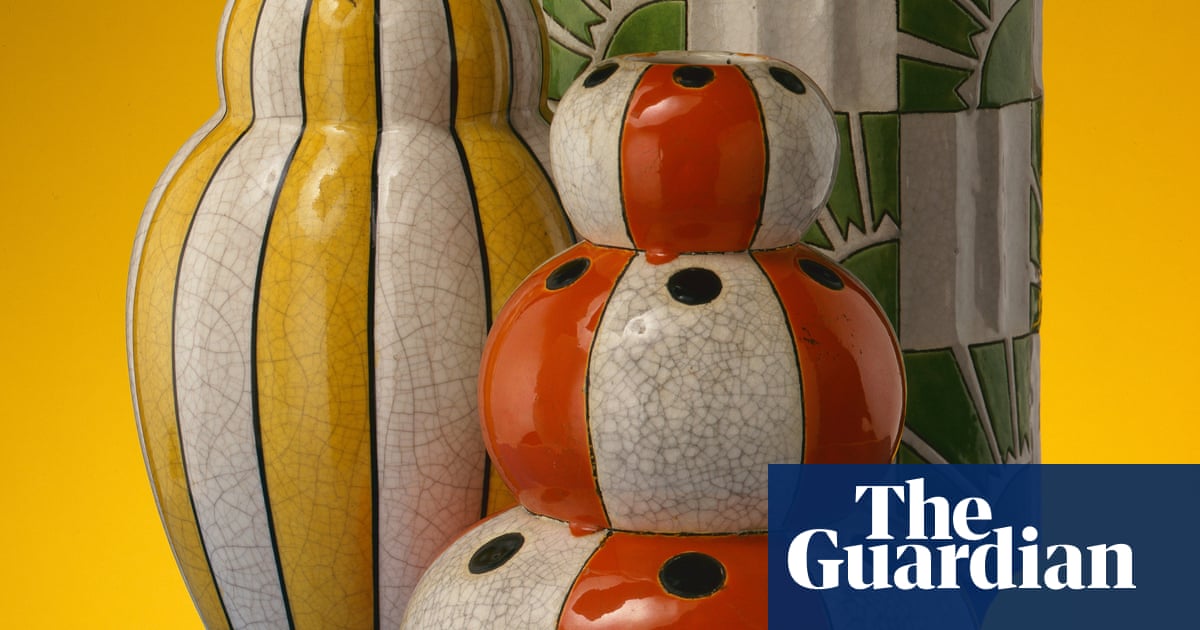
An exhibition in the Belgian capital shows the artistic style was first to seek to appeal to a wider group of consumers
T
he glazed porcelain vases with bold colours and geometric shapes of the 1920s and 30s are immediately recognisable to many people, says the art historian Cécile Dubois. Often given as a wedding present, these vases were usually passed down as family heirlooms, revealing the accessibility of art deco works, she says, gesturing to the glass cabinet beside her. “If you were a collector, you could find works that cost a fortune, but these pieces were destined for people of more modest means for very reasonable prices.”
Art deco was the first artistic movement that sought to appeal to a wider public beyond the elites, say the organisers of a new exhibition dedicated to the artistic movement of the interwar years, co-curated by Dubois, the president of the Brussels Art Deco Society.
The exhibition, which opened this month at the BELvue museum in Brussels, brings together for the first time works owned by the King Baudouin Foundation, which was founded through a donation from the late Belgian monarch in 1976. It is part of the Belgian capital’s year-long celebration of art deco – events and exhibitions to recognise and market Brussels as a centre for the artistic movement known for its geometric designs, exotic motifs and opulent materials.