From a Van Gogh self-portrait to Gauguin’s dreamscapes, new studies show that seeing original art can calm stress and boost health
I
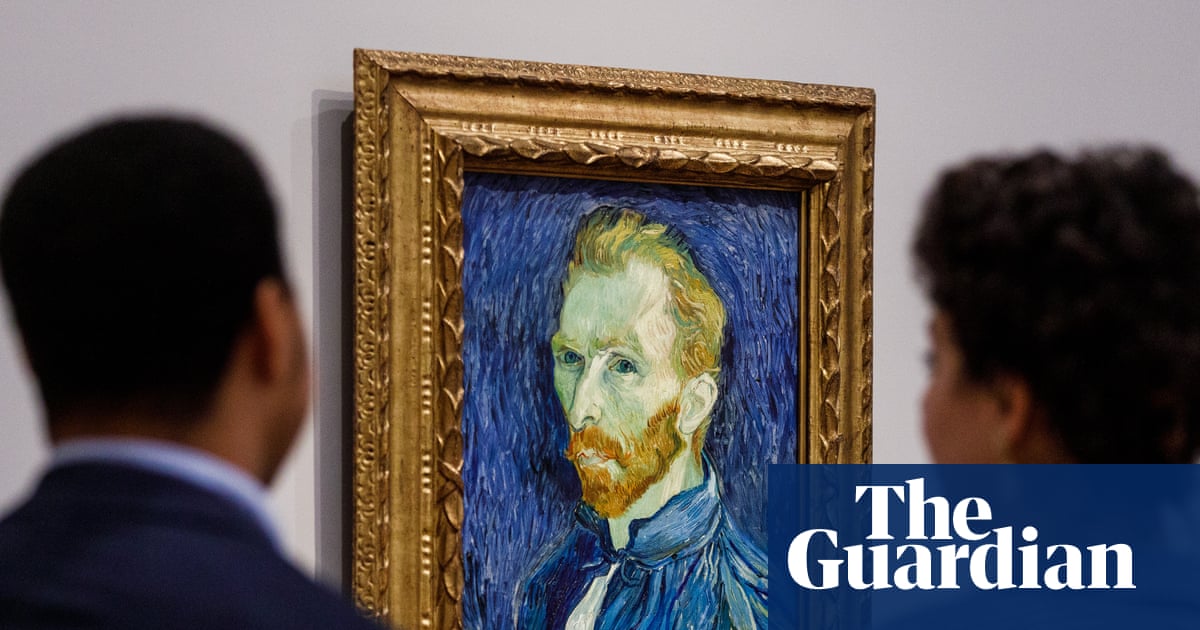
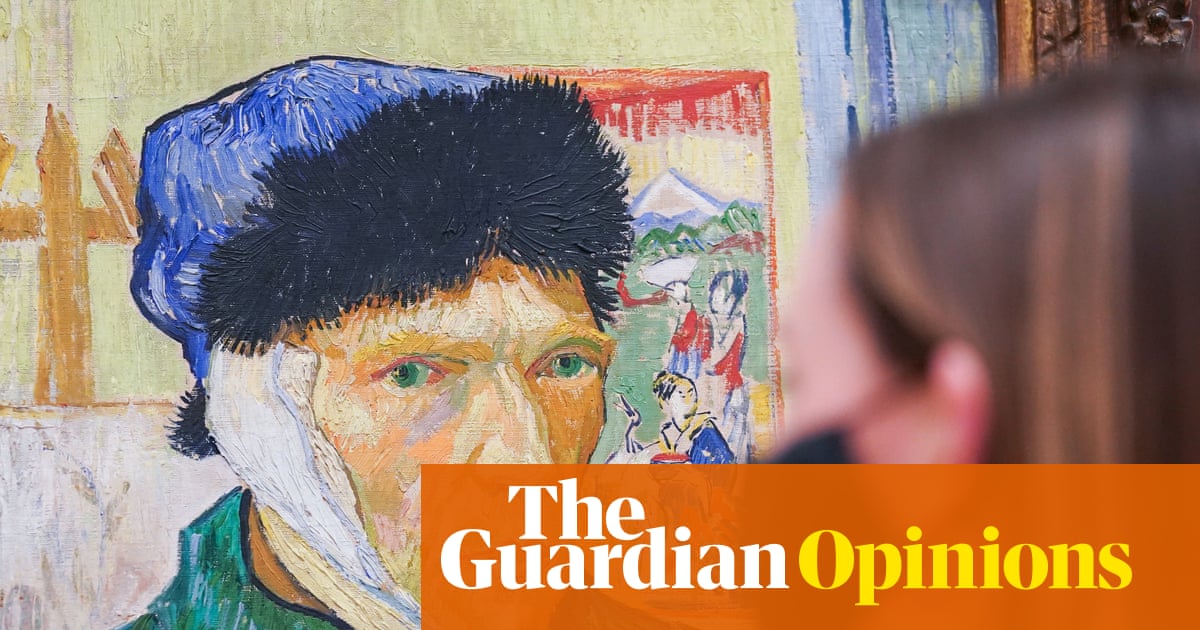
n an era characterised by burnout and doomscrolling, a therapeutic alternative is hanging on a gallery wall. When volunteers at London’s Courtauld Gallery stood before Van Gogh’s Self-Portrait With Bandaged Ear, Manet’s Bar at the Folies-Bergère, and Gauguin’s Te Rerioa, their stress and inflammation levels dropped compared with those of volunteers viewing reproductions. Science suggests that original art is a medicine that one can view rather than swallow.
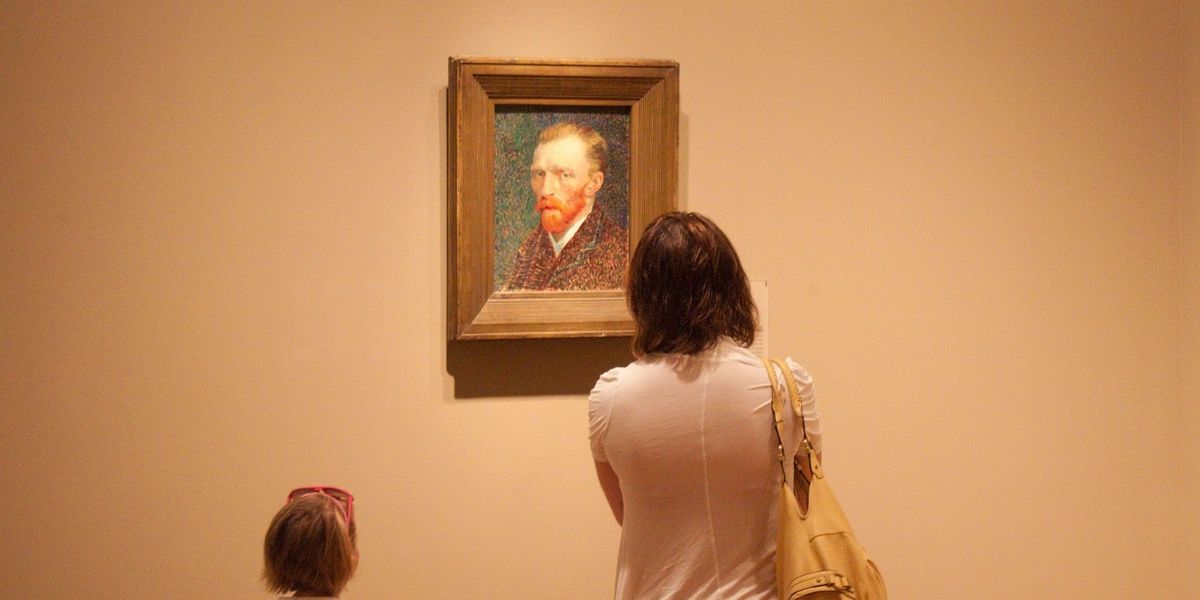
That art can lift spirits is well known. But that it calms the body is novel. A study by King’s College London asked participants to look at masterworks by 19th-century post-impressionists – Van Gogh, Toulouse-Lautrec, Manet and Gauguin – while strapped to sensors. Half the group saw the originals in the gallery, half viewed copies in a lab. The results were clear: going to art galleries is good for you – relieving stress and cutting heart disease risk, as well as boosting the immune system.
There’s growing evidence to support that opinion. Earlier this summer, a team of Cambridge psychologists conducted a similar project at Kettle’s Yard Gallery to show how appreciating artistic beauty helps us escape the “mental trappings of daily life”. These experiments follow research published last year by the Department for Culture, Media and Sport, to quantify the improvements to physical and mental health from taking part in creative activities, as well as the economic gain – estimated to be an average of £1,000 per person a year, as a result of improved work productivity and fewer trips to the GP. Nature Magazine’s review of the current science suggests that art can play a role in public health, especially in the prevention of chronic diseases. And for the first time in its 202-year history, The Lancet recently ran a photo essay showcasing how art can enhance lives.