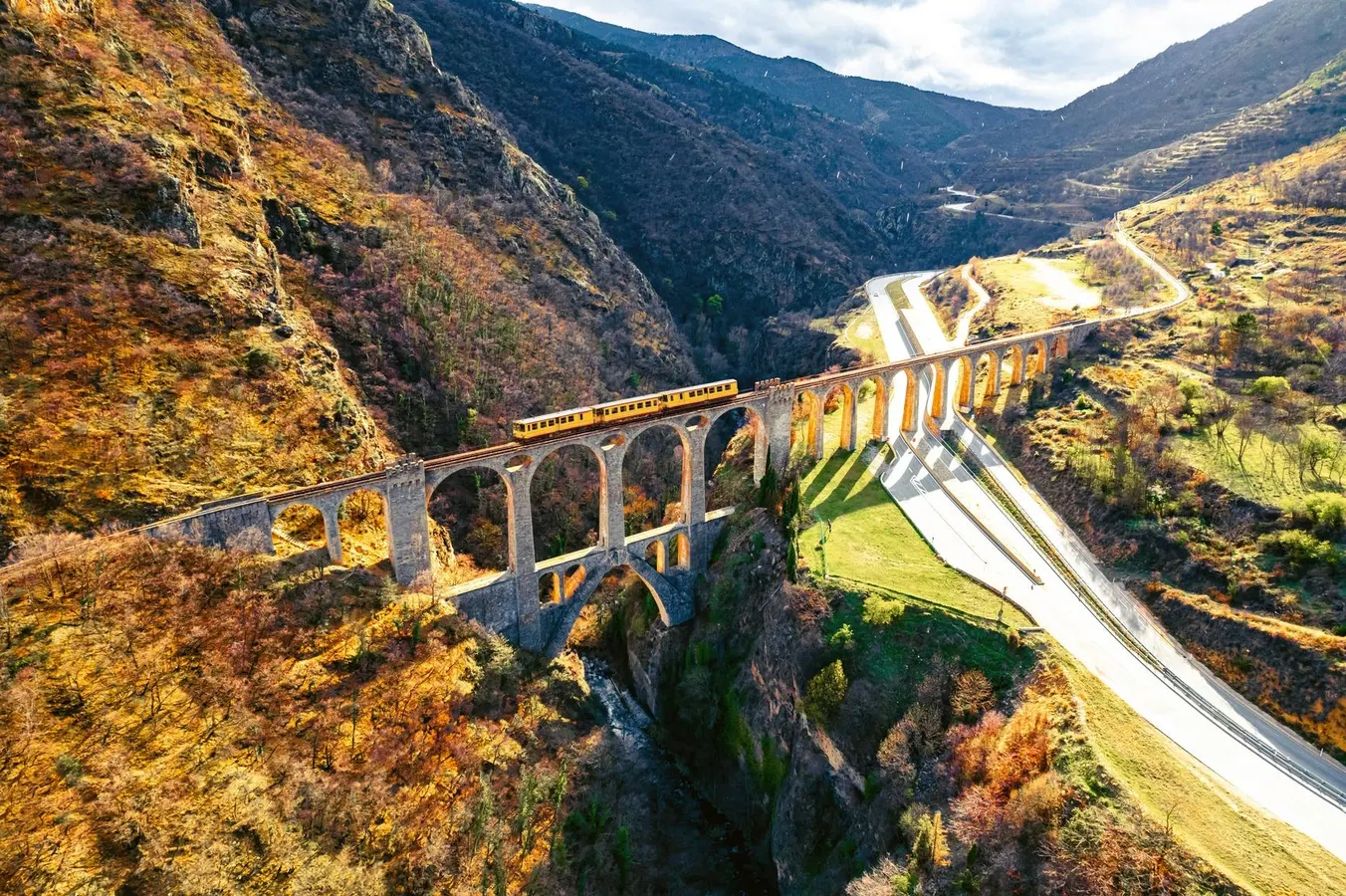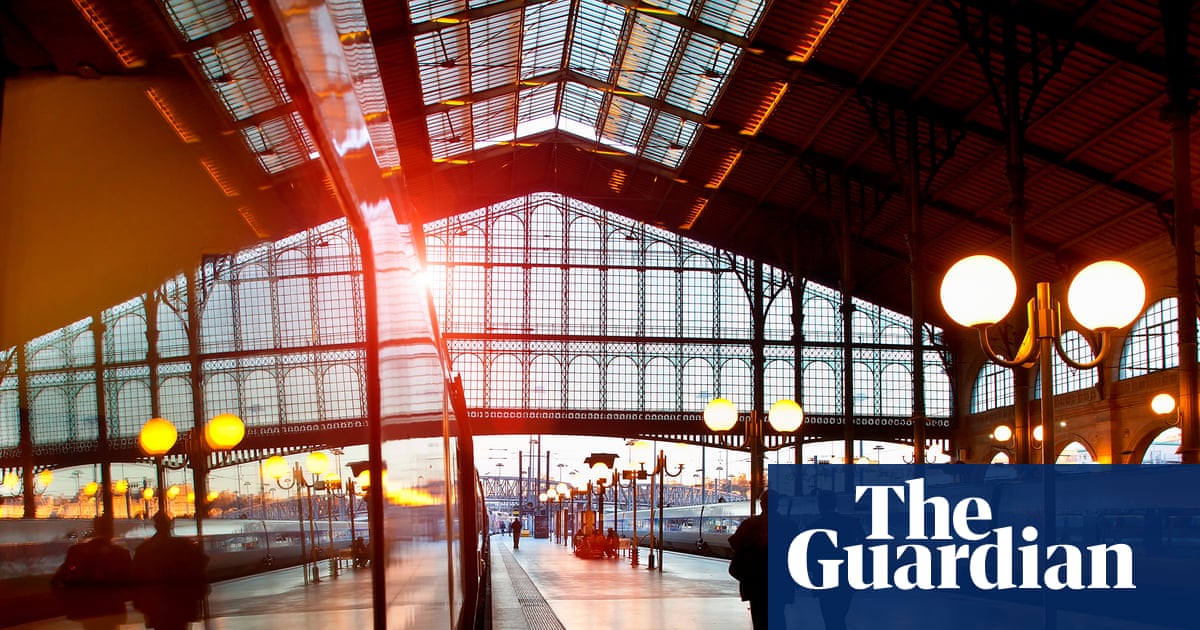
It is more than a century since Joyce crossed Europe by rail but there is still inspiration to be found on the overland journey to Trieste
W
hen James Joyce first travelled from Dublin to Trieste in 1904, he went via Paris, Zurich and Ljubljana. Zurich, because he mistakenly believed a job to be awaiting him there, and Ljubljana because – groggy after the night train – he thought they’d pulled into Trieste. By the time he twigged, the train had departed and, without ready cash, Joyce and his partner Nora Barnacle had to spend a night on the tiles.
Preferring to travel by train, when I received the invite to be writer-in-residence at the James Joyce summer school in Trieste, I wondered if I might follow Joyce’s route. But repair work on Austria’s Tauern Tunnel prevented me from taking the exact route. Besides, today’s TGV tears through France at nearly 200mph, in comparison to the 25-60mph speeds at which Joyce would have navigated Switzerland and Austria. A night on the town in Milan is just as good for the muse.
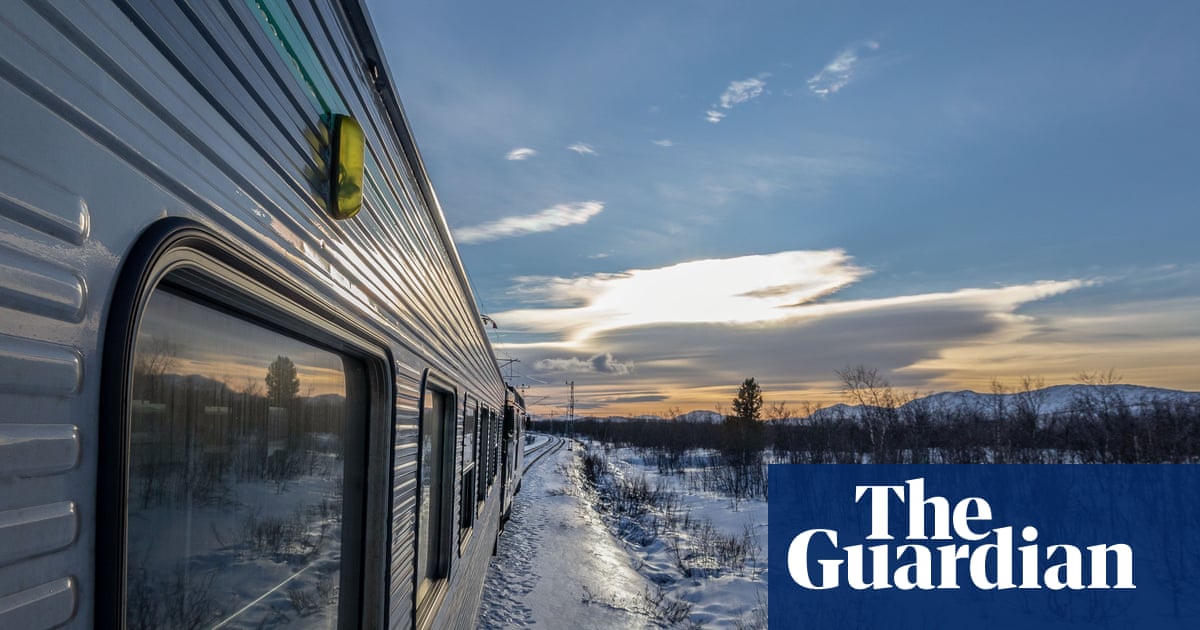
Along the route from London to Trieste (and then by bus to Ljubljana), I considered the lineage of writers who traversed Europe in this way 100 years ago and how different their aesthetic, physical and emotional experiences must have been. And, importantly, what they would have seen. What we see from trains – and how we see it – reflects a century of profound social, economic and environmental transformation. Trains represent progress as much as they ever have, but – today – a different sort of progress.