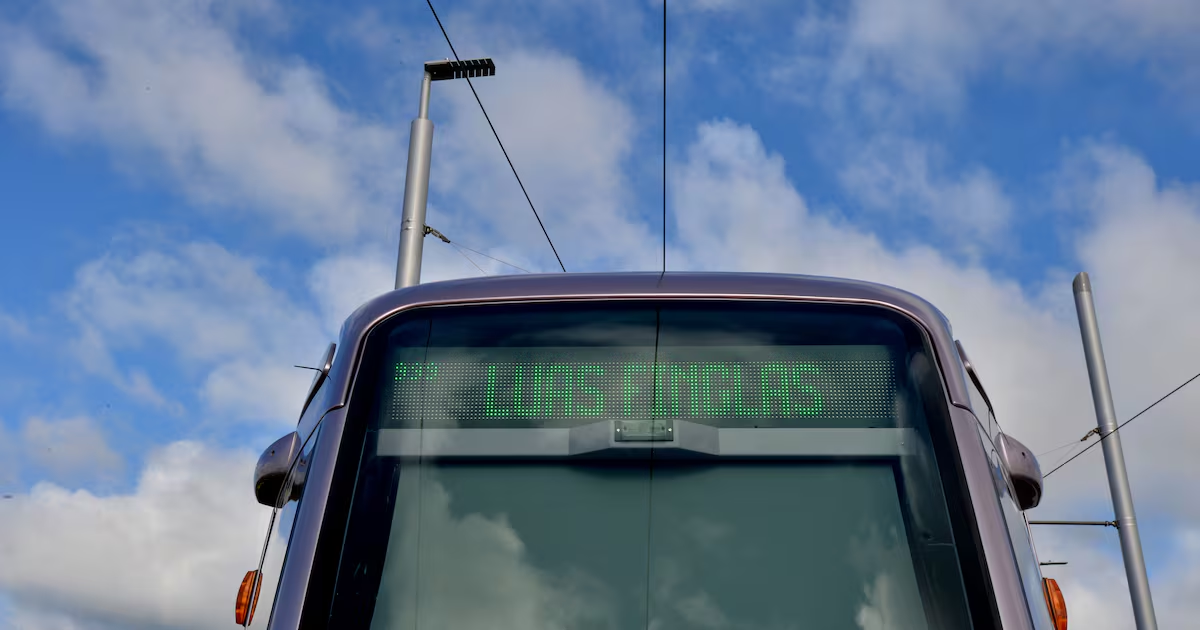
In James Joyce’s Ulysses, the city’s most famous fictional resident was as frustrated by its transport links in 1904 as many of us are today
I
reland’s planning body, An Bord Pleanála, will determine later this year the fate of an ambitious proposal to build the country’s first underground railway. Residents of the Irish capital won’t be holding their breath, however. Since it was first proposed 25 years ago, MetroLink has been cancelled, revived and rebranded. The latest version of the plan, which involves just 18.8km of track, has been subject to delays, costs that have spiralled to five times the original estimate, and fierce opposition from homeowners, heritage bodies and businesses.
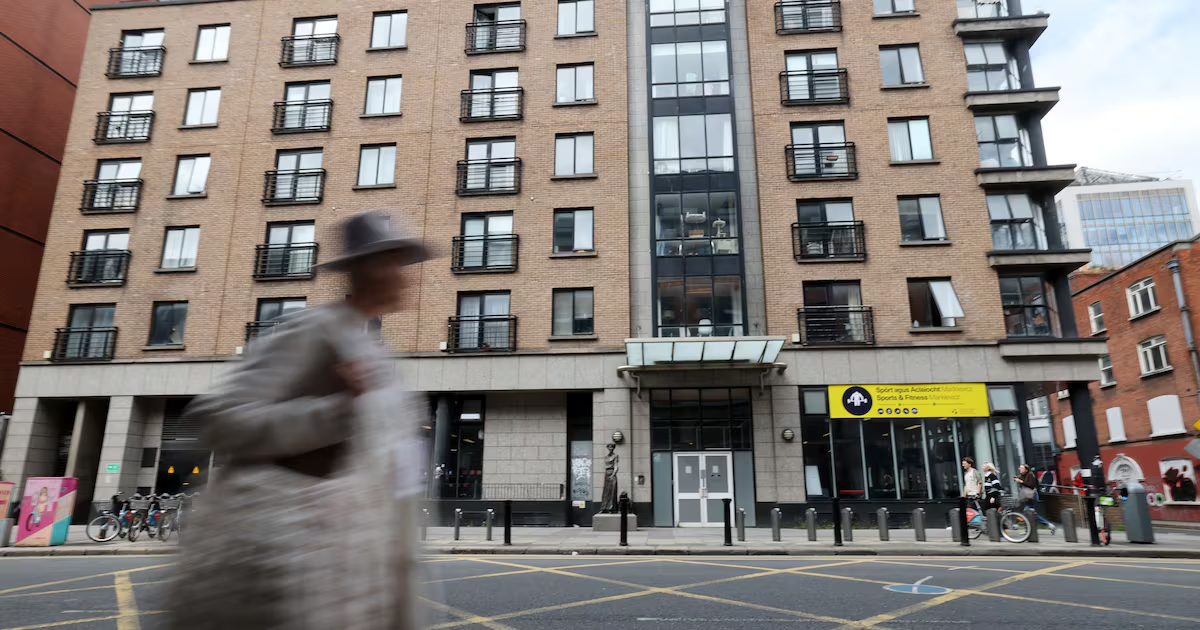
A wide-awake city of tech firms, theatres and tourist attractions, Dublin is one of the EU’s richest metropolitan areas; it is also the only large western European capital without a metro. No Dubliner would have been more frustrated with the situation’s absurdities, and MetroLink’s slow progress, than Leopold Bloom, the protagonist of James Joyce’s Ulysses.
Transport is never far from Bloom’s thoughts as he traverses the city on 16 June 1904. His wife Molly’s infidelity, the death of his friend Paddy Dignam, and fatherhood are uppermost in the advertising canvasser’s mind, but he also repeatedly ruminates on a plan to build “a tramline along the North Circular from the cattle market to the quays”. What begins as a passing observation about the scheme’s likely impact on property prices near his home on Eccles Street becomes a fully fledged policy proposal by the day’s end.