Excluding undocumented immigrants from the census would shrink representation and deepen inequality.
Do undocumented immigrants count as people?
Anyone watching as Immigration and Customs Enforcement (ICE) agents increasingly bypass due process to detain and deport unauthorised immigrants might assume the Trump administration’s answer is a resounding “no”. Now, regardless of deportation policies, the approximately 11 million unauthorised immigrants in the United States could soon disappear, statistically at least, if Republicans have their way.
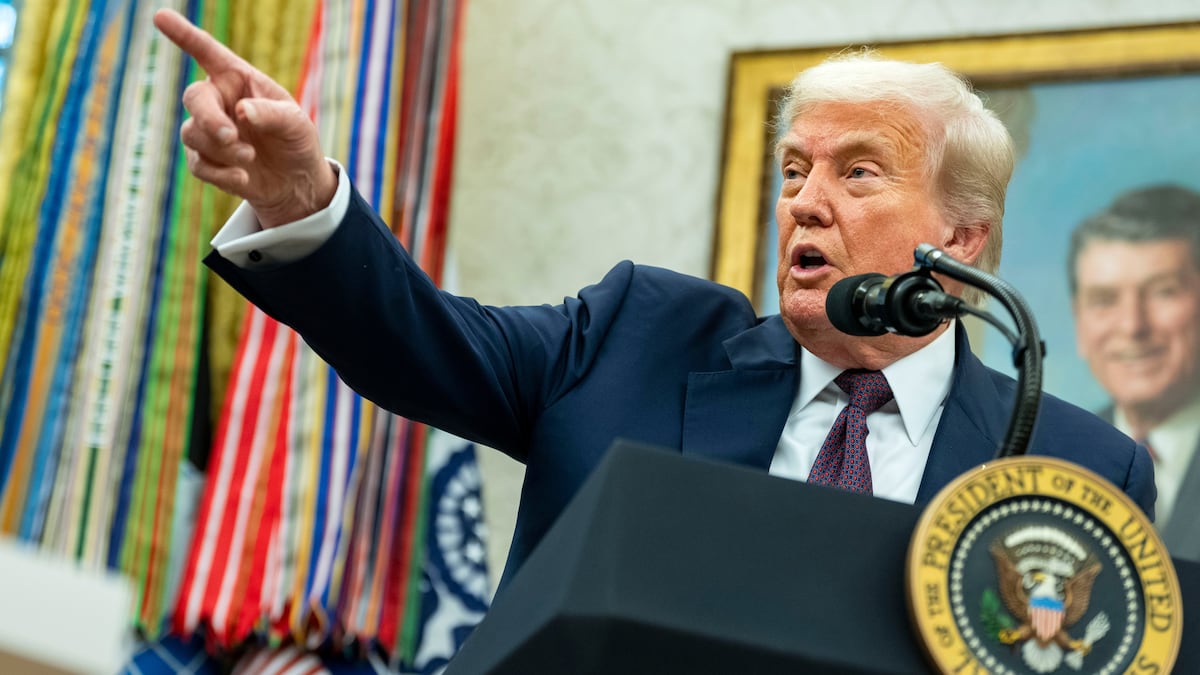
President Trump recently instructed the US Department of Commerce to prepare for a new census that excludes undocumented immigrants. This marks the latest and boldest attempt by Trump and his congressional allies to alter how the census accounts for unauthorised immigrants. Although not explicitly stated, Trump may be trying to push this off-cycle census through ahead of the 2028 presidential election or even before next year’s midterms, which he appears intent on influencing.
Assuming Trump was being literal in his social media declaration that “People who are in our Country illegally WILL NOT BE COUNTED IN THE CENSUS,” millions could effectively vanish from the official population count. If this incomplete census were used for congressional apportionment, it would reduce representation in Congress and the Electoral College for states with large numbers of unauthorised immigrants.